Monastery of St. George: A Medieval Orthodox Monastic Complex in North Macedonia


Site at a Glance
- Rating
- 4.9
- Popularity
- Very Low
- Country
- North Macedonia
- Primary era
- Medieval
- Eras represented
- Classical, Medieval, Modern
- Civilizations
- Byzantine
- Site type
- Religious
- Remains
- Monastery
On this page14 sections
History
The Monastery of St. George is a medieval Orthodox monastic complex in North Macedonia, near Knezino west of Kicevo. Traditionally dated to the eleventh or twelfth century, it developed during the period when the Kicevo region formed part of the Byzantine Empire and the church belonged to the Ohrid Archbishopric, a major Orthodox ecclesiastical institution whose jurisdiction covered parts of the central and southern Balkans. The monastery remains active and is associated with the Fourth Kicevo Parish of the Debar-Kicevo Diocese.
Early Christian and Byzantine foundations
The present complex stands over an earlier Christian site. A basilica dating from the fifth or sixth century occupied the location before the medieval church was rebuilt toward the end of the eleventh or during the twelfth century. This rebuilding took place within the religious and political setting of Byzantine Kicevo, while the Ohrid Archbishopric provided the church’s ecclesiastical framework.
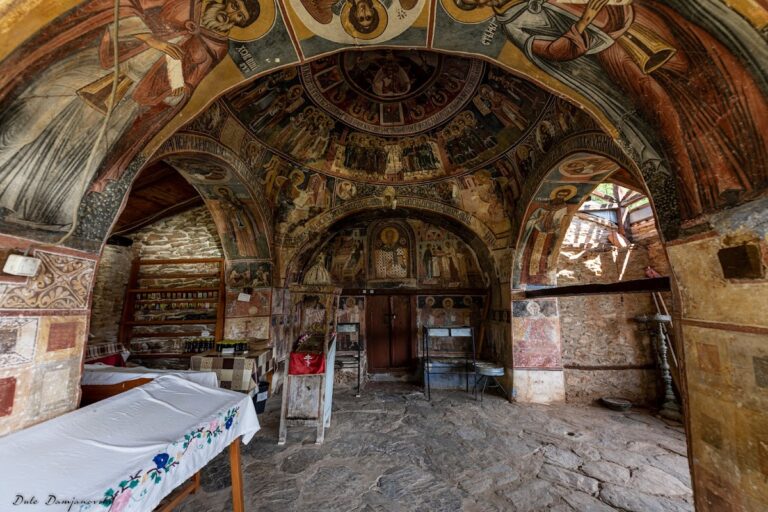
The monastery continued to function through the medieval period. Its churches and cemetery also preserve traces of several phases of Christian artistic activity, linking the site to early Christian worship and to later Byzantine traditions. Paintings from the Komnenian period, associated with the Komnenos dynasty, and from the Palaeologan period, associated with the Palaeologos dynasty, reflect successive phases in the history of the Byzantine Empire.
Destruction and revival
During the first half of the eighteenth century, the complex was burned. The fire was followed by abandonment and ruin, and the monastic brotherhood dispersed. Local tradition preserves a separate story about the monastery’s sacred image. According to the legend, its icon moved miraculously to the Monastery of the Holy Mother of God Precista and returned several times before remaining there.
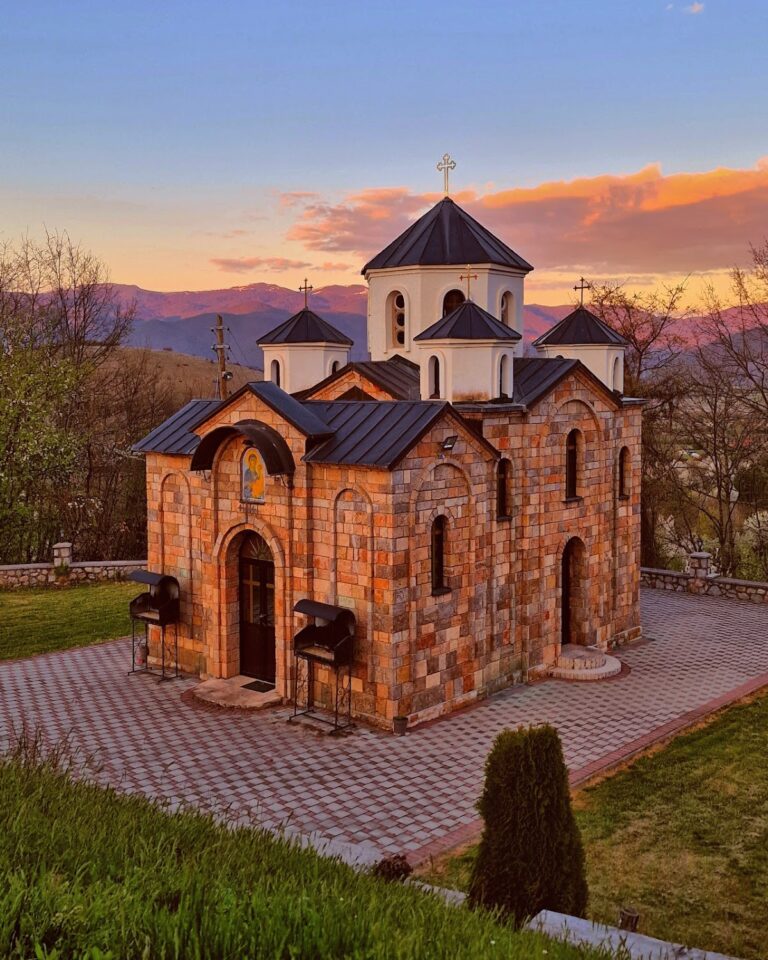
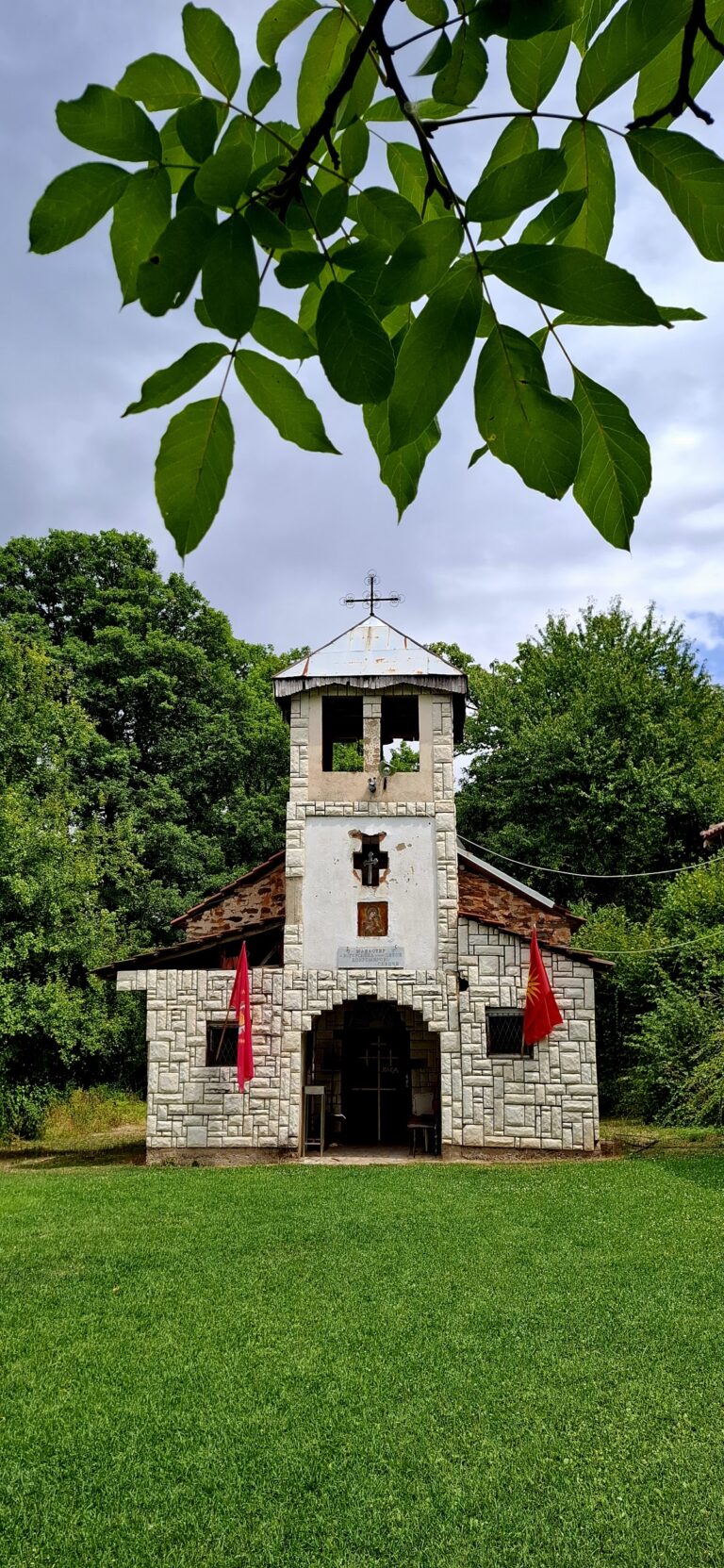
The site was revived in 1973, when people from Knezino built a small church on the western part of the old church and added a monastery residence, or konak. The residence was later enlarged and renovated. Construction of a fourth church began in 1999, and the building was consecrated on 11 October 2007. Local donations supported the building and renewal of the church and konak, restoring the complex as a functioning Orthodox monastery.
Traditions and archaeological investigation
Local tradition associates the monastery with the medieval settlement of Kitava at Kitino Kale, the fortress around which Kicevo later developed. In this tradition, Kita, described as the sister of Kral Marko, lived at the fortress and died while defending the monastery from Musa Kesedziya. Kral Marko became a heroic figure in South Slavic epic tradition, while Musa Kesedziya is remembered there as a legendary adversary.
The monastery is dedicated to Saint George, a widely venerated Christian martyr especially prominent in Eastern Orthodox worship. Christian tradition associates him with healing, protection, the safeguarding of people and livestock, the raising of the dead, and the defeat of evil. Archaeological investigations began at the church and cemetery in 1985, continued in 1998, and have proceeded intermittently into the present. They have brought to light architectural, artistic, and funerary evidence from the early Christian and medieval phases of the site.
Remains
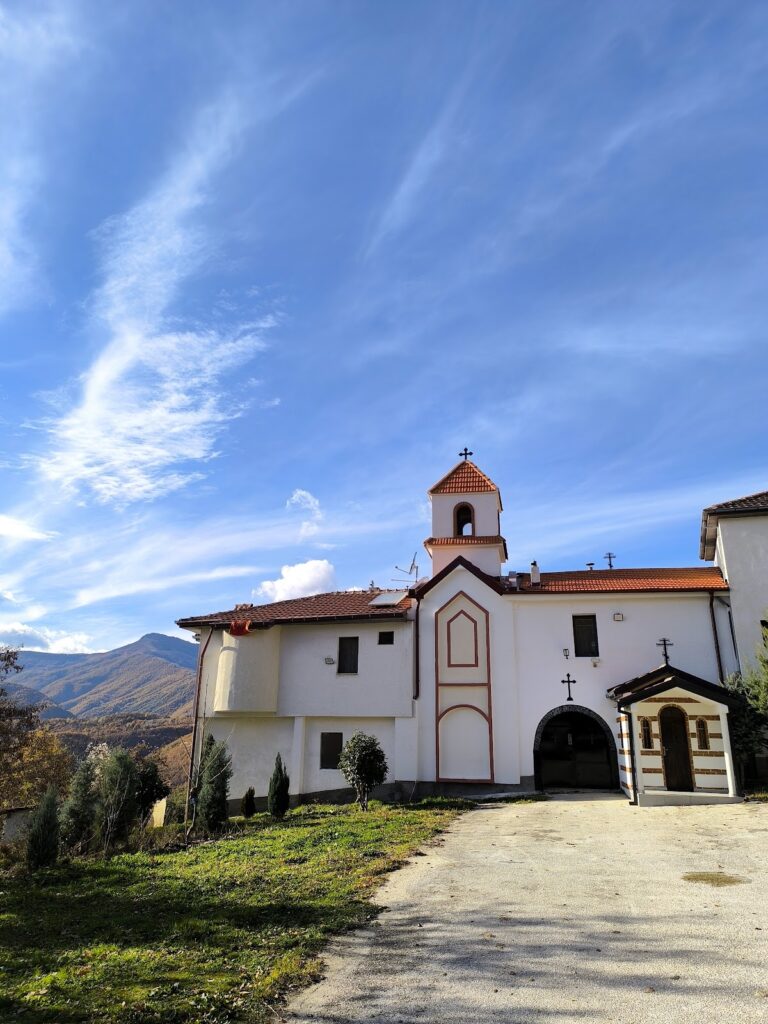
The complex lies on the slopes of Mount Bistra at an elevation of about 900 metres or higher, near Knezino. Dense beech and oak woodland surrounds the monastery, including trees described as several centuries old. The visible complex includes the church, the monastery residence, a bell tower, auxiliary buildings, an archaeological area in the courtyard, and two fountains. One of the fountains is dedicated to Saint Petka, and both provide spring water regarded locally as medicinal.
Churches and earlier foundations
Early Christian basilica
The medieval church was built over the foundations of an early Christian basilica from the fifth or sixth century. The basilica followed a basilical plan and measured approximately 27 to 29 metres in length. Its stone architectural decoration was reused after the basilica was destroyed at an unknown date, with pieces incorporated into the late eleventh- or twelfth-century church and other parts of the complex.
Later monastery churches
The western part of the old church carries the small church built during the monastery’s revival in 1973. The complex also contains the fourth church, begun in 1999 and consecrated in 2007, together with the monastery residence that was expanded and renovated after its original construction. A mosaic depicting Saint George is associated with the monastic complex.
Archaeological and artistic remains
Church decoration
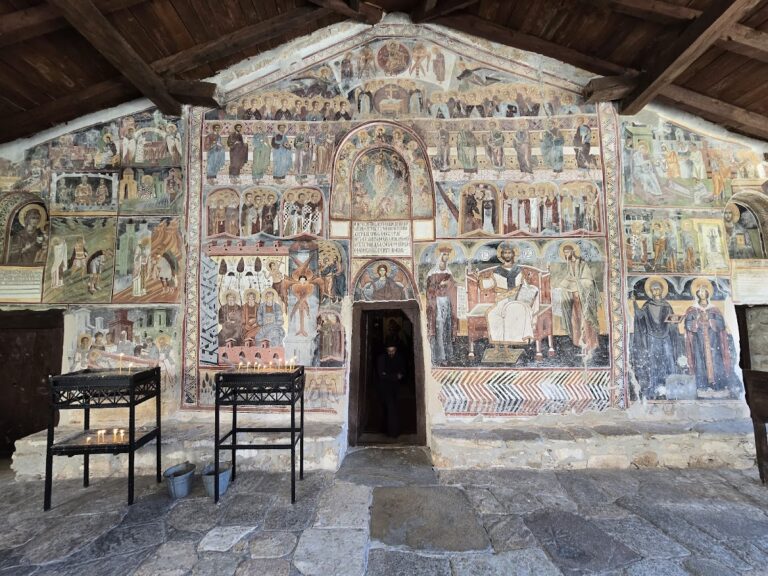
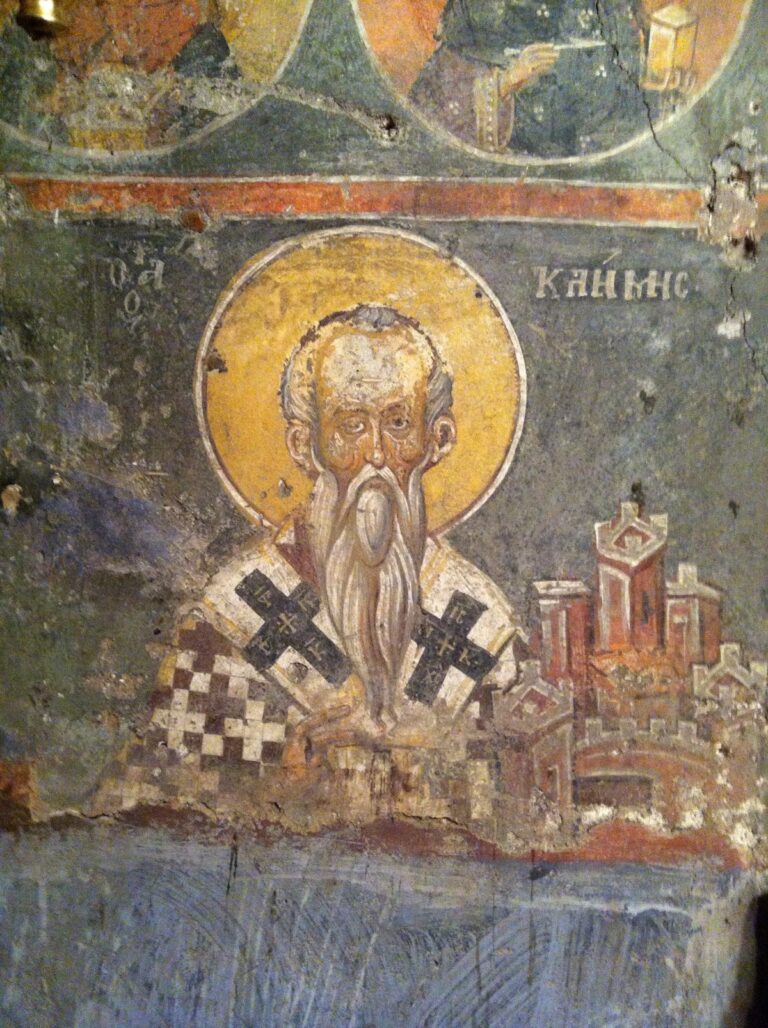
Excavation has revealed a mosaic floor in the naos, the main worship space of an Eastern Christian church, along with stone sculpture, ceramic tiles, construction slabs, inscribed slabs, and fragments of wall paintings. The painted material belongs to several periods. Early Christian painting dates from the fifth or sixth century, while another group belongs to the late eleventh or twelfth century. Later fragments date to the beginning of the fourteenth century and are probably associated with the painters Michael Astrapa and Eutychios, although their attribution is not certain. The two artists were associated with monumental church decoration in the Balkans and with the patronage of Serbian King Milutin.
Necropolis
The necropolis, or cemetery, was used over a long period. Its graves include burial arrangements interpreted as belonging to founders and wealthy individuals, with bracelets, buttons, a ring set with a gem, and other grave goods. Other grave constructions are associated with monks. Together, these remains reflect the range of people connected with the monastery and the changing funerary practices preserved within the complex.
Monastic buildings and water sources
Residence and bell tower
The monastery residence, known as a konak, serves as the lodging building within the complex. It was constructed during the twentieth-century revival and later enlarged and renovated. A bell tower and auxiliary buildings stand among the surviving monastic structures, alongside the churches and the archaeological area laid out in the monastery courtyard.
Fountains
Two fountains form part of the surviving complex. Their water comes from springs and is regarded by local people as medicinal. One fountain bears a dedication to Saint Petka, adding a distinct devotional feature to the monastery’s physical setting.
Nearby sites