Snagov Monastery: A Medieval Orthodox Monastery and Cultural Center in Romania


Site at a Glance
- Rating
- 4.2
- Popularity
- Medium
- Country
- Romania
- Primary era
- Early Modern
- Eras represented
- Medieval, Early Modern, Modern
- Civilizations
- Principality of Wallachia
- Site type
- Religious
- Remains
- Monastery
On this page10 sections
History
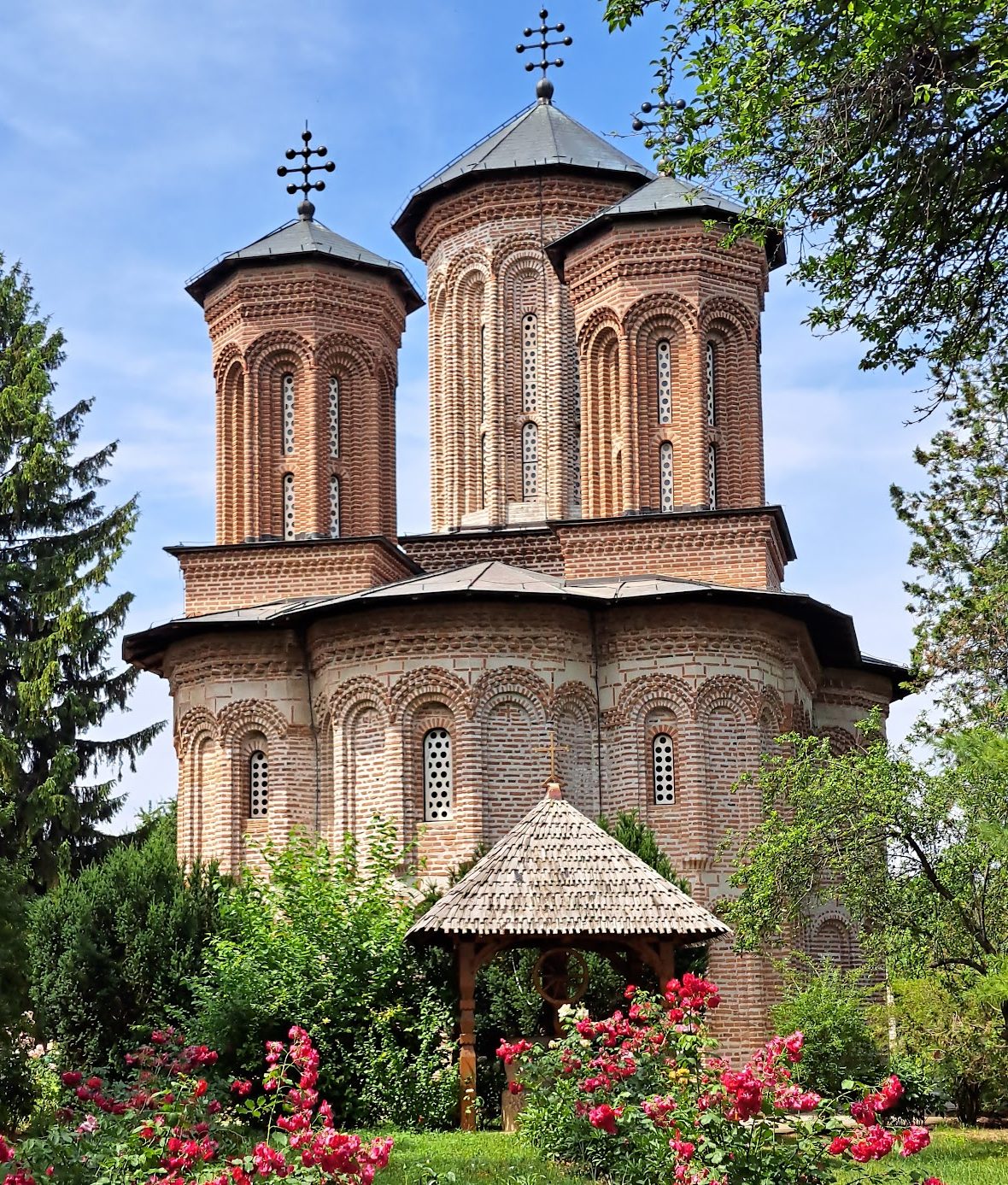
Snagov Monastery is a medieval Romanian Orthodox monastery and historical monument on an island in Lake Snagov, Romania, near Siliștea Snagovului. Probably founded late in the reign of Mircea the Elder, it was first documented in 1408 and developed through successive Wallachian phases of construction, defense, religious use, and cultural activity. The present church was built by Neagoe Basarab in 1521 in Byzantine style with Romanian decorative elements.
Early foundation and Wallachian rebuilding
Archaeological research in 1933 identified an earlier monastic settlement on the island dating from the eleventh century. This first complex was built of wood and eventually burned. The later monastery is generally associated with Mircea the Elder, whose period of rule included the first written reference to the foundation in 1408. Successive rulers of Wallachia, including Vlad the Impaler, Mircea Ciobanu, and Neagoe Basarab, rebuilt or substantially altered the monastery.
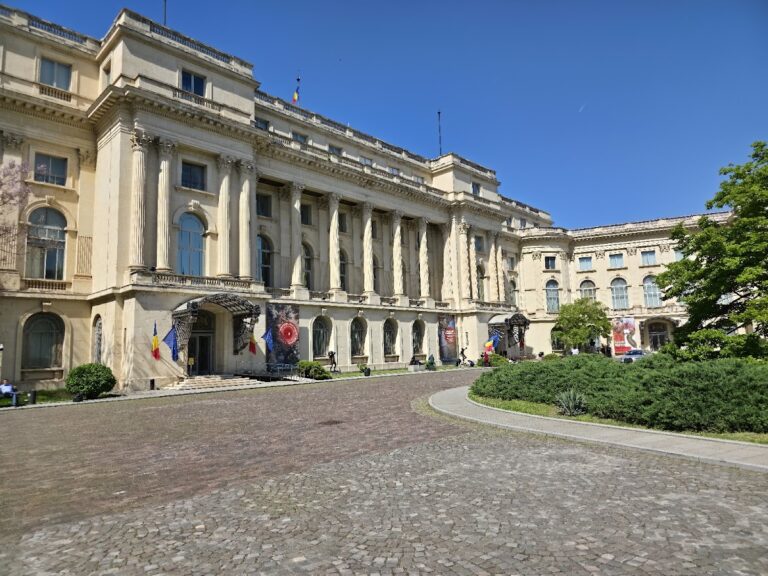
Vladislav II built a chapel dedicated to the Annunciation in 1453. Local tradition says that the chapel sank into Lake Snagov around 1600. Its imperial doors were later recovered on the lakeshore and are now held by the National Museum of Art of Romania. Around 1456, Vlad the Impaler also ordered the construction of defensive walls, a bridge to the mainland, a prison for traitors and thieves, and an underground escape passage beneath the water. The prison was used by Wallachian rulers and remained in operation until about 1856.
An earlier church was destroyed by a powerful earthquake before Neagoe Basarab built the present church in 1521. Major renovations followed during the reign of Mircea Ciobanu in the middle of the sixteenth century. In 1563, during the rule of Petru Șchiopul, Dobromir the Young painted the church. His work survives in the narthex, the entrance area of an Orthodox church. The nave, or main body of the church, and the altar were painted in 1815 by Gheorghe Zugravul.
Burials, refuge, and political detention
Snagov served as a royal necropolis, meaning a burial place connected with a ruling family or court. Its funerary stones include those of officials who were executed for treason or forced to become monks. Among them are Dragomir Postelnicul, Stoica Logofatul, Pârvu Vornicul, Ioan Călugărul, and Metropolitan Serafim. Constantin Cantacuzino, a former high official, died at the monastery in December 1662.
The island’s position within the extensive Vlăsia Forest gave the monastery a strategic role as a place of refuge and exile. After the suppression of the 1848 Wallachian Revolution, revolutionary leaders, including Mitiță Filipescu, were detained there. The oak-timber bridge linking the island with the mainland was burned during the 1821 revolution and was not replaced until a pedestrian walkway was built in 2009.
Printing and religious culture
During the seventeenth century, Snagov became a pan-Orthodox religious and cultural center, serving Orthodox communities beyond its immediate surroundings. With the support of Matei Basarab, a printing press was installed at the monastery in 1643. Under Constantin Brâncoveanu, Antim the Iberian served as abbot from 1694 to 1705 before becoming metropolitan of Wallachia.
Antim and the monastery’s printers produced church books in Romanian, Greek, Arabic, Old Church Slavonic, and Georgian. Their work extended Snagov’s reputation for book production to Greece, Asia Minor, and Egypt. The press also produced early Romanian books in Latin characters, including The Order of the Service of Saints Constantine and Helena, described as the first book of modern Romanian printed with Latin letters. For long periods, the monastery also housed one of Wallachia’s coin-minting centers and was popularly called a bănie.
Later changes and the Vlad the Impaler tradition
A convent of nuns operated at Snagov until 1810, when Metropolitan Filitis abolished it and transferred the community to Țigănești Monastery. An earthquake in 1814 seriously damaged the church. Further earthquakes in 1977 and 1986 harmed the complex, and consolidation work took place between 1998 and 2000.
Local tradition, together with the views of Alexandru Odobescu and Nicolae Iorga, associates Snagov with the burial of Vlad the Impaler. Vlad was killed in 1476 after a battle with opponents of his rule who were supported by the Ottoman Empire. According to the tradition, monks secretly recovered and buried his body after the waters cleared, seeking to prevent its desecration by the new ruler installed with Ottoman backing. The identification remains unproven, and some historians have instead proposed Vlad’s foundation at Comana as his burial place.
Archaeologist Dinu Rosetti investigated the presumed tomb before the altar in 1933 and 1934 but found nothing of significance there. A separate coffin found elsewhere in the church contained a clothed body and objects regarded as characteristic of a ruler. The remains and objects were taken to the History Museum in Bucharest, but disappeared before rigorous reanalysis could take place.
The church has three dedications: Saint Voivode Neagoe Basarab, regarded as the founder of the present church; Saint Antim the Iberian, who served as abbot; and the Presentation of the Virgin Mary, described as the oldest dedication. The Presentation is celebrated on 21 November, while the feast of Neagoe Basarab is observed on 26 September. The island was later ceded free of charge to the Romanian Patriarchate by the commune of Snagov and is administered by the Archdiocese of Bucharest.
Remains
Snagov Monastery occupies a small island in Lake Snagov. Its surviving historic fabric consists mainly of the church, a monumental bell tower, and a fountain, while other island buildings are recent constructions or ruins. The monastery is associated with the remains of an older settlement, including the eleventh-century monastic occupation identified through archaeological research.
The church
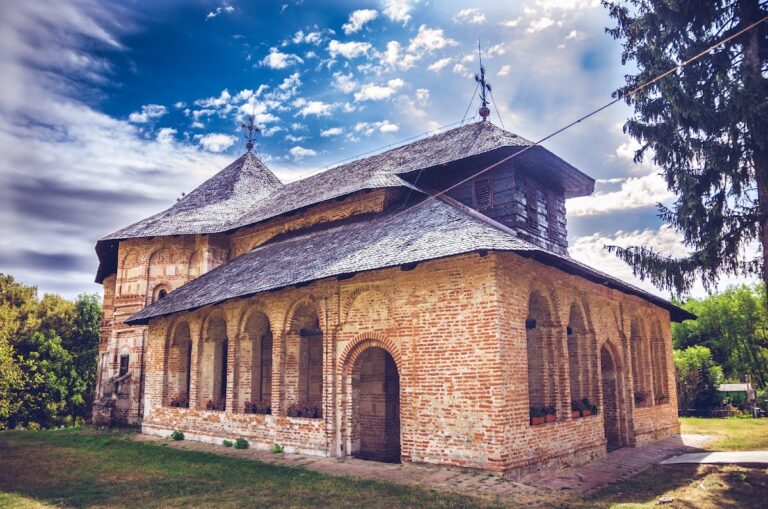
The present church combines Byzantine design with Romanian decorative elements. Its exterior is built of exposed brick, leaving the shapes and patterns of the bricks visible. The building contains a balcony, nave, and altar. The balcony was supported by sixteen pillars of different geometric forms, richly decorated in exposed brick. These pillars remain visible on the exterior of the narthex.
The original porch was changed into a narthex in the middle of the sixteenth century, when masonry was inserted between its columns. Dobromir the Young’s 1563 mural painting survives in this entrance area. The current paintings in the nave and altar date from 1815 and were made by Gheorghe Zugravul. The wall paintings include Neagoe Basarab with his son Theodosius, and Mircea Ciobanu with his family.
Funerary features
In the nave, before the royal doors, stands a funerary slab attributed to Vlad the Impaler. The presumed tomb in front of the altar was examined in 1933 and 1934 and was empty. Another coffin found within the church contained a clothed body and objects associated with a ruler, but the disappearance of these materials prevented further examination. Funerary stones for Dragomir Postelnicul, Stoica Logofatul, Pârvu Vornicul, Ioan Călugărul, and Metropolitan Serafim remain at the monastery.
Bell tower and island defenses
The monumental bell tower is constructed from river stone and exposed brick. The island was formerly connected to the mainland by a bridge made from oak beams. An underground refuge passage beneath the water is traditionally associated with Vlad the Impaler and is said to survive. Together with the former defensive walls and prison, these features reflect the monastery’s fortified and strategic role.
Submerged chapel and recovered doors
The chapel dedicated to the Annunciation was built by Vladislav II in 1453 and was reportedly submerged in Lake Snagov around 1600. Its imperial doors were recovered from the lakeshore and are preserved at the National Museum of Art of Romania rather than on the island.