Saint-Papoul Cathedral: A Former Abbey Church and Roman Catholic Parish Church in France


Site at a Glance
- Rating
- 4.4
- Popularity
- Low
- Country
- France
- Primary era
- Medieval
- External website
- Open
- Eras represented
- Medieval, Early Modern
- Civilizations
- French
- Site type
- Religious
- Remains
- Cathedral
On this page8 sections
History
Abbey origins and episcopal foundation
Saint-Papoul Cathedral is a Roman Catholic church in Saint-Papoul, France, built in the Romanesque tradition and completed in the eighteenth century after major restoration work. It is dedicated to Saint Papulus, an early Christian bishop and martyr whose name also gave the settlement its name. Saint Papulus is traditionally understood as a Christian hermit of the fifth or sixth century, and tradition places his martyrdom at L’Ermitage.
The Abbey of Saint-Papoul was founded in the eighth century. In 1317, after the suppression of the Albigensians, Pope John XXII created the Diocese of Saint-Papoul. The abbey’s abbot became the bishop, and the abbey church was elevated to cathedral status. A diocese was a territorial district administered by a bishop, while an abbey was a monastery governed by an abbot or abbess.
Thirty-four bishops succeeded one another at Saint-Papoul during the existence of the diocese. The cathedral experienced violent disruption during the later Middle Ages and the religious conflicts of early modern France. Armed bands known as the Routiers plundered it in 1361, and Protestants plundered it again in 1595.
Saint Berenger and later restoration
Saint Berenger, a monk, lived at the abbey in the eleventh century. His tomb became a destination for pilgrims and added a devotional focus to the religious life of the abbey.
Major restoration campaigns took place during the seventeenth and eighteenth centuries, when the episcopal palace was also rebuilt. The cathedral is described as having been completed in the eighteenth century after this period of extensive work. In 1790, worship at the cathedral was supported by a small musical establishment consisting of an organist, a cantor who also played the serpent, and a choirboy. The serpent was a historical wind instrument used in church music.
Revolutionary reorganization and parish use
The diocese and the abbey were suppressed during the French Revolution. Under the Concordat of 1801, an agreement between the French government and the Holy See that reorganized the position of the Roman Catholic Church in France, the Diocese of Saint-Papoul was abolished. Almost all of its territory was transferred to the Diocese of Carcassonne, and the former cathedral and abbey church became the parish church of Saint-Papoul.
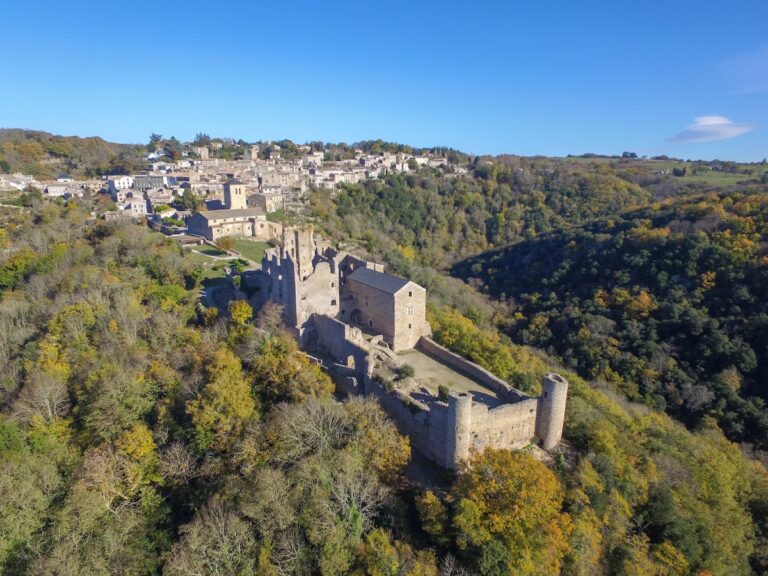
Saint-Papoul Cathedral remains an active Roman Catholic parish church. The surviving abbey buildings, including the rebuilt episcopal palace, continue to form part of the historic complex.
Remains
Romanesque church and abbey complex
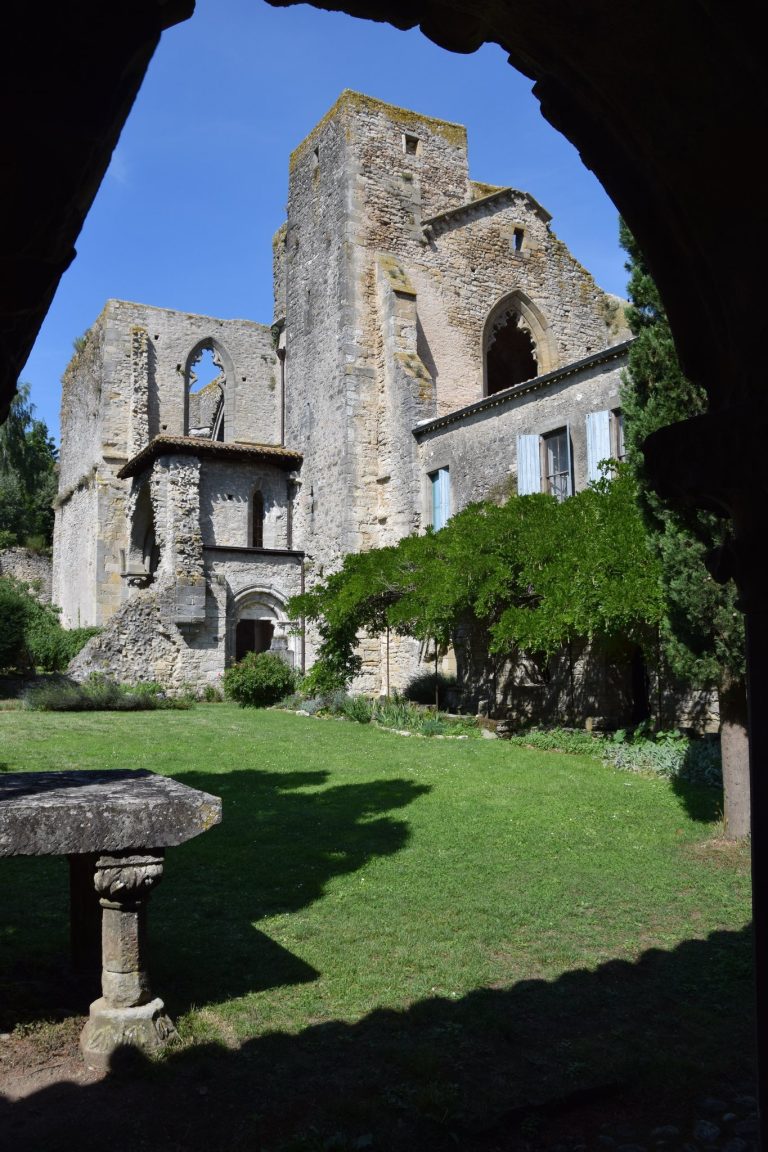
The surviving site is organized around the former abbey church, later the cathedral, and the remaining abbey buildings. The church is Romanesque, a medieval architectural style marked broadly by massive masonry, rounded arches, and substantial walls. Its present form reflects the major restoration activity of the seventeenth and eighteenth centuries, and the building was completed in the eighteenth century.
Abbey church and cathedral
The abbey church served first as the principal church of the monastery and later as the cathedral of the Diocese of Saint-Papoul. Its dedication preserves the connection with Saint Papulus, while the building’s Romanesque character links the surviving structure to its medieval ecclesiastical origins. The church is now used as the parish church of Saint-Papoul.
Episcopal palace
The abbey complex also includes an episcopal palace, a bishop’s residence and administrative seat. The palace was rebuilt during the seventeenth or eighteenth century, during the period when the abbey underwent major restoration. It survives alongside the former cathedral and the other remaining abbey buildings.