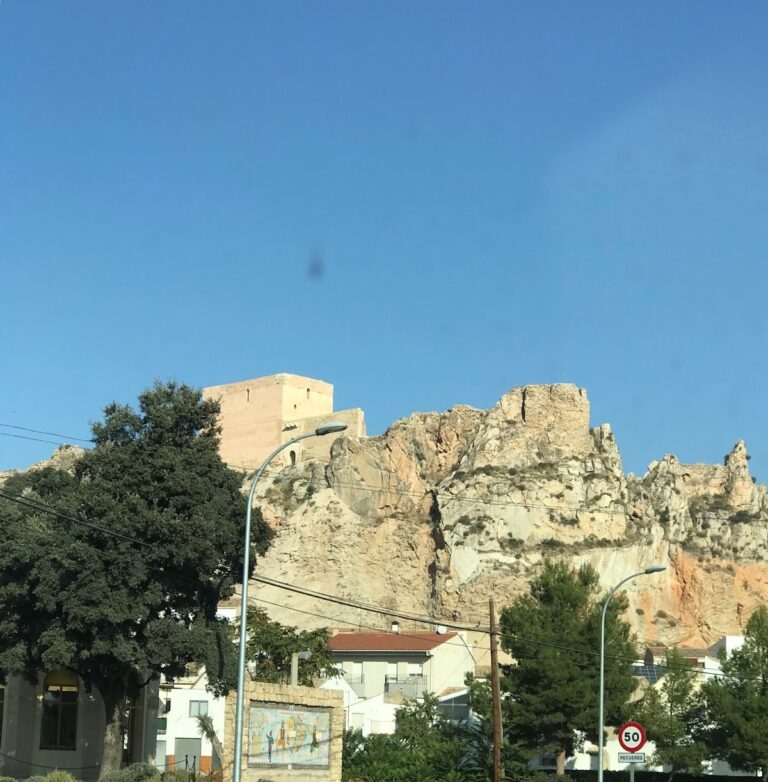
Fuerte de Las Pedrizas: A Seventeenth-Century Fortification in Spain


Site at a Glance
- Rating
- 4.8
- Popularity
- Very Low
- Country
- Spain
- Primary era
- Early Modern
- External website
- Open
- Eras represented
- Early Modern
- Civilizations
- Crown of Aragon, Spanish
- Site type
- Military
- Remains
- Fort
On this page5 sections
History
Fuerte de Las Pedrizas is a fortification near Bicorp in Spain, built in 1609 at the beginning of the seventeenth century in response to the expulsion of the Moriscos. Moriscos were Muslims in Spain who had been forcibly converted to Christianity, along with their descendants; their expulsion was decreed in 1609. The fort stood outside Bicorp’s urban center and served as a stronghold and refuge for troops confronting Morisco rebels who continued to live around La Muela.
Juan Pacheco ordered the construction, while the master builder Francisco Miranda directed the works. After the defeat of the Moriscos, the fort was abandoned, and some of its dependencies were later adapted for agricultural and livestock uses. Fuerte de Las Pedrizas is protected under the general declaration established by the Decree of 22 April 1949 and Spain’s Historical Heritage Law 16/1985. It became an Asset of Cultural Interest on 18 July 2023 and is also listed as an Asset of Local Relevance under code 46.22.071-003.
Remains
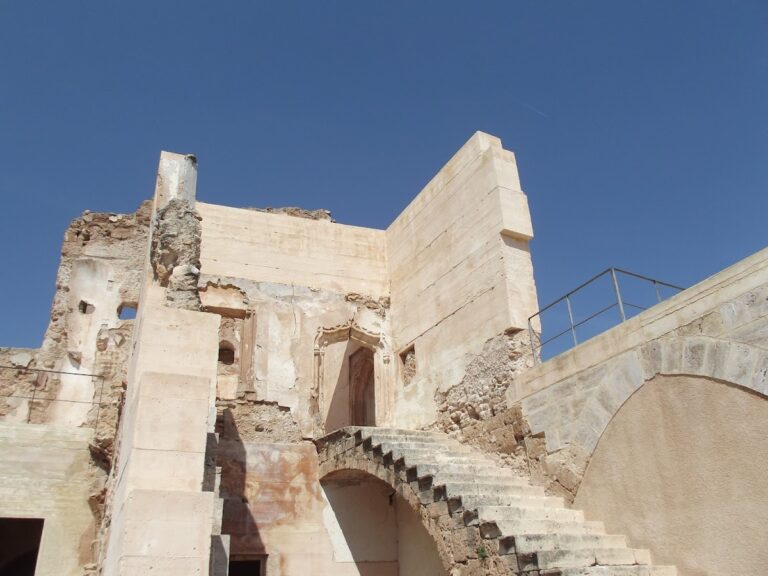
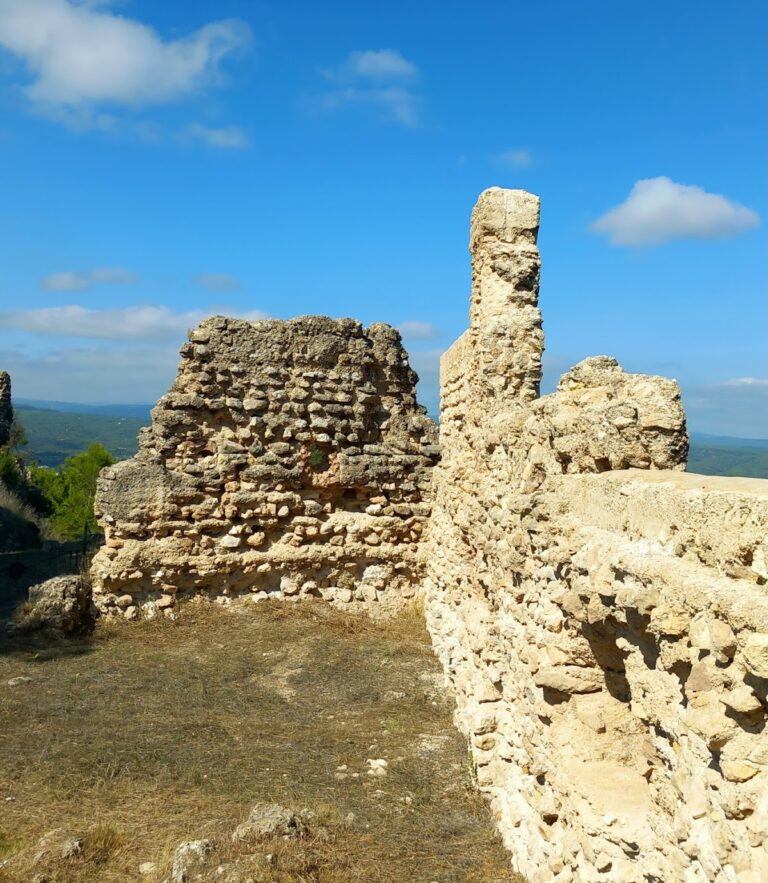
The remains occupy a mountainside in the Las Pedrizas area near Bicorp, outside the town’s built-up center. The site is a castle whose principal surviving element is a walled enclosure. Its defensive features reflect the emerging use of muskets and artillery in the early seventeenth century.
Defensive Enclosure
Walls and Fire Openings
The surviving enclosure contains gun ports and loopholes adapted for musket and artillery fire. These openings formed part of the fort’s defensive arrangement within the enclosing walls, which now survive in an advanced state of ruin.
Later Agricultural Spaces
Some internal spaces were converted to agricultural and livestock purposes after the fort’s military use ended. These adaptations form part of the surviving remains and reflect the later reuse of the abandoned stronghold.
Nearby sites