Vimberk: A Medieval Castle in Czechia


Site at a Glance
- Rating
- 4.5
- Popularity
- Very Low
- Country
- Czechia
- Primary era
- Medieval
- Eras represented
- Medieval
- Civilizations
- Holy Roman Empire, Kingdom of Bohemia
- Site type
- Military
- Remains
- Castle
On this page6 sections
History
Vimberk, also known as Melmatěj, is a small medieval castle in Czechia that existed from the second half of the thirteenth century until the mid-fourteenth century. Built during the medieval period, it probably guarded the surrounding iron-ore mines. The castle’s builder is unknown. Because the surrounding landscape belonged to the ruler at the time, the ruler is considered the most likely founder, although Nachval of Osvračín is another possibility.
Foundation and ownership
During the reign of John of Luxembourg, King of Bohemia from 1310 to 1346, Nachval of Osvračín held the nearby villages as a pledge-holder. In 1325, John allowed Peter I of Rosenberg to redeem those villages from Nachval and add them to the estates of Strašice and Zbiroh. The local estate still belonged to Peter’s sons in 1349, and the Rosenbergs, a powerful noble family whose possessions included estates and castles in southern Bohemia, are listed among the later owners of Vimberk.
Destruction and identification
In 1351, a war of uncertain immediate cause began between South Bohemian and German nobles. Charles IV, John’s son and successor as King of Bohemia, used the conflict to campaign against the Rosenbergs. Royal forces captured the Rosenberg castles of Strašice and Chlukov in February 1352. Vimberk probably disappeared during the same operation, since archaeological evidence points to destruction by a major fire around the middle of the fourteenth century.
The castle’s name remains uncertain. August Sedláček connected it with the modern local name Vimberk, but later studies questioned whether the names Windberg or Wimberk referred to this site. Since the second half of the seventeenth century, it has also sometimes been called Melmatěj, after a nearby mill. Another interpretation identifies Vimberk with the still-unlocated castle of Chlukov. Its archaic form led the castle historian Tomáš Durdík to classify it as a transitional-type castle, an architectural category combining older and newer defensive or residential forms.
The ruins are protected as a cultural monument of the Czech Republic under heritage number 32430/4-2458. The current owners are the Colloredo-Mannsfeld family.
Remains
Terrace and defenses
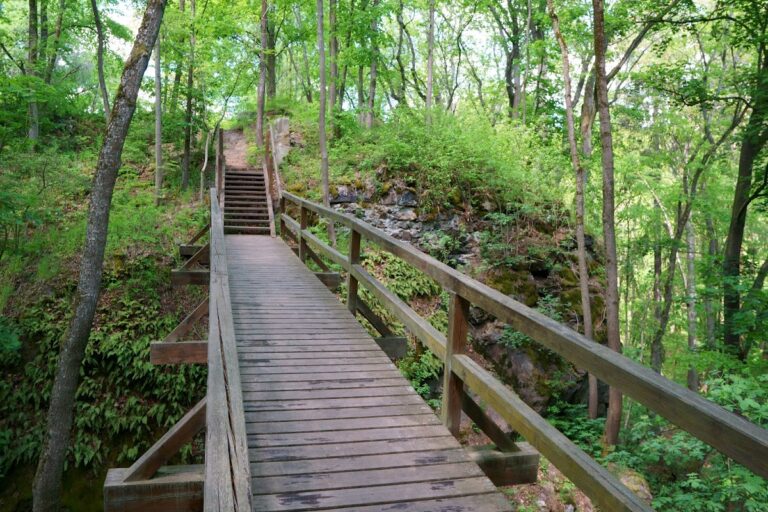
Vimberk stood on the edge of a rocky river terrace above the Klabava River, at the entrance to the Strašice Basin west of Strašice and near the former Melmatěj mill. The river bordered the terrace, while steep slopes offered particular protection on the southern and eastern sides. A rampart and a wide ditch separated the castle from the rest of the terrace. The rampart is interrupted at two points, and the northern break probably marked the original entrance.
Castle core
No masonry survives in the castle core, and the archaeological remains indicate that wood was the principal building material. The only identified trace of a building is a feature cut into the rock on the western side. It may have been a sunken dwelling or hut, a structure partly excavated into the ground or bedrock to reduce its visible height and create an earth-sheltered interior. The surviving archaeological features therefore consist of the castle area, rampart, ditch, and this possible sunken structure.
Nearby sites