São Vicente Chapel and Fort: A Fortress of the Lines of Torres Vedras


Site at a Glance
- Rating
- 4.4
- Popularity
- Low
- Country
- Portugal
- Primary era
- Modern
- External website
- Open
- Eras represented
- Medieval, Modern
- Civilizations
- British, Portuguese
- Site type
- Military
- Remains
- Fort
On this page6 sections
History
São Vicente Chapel and Fort is a fortified site in Torres Vedras, Portugal, built in 1809–1810 as the first of 152 forts, redoubts, and other defensive works in the Lines of Torres Vedras. Constructed during the Peninsular War, the 1807–1814 conflict in which French forces fought Portugal, Spain, and their British allies, it formed part of a system intended to prevent the French army from reaching Lisbon.
Construction of the Lines
On October 20, 1809, Arthur Wellesley, later the Duke of Wellington, ordered the construction of the defensive lines. Work at São Vicente began on November 8 under the overall supervision of Colonel Richard Fletcher, commander of the Royal Engineers, the British military corps responsible for fortification, surveying, and related engineering work.
The Lines extended for approximately 80 kilometres between the Atlantic Ocean and the Tagus River. Their forts and redoubts reinforced natural obstacles and made extensive use of the terrain. The system was designed to protect Lisbon from a possible French invasion, while also covering Wellington’s retreat and a possible evacuation from a beach near the Fort of São Julião da Barra if the allied forces were defeated.
War and Later Military Use
Along with the Fort of Alqueidão, São Vicente was considered one of the most important fortresses in the Lines. It did not see combat during the Peninsular War. In 1810, Marshal André Masséna’s French army was halted at the defensive lines and later withdrew toward the Spanish border because of shortages of food and supplies.
The fort was attacked in 1846 during the Little Civil War, a Portuguese conflict in which troops commanded by the Duke of Saldanha fought forces under the Count of Bonfim. This was the only direct attack on one of the fortifications in the Lines of Torres Vedras. After the Convention of Gramido brought peace to Portugal in 1847, most of the forts lost their military function and gradually fell into ruin. São Vicente has been preserved and restored.
The fort was built on the site of a small chapel dedicated to Saint Vincent, dating from the twelfth century. The chapel was incorporated into the fort’s design, linking the earlier religious building with the later defensive complex.
Remains
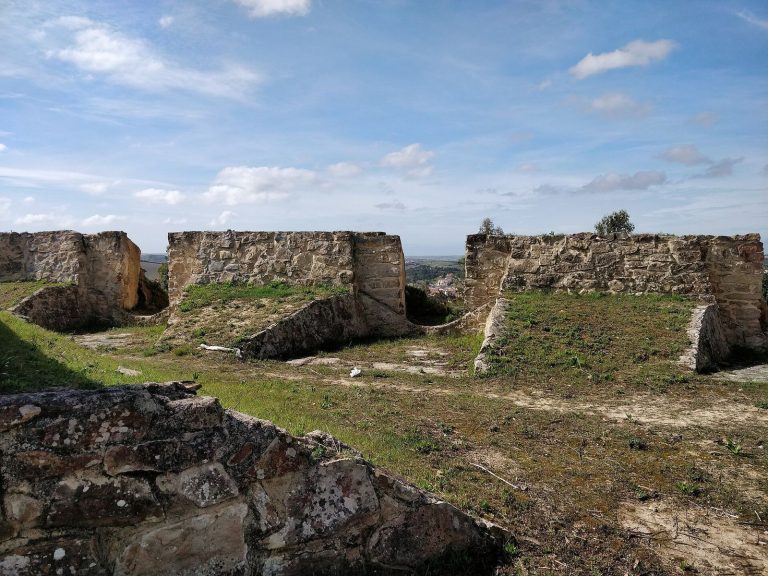
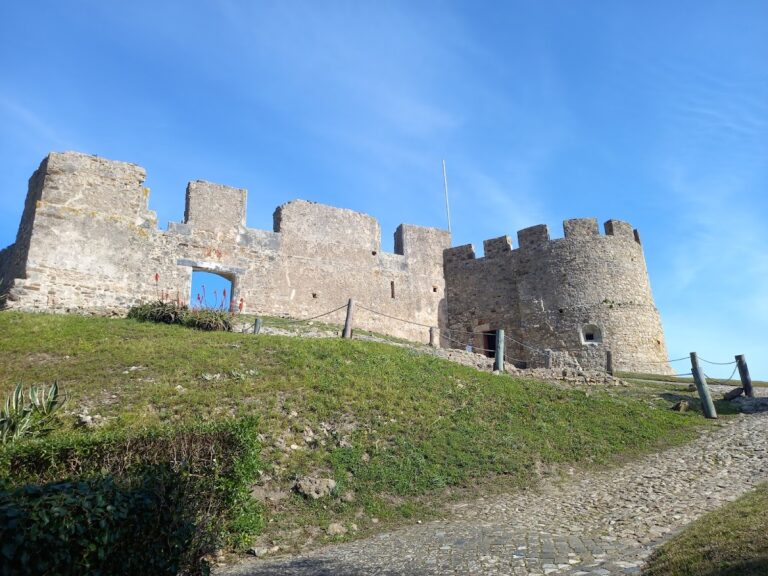
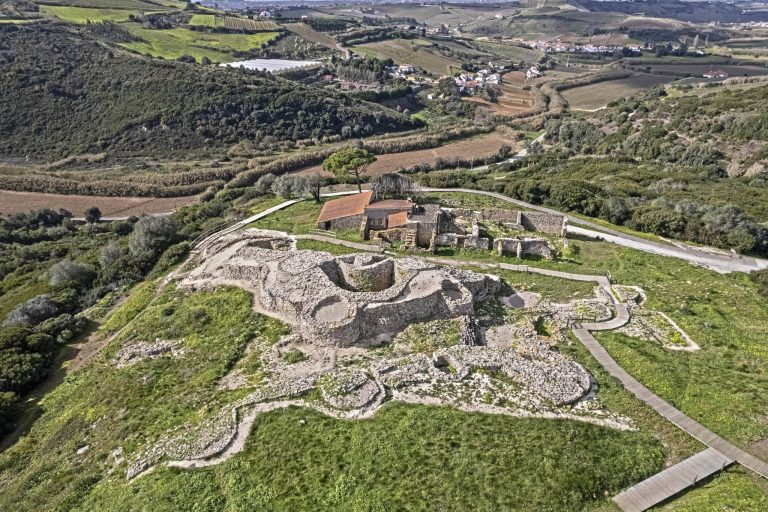
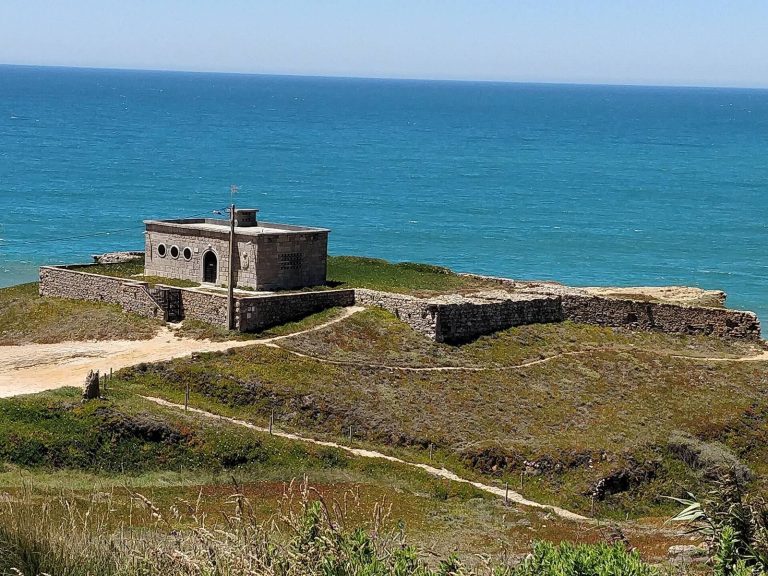
São Vicente Chapel and Fort occupies a hill and has a Y-shaped plan formed by three strongholds. They were originally separated by three removable bridges and enclosed by a perimeter wall approximately 1,500 metres long. The strongholds were numbered 20, 21, and 22 within the system used for the defensive installations of the Lines of Torres Vedras.
Fortification Layout and Defences
The fort contained 39 cannon and accommodated a garrison of 2,200 men, with space for up to 4,000 when necessary. A signals post formed part of the installation. Its defensive arrangement worked with the existing Castle of Torres Vedras, which stood a short distance away as part of the same line and mounted eleven cannon. Together, the fort and castle defended the main road between Lisbon and Coimbra, which passed through a narrow valley between their two hills.
Saint Vincent Chapel
The small chapel dedicated to Saint Vincent survives as part of the fortification’s design. Its incorporation into the military works reflects the fort’s construction over an earlier twelfth-century religious site.