Castle of Fourques: A Historic Wine Estate in France


Site at a Glance
- Rating
- 4.7
- Popularity
- Low
- Country
- France
- Primary era
- Medieval
- External website
- Open
- Eras represented
- Medieval
- Civilizations
- French
- Site type
- Domestic
- Remains
- Castle
On this page8 sections
History
The castle of Fourques is a wine estate in Juvignac, France, whose agricultural history reaches back to the eleventh century. The estate and its wine-growing land extend across Juvignac, Lavérune, Pignan, and Saint-Georges-d’Orques, covering 50 hectares. Its development reflects the continuing transformation of a productive rural property into a residence and family-run wine estate.
Medieval and Early Modern Estate
Viticulture was established at the site by the eleventh century. In the twelfth century, the property was known as Mas de Carascaude, with mas meaning a traditional rural estate or farmstead in southern France. During the seventeenth and eighteenth centuries, it was called the Carescauses farmstead and later the Carescauses castle. These names accompanied the conversion of part of the agricultural buildings into a country residence for the owners.
In 1891, the estate took the name Fourques. The name came from Philippe Monié, also known as Philippe de Moynier, Baron of Fourques, who died in 1737. A baron was a hereditary rank of the French nobility, and the title linked the estate’s later name with an earlier noble proprietor.
The Bertrand Wine Estate
Adelys Bertrand, a Protestant owner from the Cévennes who operated a silk-spinning business, acquired vineyard land in Pignan in 1850. He had concluded that the silkworm industry was declining, while wine consumption was increasing. His wine received a silver medal at the 1889 Paris Universal Exhibition, where Hubert Desmarest represented him.
In 1919, Bertrand gave the castle of Fourques to his daughter Jeanne. She managed the estate’s finances before transferring it to her only daughter, Rosyne, the mother of the present owner, Lise Fons-Vincent. After a family succession followed the collapse of Lise Fons-Vincent’s grandfather in the vineyard in 1985, Lise renamed the estate “Au bonheur des dames depuis 1919.”
Family Continuity and Wine Production
Lise Fons-Vincent, the fifth generation of a wine-growing family, developed the estate for about twenty years. During this period, she organized wine tastings, visits, and themed evenings. The property now continues to accommodate a wine estate, preserving the agricultural purpose that has shaped its history since the medieval period.
A railway line from Montpellier to Rabieux was installed immediately beside the castle during this period and carried wine shipments toward Paris. Barrels were marked to prevent fraudulent exchanges. An interior plaque bearing Adelys Bertrand’s name and his ownership of the castle by Saint-Georges-d’Orques, in Hérault, also served in the late nineteenth century as a stencil for marking the barrels.
Remains
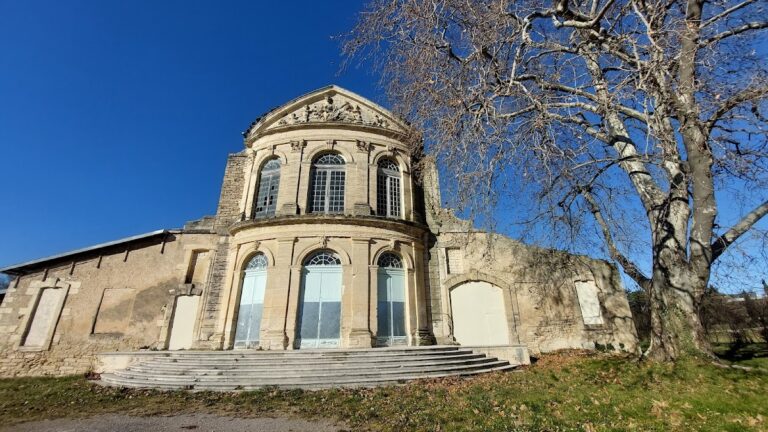
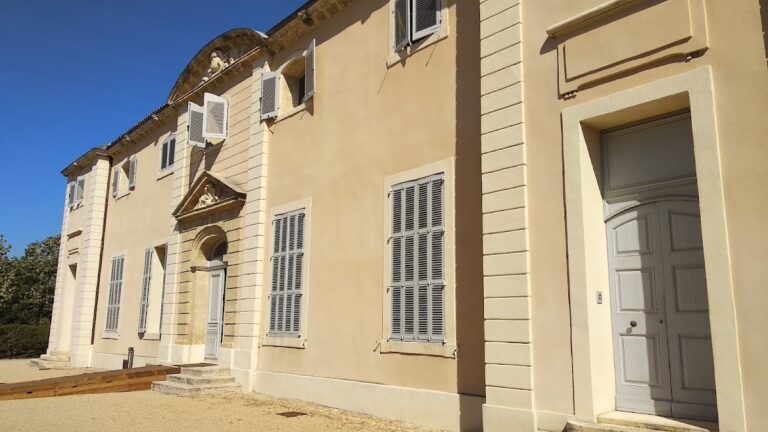
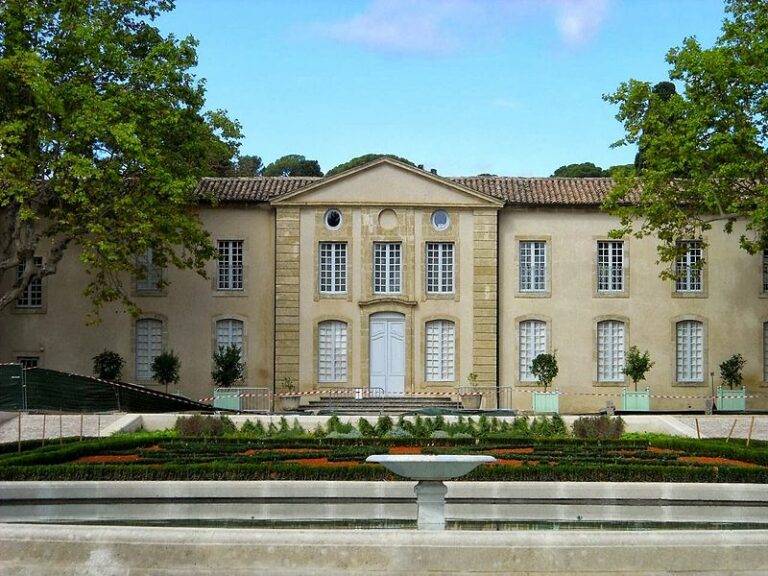
The physical estate combines a fifteenth-century agricultural farmstead, later restored after a fire, with a rectangular two-level seigneurial residence associated with the Marquis of Fourques. A marquis was a hereditary rank of the French nobility. The buildings retain the connection between agricultural production, wine storage and the residential use that developed at the property.
Farmstead and Residence
Former Agricultural Farmstead
The former agricultural farmstead was built in the fifteenth century and restored in the eighteenth century after a fire. Its history reflects the earlier productive function of the property. Part of the farmstead was later converted into a country residence, a change that accompanied the estate’s identification as the Carescauses castle in the seventeenth and eighteenth centuries.
Seigneurial Residence
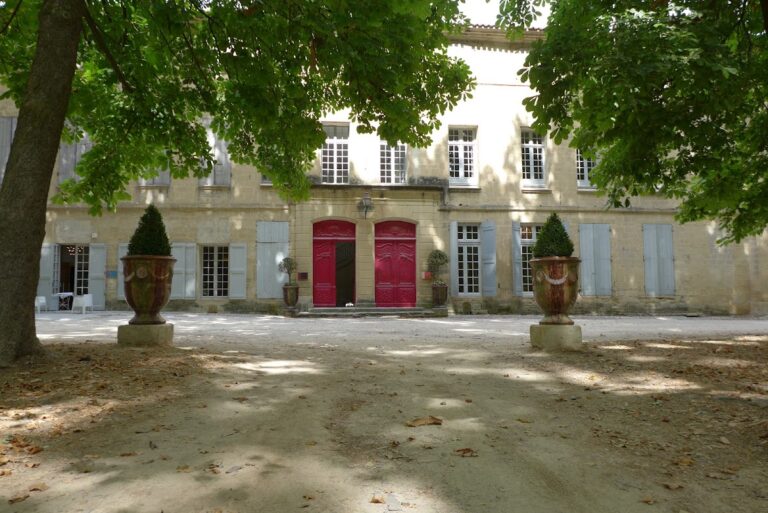
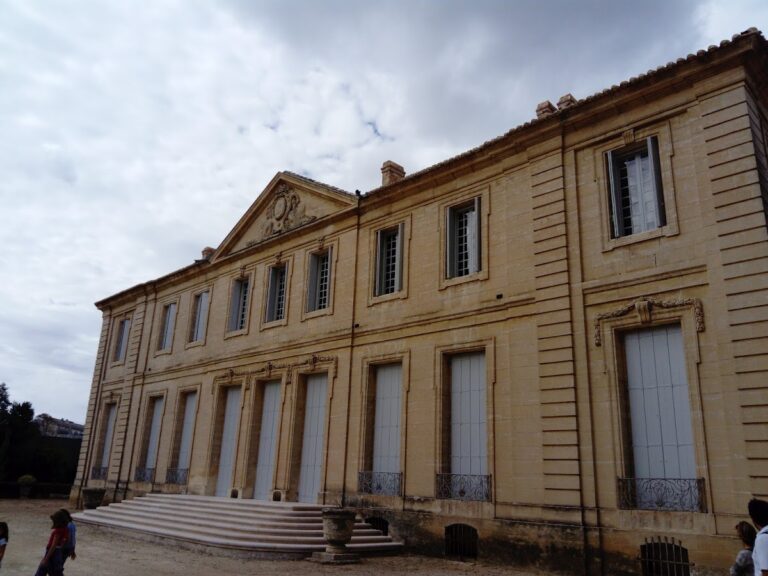
The residence associated with the Marquis of Fourques is a rectangular main building with two levels. Its roof area is given as 10,000 square metres. Inside, a plaque names Adelys Bertrand as owner of the castle of Fourques by Saint-Georges-d’Orques, Hérault. In the late nineteenth century, the inscription provided the wording used to stencil wine barrels shipped by railway toward Paris.
Nearby sites