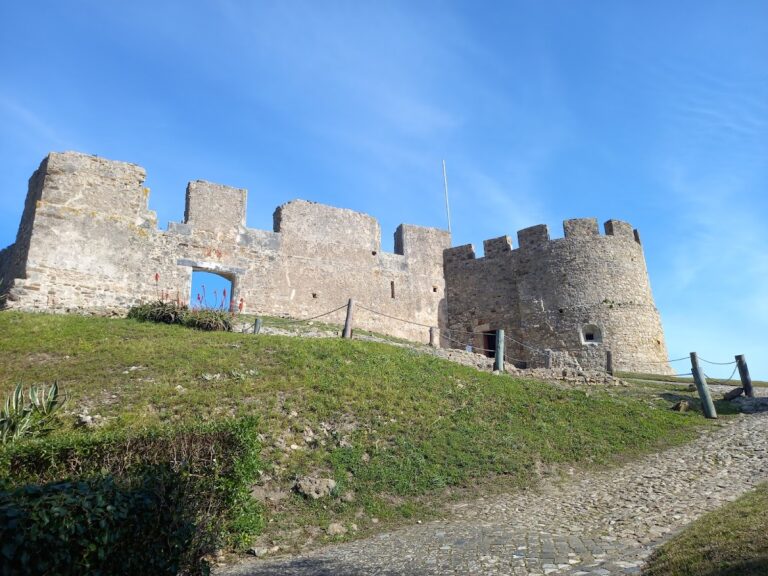
Fort Santa Susana: A Portuguese Coastal Fortification


Site at a Glance
- Rating
- 4.5
- Popularity
- Low
- Country
- Portugal
- Primary era
- Early Modern
- External website
- Open
- Eras represented
- Early Modern
- Civilizations
- Portuguese
- Site type
- Military
- Remains
- Fort
On this page5 sections
History
Fort Santa Susana, also known as Fort São Lourenço, is a Portuguese coastal fortification in Santo Isidoro, Portugal, built between 1640 and 1656 during the Portuguese Restoration War. This conflict followed Portugal’s recovery of independence from the Spanish Habsburg monarchy after 1640. The fort formed part of a wider coastal-defense system intended to guard against Spanish invasion and pirate attacks.
Restoration War Defenses
Construction followed instructions from the Council of War established by King John IV, the monarch who inaugurated the Braganza dynasty in 1640 and organized coastal defenses during the conflict. António Luís de Meneses, 1st Marquis of Marialva and 3rd Count of Cantanhede, supervised the work.
Rebuilding and the Peninsular War
Fort Santa Susana was rebuilt in 1809 and 1810. During the Peninsular War, the Iberian phase of the wider Napoleonic Wars fought from 1807 to 1814, it became part of the second line of the Lines of Torres Vedras. This British-Portuguese defensive system, constructed north of Lisbon in 1809 and 1810 under the orders of the Duke of Wellington, was designed to block a French advance on the capital.
Later Institutional Use
The fort continued to serve as a barracks until 1948, when it was transferred to the Guarda Fiscal, a Portuguese state force responsible mainly for customs enforcement and the control of borders and coastal areas.
Remains
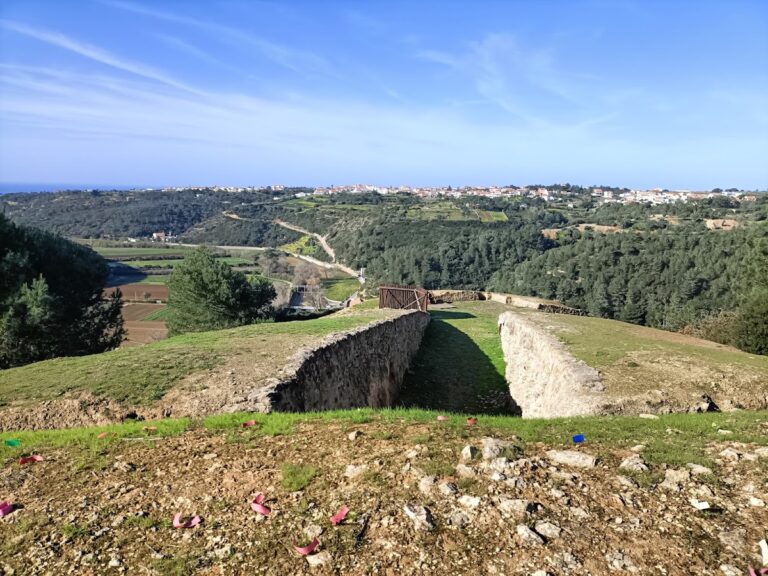
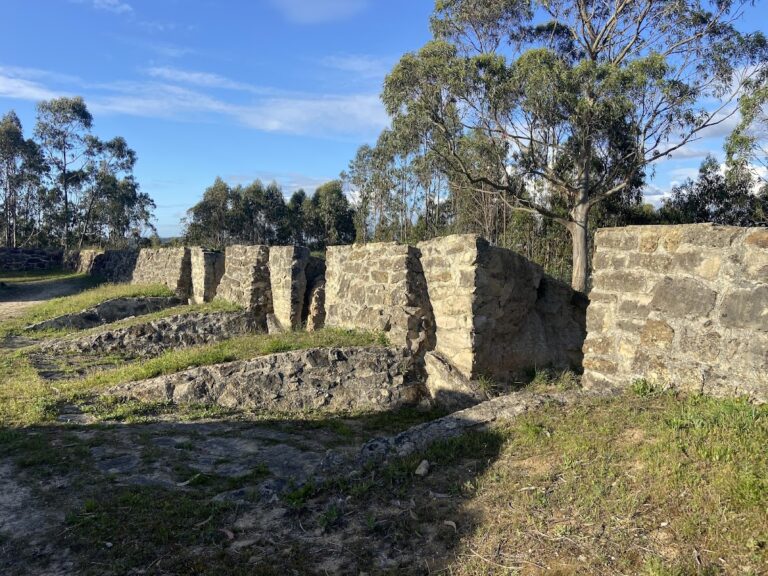
Fort Santa Susana stands as a coastal fortification south of São Lourenço Beach, in the parish of Santo Isidoro, within the municipality of Mafra. Its current condition is described as good, although coastal erosion threatens the site. The surviving fortification is presented through its exterior, which is open to the public.
Nearby sites