Manisa Castle: Byzantine and Turkish Fortifications in Türkiye


Site at a Glance
- Rating
- 4.1
- Popularity
- Low
- Country
- Turkey
- Primary era
- Medieval
- Eras represented
- Medieval
- Civilizations
- Byzantine, Saruhanid
- Site type
- Military
- Remains
- Castle
On this page6 sections
History
Manisa Castle is a historic fortress in Manisa, Türkiye, whose origins are thought to reach back to the Hellenistic Period, the era after Alexander the Great when Greek culture spread across much of the eastern Mediterranean and western Asia. Its original construction date is unknown, and the castle is estimated to have suffered damage in the earthquake of AD 17.
Byzantine Fortifications
The inner castle, known as Sandık Kale, was built in 1222 during the reign of John III, the Byzantine emperor who ruled from 1222 to 1254. The fortifications were strengthened during the fourteenth century, adding to the defensive development of the site.
Saruhanid and Ottoman Periods
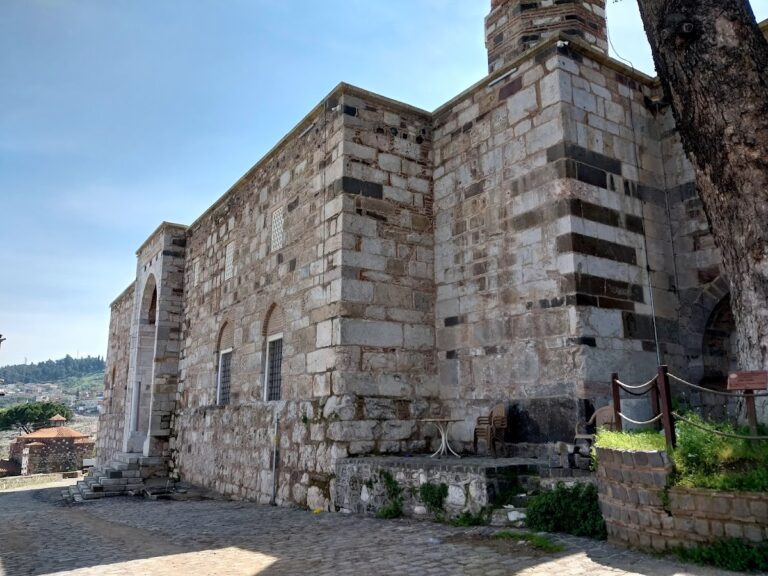
In 1313, the Saruhanid principality, a medieval Turkish polity that ruled part of western Anatolia, established control over Manisa. During its rule, the Fetih Mosque was built within the castle fortifications. The first repair of the castle during the Turkish period took place in 1553.
In 1657, soldiers stationed at Manisa Castle were transferred to Sancakburnu Castle, which had been built in Izmir. This change marked a later adjustment in the military use of the fortress.
Remains
Inner Castle
Manisa Castle is arranged in two main sections, an inner castle and an outer castle. The inner fortress has a pentagonal plan, which explains the name Sandık Kale. Its defenses included seven towers and a single gate. The Fetih Mosque was built within the wider fortifications during the Saruhanid period.
Outer Castle
The outer castle formed an extensive defensive circuit measuring 4.5 kilometers. It contained thirteen towers and seven gates. A large part of the castle walls has been destroyed, leaving the surviving remains as fragments of a formerly extensive fortified complex.