Hatuniye Mosque: An Ottoman Religious and Charitable Complex in Manisa


Site at a Glance
- Rating
- 4.8
- Popularity
- Low
- Country
- Turkey
- Primary era
- Medieval
- Eras represented
- Medieval
- Civilizations
- Ottoman
- Site type
- Religious
- Remains
- Mosque
History
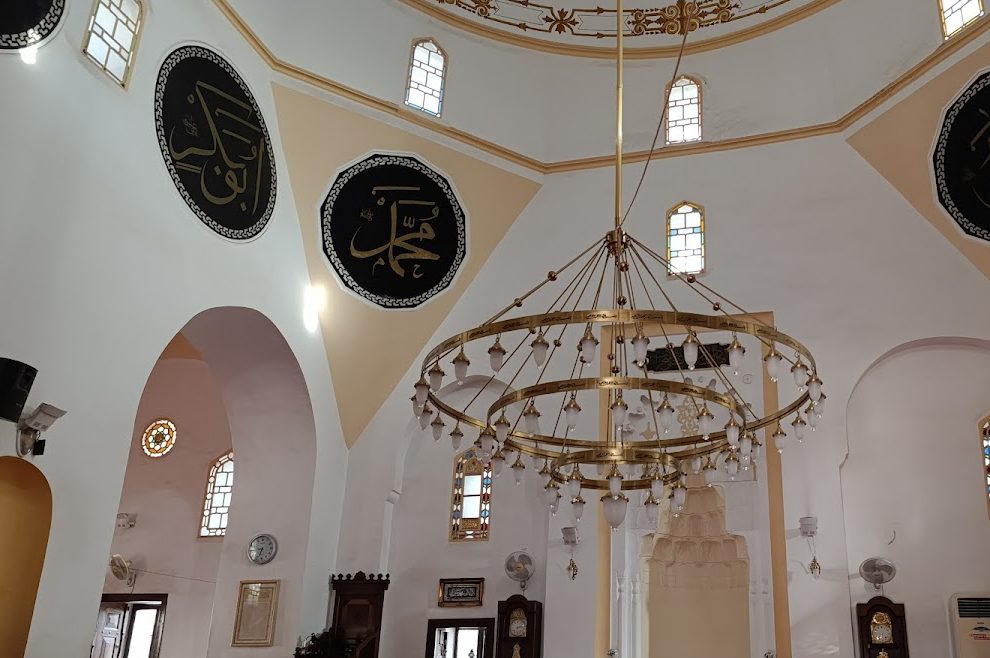
Hatuniye Mosque is an Ottoman-period monument in Manisa, Turkey, built between 1490 and 1491 as part of a mosque-centered religious and charitable complex. Prince Şehinşah, an Ottoman prince, commissioned the complex in honor of his mother, Hüsnüşah Hatun, the wife of Sultan Bayezid II, who ruled from 1481 to 1512.
The original complex included the mosque, a madrasa, an Islamic educational institution, and an imaret, or charitable soup kitchen. An earthquake in 1611 largely destroyed the mosque, which was subsequently rebuilt and repaired at various times during the seventeenth century.
The madrasa and soup-kitchen sections were later destroyed by fires during the Turkish War of Independence. The mosque is the surviving part of the complex and remains a historical example of Ottoman religious architecture in Manisa.