Kruikenburg Castle: A Medieval Water Castle in Ternat, Belgium


Site at a Glance
- Rating
- 4.4
- Popularity
- Low
- Country
- Belgium
- Primary era
- Medieval
- External website
- Open
- Eras represented
- Medieval, Early Modern, Modern
- Civilizations
- Duchy of Brabant, Holy Roman Empire
- Site type
- Domestic
- Remains
- Castle
On this page13 sections
History
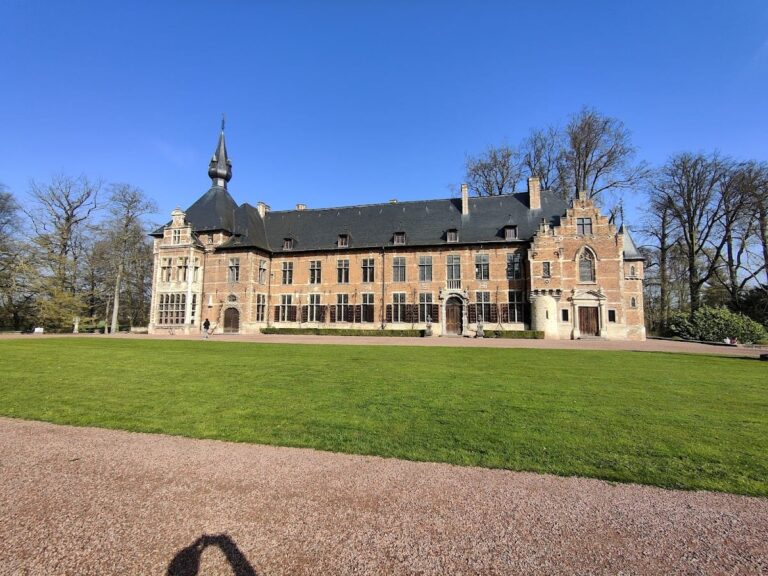
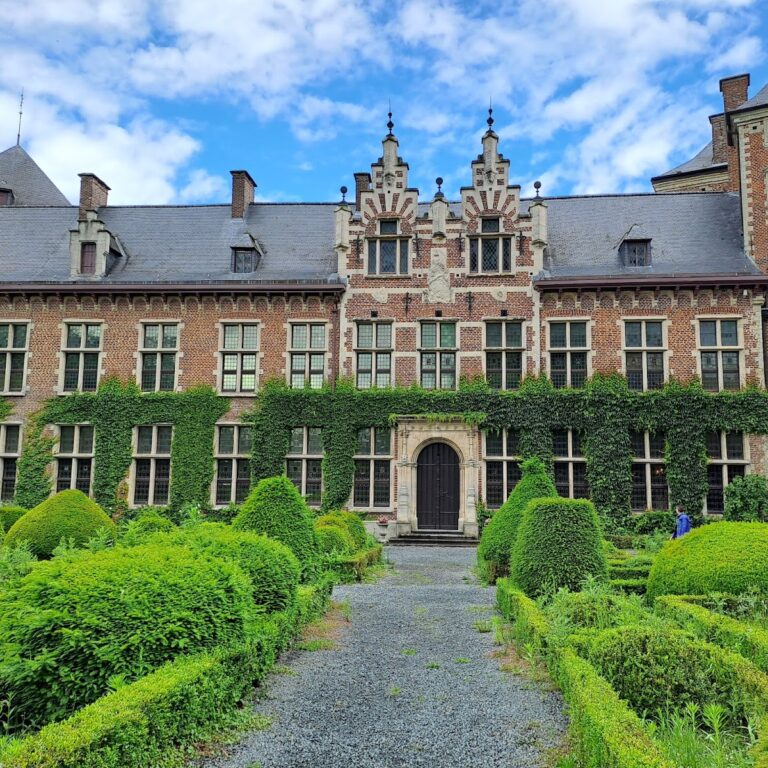
Kruikenburg Castle is a water castle in Ternat, Belgium, west of Brussels, in the historic region of Brabant. It originated as a watchtower built at the beginning of the twelfth century, when the lords of Wezemael sought control of forests and land in Wambeek, possibly at the request of the duke of Leuven. Its position near the border of the County of Flanders gave the fortification strategic importance for the Duchy of Brabant.
Lordship and early fortification
Kruikenburg was initially a lordship comprising present-day Ternat, Wambeek, and Sint-Katharina-Lombeek. The Wezemael watchtower was built in northern Wambeek, at Ternat, to the detriment of Nivelles Abbey, whose abbess held feudal authority connected with the lordship. Smaller fortifications may also have existed at Steenvoorde and Sint-Katharina-Lombeek, although the extent of this surrounding defensive system remains uncertain.
Everard t’Serclaes and the moated residence
In the fourteenth century, Kruikenburg was held by Everard t’Serclaes, a Brussels knight and alderman. In 1356, Brussels was occupied by Count Louis of Male of Flanders, and t’Serclaes expelled the Flemish garrison. This action is regarded by some historians as helping Brabant avoid Flemish annexation. After buying the lordship, t’Serclaes transformed the fortification into a moated residence.
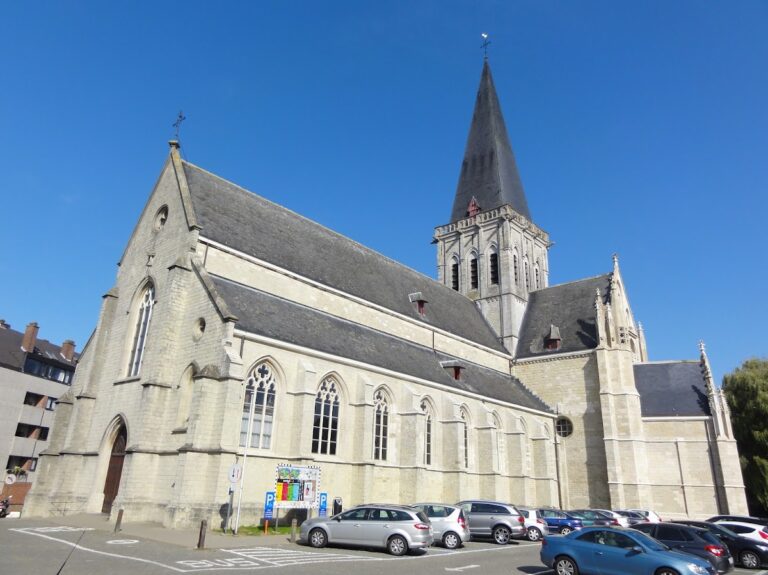
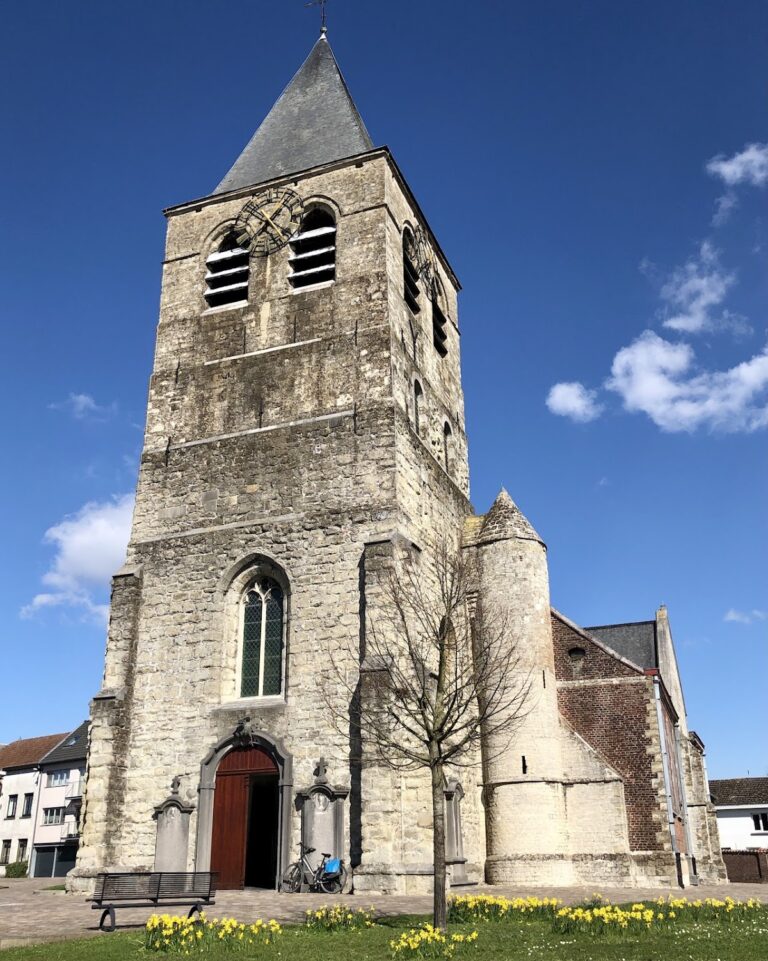
A later conflict with Sweder of Abcoude, lord of Gaasbeek and a protégé of Duchess Joanna of Brabant, ended with t’Serclaes’s killing. Tradition holds that he was buried in the church standing in front of the castle.
The county and later owners
The de Fourneau family occupied Kruikenburg from the sixteenth through the nineteenth century. Under their rule, the lordship was raised to a county in 1662. The family enlarged the castle and converted it into a residential castle during the eighteenth century, with a renovation recorded in 1714. French rule later abolished the county, but the castle itself survived.
The de Lichtervelde family lived at Kruikenburg in the early twentieth century. The property is now owned by the Brothers of the Christian Schools, a Catholic teaching order, and part of the De Brug primary school is housed within it. Kruikenburg is a protected monument. The 1976 merger of Ternat, Sint-Katharina-Lombeek, and Wambeek revived the former territorial association of the county under the name Ternat. The municipality’s heraldry includes the de Fourneau arms and refers to Saint Gertrude, while also recalling the lordship’s feudal relationship with Nivelles Abbey and the dukes of Brabant.
Remains
Castle plan and defensive features
Kruikenburg is arranged as a U-shaped water castle, with three wings enclosing an inner courtyard. Cylindrical towers occupy the corners, and a square entrance tower marks the main access. The castle was once completely surrounded by water, but the surrounding area was later drained and now includes a parking area and a playground. Hooks beside the entrance gate preserve the position of the former drawbridge, which once controlled passage across the water surrounding the fortified residence.
Stonework and architectural alterations
The medieval defensive character was softened as the building became a residence. Its original narrow windows were enlarged, and the outer walls were renewed. Parts of the earlier walls remain visible from inside the castle. The inner courtyard contains several round arches associated with Romanesque architecture, a medieval style using heavy masonry and rounded arches.
Towers and the castle name
Stone jars and weather vanes
The name Kruikenburg refers to stone jars once placed on several castle towers. Carved from rough stone and topped with weather vanes, they gave the castle its distinctive name. A new jar was added in recent years, and a gilded jar with a weather vane now stands on the tower above the entrance as a reference to the earlier decorations.
Traditions about the jars
Several traditions attempt to explain the jars. One says that inhabitants of Ternat carried them into the castle when they sought refuge there, since they did not know how long they would stay. Other stories connect the word kruik, meaning jar, with kriek and suggest that a cherry orchard once surrounded the fortress. These explanations remain unproven, and one tradition also places a jar on the southern tower.
Later internal features and surrounding buildings
Passage and ice cellar
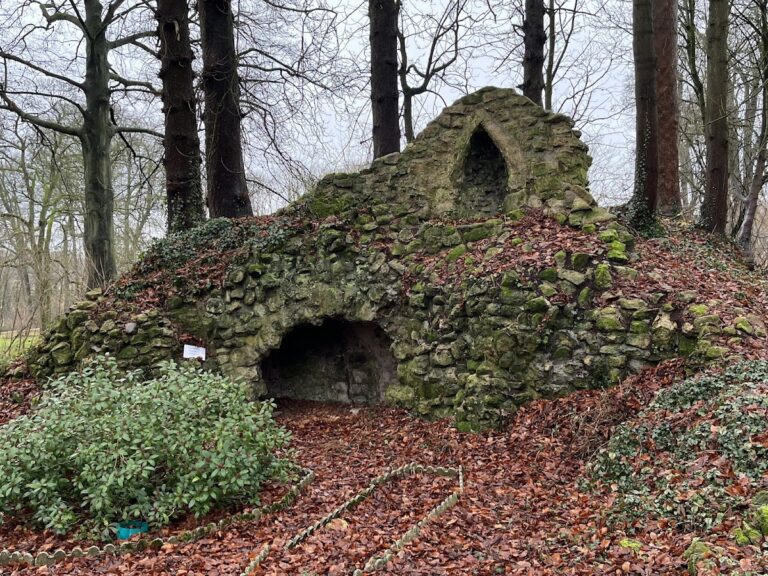
When the fortification was converted into a residence, an ice cellar was built at the junction of Sterrelaan and Statiestraat. It has since been removed. Everard t’Serclaes probably also commissioned a concealed passage linking the castle with Saint Gertrude’s Church. The passage is now closed and serves as a wine cellar.
School additions and access
A school was built beside the castle toward the end of the twentieth century, taking much of the surrounding natural landscape. Further school structures, including a toilet and storage room, were added in a style different from that of the historic castle. A stairwell was later installed because the old building had no permanent stairs to the second floor. Access had previously been provided by a ladder through an opening in the ceiling.