Mayerling Castle: From Hunting Lodge to Carmelite Convent


Site at a Glance
- Rating
- 4.5
- Popularity
- Low
- Country
- Austria
- Primary era
- Modern
- External website
- Open
- Eras represented
- Early Modern, Modern
- Civilizations
- Habsburg
- Site type
- Religious
- Remains
- Monastery
On this page9 sections
History
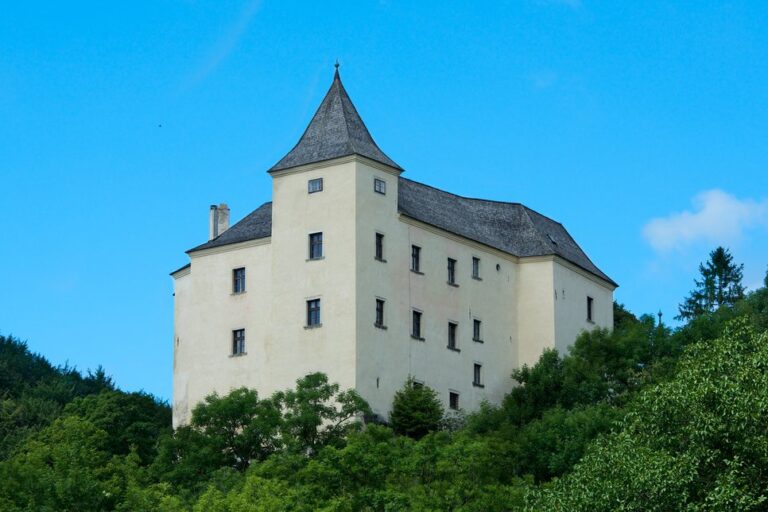
Mayerling Castle in Austria was a Renaissance hunting lodge near Alland until 1889, when it became the Carmelite convent of St. Joseph. Its association with the death of Crown Prince Rudolf, heir to the Austro-Hungarian throne and only son of Emperor Franz Joseph I and Empress Elisabeth, made Mayerling an enduring part of Habsburg historical memory.
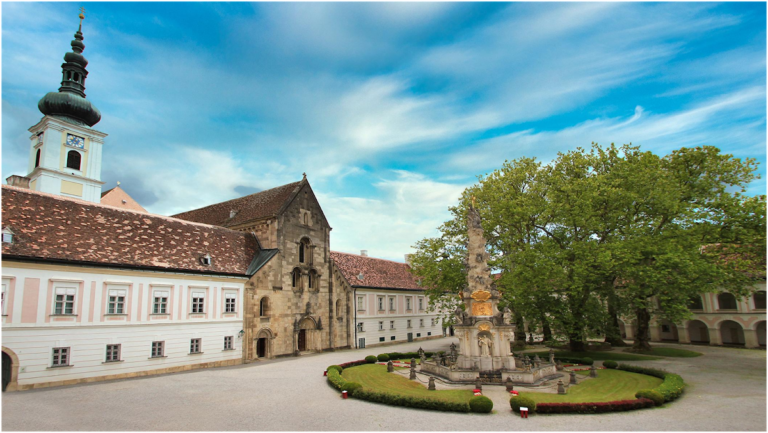
From Abbey Property to Royal Hunting Lodge
Heiligenkreuz Abbey, a Cistercian abbey in Lower Austria, owned the Mayerling property from 1550. Reinhard August, Count of Leiningen-Westerburg-Altleiningen, later acquired it and sold it to Crown Prince Rudolf in 1886. Rudolf converted the property into a hunting lodge.
On the night of 30 January 1889, Rudolf died at Mayerling with his companion, the 17-year-old Baroness Mary Vetsera. The circumstances were never fully resolved. The Viennese court destroyed key documents and required witnesses to remain silent, while the prevailing interpretation holds that Rudolf, who suffered from depression, first shot Vetsera and then killed himself with a shot to the head.
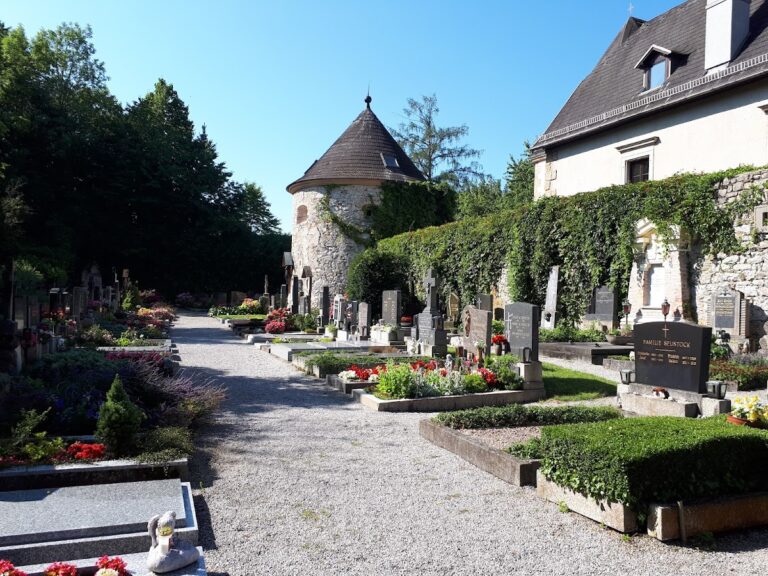
Rudolf wished to be buried with Vetsera in the cemetery at nearby Alland. Instead, he was placed in Vienna’s Imperial Crypt, the Habsburg burial crypt, beside his parents. Vetsera was buried at Heiligenkreuz.
Conversion into a Carmelite Convent
At the direction of Emperor Franz Joseph I, the hunting lodge was converted into the Carmelite convent of St. Joseph in 1889. The architects Heinrich Schemfil and Josef Schmalzhofer oversaw the transformation, which introduced a Neo-Gothic church, a style that revived medieval Gothic forms during the nineteenth century. Franz Joseph established a foundation of 140,000 gulden for the conversion and maintenance of the convent on the condition that the nuns pray for Rudolf’s soul.
The Discalced Carmelites, the reformed contemplative branch of the Carmelite order, received the convent on 15 December 1889. The church was dedicated on All Saints’ Day to St. Joseph, patron of the dying, and Our Lady of Mount Carmel. On the following day, All Souls’ Day, a Christian observance for commemorating the departed, a requiem, or memorial Mass for the dead, was held for Rudolf. The new community was founded by sisters from the Carmelite convent at Baumgarten near Vienna.
War, Return, and Conservation
In 1940, the National Socialists expelled the Carmelites with one day’s notice and dissolved the convent. The buildings were first used by the National Socialists and later by the Red Cross. Fighting in 1945 heavily damaged the complex, but sisters from the convents at Baumgarten and Graz returned that year, resumed Carmelite life, and rebuilt the convent.
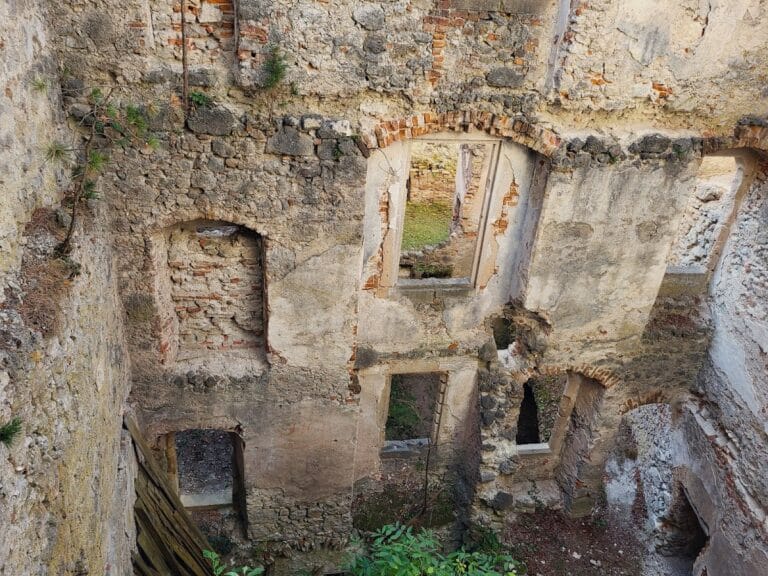
The convent remains occupied by ten Carmelite nuns. Damp foundations, mold, loose masonry, and falling plaster later threatened parts of the buildings. With support from the Cistercians of Heiligenkreuz Abbey, the convent carried out the Save the Mayerling Carmel project from April 2014 to 2017. Mayerling lies within the Archdiocese of Vienna and is treated as a protected cultural monument.
Remains
The surviving complex combines elements of the former Renaissance hunting lodge with the Neo-Gothic church and the spaces added for Carmelite enclosure. The convent includes the church, a side chapel, a choir for the nuns, a sacristy, parlours for communication, a dormitory with cells, and an enclosure wall with gates. Reconstructed buildings and conserved interiors now coexist with restored parts of the former lodge.
Church and Enclosure
Neo-Gothic Church
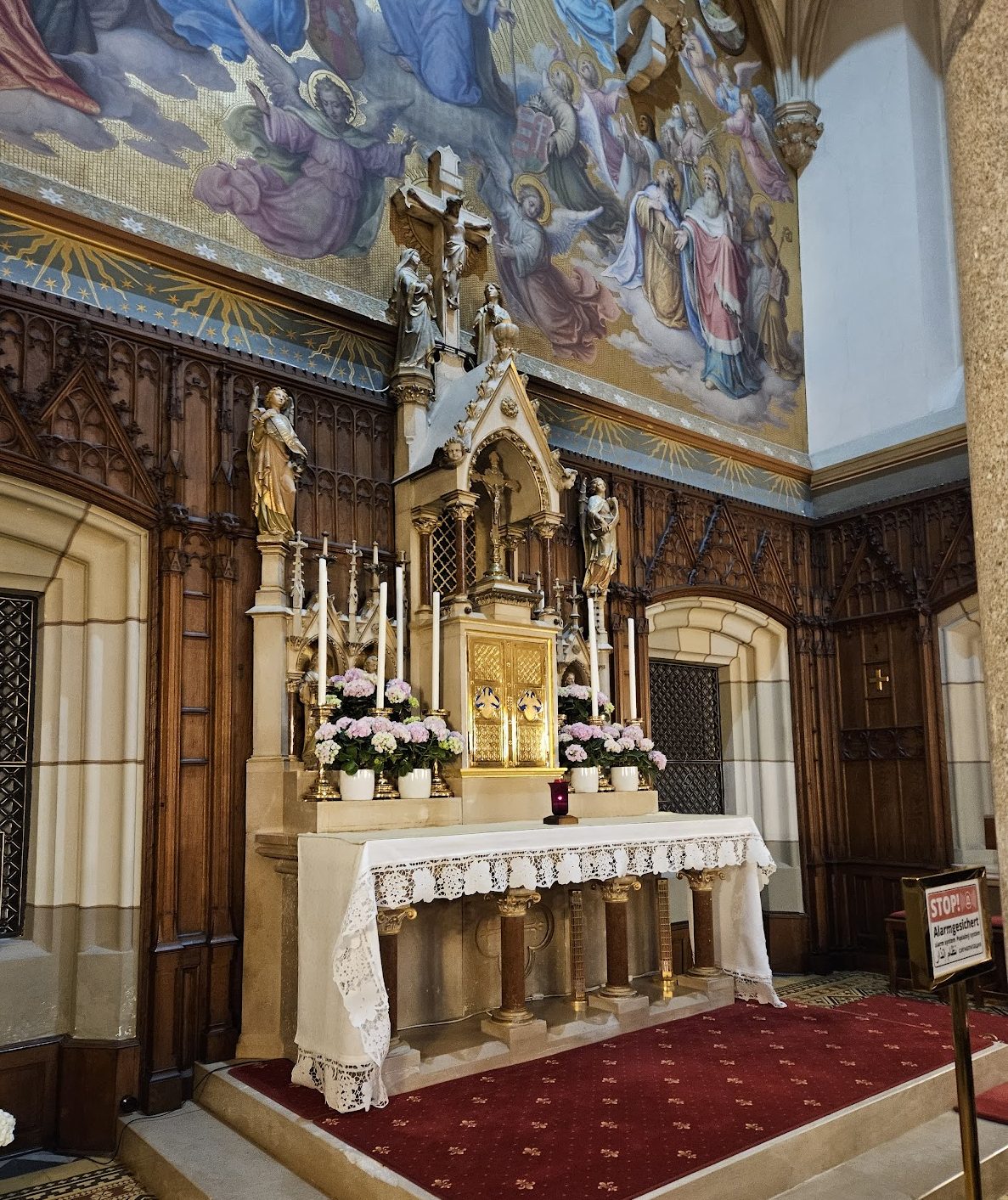
The church contains a side chapel dedicated to St. Joseph and a choir reserved for the nuns. Its high altar was deliberately placed over the location identified as Crown Prince Rudolf’s deathbed, in the room and beside the bed where he died. Above the altar, a mural shows St. Joseph kneeling on a bank of clouds among angels and saints. Coats of arms and crowns represent the Habsburg monarchy as St. Joseph commends it to the Holy Trinity.
Carmelite Enclosure
The conversion created the practical spaces of the convent, including a sacristy, a gate and enclosure area with parlours for communication, a dormitory containing cells, and an enclosure wall with gates. These elements define the restricted monastic area intended for the resident nuns.
Hunting Lodge and Museum Rooms
The complex also houses the museum exhibition of the Old Mayerling Hunting Lodge. It presents parts of the former lodge and associated nineteenth-century interiors, including several adjoining rooms containing nineteenth-century objects. A restored tea pavilion forms part of the display and was covered with wooden shingles in keeping with its original appearance. Together with the side rooms and the visitor center opened in 2014, these surviving components convey the former hunting lodge within the later convent complex.