Château de Chanac: A Medieval Feudal Castle in France


Site at a Glance
- Rating
- 4.3
- Popularity
- Very Low
- Country
- France
- Primary era
- Medieval
- Eras represented
- Medieval
- Civilizations
- Crown of Aragon, French
- Site type
- Military
- Remains
- Castle
On this page8 sections
History
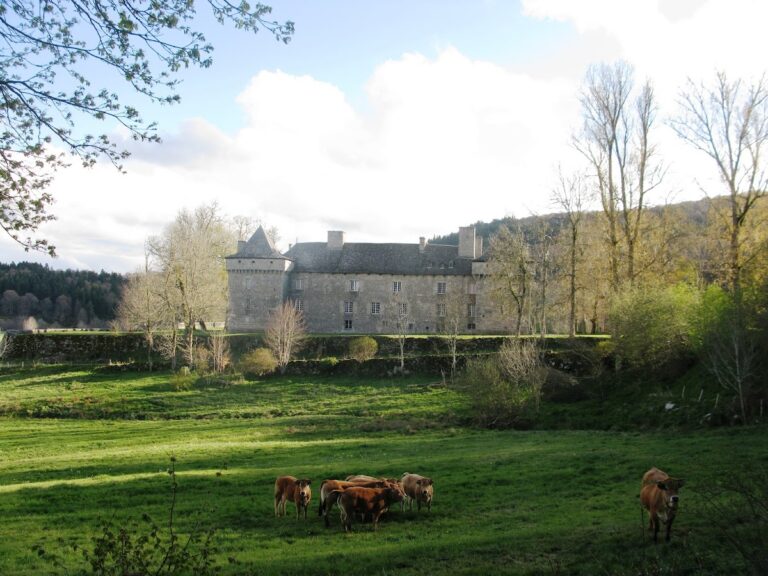
Château de Chanac is a medieval feudal castle in France, situated at Chanac in the historic Gévaudan region. The Crown of Aragon apparently built a castle on the promontory around 1194, in a construction traditionally associated with Bérenger IV, the twelfth-century count of Barcelona linked to the dynastic formation of the Crown of Aragon. The fortress occupied a position beside the Lot and helped control access to the Causse de Sauveterre while overlooking the Lot valley.
Aragonese and episcopal rule
In 1220, during the Albigensian Crusade, a thirteenth-century campaign against Cathar communities and their supporters in southern France, Guillaume IV de Peyre, bishop of Mende, allegedly took possession of Chanac. He is traditionally credited with having the surviving donjon built. A donjon was the principal fortified tower of a medieval castle. The bishops of Mende then held Château de Chanac for many centuries and used it as a summer residence.
Wartime occupation and rebuilding
During the Hundred Years’ War, the prolonged conflict between the English and French crowns from the fourteenth to the fifteenth century, Château de Chanac was one of the few castles in Gévaudan not captured by the English or by routier bands, armed mercenary groups active during wartime. Its position did not prevent later changes of control. During the sixteenth-century Wars of Religion, the conflicts between Catholics and Protestants in France, Catholics and Huguenots successively held the fortress. Mathieu Merle possessed it from 1580 to 1581.
During the same period, the bishops acted through Jean de Salas to build the clock tower, regarded as one of the oldest known examples of its kind in Gévaudan. During the period of the Catholic League, Philibert d’Apchier, Baron of Apcher, held the castle in 1591 before it returned to the royalists.
On 24 August 1696, a major fire destroyed the castle and houses in Chanac. François-Placide de Baudry de Piencourt, then bishop of Mende, repaired the fortress, improved its comfort, and arranged its icehouse. An icehouse was a storage structure used to preserve ice for later cooling.
Revolutionary destruction and protection
Jean-Arnaud de Castellane became the castle’s bishop-owner in 1767. In 1790, during the French Revolution, he took refuge at Château de Chanac and remained there for two years before attempting to flee. He was captured and murdered before leaving France, and revolutionaries retained the castle.
Counter-revolutionaries from Gévaudan, led by Marc Antoine Charrier, seized the castle on 30 May 1793. Revolutionary forces recaptured it on 2 June and set it on fire during the night. Château de Chanac was subsequently abandoned. Its historic importance is reflected in its listing as a French historic monument since 19 March 1993, a status applied under heritage legislation to sites valued for their architectural, archaeological, or historical importance.
Remains
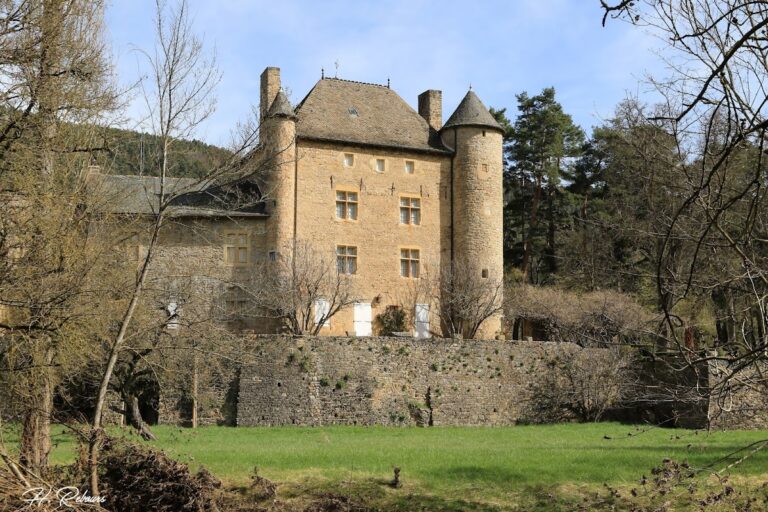
Château de Chanac occupies a promontory beside the Lot. The surviving layout is defined by the donjon, the clock tower, and fragments of the surrounding fortifications. The remains preserve the relationship between the principal fortified tower and the defensive perimeter, while the revolutionary fire left the castle in a fragmentary condition.
Donjon
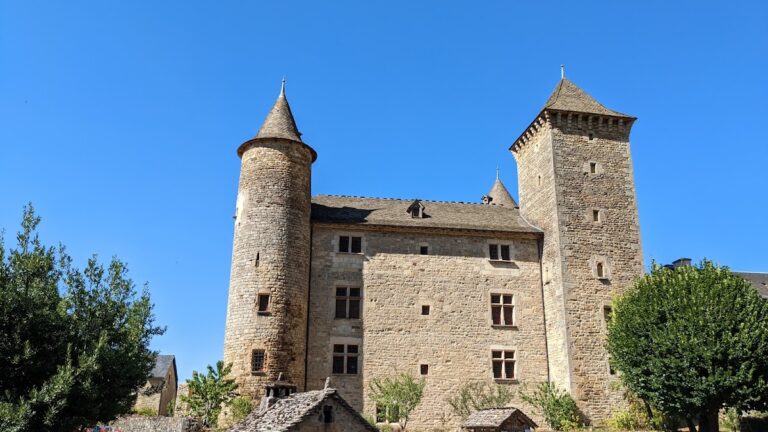
The donjon is a stone-built tower on a square plan, with one room on each floor. A moat surrounds it and connects with the clock tower, making the tower part of the surviving defensive arrangement. The donjon remained standing after the revolutionary fire and is one of the principal elements of the castle that survives today.
Clock tower and fortifications
The clock tower and the surviving remnants of the fortifications were built of brick. The tower belongs to the period of the Wars of Religion, when the bishops, through Jean de Salas, added it to the fortress. Together with fragments of the ramparts, it forms the other major surviving part of the castle after the fire and subsequent abandonment.
Icehouse
The castle also included an icehouse arranged to hold blocks of ice taken from the Lot during winter. This provision allowed drinks to be kept cool in summer and formed part of the improvements made by François-Placide de Baudry de Piencourt after the fire of 1696.
Nearby sites