Castle of Salvaterra: A High-Medieval Castle-Residence in Italy
Site at a Glance
- Rating
- 3.6
- Popularity
- Very Low
- Country
- Italy
- Primary era
- Medieval
- Eras represented
- Medieval
- Civilizations
- Holy Roman Empire
- Site type
- Military
- Remains
- Castle
On this page8 sections
History
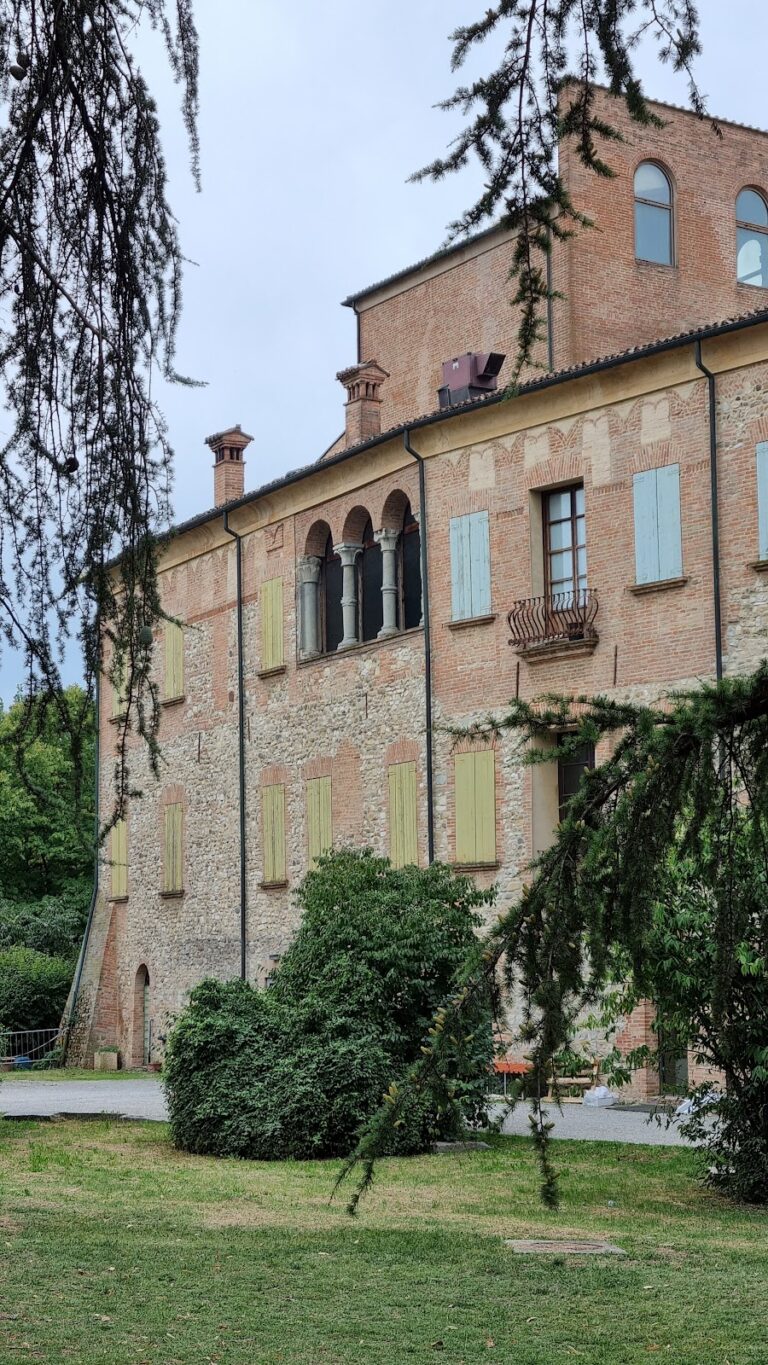
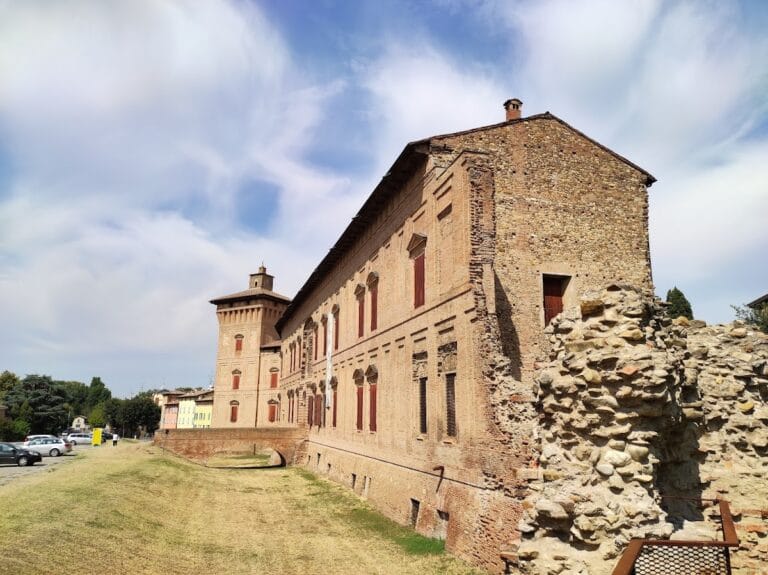
The Castle of Salvaterra is a high-medieval lowland castle in Italy, in Salvaterra, a hamlet of Casalgrande in Emilia-Romagna, dating from around the year 1000 or, more broadly, the eleventh century. Repeatedly destroyed in battles and rebuilt, it became associated with the Da Fogliano, Della Sala, Este, and Boiardo families. Its surviving form is identified as a castle-residence, combining defensive features with accommodation for its occupants.
Medieval origins and rebuilding
The castle’s earliest development belongs to the high Middle Ages. Its rebuilding history is not fully certain, although one phase is linked with 1376 and Guido da Fogliano, a medieval nobleman of the Fogliano family. Another rebuilding phase is connected with 1409, when the castle passed into the possession of the Este family, a major ruling dynasty that held territories and feudal possessions in northern Italy.
In 1209, the castle hosted Otto IV while he was travelling to Rome. Otto IV was a medieval German king and Holy Roman Emperor, and Pope Innocent III crowned him emperor in Rome on 4 October that year. From 1414 to 1444, Salvaterra was ruled by the Della Sala family. After Alberto Della Sala, its last surviving representative, died in 1444, the family’s fiefs, territories held under a lord in return for obligations or service, passed to his son-in-law Francesco da Landriano, and then to Marquis Leonello d’Este and his brother Borso.
Este and Boiardo rule
In 1449, Borso d’Este granted the entire fief to Feltrino Boiardo, Count of Scandiano. The transfer placed Salvaterra within the network of possessions controlled by important northern Italian noble families and connected the castle with the Boiardo lordship.
Early modern administration
Between 1693 and 1695, Salvaterra was required to accommodate German troops fighting in Italy alongside the Duke of Este. A document from 1698 records a dispute over the quality of bread produced by the bakers of Salvaterra and nearby Arceto, reflecting the practical obligations imposed on the local community.
In 1712, under the feudal lord Prince Foresto d’Este, Salvaterra separated from Arceto and came under Scandiano. Three years later, on 16 August 1715, Foresto d’Este acted as final arbitrator for Count Francesco Fontana and established the boundary between Salvaterra and Arceto. Salvaterra remained associated with Scandiano until 1860, when it became a hamlet of the restored municipality of Boglioni.
An estimate by Ludovico Ricci placed Salvaterra’s population at 560 during this period. Most inhabitants lived near the intersection of Via San Lorenzo and the road from Arceto to the Secchia, while other settlement consisted of farmsteads in the Cerreto area and near the boundary between Dinazzano and Villalunga. The castle has since been restored, although centuries of structural alteration did not always preserve its earlier character.
Remains
Surviving front fortifications
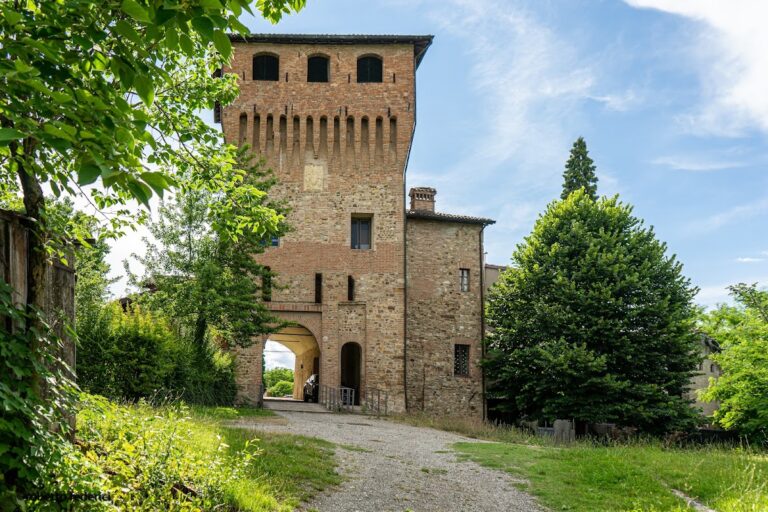
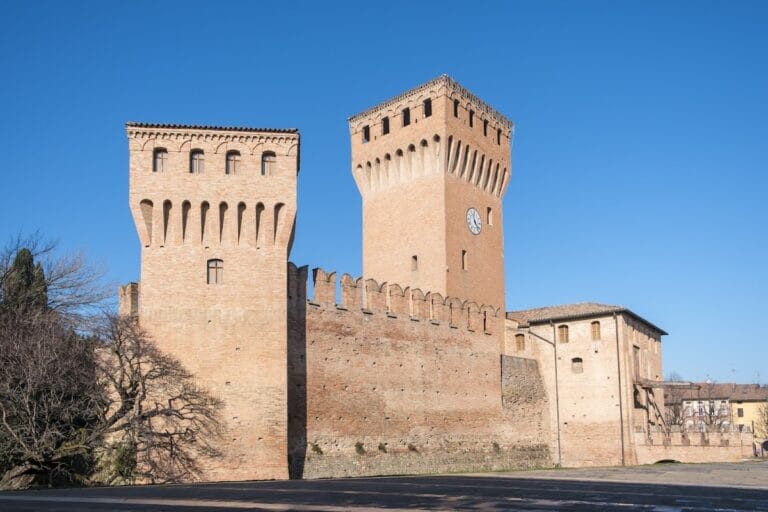
The castle is built in brick masonry, and its best-preserved area is the front section. This part retains the principal entrance arrangement and defensive elements that indicate its former fortified function. A small turret rises above the entrance portal, while a continuous row of small crenellations, regularly spaced raised sections along a defensive wall or parapet, crowns the front.
Entrance portal and turret
The entrance portal occupies the front section beneath the turret. Clearly visible slots in the turret relate to the former drawbridge, a movable bridge used to control access through a fortified entrance. These surviving details preserve evidence of the castle’s earlier system for managing entry.
Coat of arms and alleged burial place
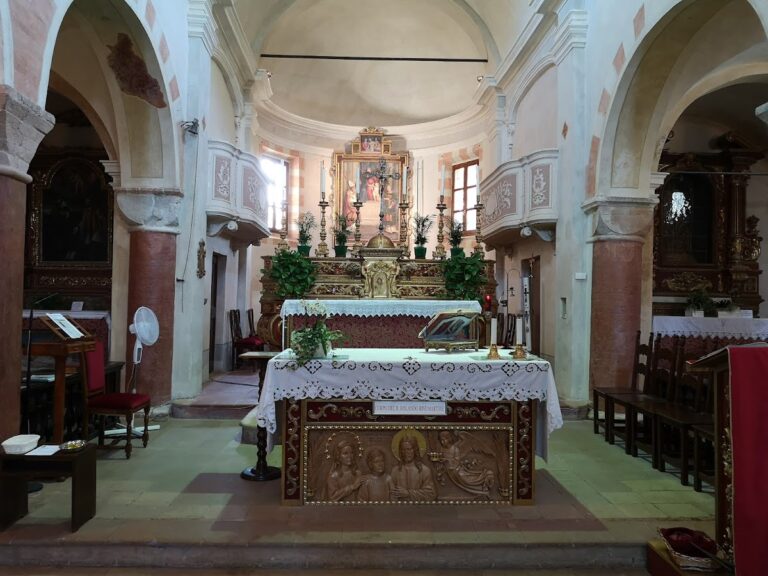
The Salvaterra coat of arms was formerly placed on the first upper floor of the turret. Old documents identify that location as the supposed burial place of Alberto Della Sala and refer to the alleged existence of his tomb. The coat of arms is now preserved inside the church, beneath the organ gallery.
Nearby sites