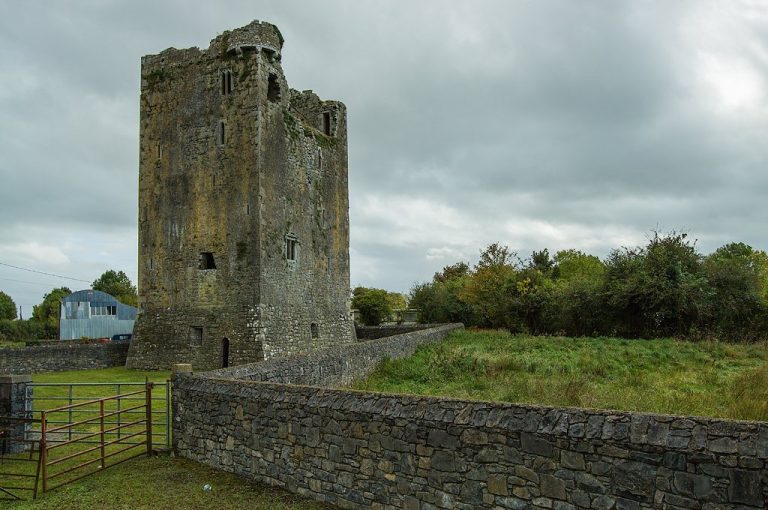
Knockgraffon Motte and Bailey: An Anglo-Norman Fortification in Ireland
Site at a Glance
- Rating
- 4.4
- Popularity
- Very Low
- Country
- Ireland
- Primary era
- Medieval
- Eras represented
- Medieval
- Civilizations
- Norman
- Site type
- Military
- Remains
- Castle
On this page5 sections
History
Knockgraffon Motte and Bailey is a medieval lowland castle site in Ireland, at New Inn in County Tipperary. Built as an Anglo-Norman fortification in 1192, it occupied a place with older associations as an inauguration site for the kings of Munster, one of Ireland’s historic provincial kingdoms.
Early traditions and the O’Sullivan clan
Knockgraffon was associated with the inauguration of Munster’s kings before that ceremonial role moved to Cashel. The site later became the principal residence of the leader of the O’Sullivan clan, a Gaelic Irish dynasty whose connection with Knockgraffon remains central to its historical interpretation.
Local tradition places the site’s occupation in the third century by Fiacha Muillethan, a king of Munster in Irish legendary and early historical tradition. The medieval poem The Siege of Knocklong tells how Fiacha defeated an invasion of Munster by the men of Tara under King Cormac mac Airt. In the tale, Cormac used magic to dry the waters, while the blind magician Mog Ruith restored them, enabling Fiacha to defeat Cormac at Knocklong. The story is understood as a probable embellishment of conflicts involving Irish local kings.
The Norman takeover
In 1192, English forces from Leinster seized Knockgraffon from the O’Sullivans and built a defensive motte there. Their purpose was to establish a base for a planned campaign against the Kingdom of Thomond, a medieval kingdom associated with the O’Brien dynasty and extending along the River Suir under Donal Mór O’Brien.
The English king first granted Knockgraffon to William de Braose, an Anglo-Norman lord, and later transferred it to Philip of Worcester, an Anglo-Norman landholder. The site remained in Norman possession for the following 806 years.
O’Sullivan recovery
Gary Brian Sullivan of Statesboro, Georgia, later purchased Knockgraffon from Donal Keating of Clonmel House. To commemorate the recovery of the sacred place by the O’Sullivan clan, he named his son, born in 1999, Donal O’Sullivan Mor Connor. Knockgraffon is designated a National Monument.
Remains
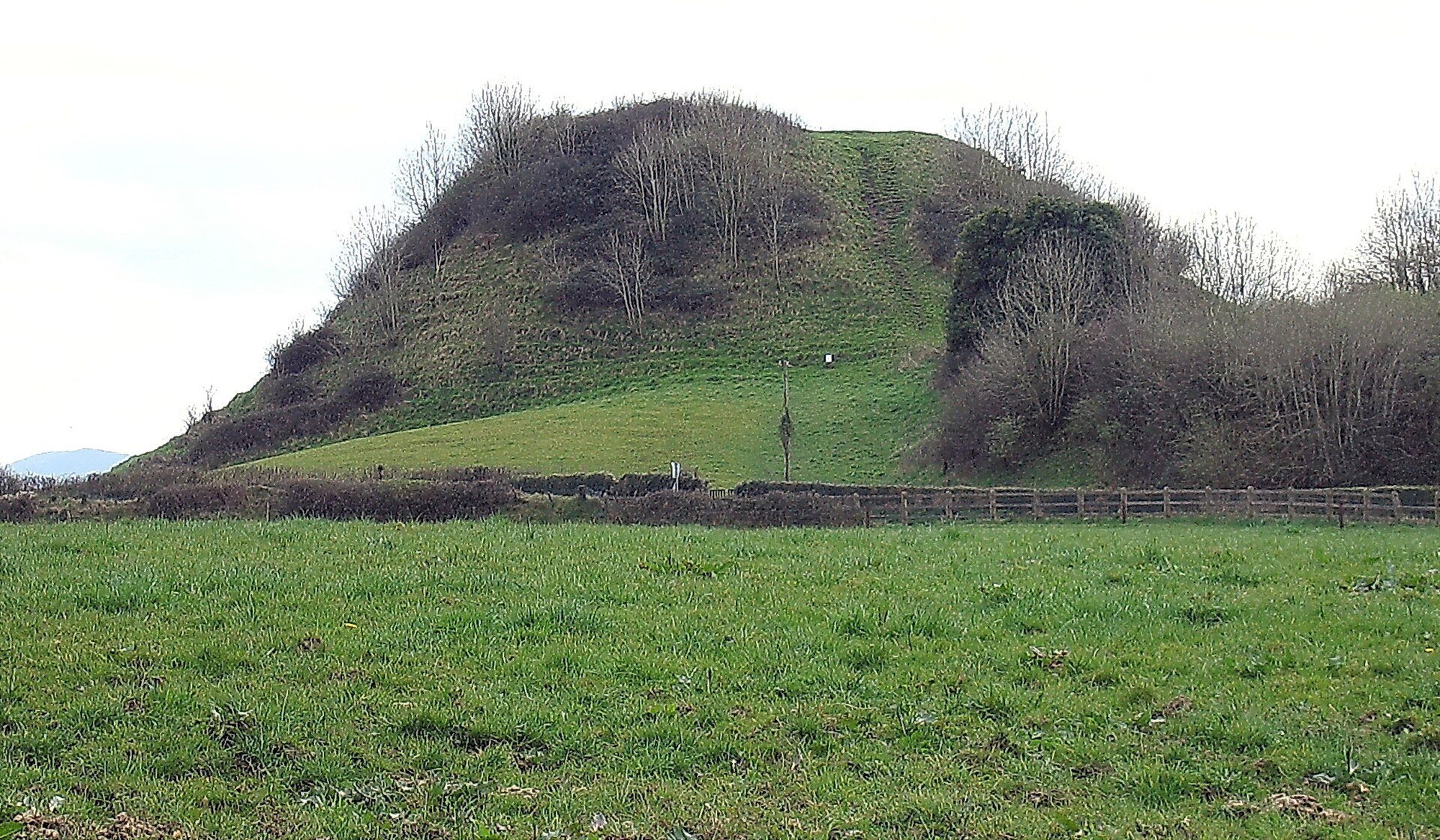
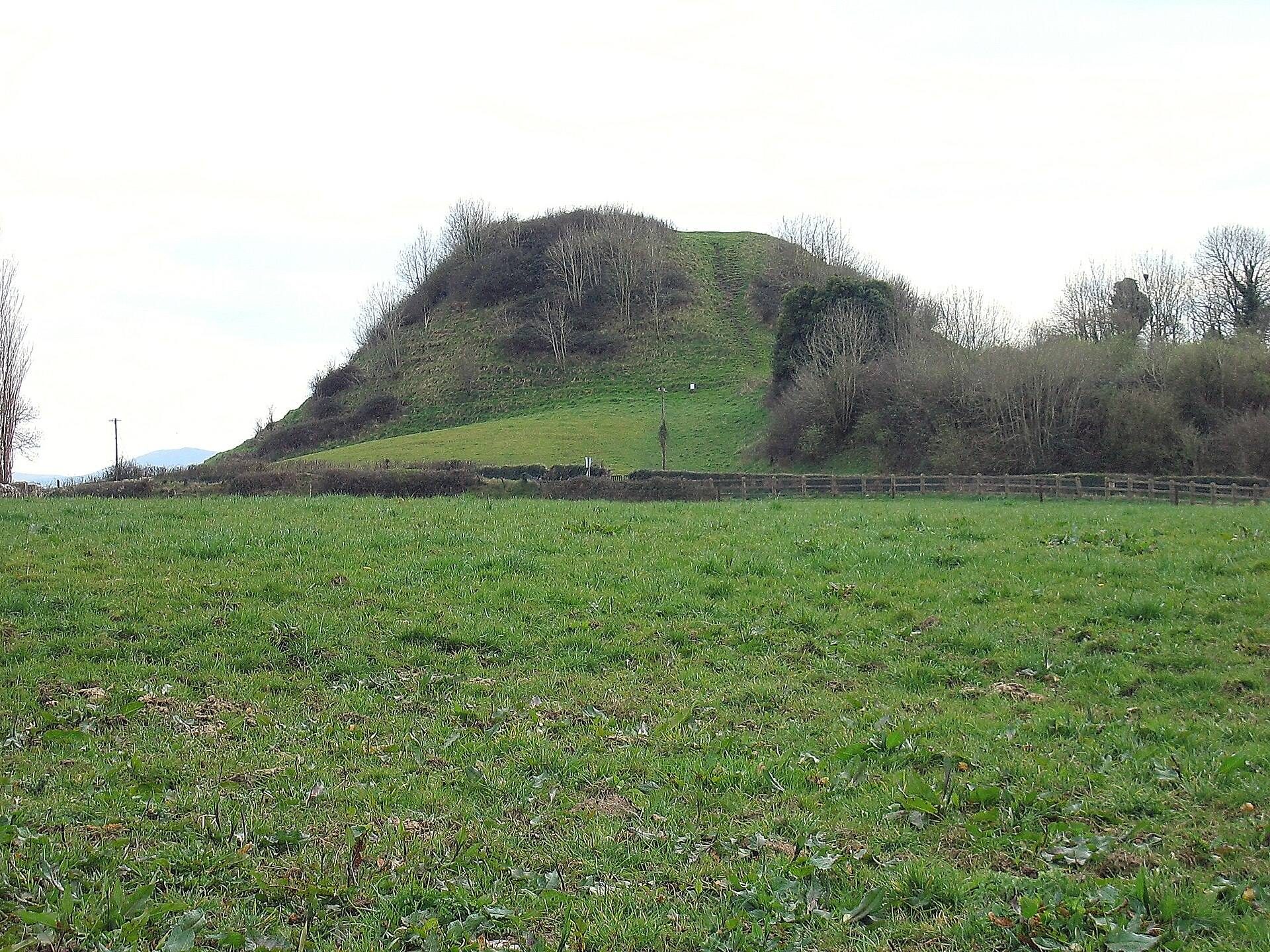
Knockgraffon survives principally as a raised motte, the steep artificial earth mound that supported a fortified residence or tower. The mound is approximately 20 metres high and represents the surviving archaeological form of the castle.
A wooden structure formerly stood on the summit. It formed part of the Anglo-Norman fortification during the twelfth and thirteenth centuries, when the mound served as a defensive stronghold. The physical remains therefore centre on the substantial human-made earthwork and the raised position that carried the medieval wooden fortification.