Villa gallo-romaine de Maisonnières: A rural Gallo‑Roman estate in France


Site at a Glance
- Rating
- 4.4
- Popularity
- Very Low
- Country
- France
- Eras represented
- Classical
- Civilizations
- Roman
- Site type
- Domestic
- Remains
- Villa
History
Villa gallo-romaine de Maisonnières in France is a rural Gallo‑Roman complex whose main building phase dates to the first century AD, reflecting Roman construction techniques combined with continued local Gallic farming practices. The settlement was occupied from the first century AD and functioned as a working estate in the Roman era, its architecture and layout showing the imprint of that period. The principal residential building on the plot was probably not the owner’s urban residence but rather the house of a vilicus, the estate manager charged with running agricultural operations while the landowner likely lived elsewhere. Archaeological evidence indicates the farm operated with a mix of living quarters, workrooms, and storage, and the property may have been used for keeping livestock. The remains on the site were officially protected as a Monument Historique by decree on 27 June 1991. The land remains in private hands.
Remains
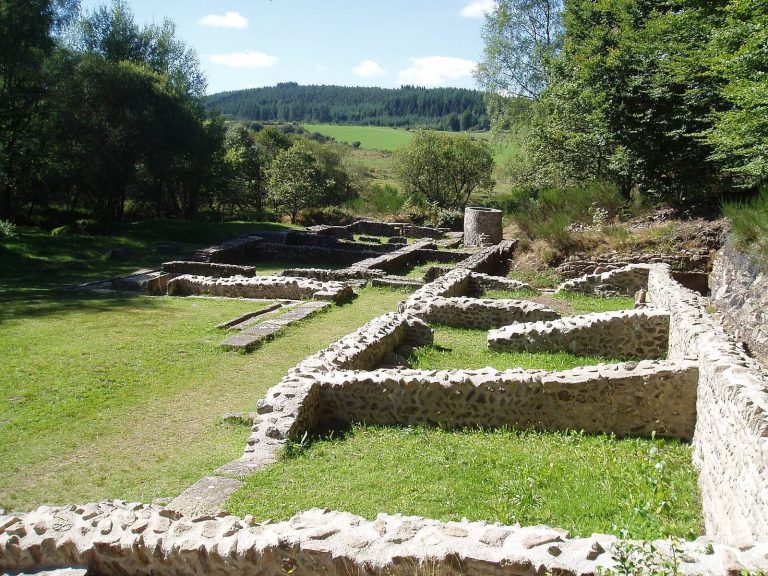
The surviving footprint covers roughly two thousand square metres and is shaded by several notable trees. Buildings are grouped around a large rectangular courtyard, which is bounded on all sides by a solid enclosing wall. The overall plan consists of modest stone structures arranged around this open central space, producing the compact, work-focused layout of a rural estate.
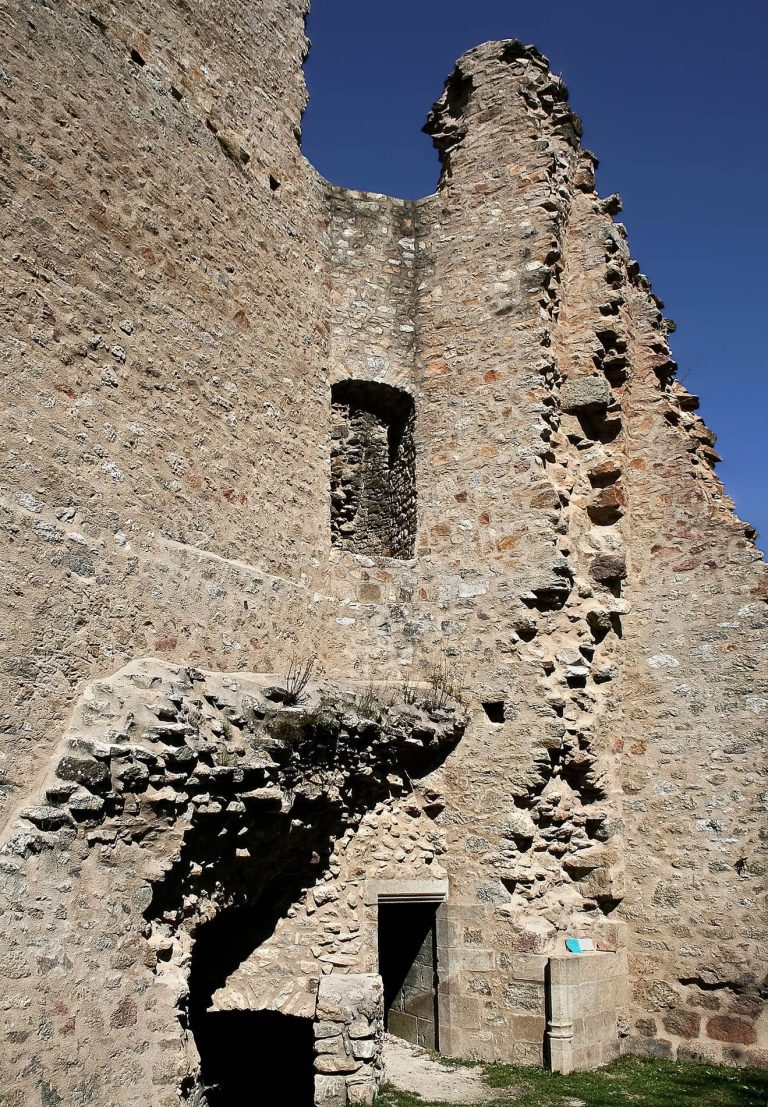
Stone masonry at the site shows Roman influence in materials and techniques, while the arrangement and use of spaces reflect traditional Gallic farm organization. Within the complex archaeologists have identified a main house associated with domestic use, auxiliary rooms intended for habitation, workshop areas where tools and processing would have taken place, and storage spaces for crops or equipment. These elements date to the main occupation phase in the first century AD. Today the features remain as fragmentary building remains set into the parcel; they are recorded as vestiges and have not been reconstructed. Interpretive panels on the grounds explain the site’s architectural features and building methods. The location is known locally as le Fond des Gouttes, in Gioux, and appears on cadastral plans under references AM 12–14. The property is privately owned.