Castle of Montrond: A Medieval Fortress and Renaissance Residence
Site at a Glance
- Rating
- 4.4
- Popularity
- Low
- Country
- France
- Primary era
- Medieval
- External website
- Open
- Eras represented
- Medieval
- Civilizations
- French
- Site type
- Military
- Remains
- Castle
On this page5 sections
History
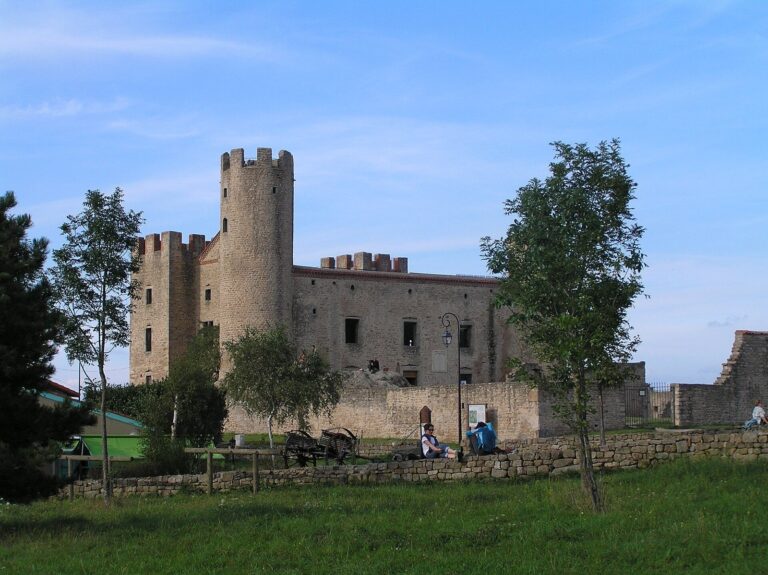
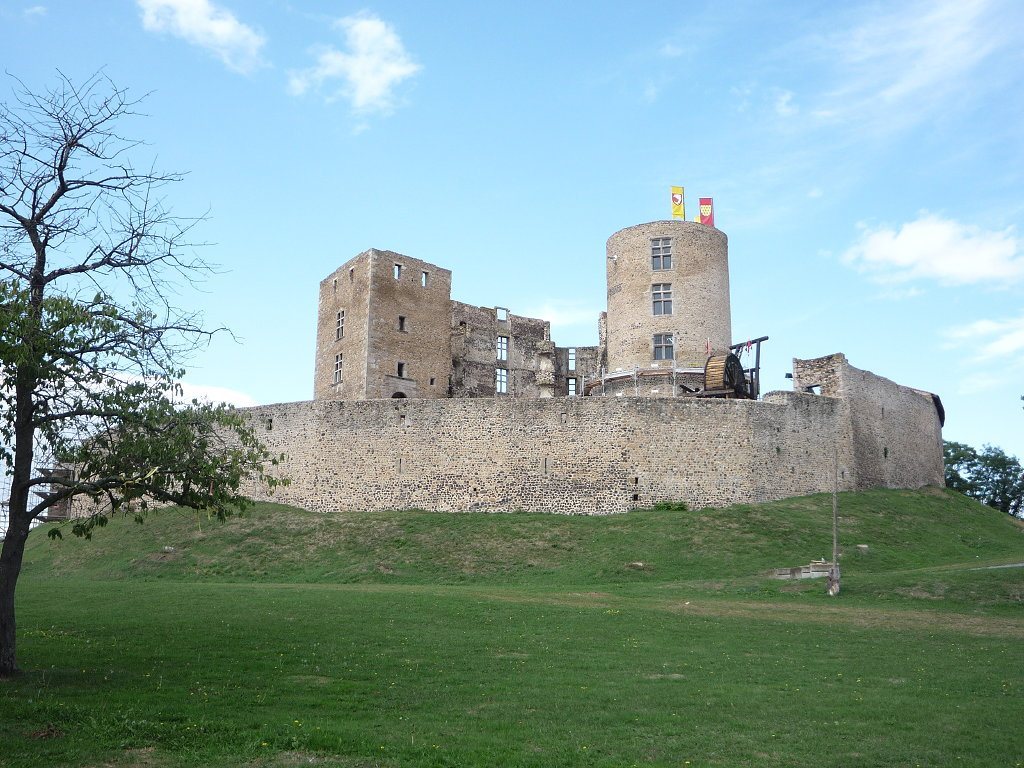
The Castle of Montrond is a ruined castle at Montrond-les-Bains, France. First built around 1325 as an austere fortress, it later became a Renaissance-style residence.
Early fortification and castle
A small fortification at Mont Rond, belonging to the Counts of Forez, medieval rulers of the county, is known from the twelfth century. In 1302, Count Jean I transferred rights to Montrond and its tower to Arthaud de Saint-Germain. Around 1325, Arthaud IV began building the first castle.
Renaissance prominence and royal allegiance
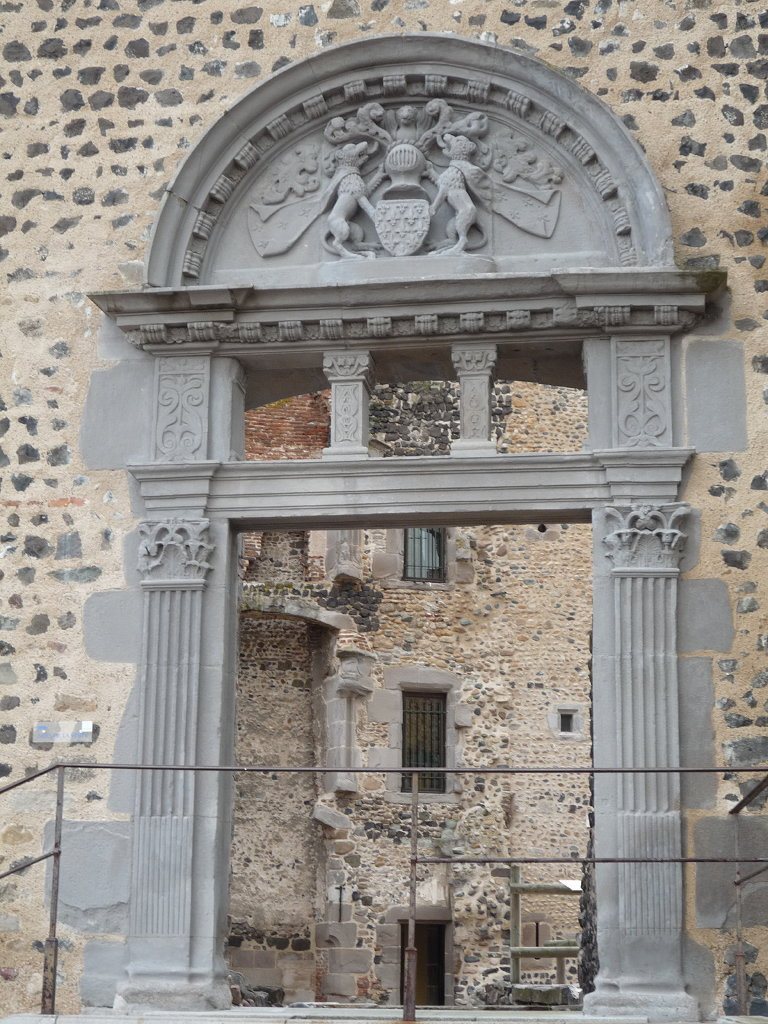
In 1523, Arthaud IX married Marguerite d’Albon, daughter of Jean, governor of the children of King François I, who ruled France from 1515 to 1547. The marriage helped bring the lordship of Montrond to the height of its renown. During the sixteenth-century Wars of Religion, a period of conflict shaped by religious and political divisions in France, Arthaud IX’s descendants kept their property through their loyalty to royal authority.
Revolution, abandonment, and restoration
The family left Montrond in 1730 and settled near Paris. Antoine-Claude, the last marquis, was guillotined in April 1793. In September, revolutionary soldiers set the castle on fire. The Apchon-Montrond family ended in 1807, when a daughter died without descendants.
After its sale to a private owner in 1828, the castle was quarried for stone and then abandoned for about a century and a half. The Friends of the Castle Association, founded in 1969, began rescuing the site from ruin, and the castle has since been partly restored. Its remains were designated a historic monument in 1934; in 1946, protection was extended to the entire castle and its surroundings.
Remains
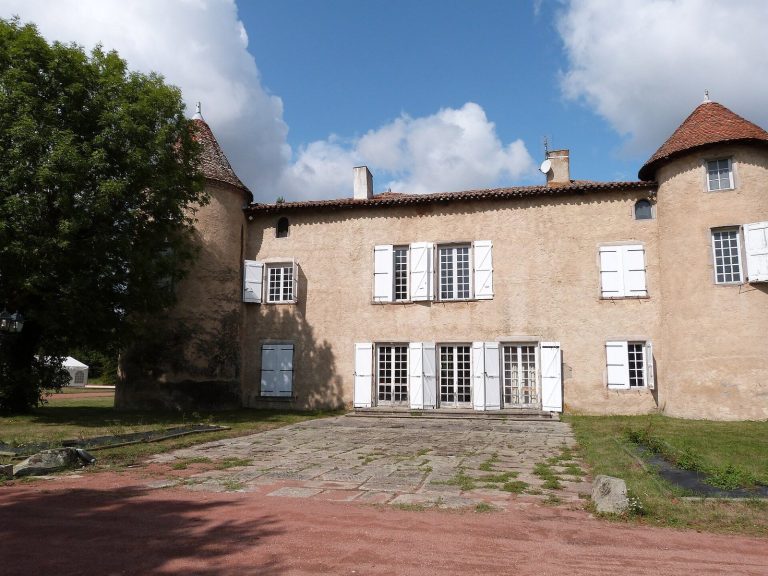
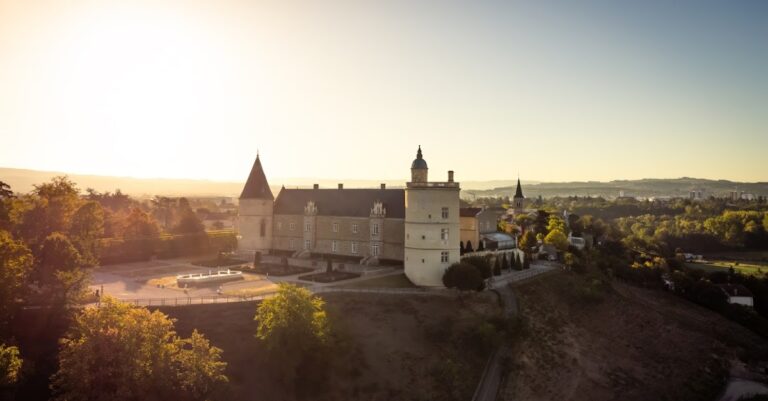
The ruined, partly restored castle stands on Mont Rond, a volcanic dyke that dominates the surrounding plain. Its remains occupy the site of the former fortress and Renaissance residence.