National Archaeological Museum of Cerveteri: Etruscan Collections in Ruspoli Castle
Site at a Glance
- Rating
- 4.6
- Popularity
- Low
- Country
- Italy
- Primary era
- Iron Age
- External website
- Open
- Eras represented
- Iron Age, Classical
- Civilizations
- Ancient Greek, Etruscan
- Site type
- Museum
On this page14 sections
History
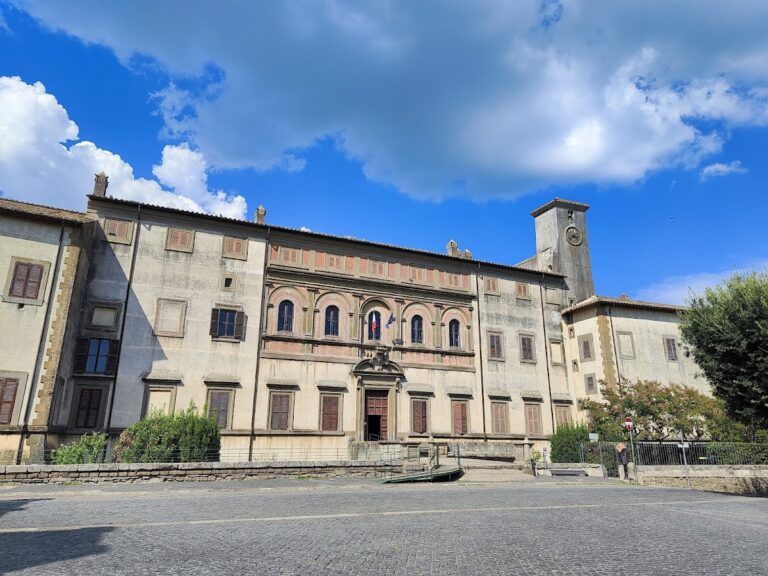
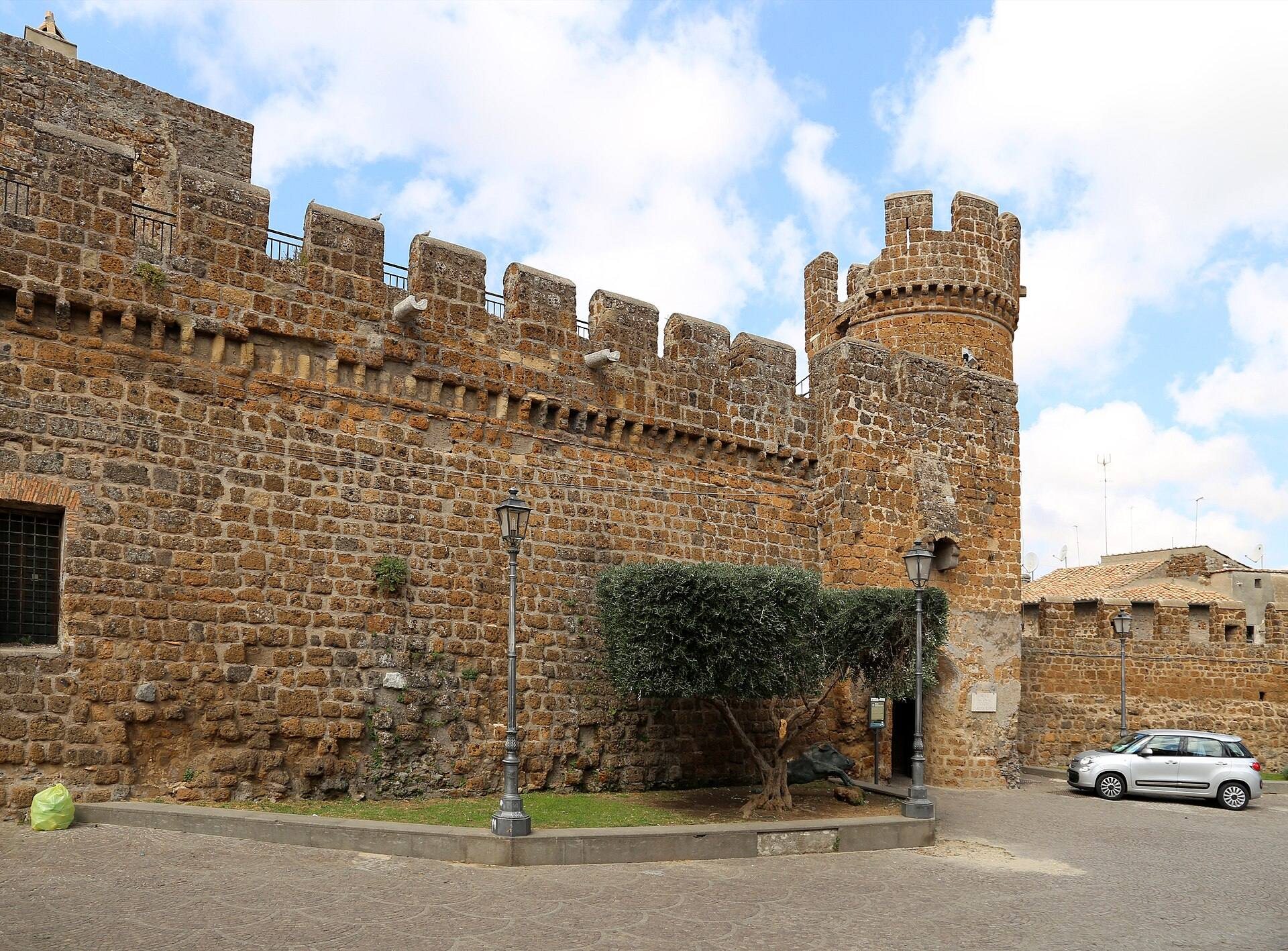
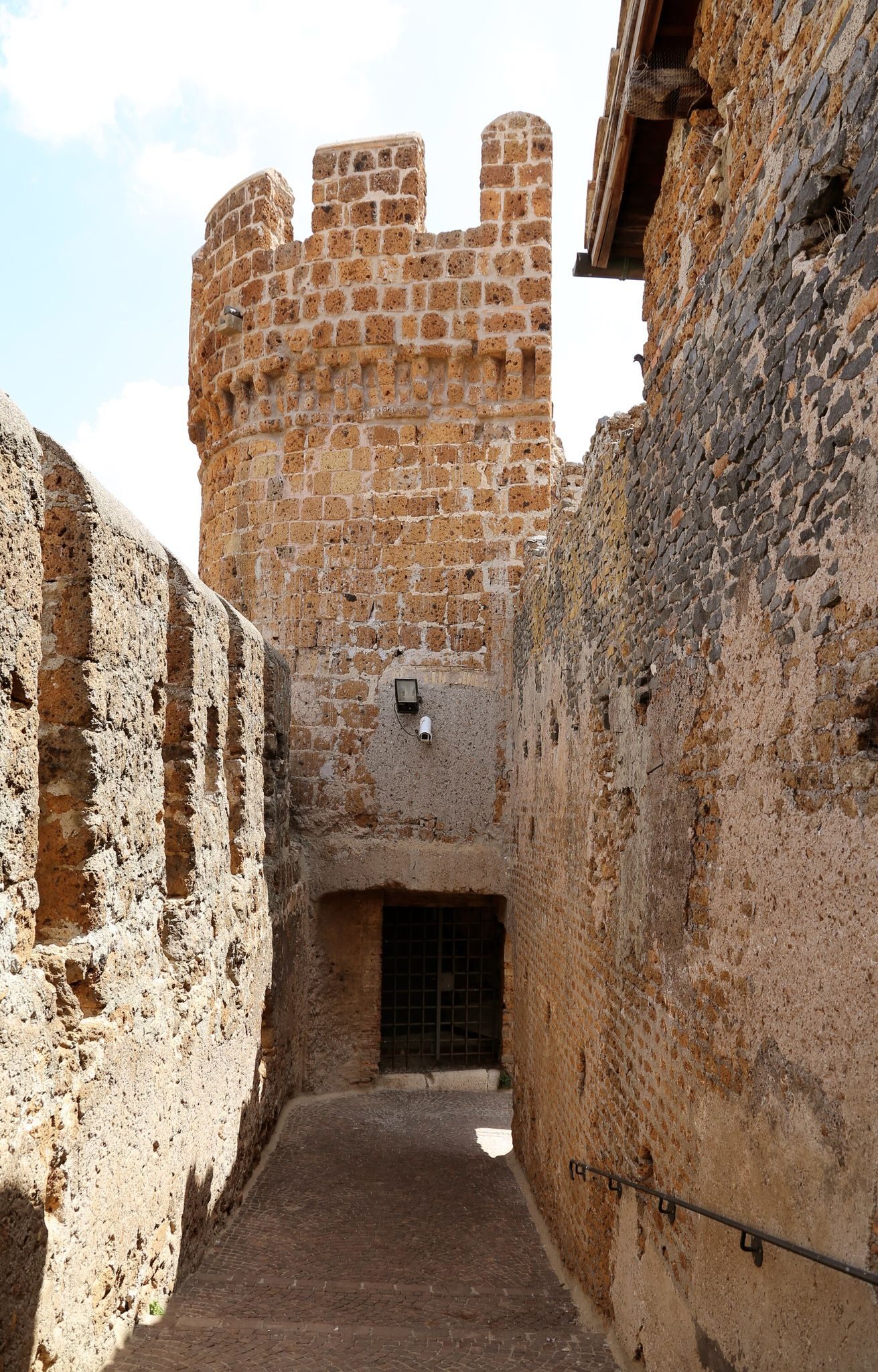
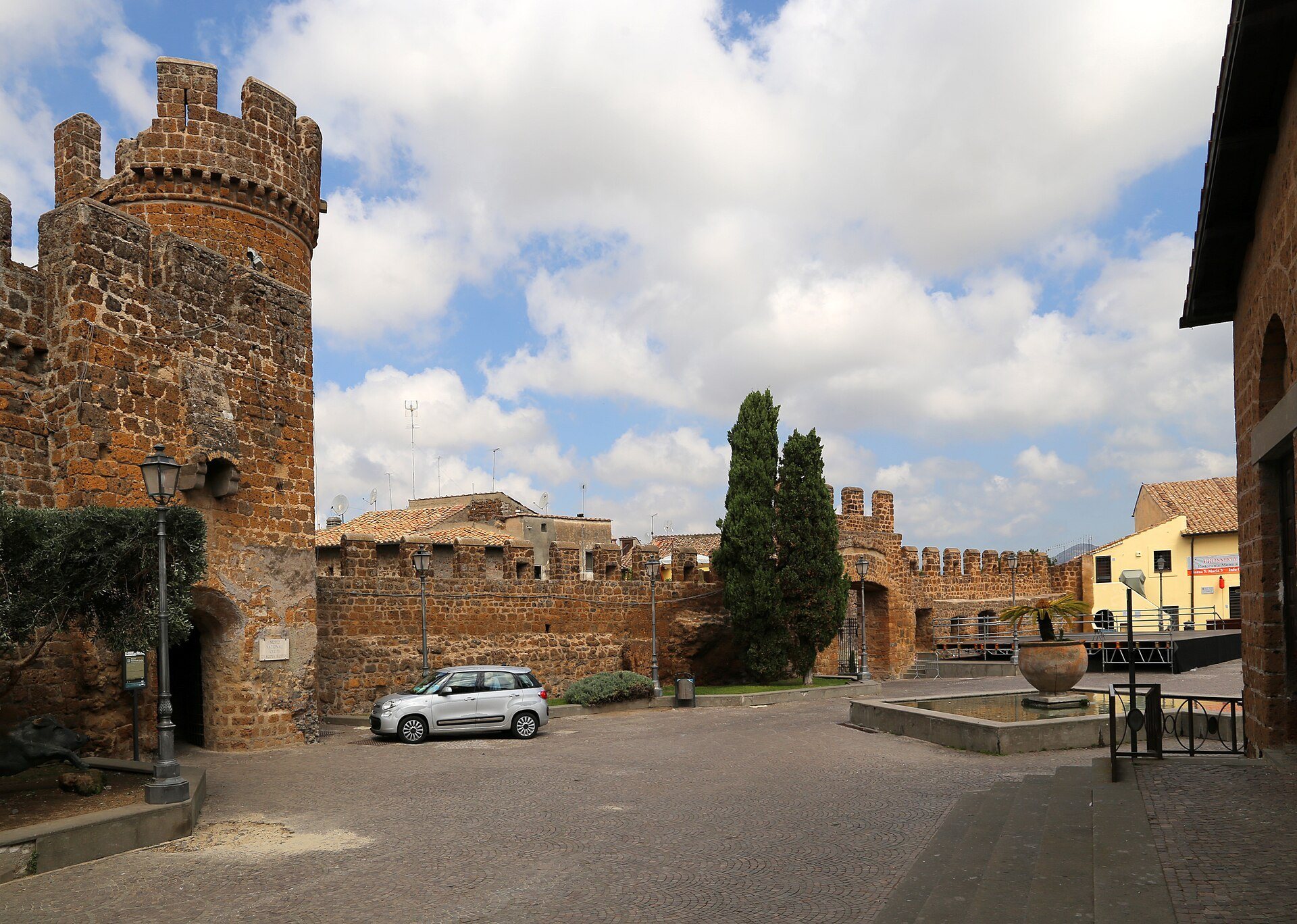
The National Archaeological Museum of Cerveteri in Cerveteri, Italy, is an institution established in 1967 to preserve and present Etruscan material from the necropolises of ancient Caere. Housed in the thirteenth-century Ruspoli Castle, it occupies the site identified as Caere’s acropolis and places the history of the ancient city within Cerveteri’s historic centre.
From Caere to the modern museum
Caere was an Etruscan city associated with modern Cerveteri. Its cemeteries contain tombs and grave goods from several phases of Etruscan history, and these archaeological contexts form the principal basis of the museum’s collections. Material comes especially from the Banditaccia necropolis, as well as from the Sorbo, Monte Abatone, Laghetto, and Casaletti di Ceri burial grounds. Objects from the ancient temple of Manganello also form part of the collections.
The displays are arranged chronologically across two levels. They begin with the Villanovan period, an early Iron Age phase in central Italy that preceded the fully developed Etruscan urban tradition. The sequence continues through the Orientalizing period of around the seventh century BC, the sixth century BC, and the Hellenistic period, when Greek cultural influence spread widely across the Mediterranean after the conquests of Alexander the Great.
Collections, repatriation, and administration
The museum’s holdings include Etruscan ceramics, funerary objects, sculpture, and material associated with sacred and burial places. Greek imports found in Caere’s chamber tombs illustrate the city’s connections with the wider Mediterranean, while Etruscan forms such as bucchero, a dark and lustrous ceramic ware made through controlled firing, show the distinctive character of local production.
Since 2015, the museum has housed the Euphronios Krater and Euphronios Kylix, two Attic red-figure vessels from the late sixth century BC. Euphronios was an Athenian vase painter and potter active around the late sixth and early fifth centuries BC. The vessels were stolen during illegal excavations in the Cerveteri area, taken abroad, and exhibited at the Metropolitan Museum of Art in New York and the Getty Museum in Malibu. They returned to the Italian state in 2008, were first placed in Rome’s National Etruscan Museum, and were later assigned permanently to Cerveteri.
Since December 2014, the museum has been managed by Italy’s Ministry of Culture. It became part of the Archaeological Park of Cerveteri and Tarquinia in 2021, following earlier administration through the Museum Centre of Lazio and, from 2019, the Regional Museum Directorate. The museum is owned by the Ministry of Culture and protected under Italy’s cultural-property system.
Remains
Ruspoli Castle provides the museum’s physical setting. The thirteenth-century castle overlooks Piazza Santa Maria in Cerveteri’s historic centre and stands on the site identified as the acropolis of ancient Caere. Within the building, rooms on two levels follow a chronological order, while thematic display cases bring together objects from the ancient city’s cemeteries and temple.
Early funerary collections
Sorbo Necropolis
The earliest displays contain grave goods from the Sorbo Necropolis, a cemetery associated with the Villanovan period. Among the objects are male cinerary urns with helmet-shaped lids and female cinerary urns with bowl-shaped lids. A cinerary urn held cremated human remains, so these vessels connect the museum’s earliest material with the funerary practices of the communities that preceded the fully developed Etruscan urban tradition.
Orientalizing-period tomb goods
Material from the Monte Abatone, Laghetto, and Casaletti di Ceri necropolises represents the Orientalizing period, generally associated with the seventh century BC and with strong artistic influences from the eastern Mediterranean and Near East. The displays include a decorated vase probably showing Helen and Menelaus, a cinerary urn depicting a married couple, and a small red, hut-shaped urn with white decoration.
Greek imports and sixth-century pottery
Banditaccia chamber tombs
Greek-imported grave goods from chamber tombs in the Banditaccia Necropolis include an Etruscan Corinthian crater, a balsamarium, and an oinochoe. A crater was used for mixing wine and water, a balsamarium was a small container for perfumed oil, and an oinochoe was a jug for pouring liquids. Together, these objects show the range of vessels placed in the tombs of Caere.
Monte Abatone and Banditaccia vessels
Sixth-century BC material from Monte Abatone and Banditaccia includes Corinthian and Laconian vases, Attic black-figure ceramics, kylikes, amphorae with inscriptions, red-figure vessels, Caeretan hydriai, and bucchero pottery. Attic black-figure and red-figure describe two Greek painting techniques, one using dark figures on the clay surface and the other leaving the figures in the color of the clay against a dark background. A kylix depicting Peleus and Tethys is among the notable vessels. A kylix was a shallow drinking cup, while a hydria was chiefly used to carry or store water.
Sarcophagi, temple offerings, and later collections
Tamsnie Tomb and Tomb of the Sarcophagi
Two sarcophagus lids from the Tamsnie Tomb are displayed alongside figurative sarcophagus lids that are either original or reproduced. A sarcophagus lid is the sculpted or decorated cover of a stone coffin. The collections also include material associated with the Hellenistic Tamsnie Tomb and the Tomb of the Sarcophagi at Banditaccia, extending the funerary sequence into the period of widespread Greek cultural influence across the Mediterranean.
Manganello and the Odescalchi Collection
The tour concludes with votive objects from the ancient temple of Manganello and the Odescalchi Collection. Votive objects were offerings dedicated to a deity. The Odescalchi holdings include numerous Etruscan and Greek vases dating from the seventh century BC to the Roman period, while the wider collection includes a Faliscan red-figure vase and a reconstruction of a curule chair, a ceremonial seat associated in antiquity with high civic or magistral office.
Euphronios vessels
The Euphronios Krater and Euphronios Kylix are Attic red-figure pottery vessels dating to the late sixth century BC. The krater, a large vessel for mixing wine and water, and the kylix, a shallow drinking cup, belong to the finest tradition of Athenian ceramic production. Other notable objects from the Cerveteri necropolises are preserved at the National Etruscan Museum in Villa Giulia in Rome and at the Louvre in Paris.