Torre Cera: A Medieval Watchtower and Fortress in Spain

Site at a Glance
- Rating
- 4.2
- Popularity
- Very Low
- Country
- Spain
- Primary era
- Medieval
- Eras represented
- Medieval
- Civilizations
- Almohad
- Site type
- Military
- Remains
- Castle
On this page5 sections
History
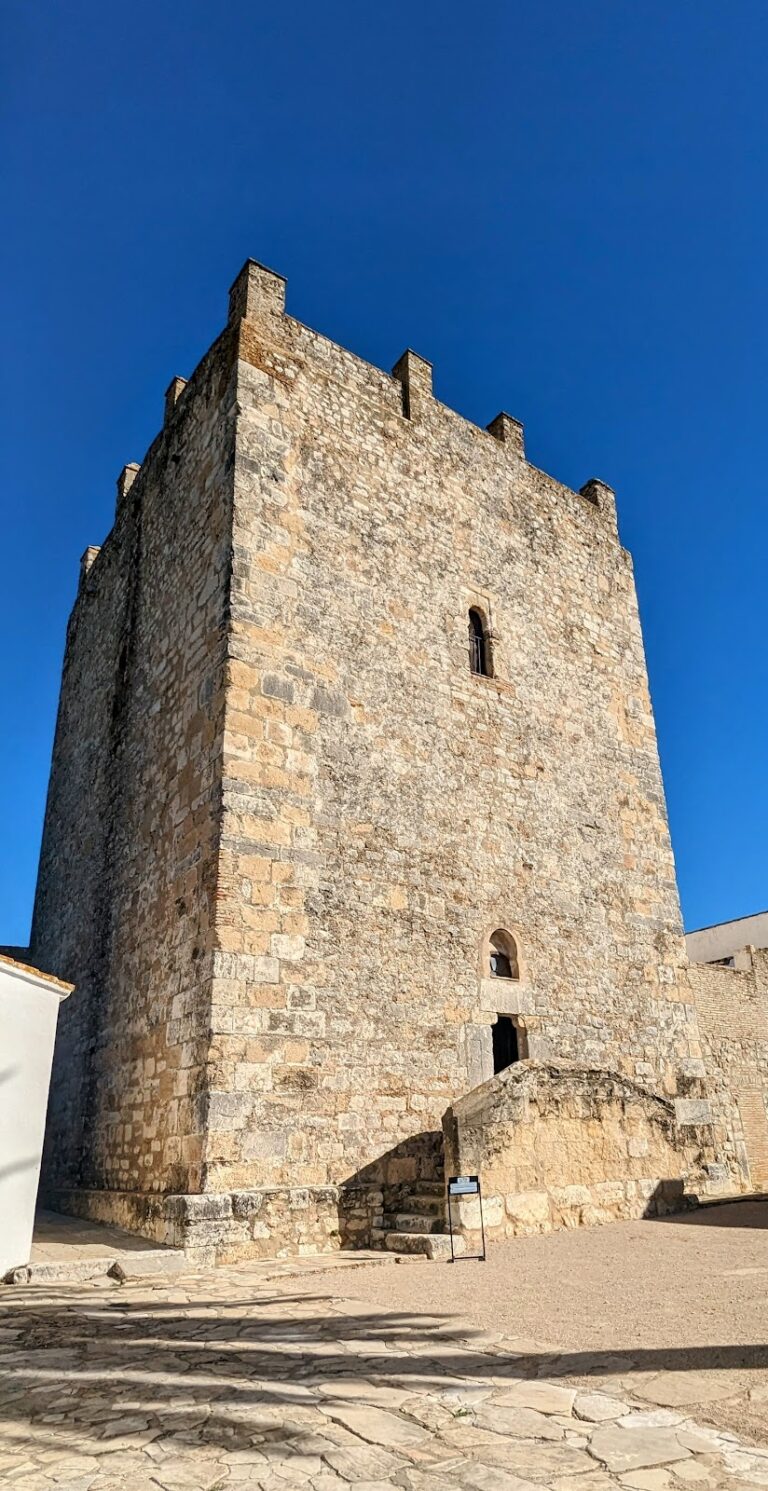
Torre Cera is a medieval watchtower and fortress in Spain, in the Torrecera area of Jerez de la Frontera, Andalusia. Dating to the twelfth century, it belonged to the medieval Andalusi Jerez region and later became part of the defensive system protecting Jerez after Alfonso X, known as Alfonso the Wise, conquered the area in the thirteenth century.
Medieval fortress and defensive role
The Torrecera area acquired strategic importance after Alfonso X’s conquest because of its position in the defence of Jerez de la Frontera. Torre Cera, also called the Castle of Torrecera or Tower of Cera, served within this wider defensive network as a watchtower and fortified position.
The names Xera and Ceret have been associated with places in the surrounding area, but their identification with this location remains an interpretation rather than an established fact.
Earlier evidence and heritage protection
An approximately 5,000-year-old cylindrical idol from the Copper Age, the prehistoric period when copper began to be used alongside stone tools, was found inside the fortress. The object is now displayed at the Archaeological Museum of Jerez de la Frontera. Torre Cera has been protected as a Spanish Asset of Cultural Interest, a formal heritage designation for places and objects of cultural or historical importance, under registration RI-51-0007591 from 1985 onward.
Remains
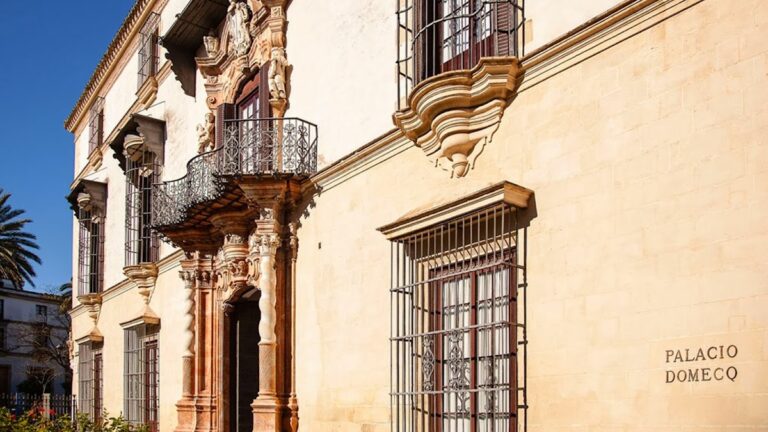
Torre Cera occupies the highest point of a hill above the settlement of Torrecera, with the Salinas de Fortuna at the hill’s foot. The tower stands within the Cortijo de Torrecera, where the Miguel Domecq winery is currently located. This elevated position forms the physical setting for the surviving watchtower and the ruined fortress.
Surviving fortress structures
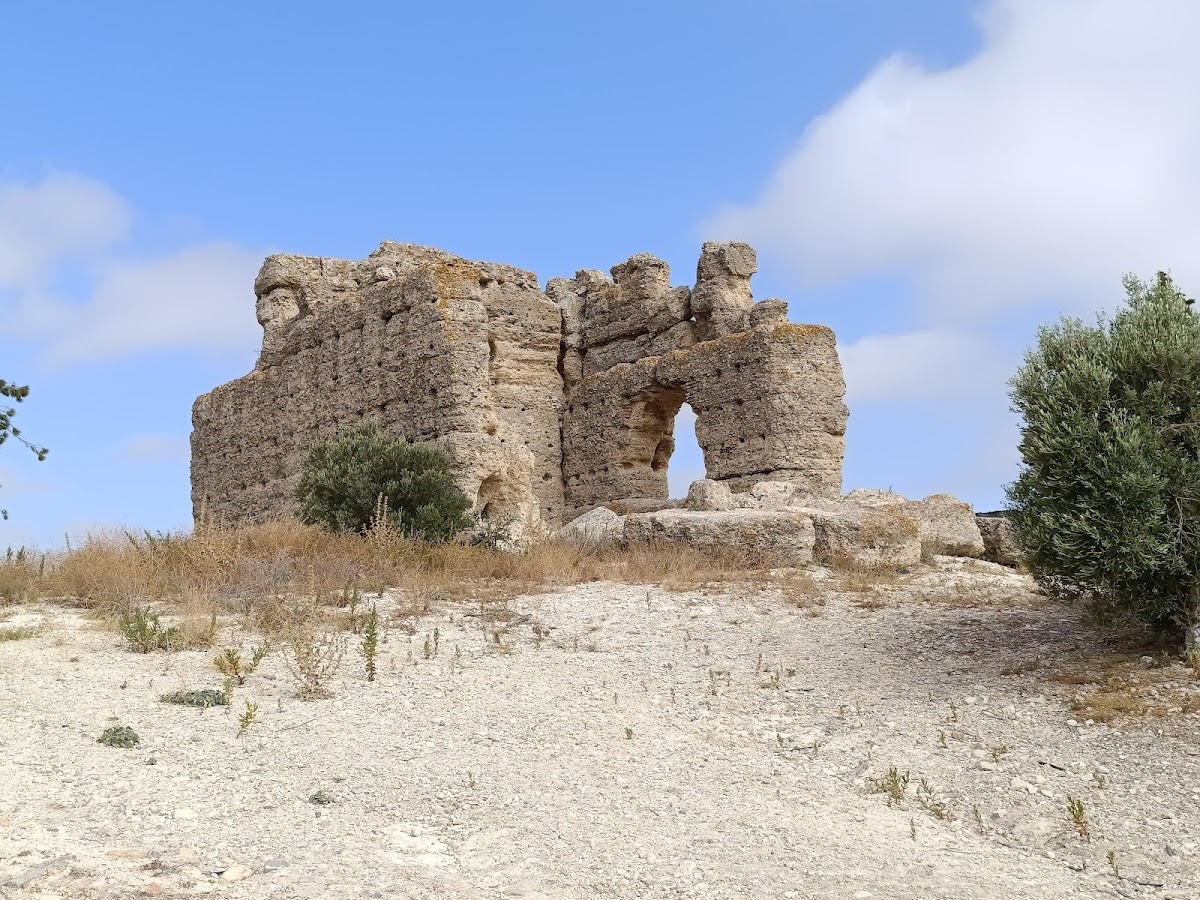
Only ruins of the former fortress remain. Sections of its walls survive together with the Torre de Cera itself, identified as both a tower and a medieval watchtower. The fortress is in a ruined condition. Its construction used sand, lime, and stone, with limestone and lime mortar also specified among its materials.
Nearby sites