Rampton Castle: An Unfinished Motte-and-Bailey Castle in England
Site at a Glance
- Rating
- 4.5
- Popularity
- Very Low
- Country
- United Kingdom
- Primary era
- Medieval
- External website
- Open
- Eras represented
- Medieval
- Civilizations
- English
- Site type
- Military
- Remains
- Castle
History
Rampton Castle is an unfinished motte-and-bailey castle in the United Kingdom, believed to have been built by the forces of King Stephen during the Anarchy, the civil war in England from 1135 to 1154. Its construction probably formed part of Stephen’s effort to contain the revolt of Geoffrey de Mandeville, a powerful twelfth-century nobleman who opposed the king.
Work at Rampton Castle was not completed. Construction was probably halted after Geoffrey de Mandeville died at nearby Burwell Castle in 1144. The castle is thought to have been built over the eastern end of the medieval village of Rampton, placing the unfinished fortification within an already established settlement.
Remains
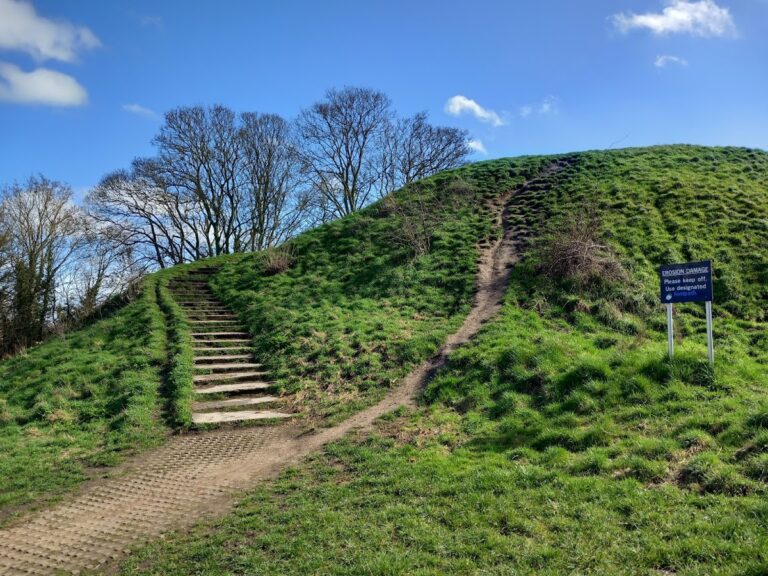
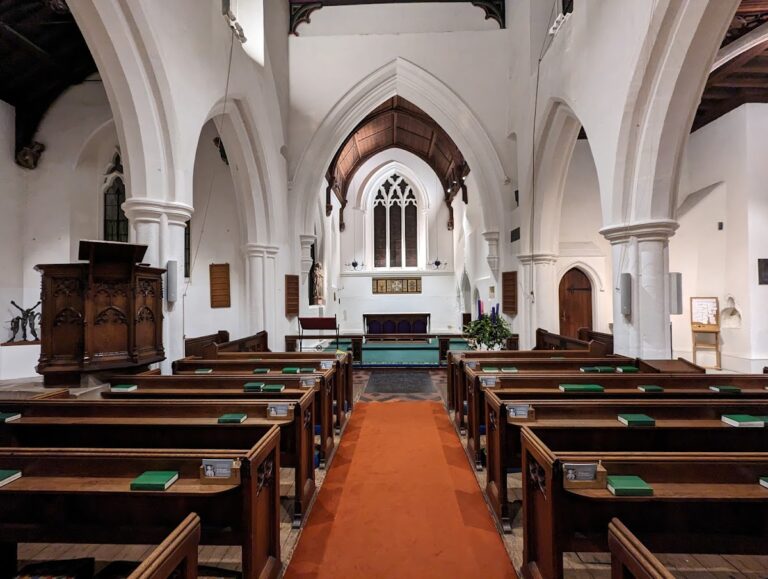
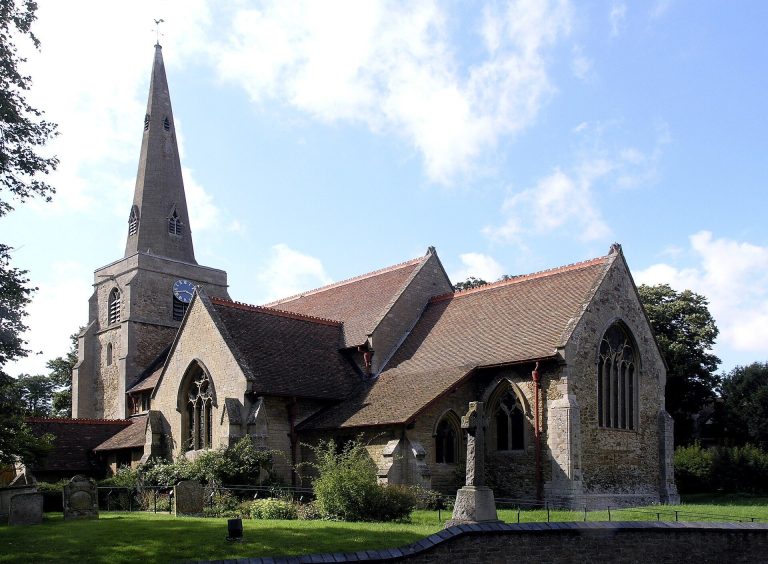
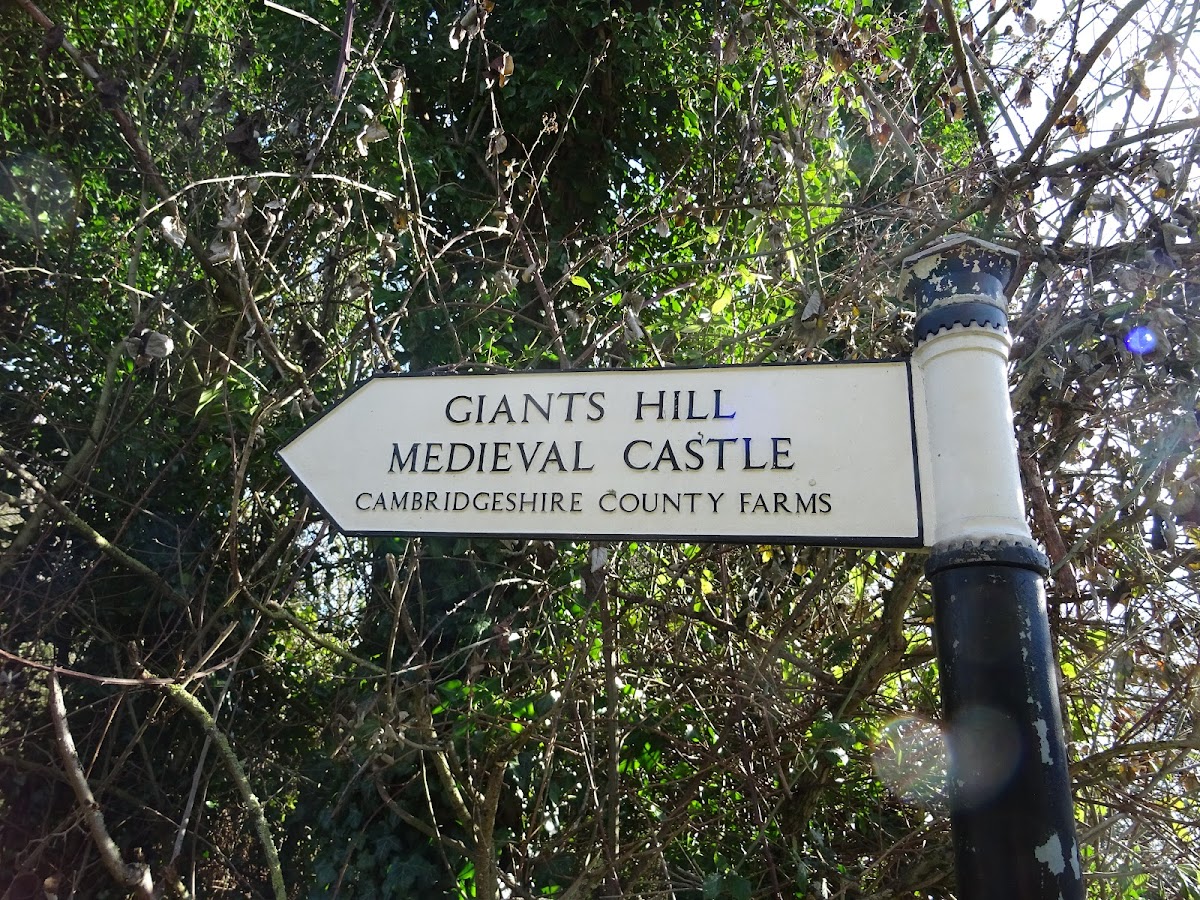
Known locally as Giant’s Hill, Rampton Castle consists of earthwork remains near the churchyard of All Saints’ Church. The site represents a motte-and-bailey, a castle formed from a raised earth mound, or motte, and an enclosed defensive area, or bailey. These remains are thought to occupy the eastern end of the medieval village.
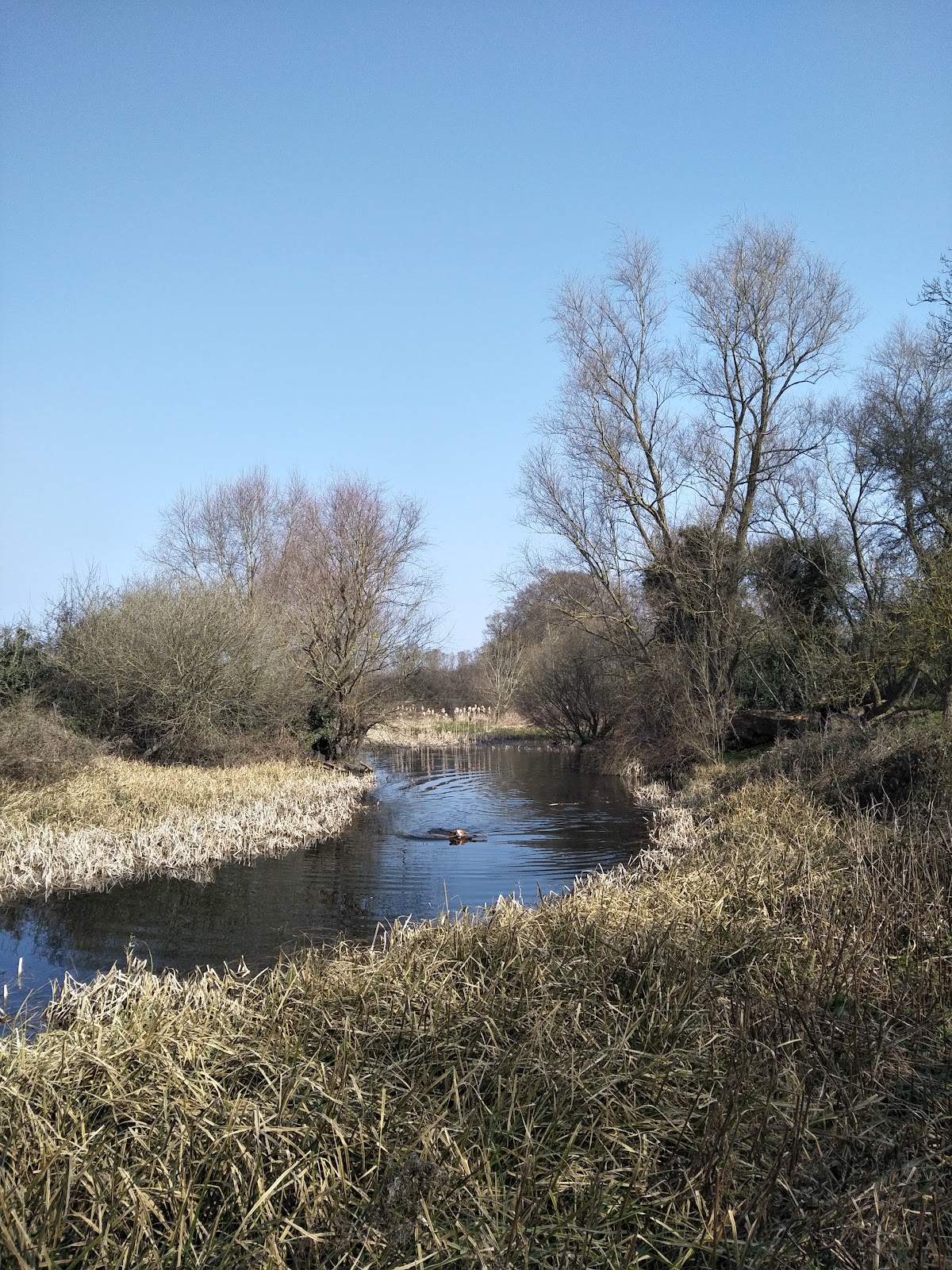
Rampton lies at approximately 8 metres above sea level in a generally flat, predominantly agricultural landscape. The earthworks stand about 10.3 kilometres north of Cambridge, while London is approximately 90 kilometres to the south.