Château de Trémohar: A Historic Castle in Berric, France
Site at a Glance
- Rating
- 4.6
- Popularity
- Very Low
- Country
- France
- Primary era
- Early Modern
- External website
- Open
- Eras represented
- Early Modern
- Civilizations
- French
- Site type
- Domestic
- Remains
- Castle
On this page8 sections
History
Château de Trémohar is a historic castle in Berric, France, rebuilt around 1750 in a classical arrangement by Marquis Jean-François de Quifistre de Bavalan. It developed from the feudal residence of the lords of Berric, whose history is documented from the thirteenth century. The name Trémohar means “great passage” in Breton.
The medieval fief and the Quifistre family
The lords of Berric appear to have held their fief from the monks of Prières Abbey. In 1390, a marriage transferred the fief to the Quifistre family, which retained the estate through successive phases of its history. One member of the family, a commendatory abbot of Rhuys, meaning the nominal head of an abbey who received its revenues while often leaving daily administration to another cleric, modernized the feudal residence.
Destruction and eighteenth-century rebuilding
The earlier residence was destroyed in 1593 during the Wars of the League, the late-sixteenth-century French civil and dynastic conflicts linked to the Catholic League and the struggle over the succession to the French throne. Several years before this destruction, the Quifistre abbot had undertaken improvements to the feudal complex.
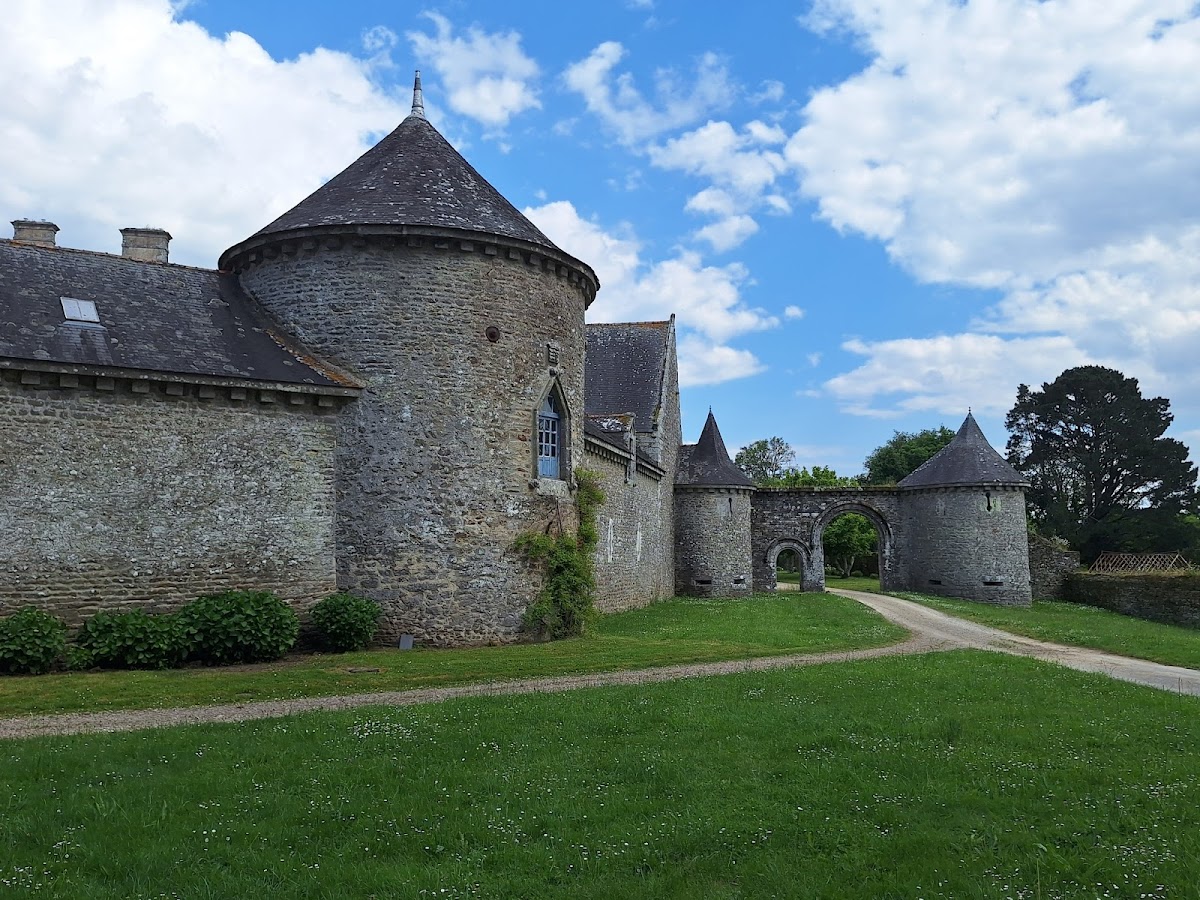
Around 1750, Marquis Jean-François de Quifistre de Bavalan rebuilt the castle of his ancestors. The new residence incorporated portions of the earlier fortified enclosure, while outbuildings dating from the beginning of the seventeenth century were also retained.
Revolutionary upheaval and later ownership
Jean-François de Quifistre de Bavalan emigrated to Jersey, where he died in 1792. During the French Revolution, his estates in Morbihan were sold as national property, an estate confiscated and sold by the state. After returning to France, his son bought the castle back. He later became mayor of Vannes during the Bourbon Restoration, the period after Napoleon’s fall when the Bourbon monarchy was restored in France, chiefly from 1814 to 1830.
The final member of the Quifistre de Bazlavan family married Count Joseph Le Gouvello du Timat, from a branch of the Gouvello family. Their heirs sold the property to Mr. Francès in 1977. He resold it in 1984 to Louis Blériot, grandson of the aviator of the same name. The Breesé family has owned the property since 2020.
Heritage and archival legacy
Château de Trémohar was inscribed as a French historic monument on 1 August 1960. In France, this designation formally recognizes and protects a building as part of the national architectural heritage. The estate’s major chartrier, an archive of title deeds, charters, and other documents concerning its rights and history, was acquired by the Morbihan Departmental Archives in 1974 and 1977. It is regarded as one of the most important such collections in the Vannetais, the historic region surrounding Vannes in southern Brittany.
Remains
The eighteenth-century residence
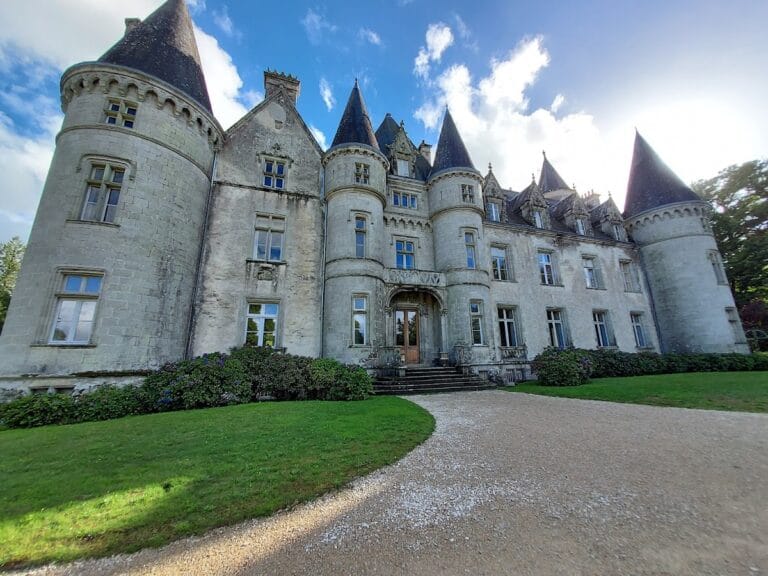
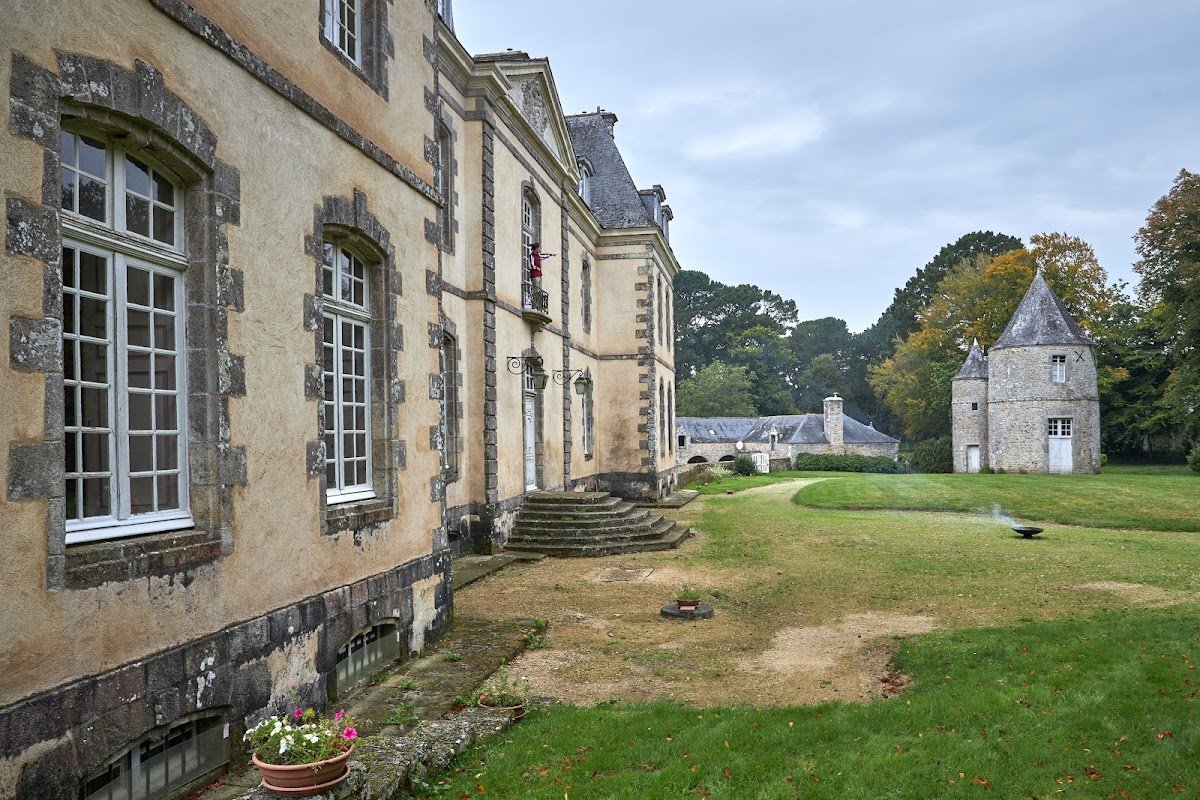
Château de Trémohar stands on a small eminence in Berric, overlooking the Theix–Questembert road. Its surviving residence has a classical arrangement and a double aspect. The northern roof spaces are pierced by notable dormer windows, while the interiors retain fine Louis XV-style apartments. Louis XV style was an eighteenth-century French design characterized by refined ornament, curved forms, and elegant interior decoration.
Fortified enclosure and outbuildings
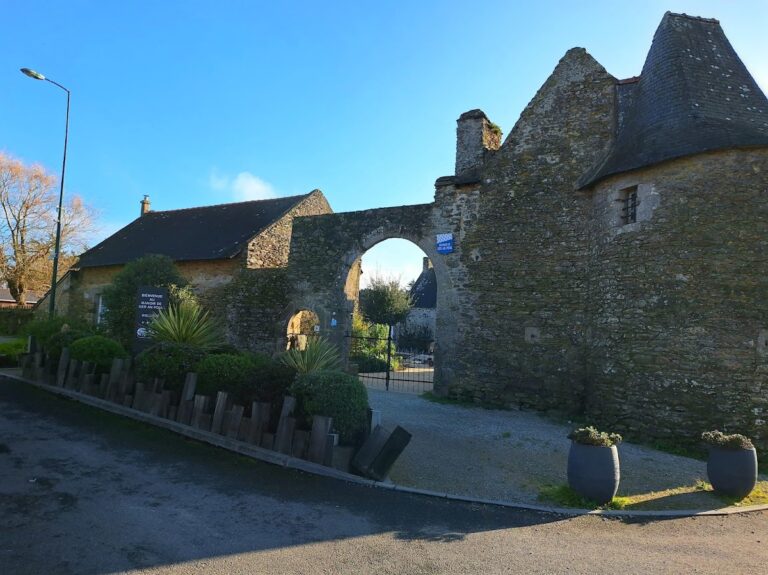
Parts of the earlier castle’s fortified enclosure remain incorporated into the property. The outbuildings dating from the beginning of the seventeenth century also survive, linking the later residence with the earlier phases of the estate. Together, these elements preserve physical evidence of the transition from a fortified feudal complex to an eighteenth-century château.