Burgstall Haselstein: A Late-Medieval Hilltop Castle Site in Germany

Site at a Glance
- Rating
- 4.6
- Popularity
- Very Low
- Country
- Germany
- Primary era
- Medieval
- Eras represented
- Medieval, Modern
- Civilizations
- Holy Roman Empire
- Site type
- Entertainment
On this page8 sections
History
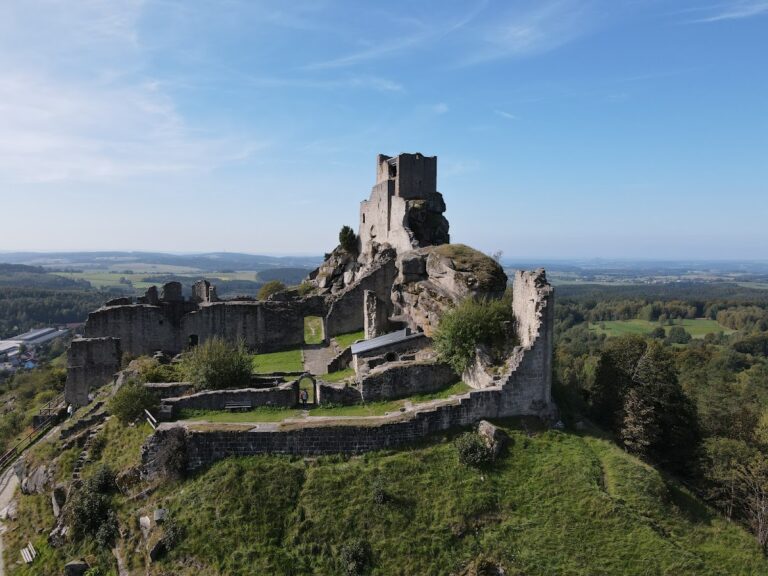
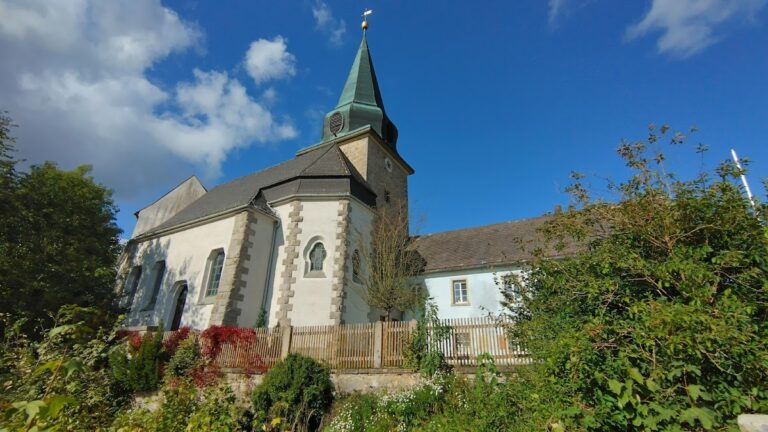
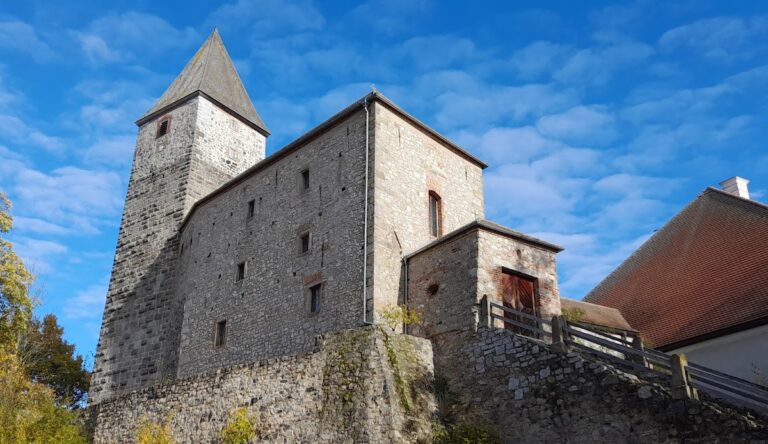
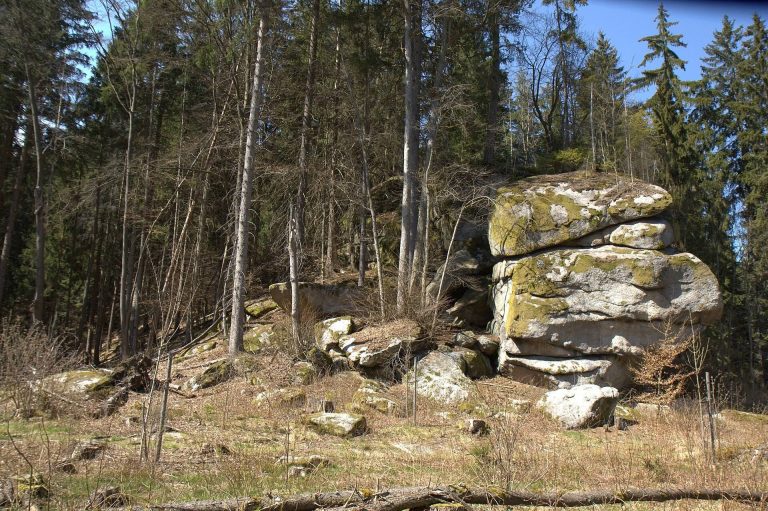
Burgstall Haselstein is a former late-medieval hilltop castle site in Germany, near Floß in Bavaria. It existed from about 1400 until toward the end of the sixteenth century, although no medieval documents concerning the castle survive. The name Burgstall describes a former castle whose buildings have largely disappeared and remain mainly through foundations, earthworks, or archaeological evidence.
The Late-Medieval Castle
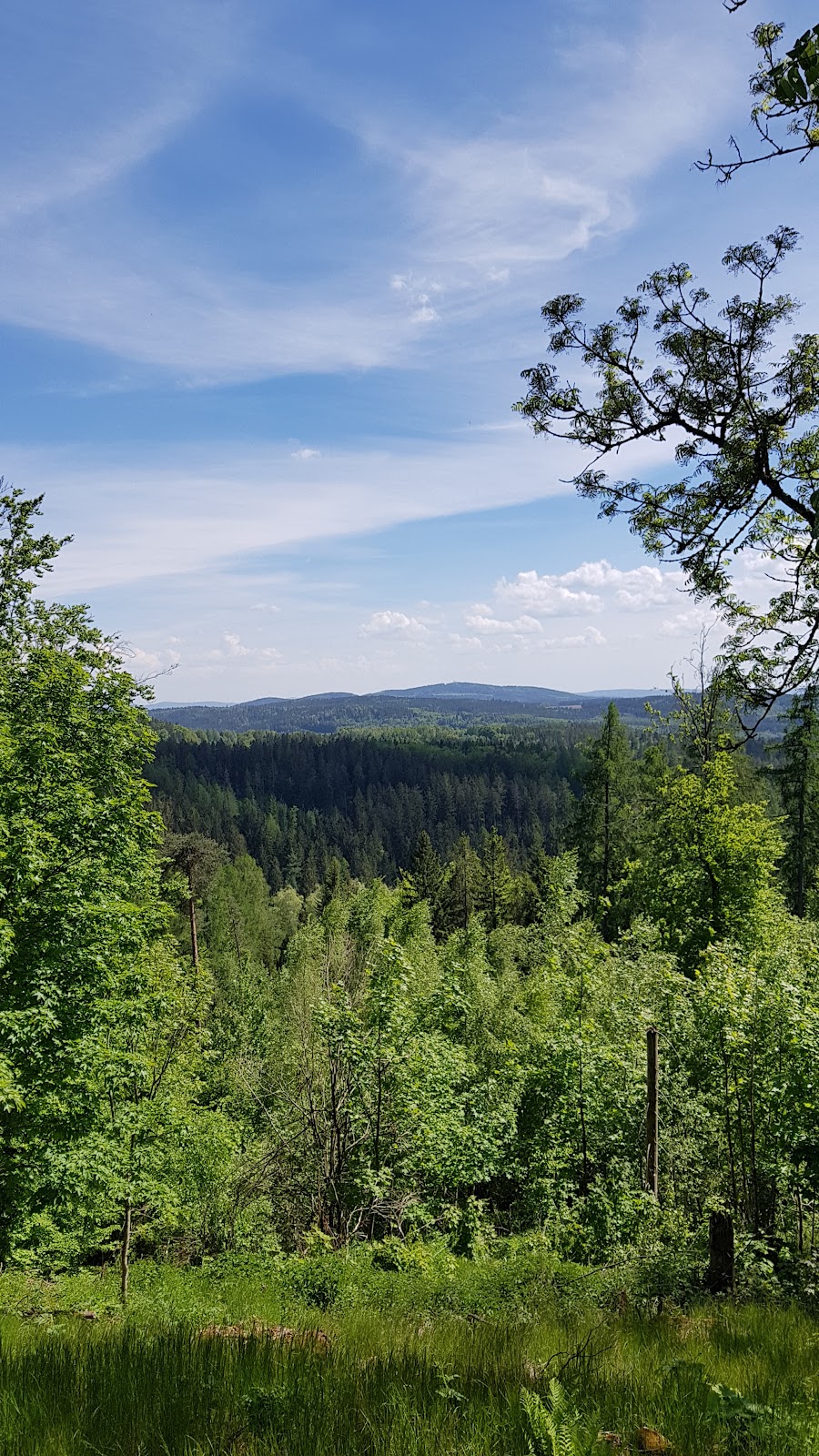
The castle stood in a summit position in the Upper Palatinate Forest, at about 705 metres above sea level. Its former use is reflected in late-medieval pottery fragments, stove tiles, roof tiles, forged nails, and iron arrowheads. Forest beekeeping, the keeping and use of bee colonies in woodland for honey and wax, was practiced in the Haselstein area during the fifteenth century.
Festival Ground and Archaeological Work
Around 1860, the castle ruins were transformed into a festival and recreation area with terraced sections. The work largely obscured the earlier castle remains. Festivals continued at Haselstein from about 1860 until the late 1950s, usually featuring performances by singing societies from Floß, Flossenbürg, and Plößberg. Visitors from Weiden, Neustadt, and Vohenstrauß sometimes made long walks to attend them.
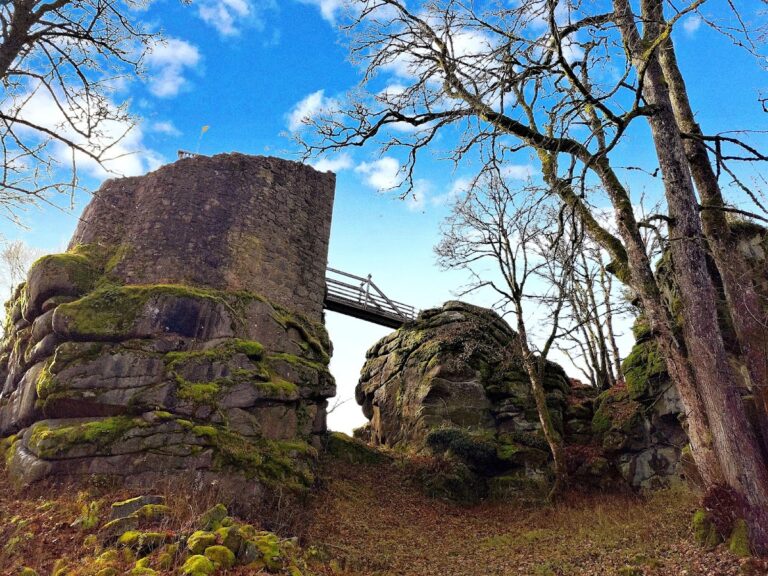
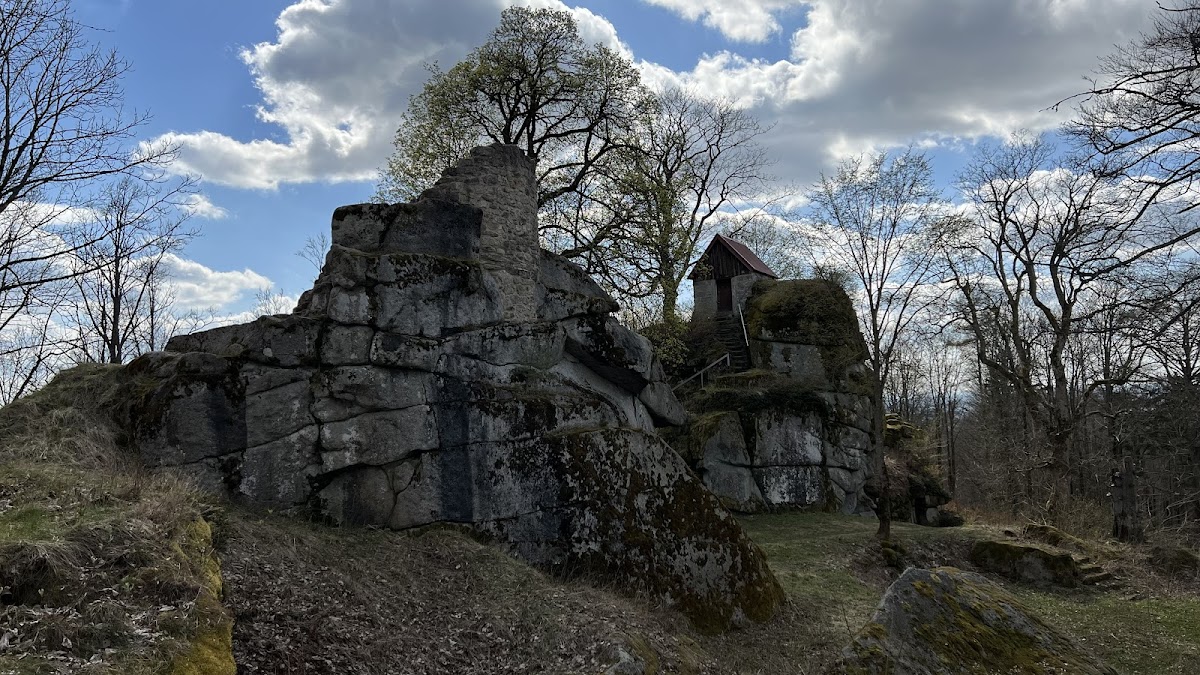
Excavation and conservation initiated by the Haselstein support association were completed in August 2012. Archaeological work exposed the surviving tower remains, rebuilt part of the masonry, and made the tower base visible again. The site is recorded as an archaeological monument under file number D-3-6239-0060 as the medieval castle site “Haselstein.”
Remains
Summit Setting and Layout
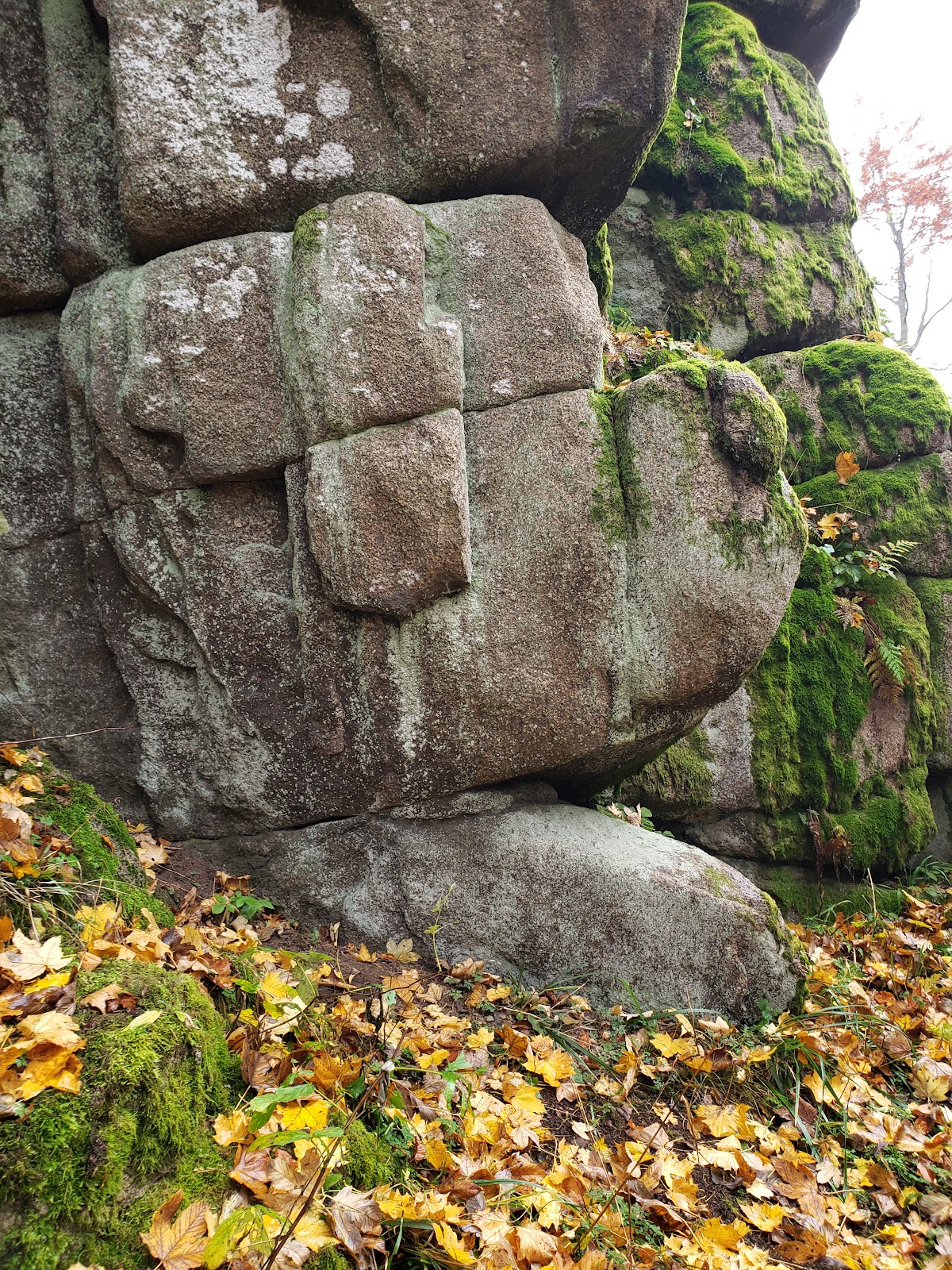
Burgstall Haselstein occupies a wooded summit between Floß, Flossenbürg, and Plößberg in the district of Neustadt an der Waldnaab. The former castle site is arranged around the exposed remains of its tower, while terraced areas extend through the summit landscape. These terraces were formed when the ruins were adapted as a festival ground in approximately 1860, and their dry-stone construction now constitutes most of the visible walls.
Surviving Features and Finds
Tower Base
The principal surviving medieval feature is the exposed base of a tower. Archaeological excavation revealed the remains, and conservation work rebuilt part of the masonry so that the tower base can be seen again. Late-medieval pottery, stove tiles, roof tiles, forged nails, and iron arrowheads found at the site provide material evidence for the former castle.
Festival Terraces
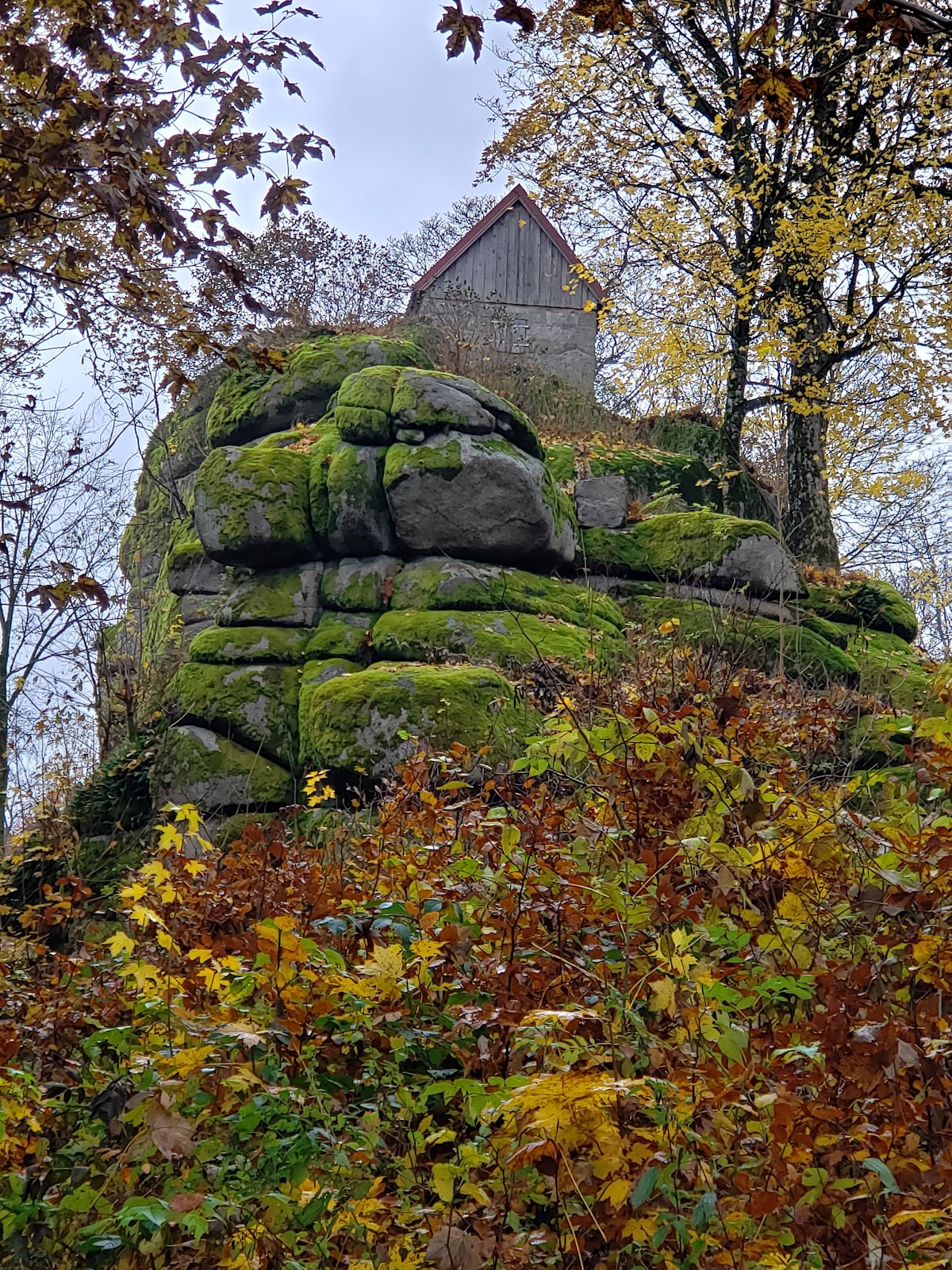
The visible terraced areas are defined mainly by dry-stone walls dating approximately to 1860. They belong to the later recreation and festival ground created over the former castle ruins, rather than to the medieval castle itself. A small modern hunting hut also stands at the site.