Castel Campo: A Medieval Manor in Italy

Site at a Glance
- Rating
- 4.5
- Popularity
- Very Low
- Country
- Italy
- Primary era
- Medieval
- External website
- Open
- Eras represented
- Medieval, Modern
- Civilizations
- Holy Roman Empire
- Site type
- Military
- Remains
- Castle
On this page4 sections
History
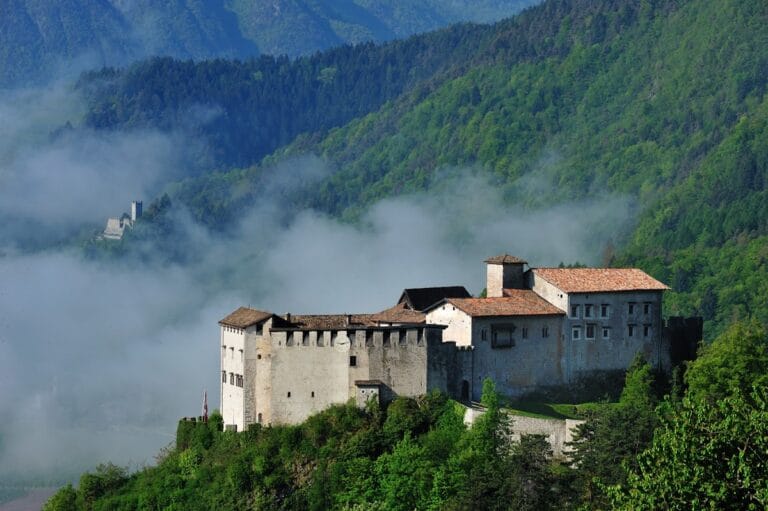
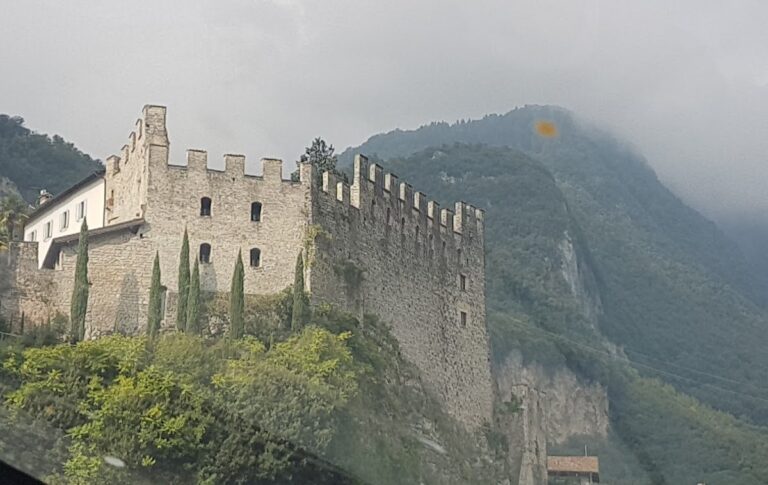
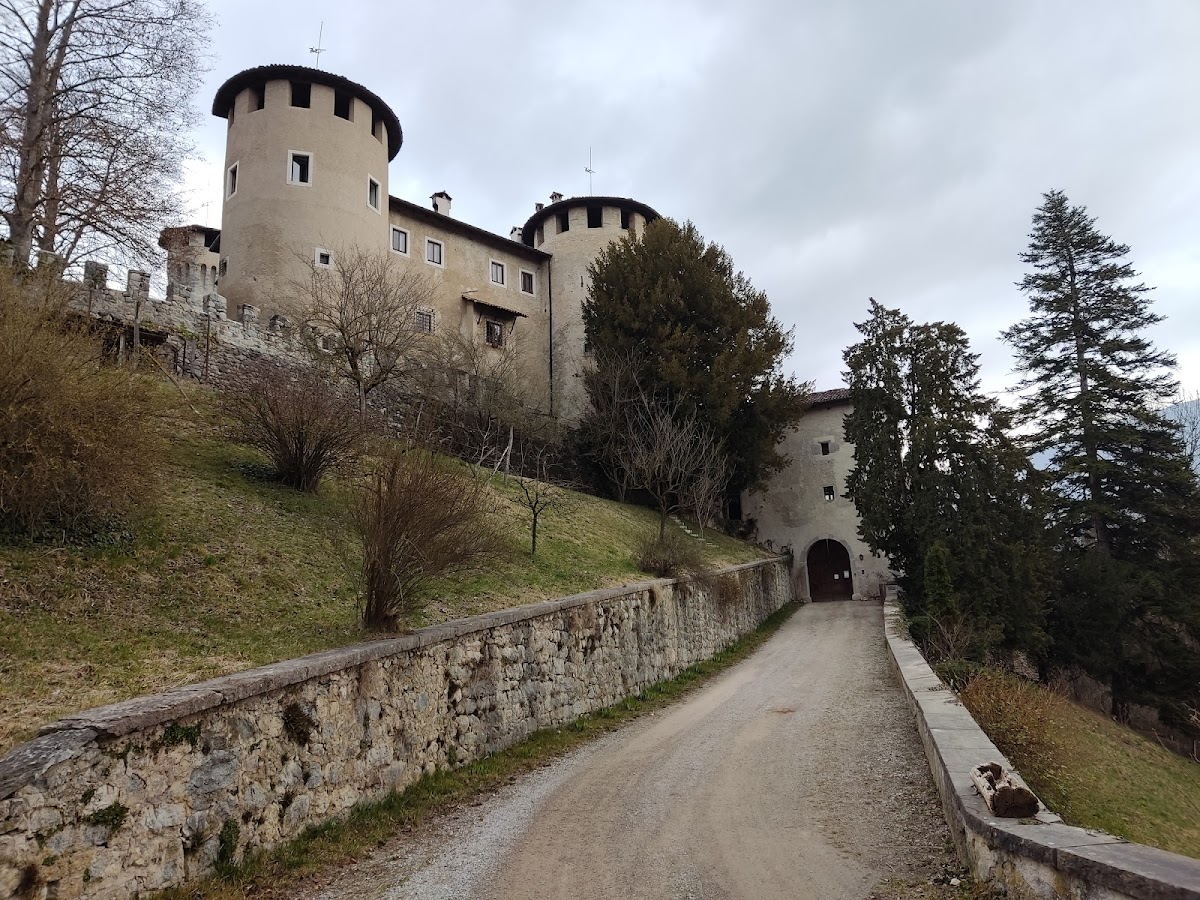
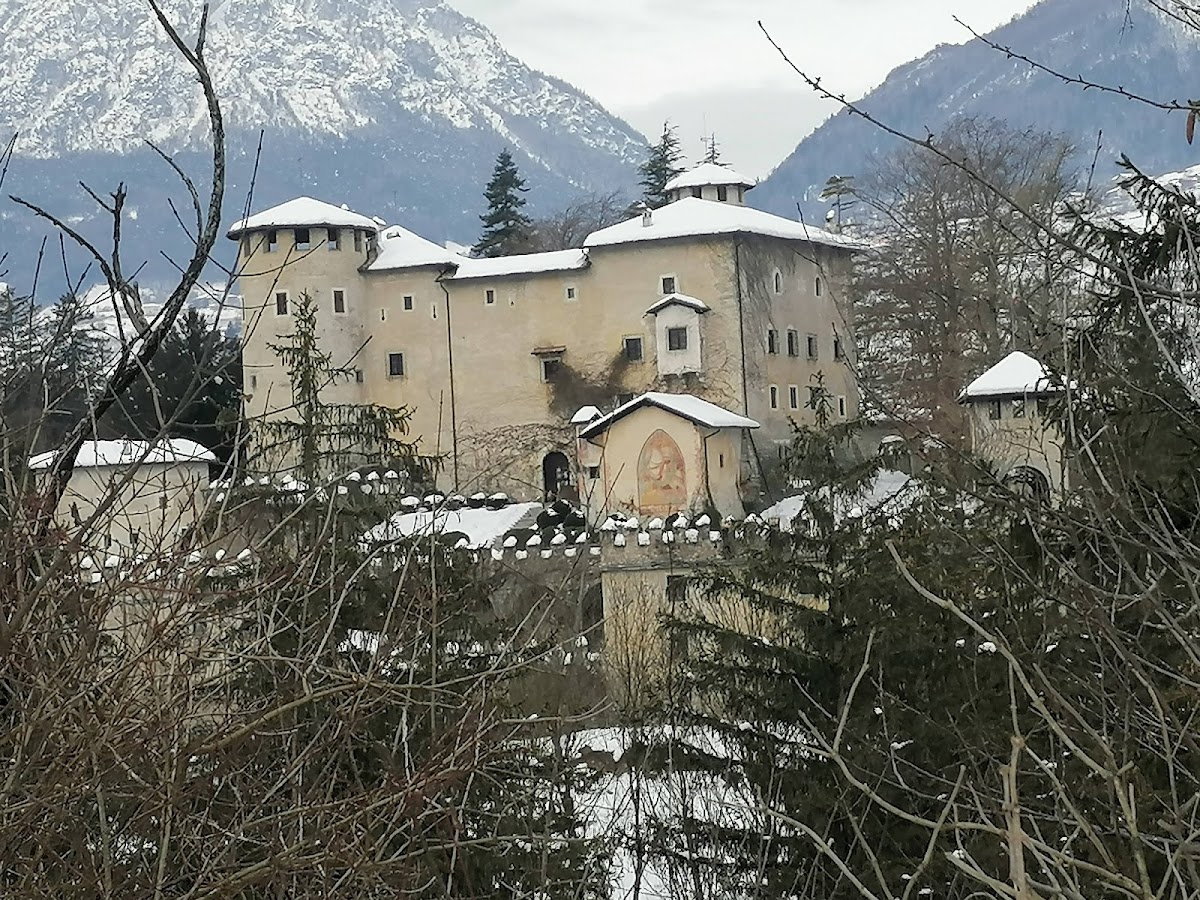
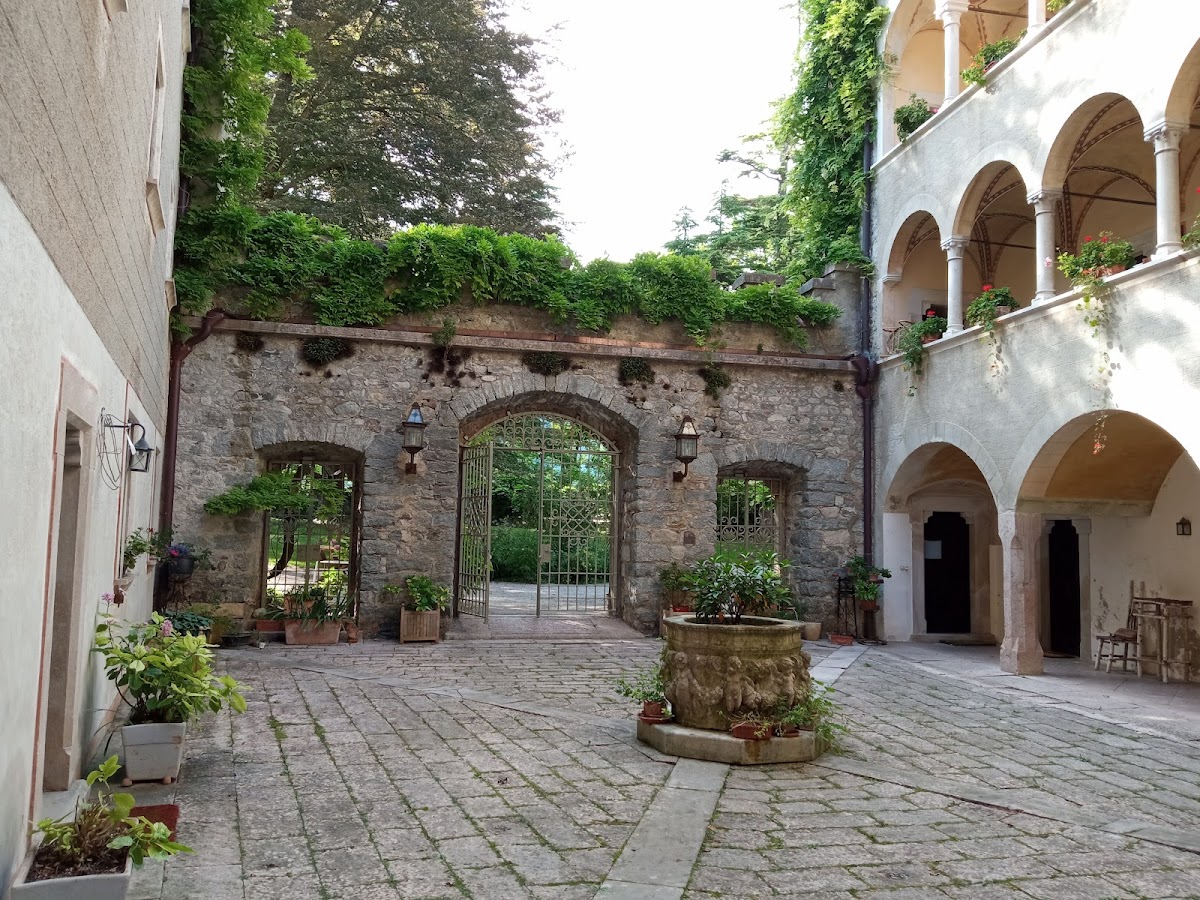
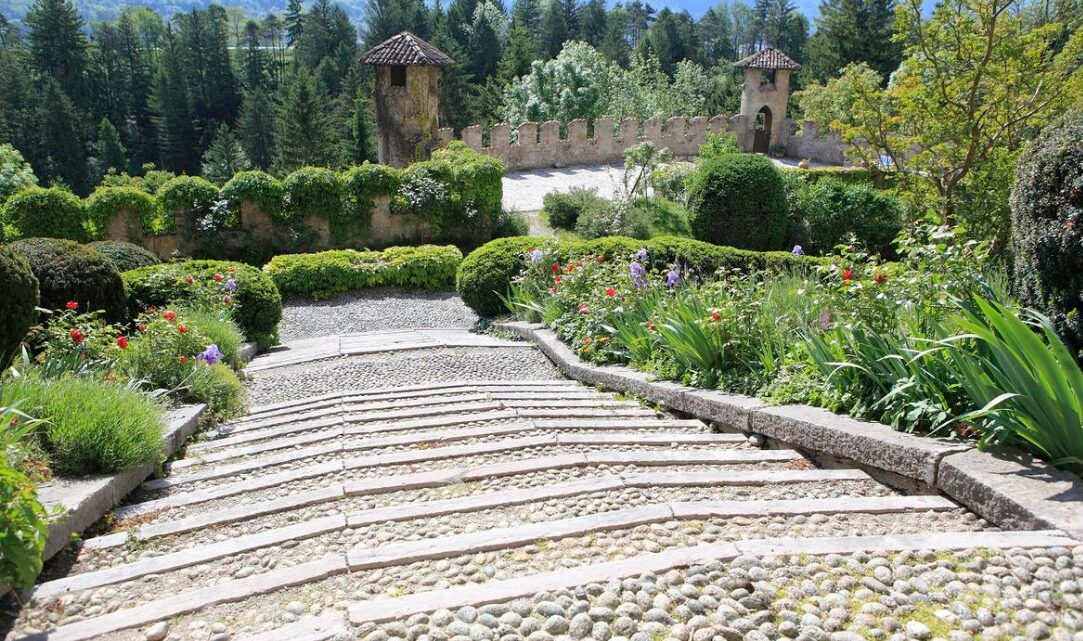
Castel Campo is a medieval fortified manor in Fiavé, Italy, with origins in the twelfth century. It was already a fief of the Campo family when it was first recorded in 1163, and the family later received the feudal investiture, the formal granting of a fief, of Castel Toblino and Castel Merlino as well.
Destruction and Fifteenth-Century Reconstruction
Conflicts among feudal lords almost completely destroyed the castle in 1439. Graziadeo da Campo rebuilt it between 1444 and 1457, commissioning the Maestri comacini, medieval builders and stoneworkers associated with northern Italy and the Alpine region, to decorate the interiors with hunting scenes in fresco.
After Graziadeo’s death, Bishop Hack retained Castel Campo for political reasons rather than allowing it to pass to Graziadeo’s cousin Mattia Galasso, as Graziadeo had requested. In 1468, the Trapp family received the feudal investiture of the castle. The Trapp family, a prominent Tyrolean and Trentino noble family, kept Castel Campo among its possessions until 1891.
Ownership and Modern Restoration
In 1891, the castle was sold to the German owner Teodor Rautenstrauch. He renovated Castel Campo and established a prosperous agricultural enterprise there. After the First World War and Trentino’s transfer to Italy, Rautenstrauch was forced to leave the castle.
The Rasini family of Milan acquired Castel Campo in 1920 and later obtained the title of Count of Castel Campo. Cesare Rasini commissioned the architect Livio Provasoli to begin a further restoration and engaged the Veronese painter Carlo Donati to redecorate the interiors in the Art Nouveau style, an international movement known for flowing lines, organic forms, and ornamental design. Castel Campo remains privately owned by the Rasini family and is recognized as Italian national heritage.
Remains
Castel Campo survives as a medieval castle or fortified manor in the municipality of Fiavé. Its interiors preserve the rich fresco decoration associated with the fifteenth-century rebuilding between 1444 and 1457, including hunting scenes produced by the Maestri comacini. Later interior decoration by Carlo Donati added frescoes in the Art Nouveau style, giving the surviving rooms a second major decorative phase alongside their medieval elements.