Castello Galluppi di Caria: An Eighteenth-Century Country House in Calabria


Site at a Glance
- Rating
- 4.5
- Popularity
- Low
- Country
- Italy
- Primary era
- Modern
- External website
- Open
- Eras represented
- Early Modern, Modern
- Civilizations
- Italian, Kingdom of Naples, Kingdom of the Two Sicilies
- Site type
- Domestic
- Remains
- Castle
On this page5 sections
History
Construction and ownership
Castello Galluppi di Caria is an eighteenth-century country house in Italy, located in Carìa, a hamlet of Drapia in Calabria. In the early nineteenth century, the philosopher Pasquale Galluppi of Tropea had the house built as a summer residence on the foundations of an earlier eighteenth-century house.
After Galluppi’s death, the property stayed with his family before passing by sale to the Toraldo family. The house is also known as Castello Galluppi-Toraldo, reflecting its association with both families.
The Roncalli visit and twentieth-century restoration
On 4 November 1923, Monsignor Giuseppe Roncalli visited the house. Roncalli later became Pope John XXIII, head of the Roman Catholic Church from 1958 to 1963. He had lunch in the garden with the Marquis Toraldo, the archpriest of Carìa Don Antonio Pugliese, and the economist Don Francesco Pugliese. A plaque on the facade commemorates the occasion.
During the twentieth century, the building deteriorated progressively, and collapsing battlements became a danger to traffic passing the house. Following a thirty-year legal dispute, the Municipality of Drapia expropriated the historic property in 2009 and later restored it. The house is identified as an Italian national heritage property.
In February 2023, a center opened in the restored house to introduce children and young people to philosophical ideas associated with Pasquale Galluppi, Socrates, and Plato. The former assembly hall was intended for conversion into a library for students and residents of Carìa.
Remains
House and garden
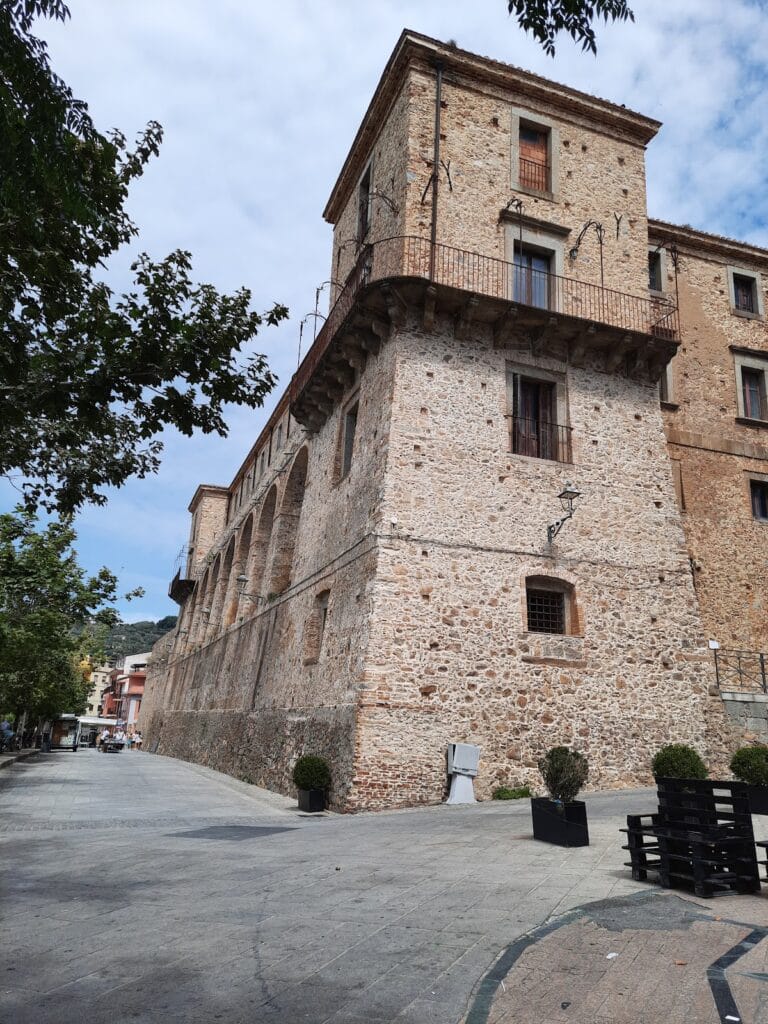
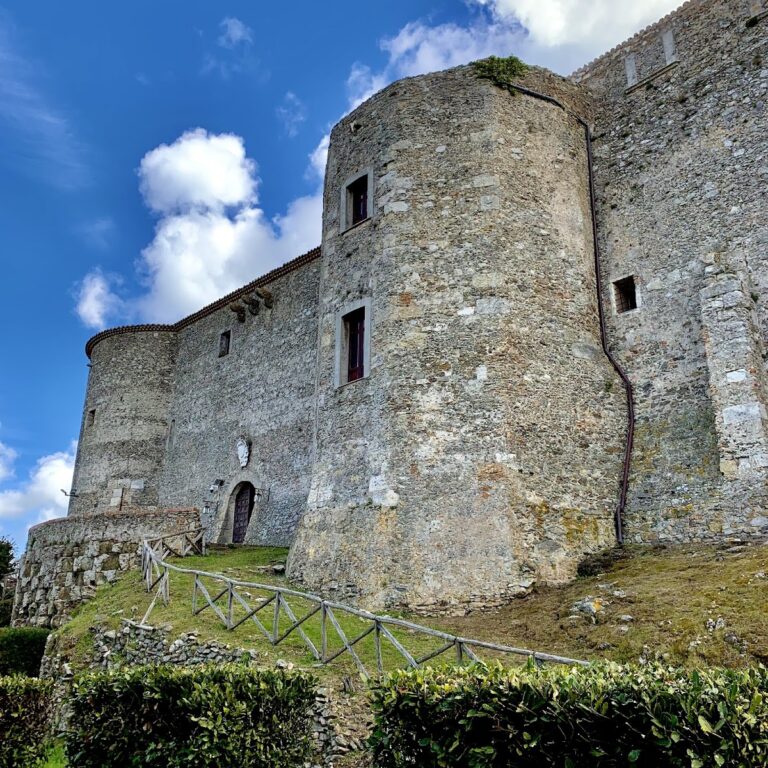
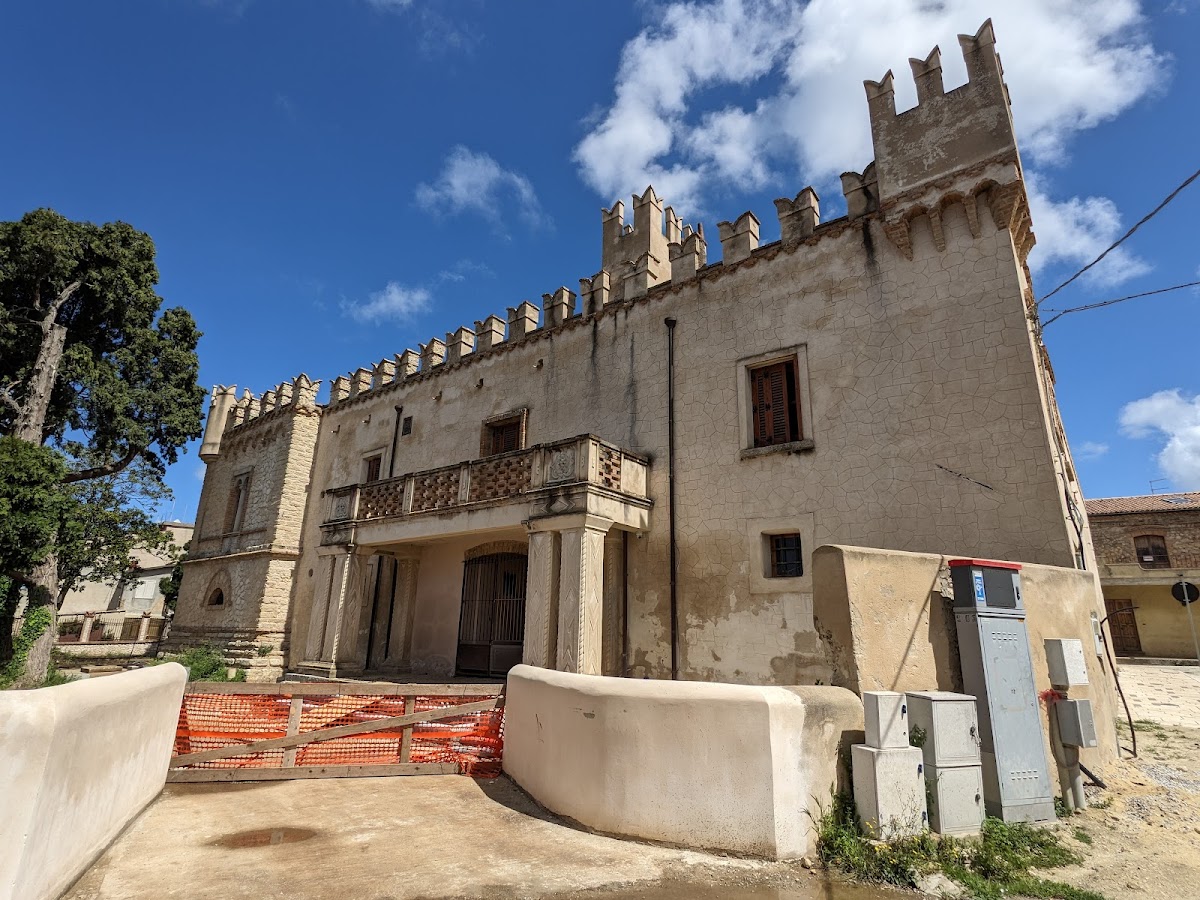
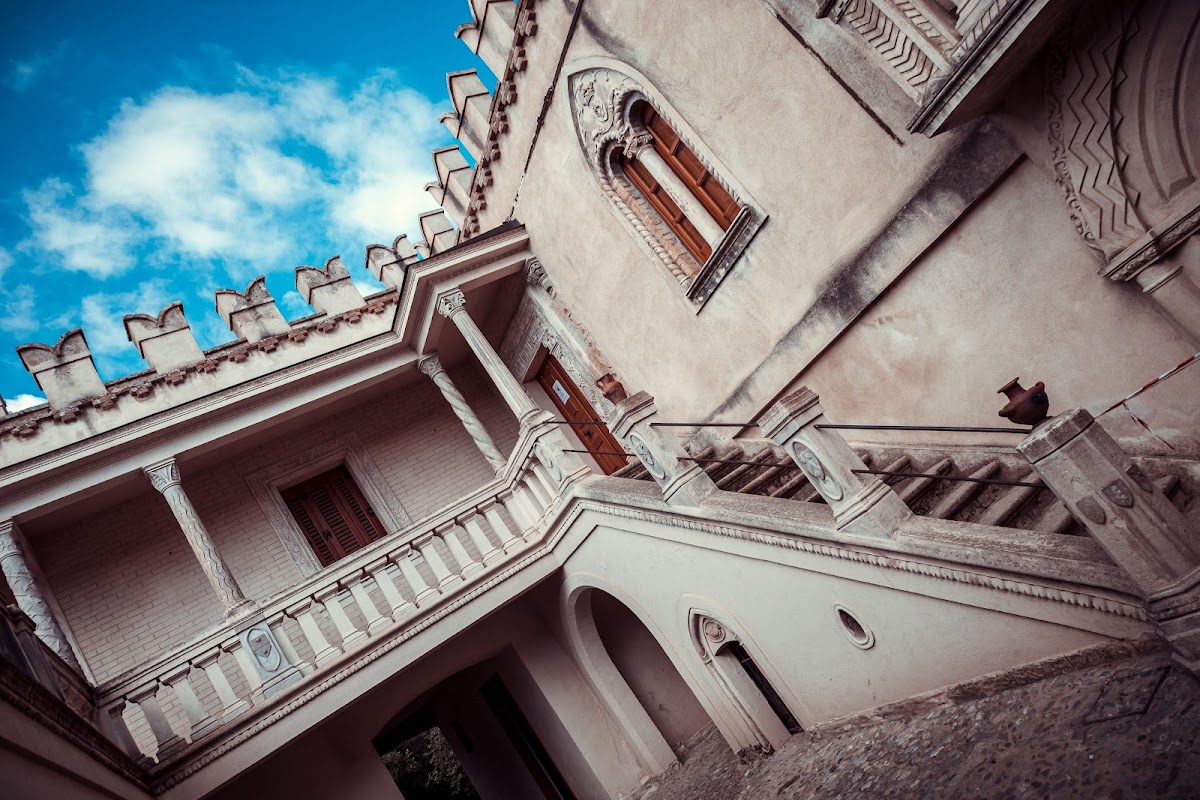
The two-storey house has an irregular plan and stands on Via Regina Elena in Carìa, within the municipality of Drapia in the Province of Vibo Valentia. Battlements added in 1920 gave the country house the appearance of a medieval castle. Its castle-like character is reinforced by Neo-Gothic pointed-arch double windows, a prominent balcony with a balustrade, and curtain-like walls. The building is surrounded by a garden containing century-old trees, while the facade carries the plaque commemorating Giuseppe Roncalli’s visit in 1923.