Château de la Crête: A Fortified Castle in France


Site at a Glance
- Rating
- 4.5
- Popularity
- Low
- Country
- France
- Primary era
- Modern
- External website
- Open
- Eras represented
- Medieval, Modern
- Civilizations
- French
- Site type
- Domestic
- Remains
- Castle
On this page7 sections
History
Château de la Crête is a fortified castle in Audes, France, whose original fortress dates from the fourteenth century. The old castle remained inhabited until the French Revolution, after which it fell into ruin. A later château, built between 1895 and 1905 in the lower bailey of the former fortress, forms part of the present complex.
The Medieval Fortress
The fourteenth-century fortress belonged to a succession of owners over the centuries. François de Beaucaire de Péguillon, a sixteenth-century Catholic bishop who served as bishop of Metz from 1555 to 1568, was born at Château de la Crête on 15 April 1514. He died there on 14 February 1591 and is regarded as the best-known of the castle’s owners.
In the seventeenth century, the property belonged to the Luylier de la Souchère family. The original castle continued to be inhabited until the French Revolution, but it later became a ruin. The present château was then constructed within the former fortress’s lower bailey between 1895 and 1905.
Protection and Ownership
Château de la Crête was listed as a French historic monument by an order dated 28 December 2006. The property remains privately owned.
Remains
The complex stands about 1.5 kilometres west of the village of Audes, north of the Forêt stream and above its valley. Its buildings are arranged around a central courtyard. The surviving site brings together the ruined medieval fortress and the later château occupying the lower bailey.
Fortress and Later Château
Former Fortress
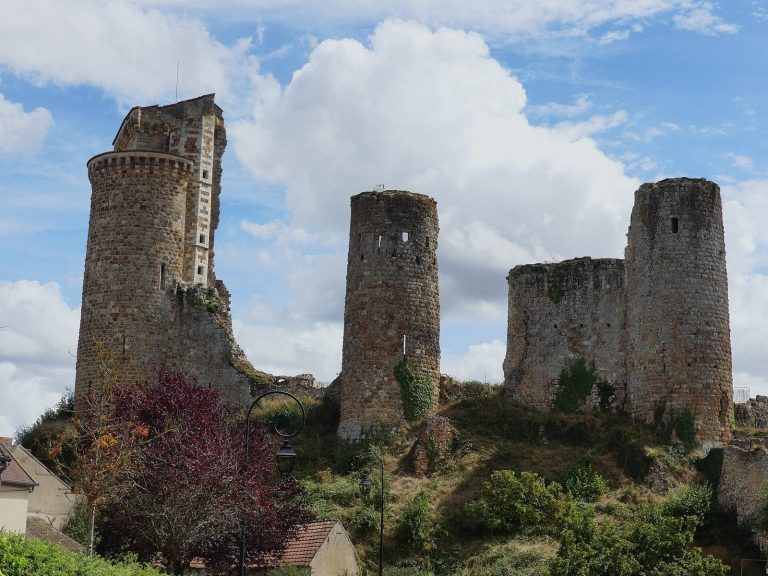
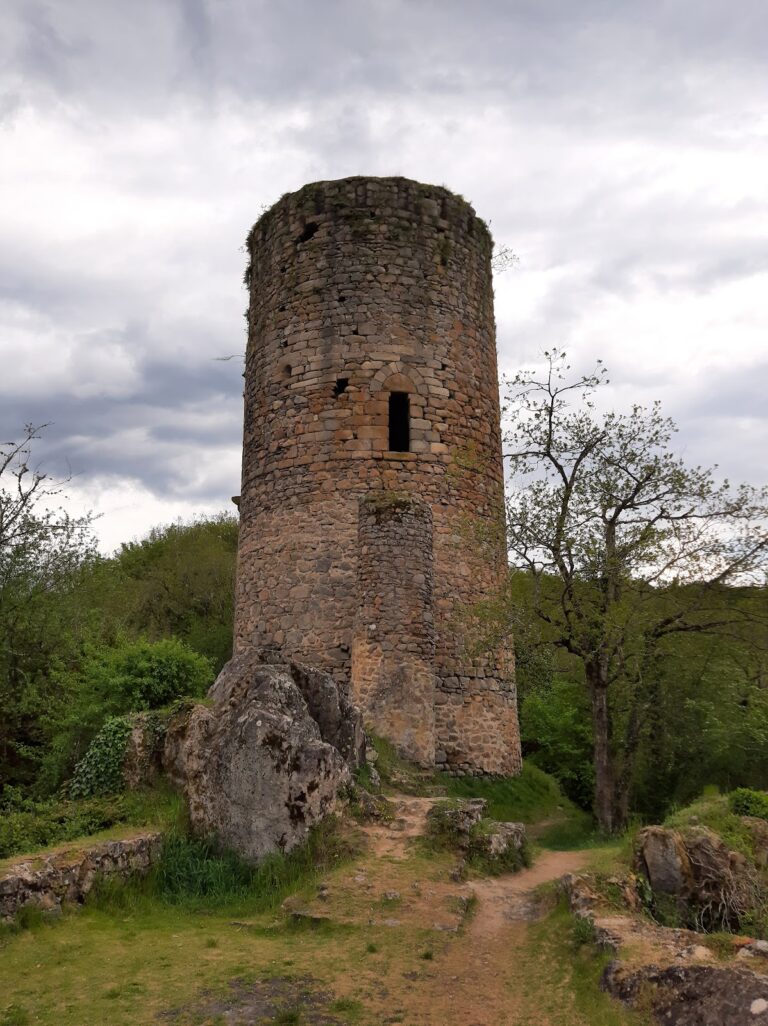
The former fortress survives in a ruined state. Its lower bailey, an enclosed subsidiary area within or adjoining a medieval castle, was used for the construction of the present château. This arrangement preserves a physical relationship between the medieval defensive complex and the later residence.
Present Château
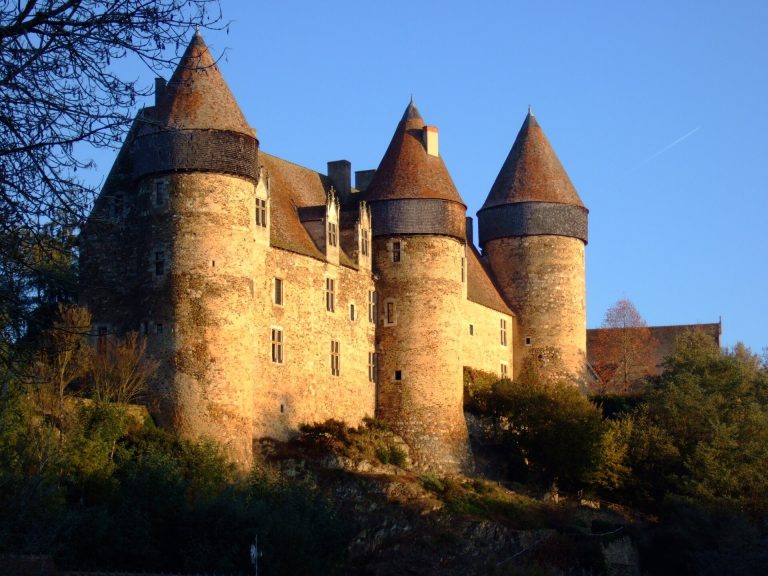
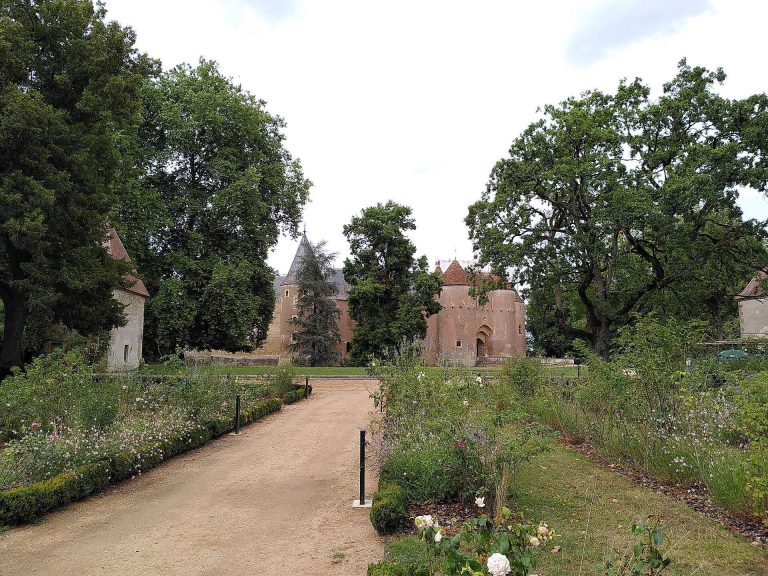
The present château was built between 1895 and 1905 and is described as Renaissance in style, drawing on architectural forms inspired by classical antiquity. A projecting porch forms part of the complex, which also includes towers and turrets. The grounds contain a neo-Gothic dovecote, a structure designed to house pigeons or doves, with mullioned windows divided into separate openings by vertical bars.