Dornoch Castle: A Former Episcopal Palace and Courthouse in Scotland
Site at a Glance
- Rating
- 4.3
- Popularity
- Low
- Country
- United Kingdom
- Primary era
- Early Modern
- External website
- Open
- Eras represented
- Early Modern, Modern
- Civilizations
- British, Kingdom of Scotland
- Site type
- Domestic
- Remains
- Castle
On this page10 sections
History
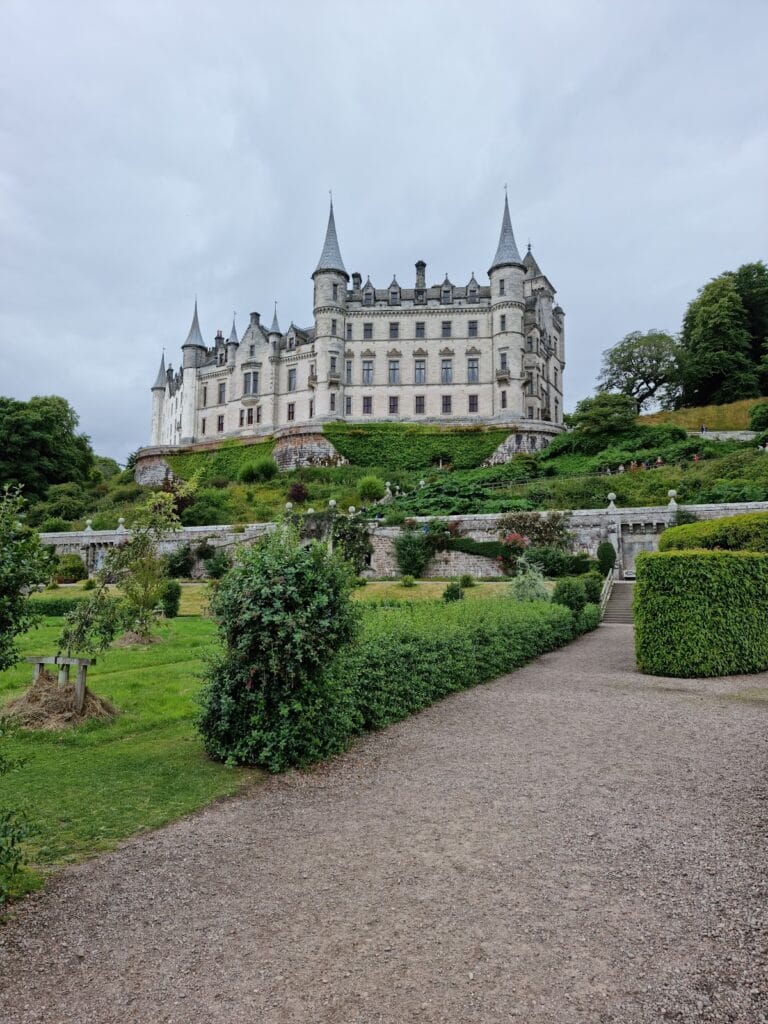
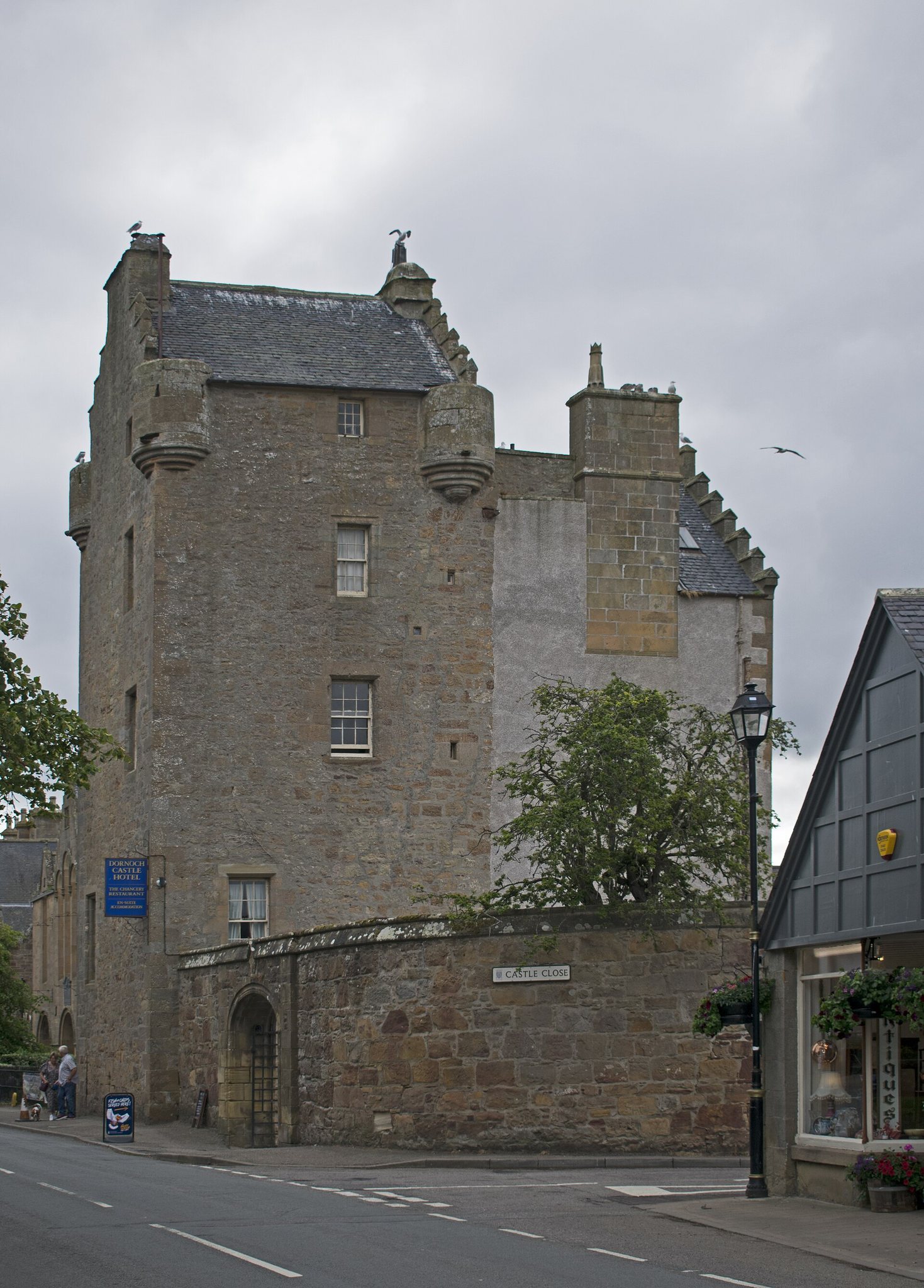
Dornoch Castle is a historic castle in Dornoch, United Kingdom, built around 1500 as the residence of the bishops of Caithness. Originally known as the Palace of Dornoch, it served the senior Christian ecclesiastical authority of the medieval and early-modern Diocese of Caithness.
Episcopal residence and sixteenth-century rebuilding
In 1557, Bishop Robert Stewart transferred the castle to John Gordon, 11th Earl of Sutherland, and his heirs. The Gordon family thereafter held the hereditary constableship of the Palace of Dornoch, an office responsible for the custody and administration of the residence.
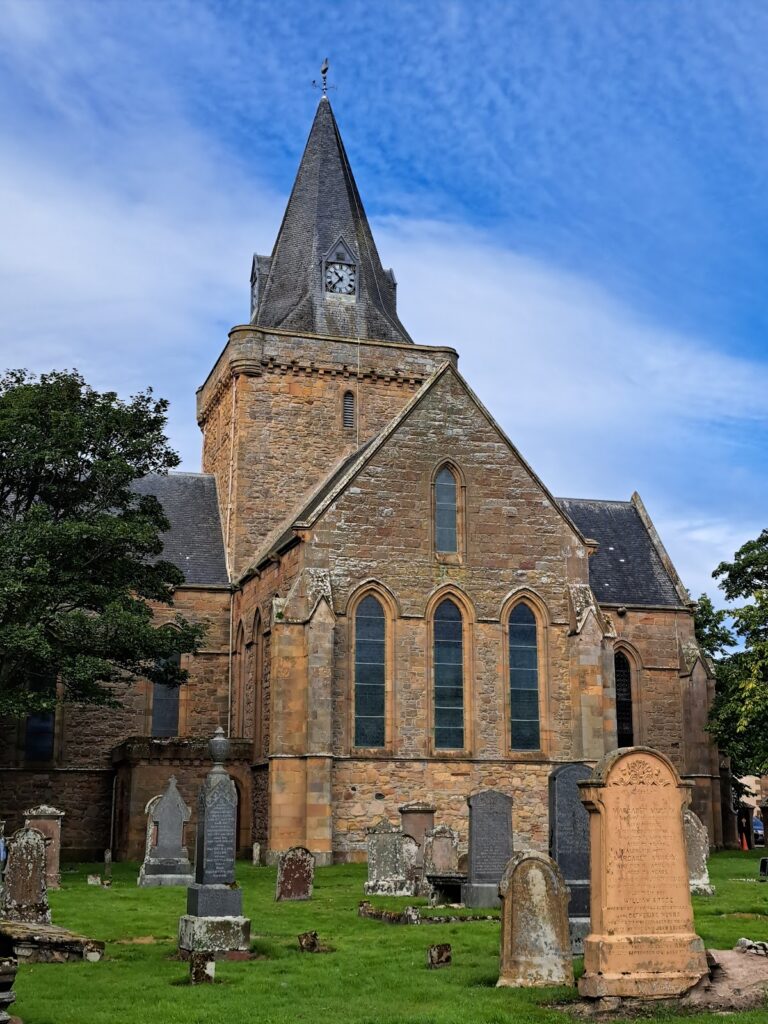
The castle was burned in 1570 during a feud between the McKays and the Murrays. The townspeople endured the conflict for a week in the cathedral tower and the castle. Rebuilding followed the fire and included the addition of the upper part of the tower, changing the form of the earlier episcopal residence.
Public and judicial uses
Dornoch Castle declined during the eighteenth century, before restoration in 1813 and 1814. It was subsequently used as both a school and a prison. During the first half of the nineteenth century, a room in the tower hosted court hearings.
Extensive remodelling by the architect William Fowler in 1859 and 1860 transformed the building into a courthouse and the headquarters of the Sheriff of Sutherland. It also became a residence for George Sutherland-Leveson-Gower, 2nd Duke of Sutherland. Further alterations around 1880 prepared the castle for use as a hunting lodge by visiting sporting guests.
Hotel conversion and protection
The castle was sold to a private developer in 1922 and converted into a hotel in 1947. Since 2000, the Thompson family has owned and operated it as a family-run hotel. Dornoch Castle is a Category B listed building, a protected historic building of regional or more than purely local importance in Scotland.
Remains
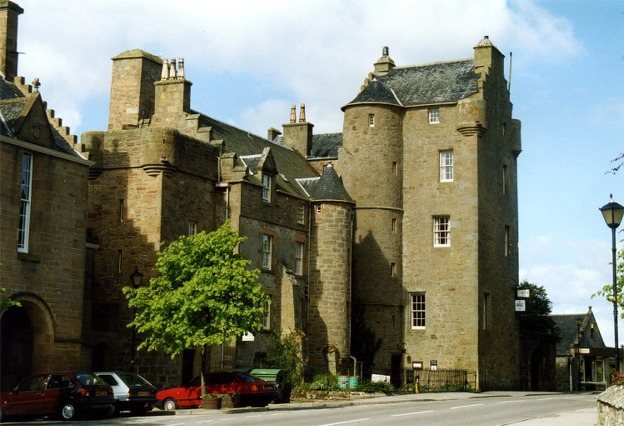
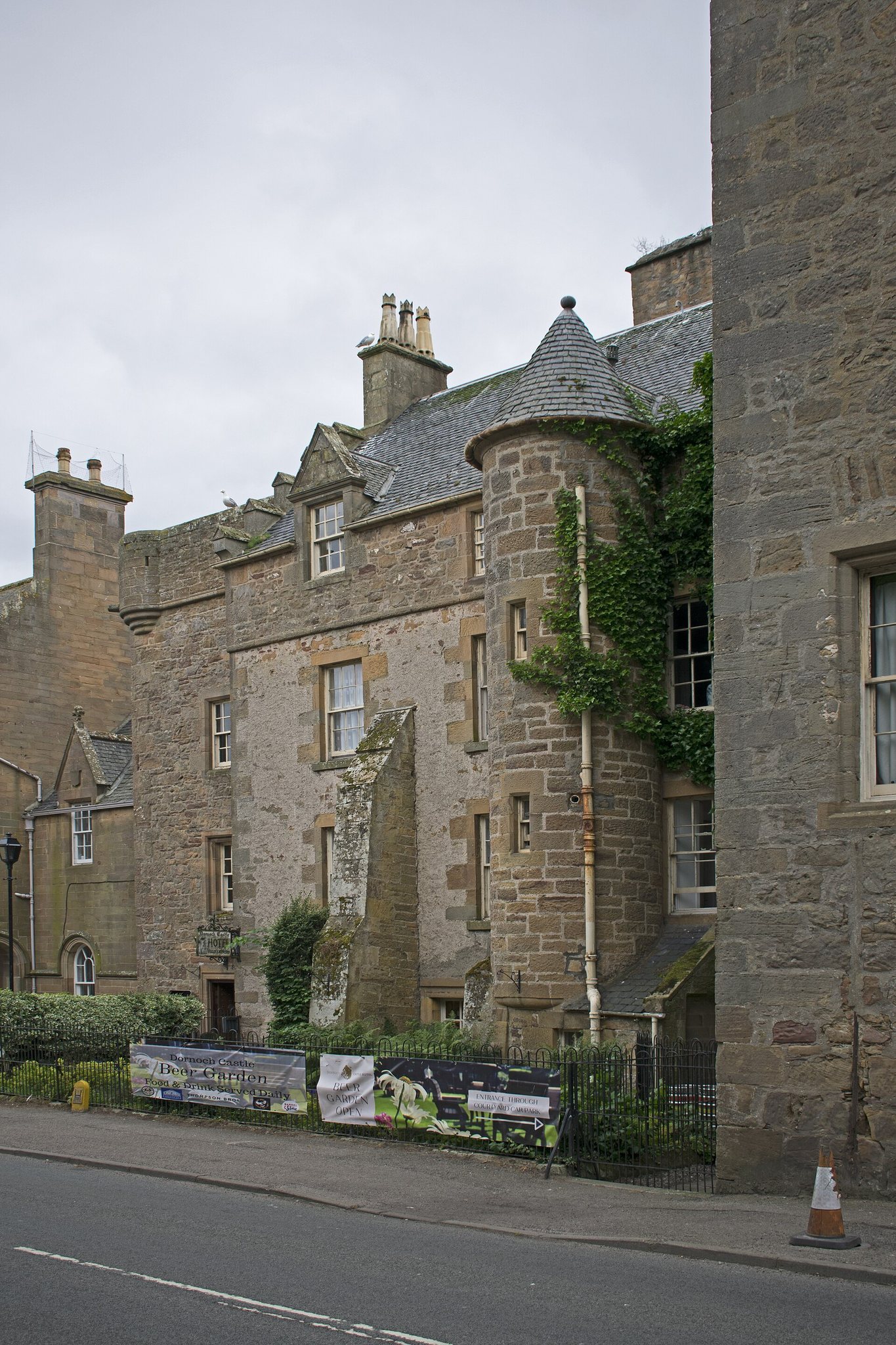
Dornoch Castle stands opposite Dornoch Cathedral in the town of Dornoch, within the historic county of Sutherland. Its surviving form brings together the original tower and later additions made during rebuilding, courthouse conversion, and nineteenth-century restoration.
Tower and historic interior
Tower court room
A room in the tower was used for court hearings during the first half of the nineteenth century. It is reached by a spiral staircase, whose steps wind around a central axis within the compact tower space. The tower also preserves the upper section added after the fire of 1570.
Nineteenth-century additions and hotel use
Raised south-west block
The alterations around 1880 raised the south-west block and added a three-storey tower on the east side. These changes form part of the building’s later appearance, following its use as a courthouse, official residence, and hunting lodge.
Hotel accommodation
The building now contains 24 rooms, including suites and garden rooms added during the 1970s. Several rooms have individual designs, and the hotel also includes a restaurant. A local tradition holds that the castle is haunted by Andrew McCornish, a Covenanter, meaning a Scottish Presbyterian opposed to episcopal government and royal religious policies, who was hanged for sheep stealing in the seventeenth century.