Castle of San Juan de las Águilas: An Eighteenth-Century Coastal Fortress


Site at a Glance
- Rating
- 4.4
- Popularity
- Medium
- Country
- Spain
- Primary era
- Early Modern
- External website
- Open
- Eras represented
- Early Modern
- Civilizations
- Spanish
- Site type
- Military
- Remains
- Fort
On this page5 sections
History
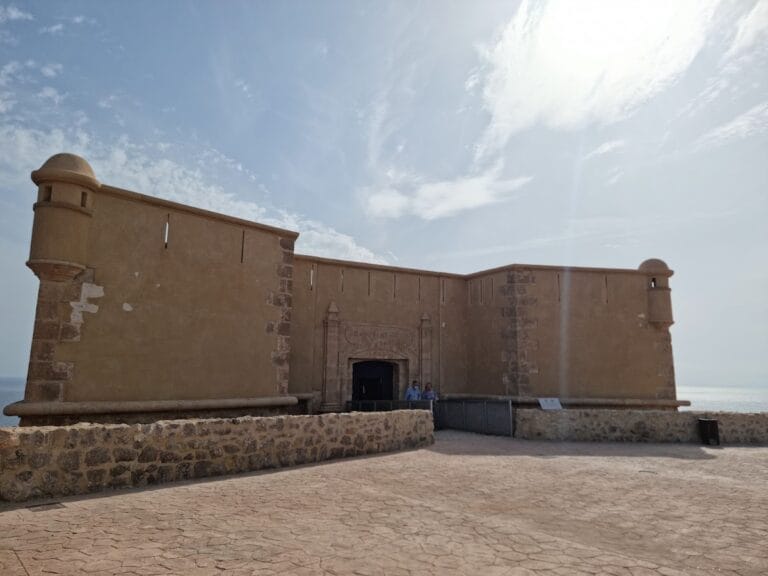
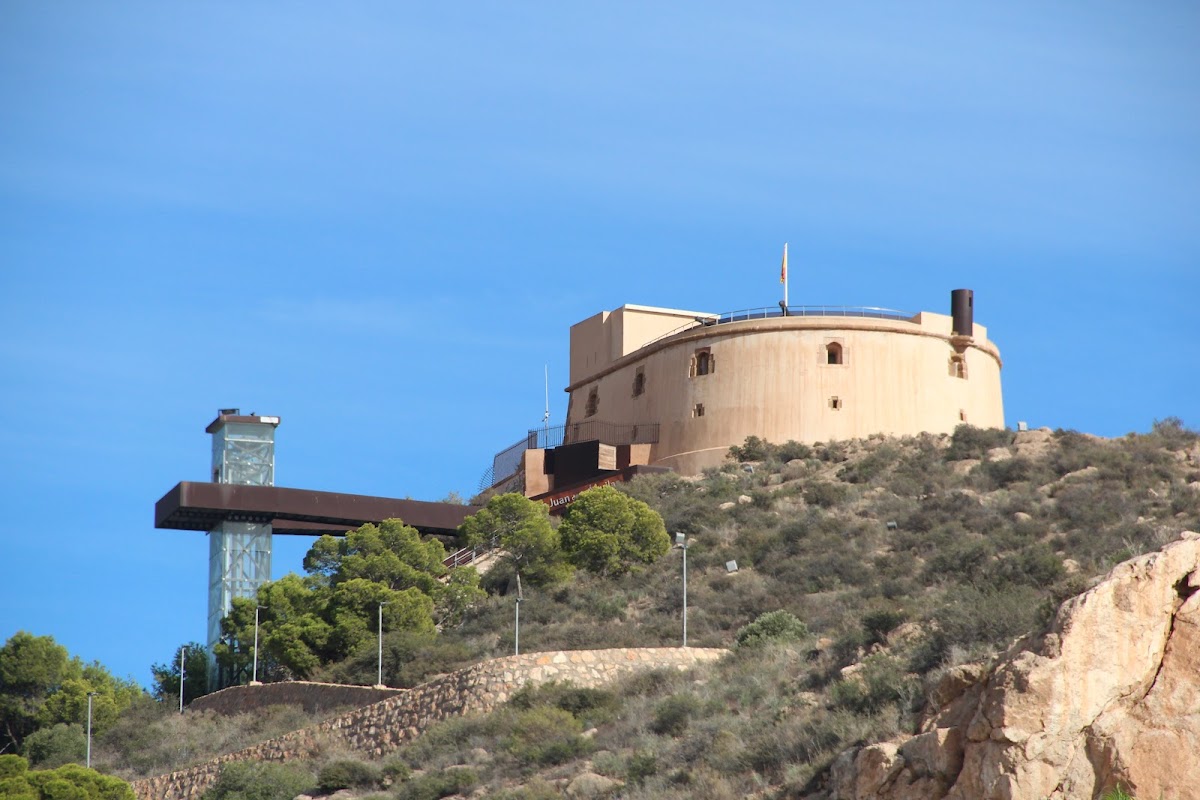
The Castle of San Juan de las Águilas is an eighteenth-century military fortification in Spain, rising above the town of Águilas in Murcia. It occupies the site of an earlier coastal-defense installation and reflects the long effort to protect this southeastern Mediterranean shore from Barbary pirates, North African corsair groups whose maritime raids affected coastal communities during the early modern period.
The San Juan watchtower
In 1579, during the reign of Philip II, a watchtower known as San Juan was erected on the Águilas promontory. The project was entrusted to Vespasiano I Gonzaga, an Italian military engineer and statesman associated with Spanish Habsburg coastal-defense works. The tower was intended to warn troops in Lorca when attacks approached and was planned to resemble the nearby Torre de Cope.
An earthquake damaged the watchtower in 1596. Barbary attacks destroyed it in 1643, and Philip IV was informed of its loss that same year. In 1652, he ordered the Council of Lorca to rebuild the installation.
The eighteenth-century fortress
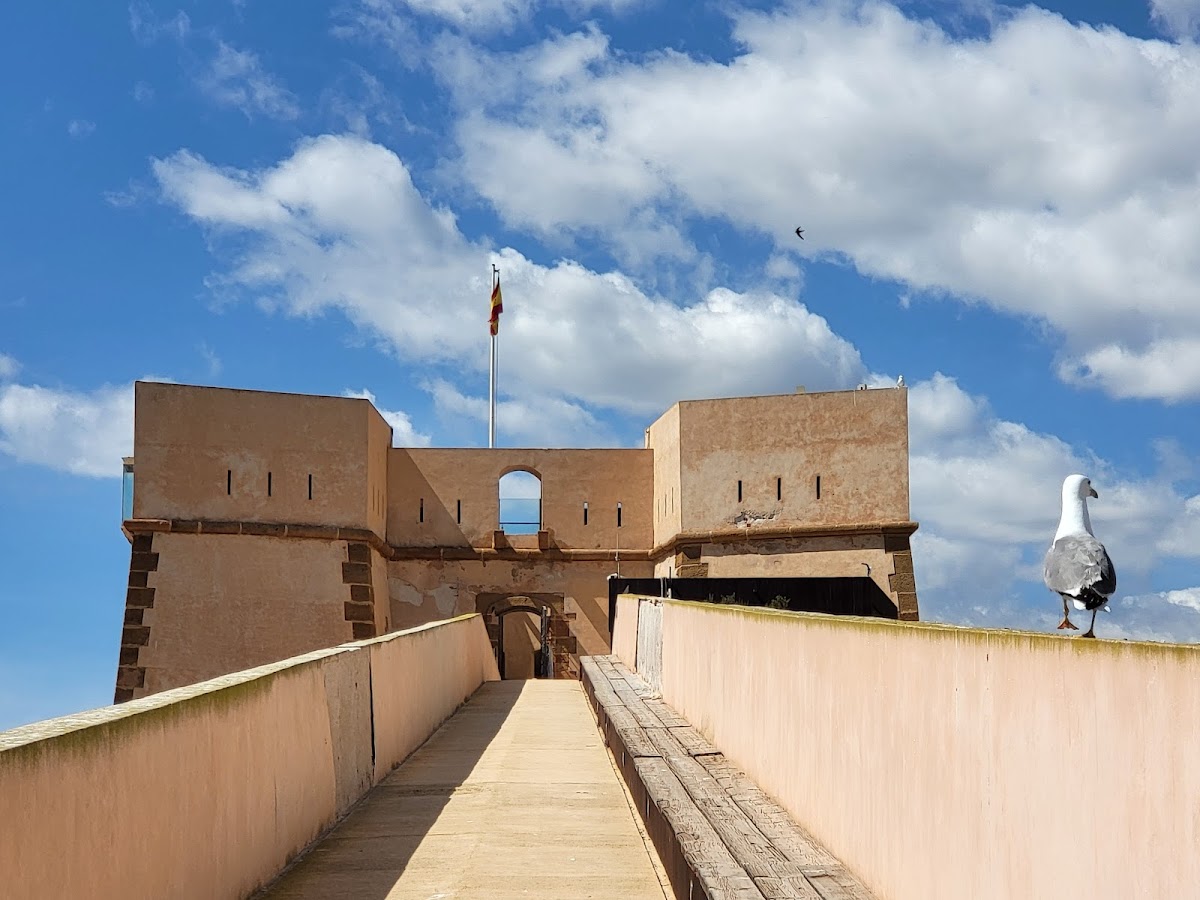
By around 1751, the earlier tower was in ruins. Sebastián Feringán, a military engineer who directed works at the Arsenal of Cartagena, reported its condition to the Marquess of Ensenada and presented a project for a new castle. The present fortress was built in the mid-eighteenth century as a military replacement for the earlier lookout.
The castle has since been restored. On 22 December 1982, it was declared a Spanish Property of Cultural Interest, a formal heritage designation for places recognized for historical, artistic, archaeological, or cultural value.
Remains
Promontory and fortress
The castle stands on a promontory approximately 45 metres above sea level, overlooking Águilas near Spain’s southeastern coast. The terrain is hilly to the north and flatter toward the southwest, while the sea lies to the southeast. This elevated position formed the physical setting for both the sixteenth-century San Juan watchtower, which functioned as a coastal lookout and warning post, and the later eighteenth-century military fortification. The surviving structure is in restored condition.