Castle of Galeras: Cartagena’s Eighteenth-Century Coastal Fortress
Site at a Glance
- Rating
- 4.6
- Popularity
- Low
- Country
- Spain
- Primary era
- Early Modern
- Eras represented
- Early Modern
- Civilizations
- Spanish
- Site type
- Military
- Remains
- Citadel
On this page9 sections
History
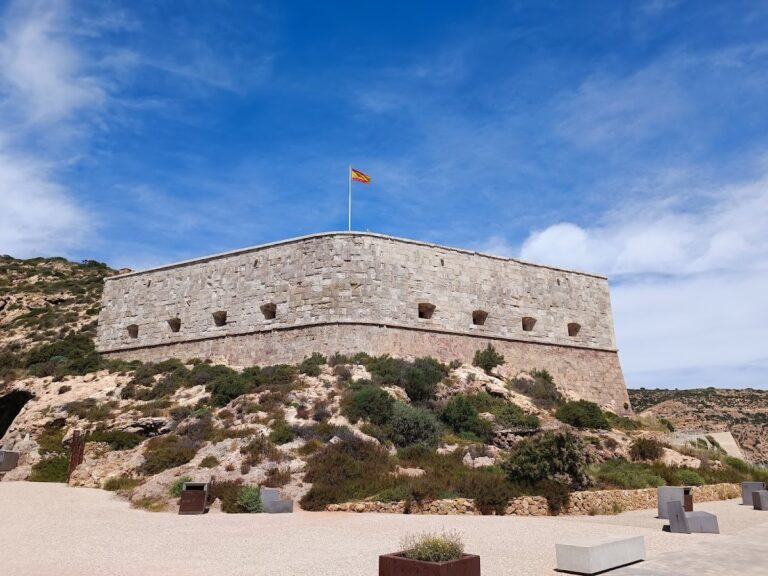
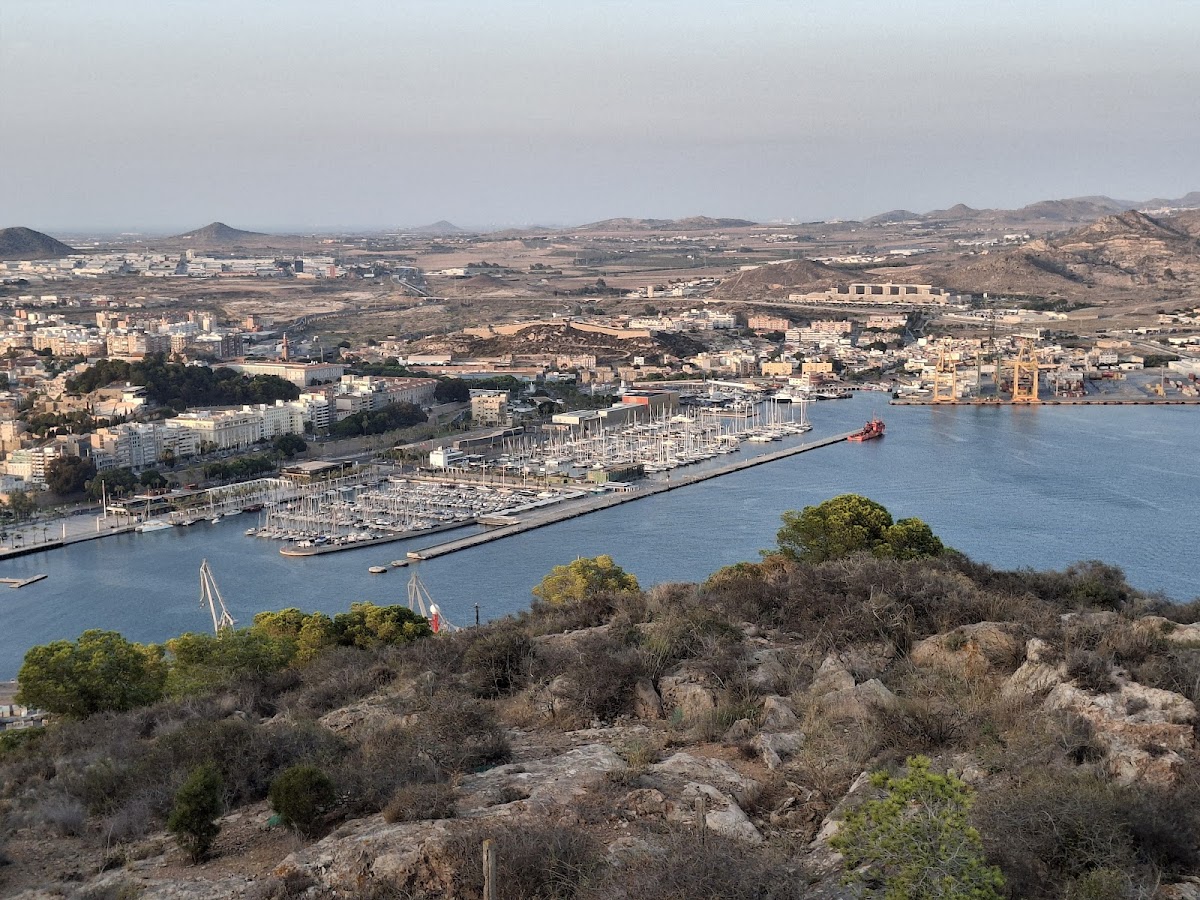
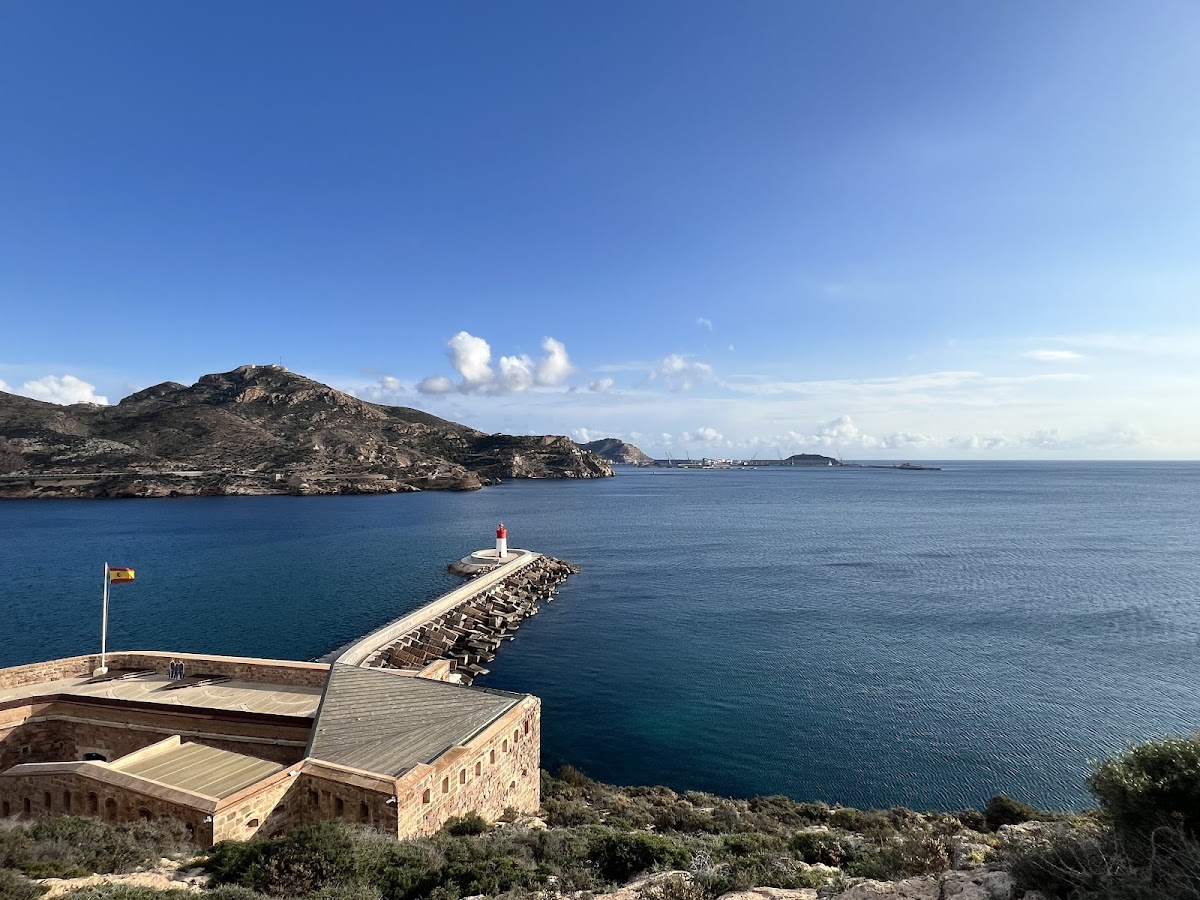
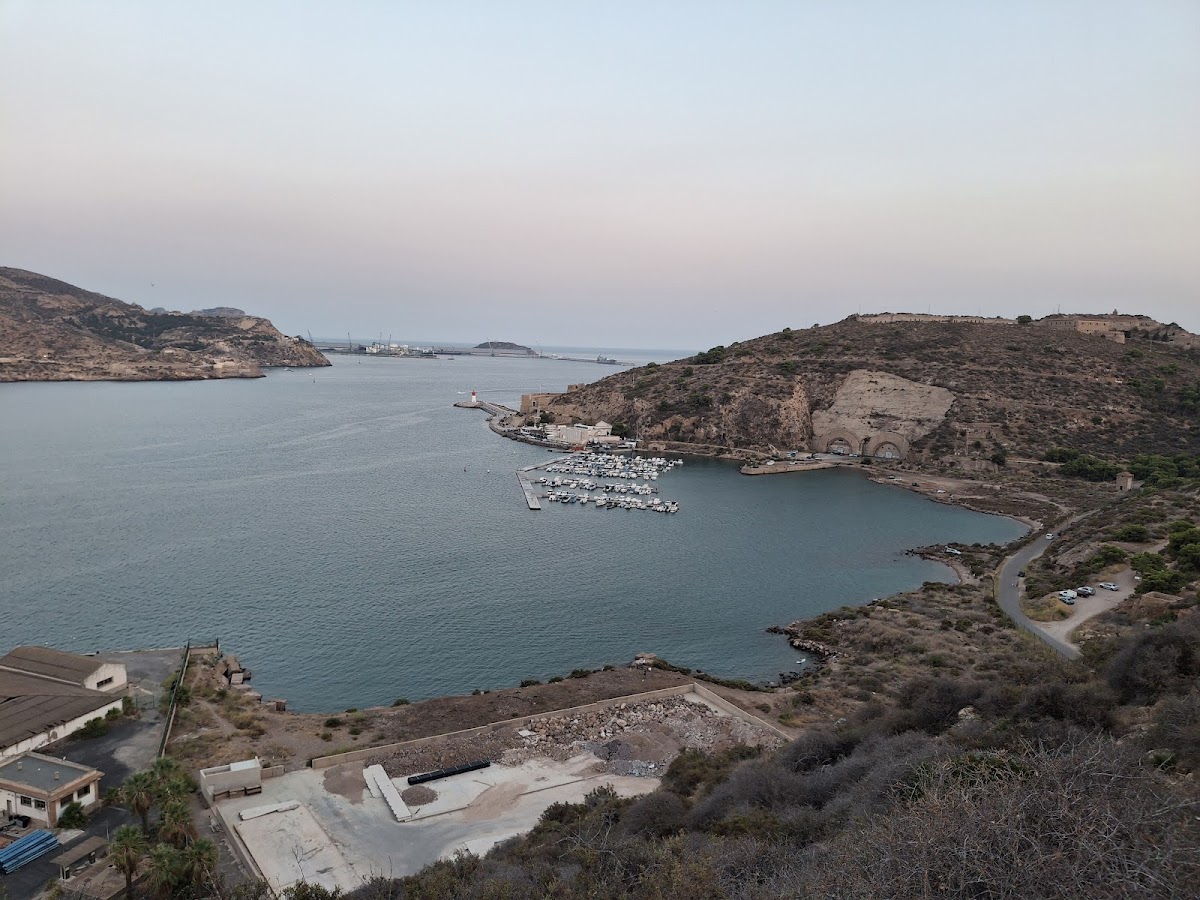
The Castle of Galeras, also known as the Fort of Galeras, is an eighteenth-century Spanish fortification on Mount Galeras in Cartagena, Spain. Built in an eclectic neoclassical style during the second half of the eighteenth century, it protected Cartagena’s shipyards and formed part of the city’s expanded military defenses under Charles III.
Mount Galeras and the city’s defenses
Mount Galeras had been recognized as a strategically important position before the present fort was constructed. In the mid-sixteenth century, Vespasiano I Gonzaga, an Italian military figure and fortification specialist, considered moving the entire city of Cartagena to the mountain. He believed the original location could not withstand advances in firearms, but the proposal was abandoned.
The fort was later incorporated into a major improvement of Cartagena’s defenses during the reign of Charles III, King of Spain from 1759 to 1788. The program followed Cartagena’s appointment in 1726 as capital of the Mediterranean Maritime Department, a naval administrative command centered on the city. The Castle of Galeras was intended to protect the shipyards in coordination with the nearby Castle of Atalaya.
Construction and military use
Construction began under Pedro Martín-Paredes Cermeño and was completed in 1777 by Mateo Vodopich, a military engineer of Ragusan origin. During the twentieth century, the fort’s role as a defensive work declined, and it was converted into a military prison. In 1987, jurisdiction over the site passed from the Army to the Navy.
The Cantonal Rebellion
On the night of 11–12 July 1873, federal republicans incited the garrison to revolt at the beginning of the Cantonal Rebellion, a federalist uprising in Spain during the First Republic. A traditional story claims that the rebels fired a cannon and raised an Ottoman flag after failing to find a red one. According to the same account, an insurgent stained the flag with his own blood to make it appear red, prompting Captain General José Dueñas to report to Madrid that the castle had raised a Turkish flag.
More recent historical analysis rejects this episode as a propagandistic or mocking tradition. Communications by José Dueñas and the French consul in Cartagena indicate that the first flag raised was a red, yellow, and purple tricolor. A red flag was raised later, after Murcian federalists adopted it through the Federal Pact of Córdoba of 1869.
The Castle of Galeras was declared a Property of Cultural Interest in Spain on 7 August 1997. Its continued belonging to the Armed Forces has restricted access and contributed to the fort’s good state of conservation.
Remains
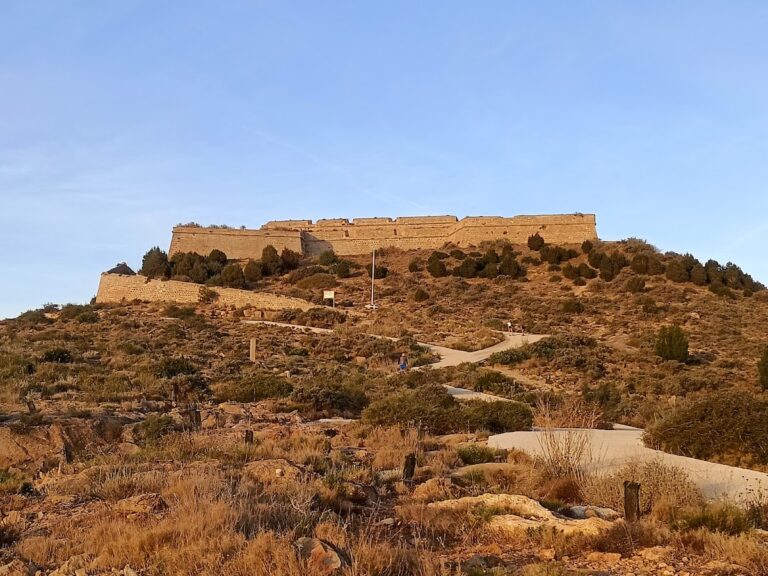
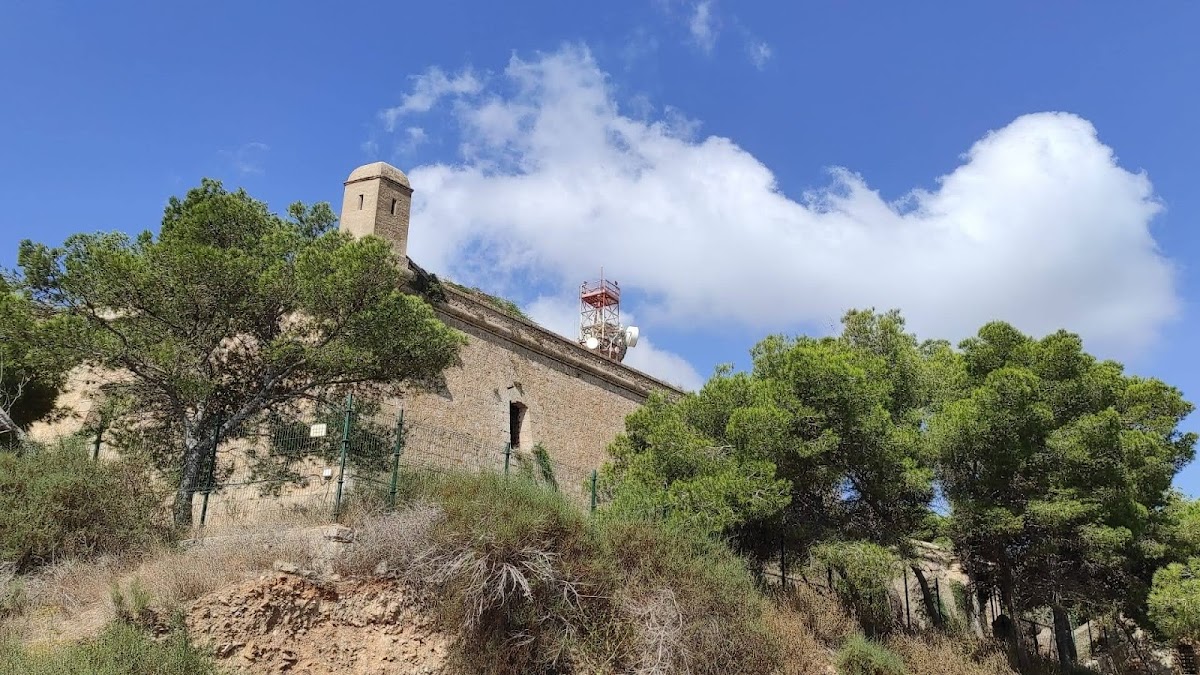
The Castle of Galeras occupies Mount Galeras at roughly 200 metres above sea level. Its rectangular plan combines projecting defensive platforms, thick sloping walls, a surrounding ditch, and an interior courtyard that organizes access to the rooms and terrace. The fort reflects an eclectic neoclassical approach associated with the French-influenced Spanish school of architecture.
Fortification layout
Bastions, walls, and moat
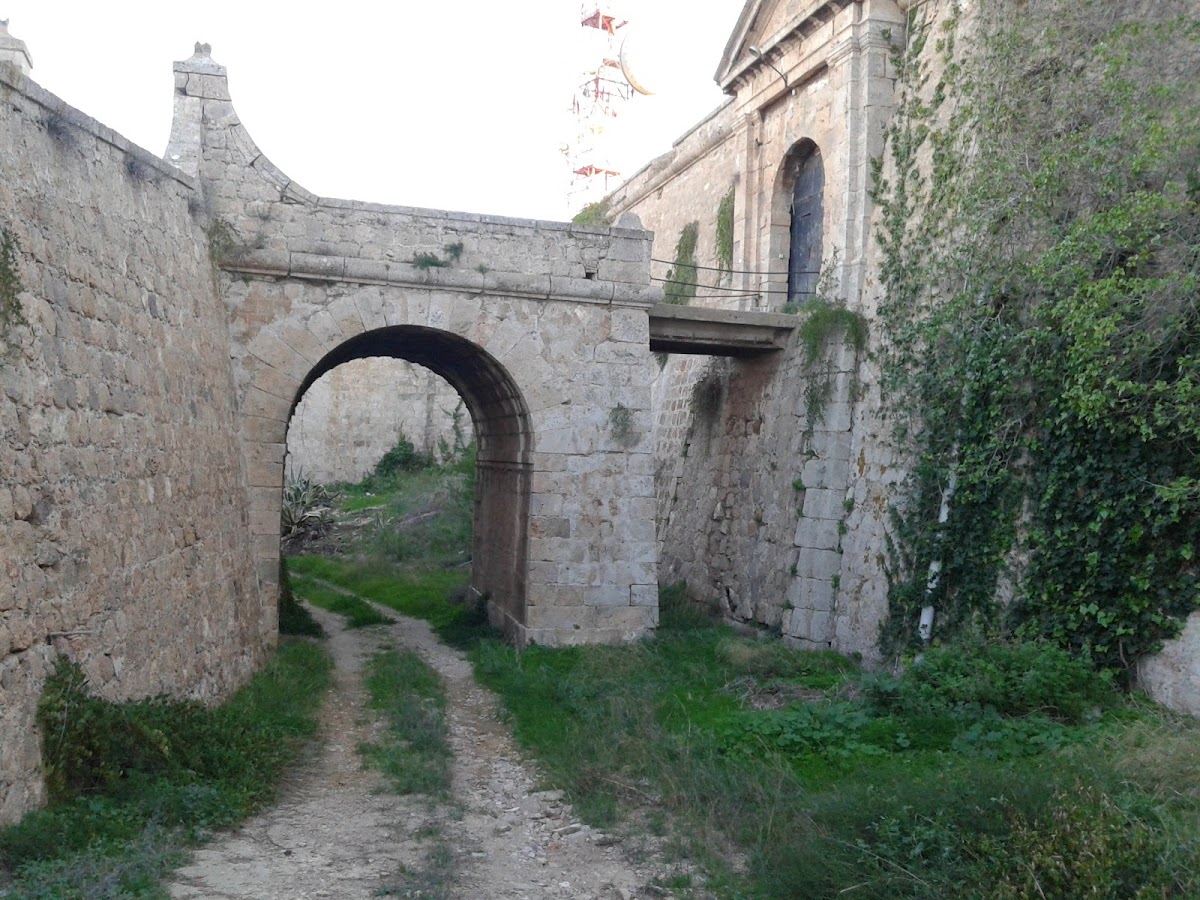
Five irregularly designed bastions stand at the corners of the rectangle, with an additional bastion on the northeast side. A moat surrounds the entire fort, accompanied by a counterscarp, the outer slope of the ditch, and a drawbridge. On the southern side, two bastions and the curtain wall joining them are more massive and more strongly battered, meaning that their walls slope inward. This sector was designed to withstand artillery fire from enemy ships.
Courtyard and semaphore
The large interior courtyard provides the central organization of the fortress, connecting the rooms with the terrace. A two-storey building that housed a semaphore stands on the terrace of the most heavily fortified sector. A semaphore was an optical signaling station that communicated over distance using flags or mechanical signals.
Walls of Charles III
The Walls of Charles III extend from the southwest front of the fort for approximately five kilometres around the Military Arsenal and the city. The arsenal was Cartagena’s naval shipbuilding and support complex. Together, the walls and the Castle of Galeras demonstrate the fort’s place within Cartagena’s broader defensive system and its role as the city’s citadel.