Schloss Atzenbrugg: A Former Rural Castle and Schubert Museum

Site at a Glance
- Rating
- 4.5
- Popularity
- Low
- Country
- Austria
- Primary era
- Medieval
- External website
- Open
- Eras represented
- Medieval
- Civilizations
- Habsburg, Holy Roman Empire
- Site type
- Domestic
- Remains
- Castle
On this page8 sections
History
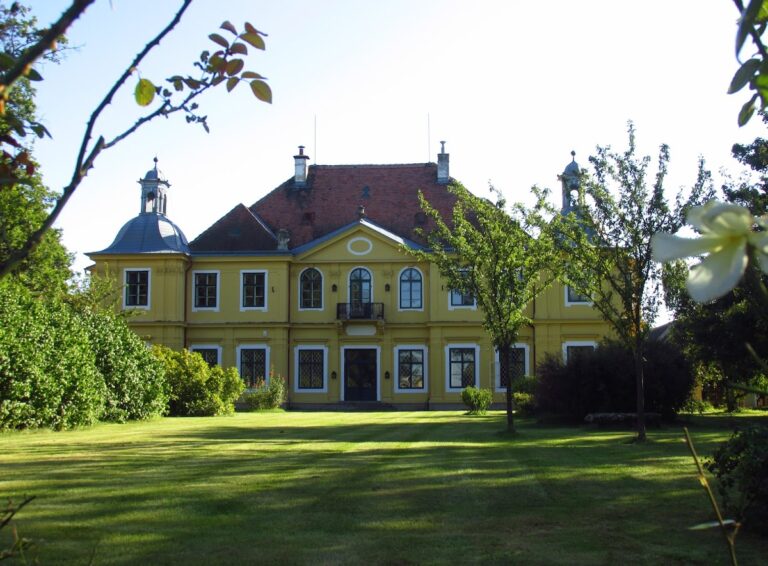
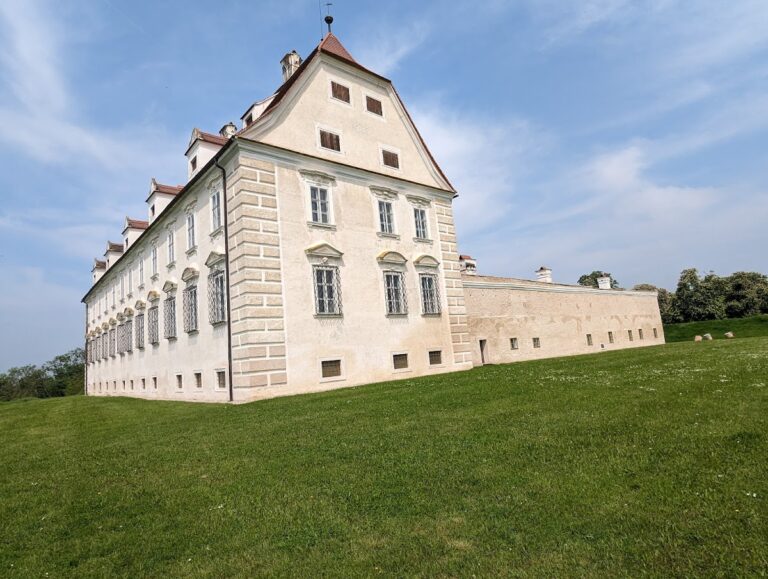
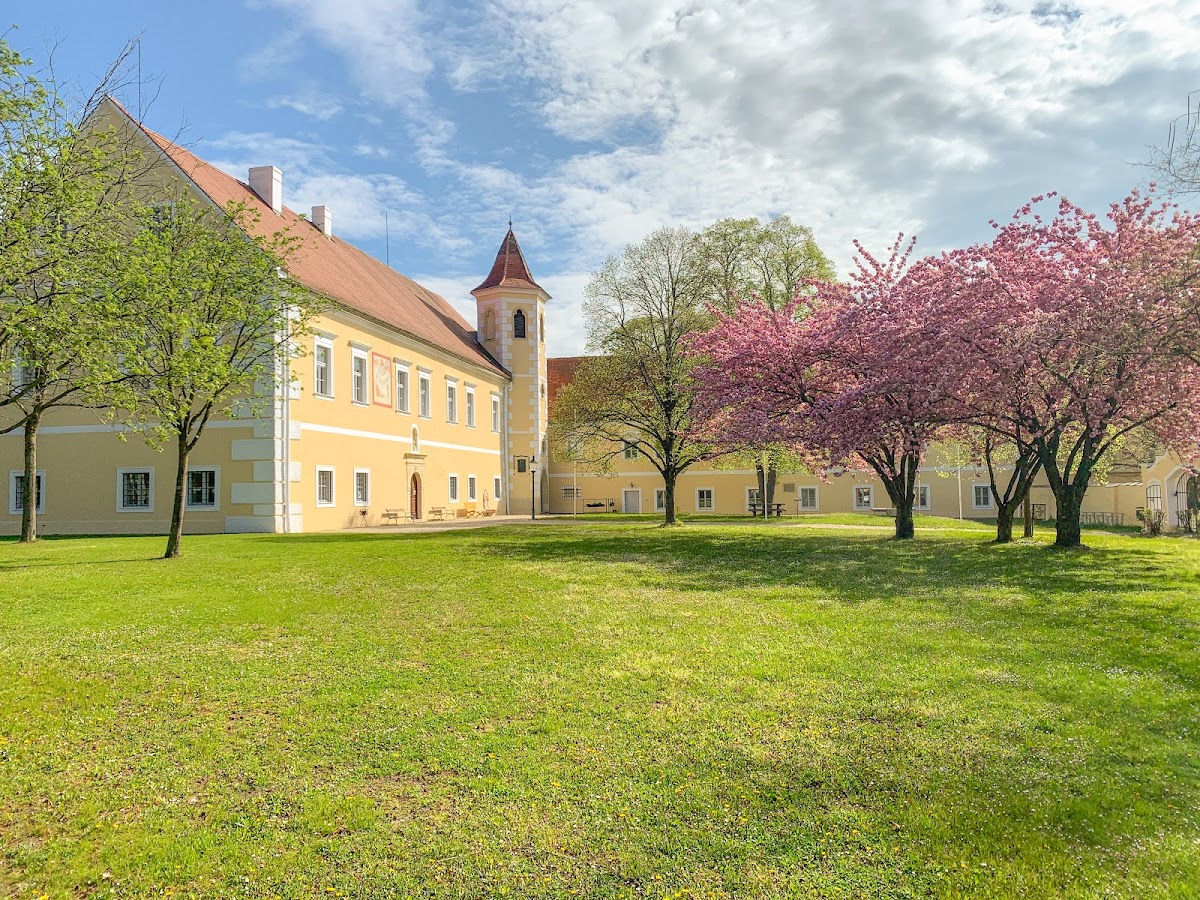
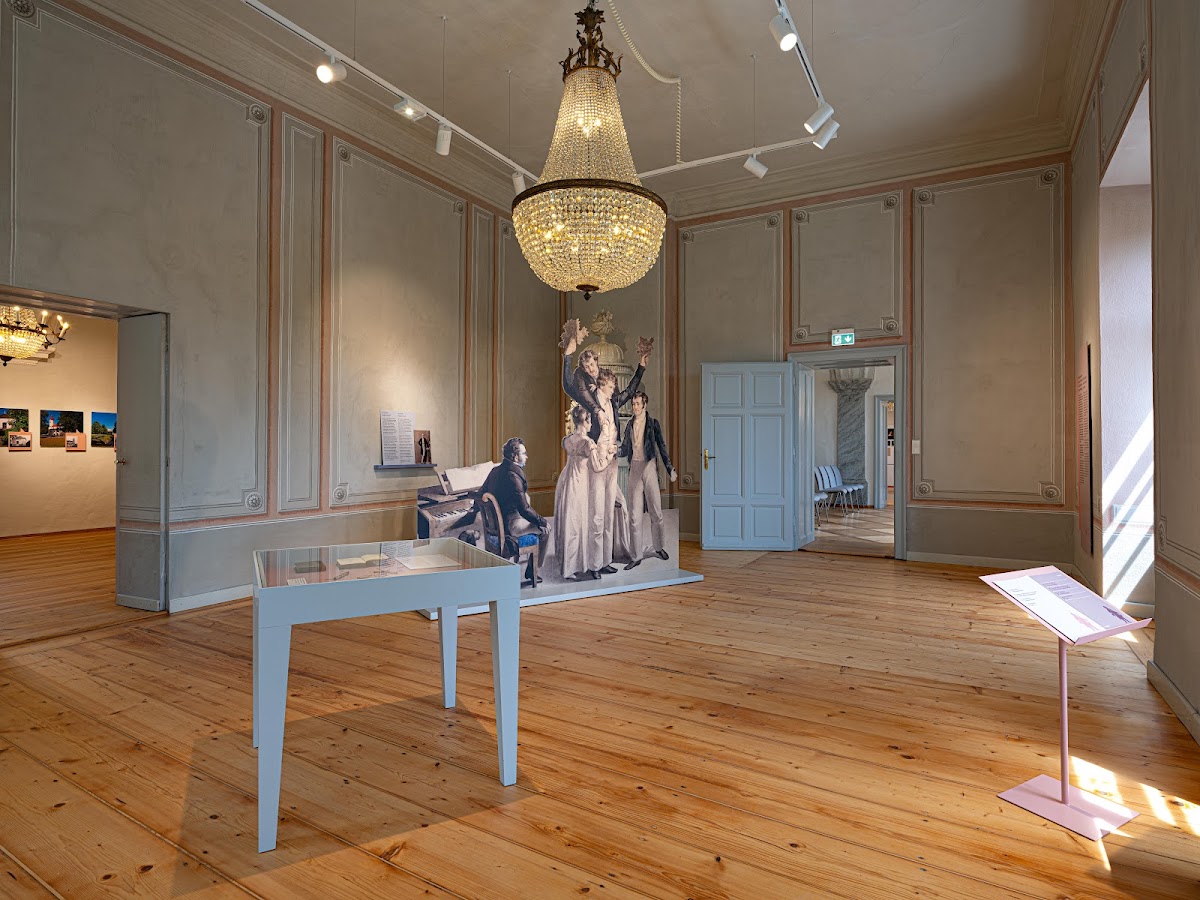
Schloss Atzenbrugg is a former rural castle in Austria, in the municipality of Atzenbrugg in the western Tullner Basin of Lower Austria. Its history reaches back to the Middle Ages, when a landed estate occupied this setting. The castle later became associated with Franz Schubert and his friends, and it now serves as a museum devoted to the Austrian composer’s life and work.
Medieval lordship and abbey ownership
A lordship existed in the area by the early twelfth century. The place-name is linked with an owner named Azzo, while evidence points to Celtic and Carolingian-period inhabitants in the wider history of the site. Gertrud of Azzenpruck appears around 1190, and the coat of arms of the Lords of Azenbruck is known from 1313.
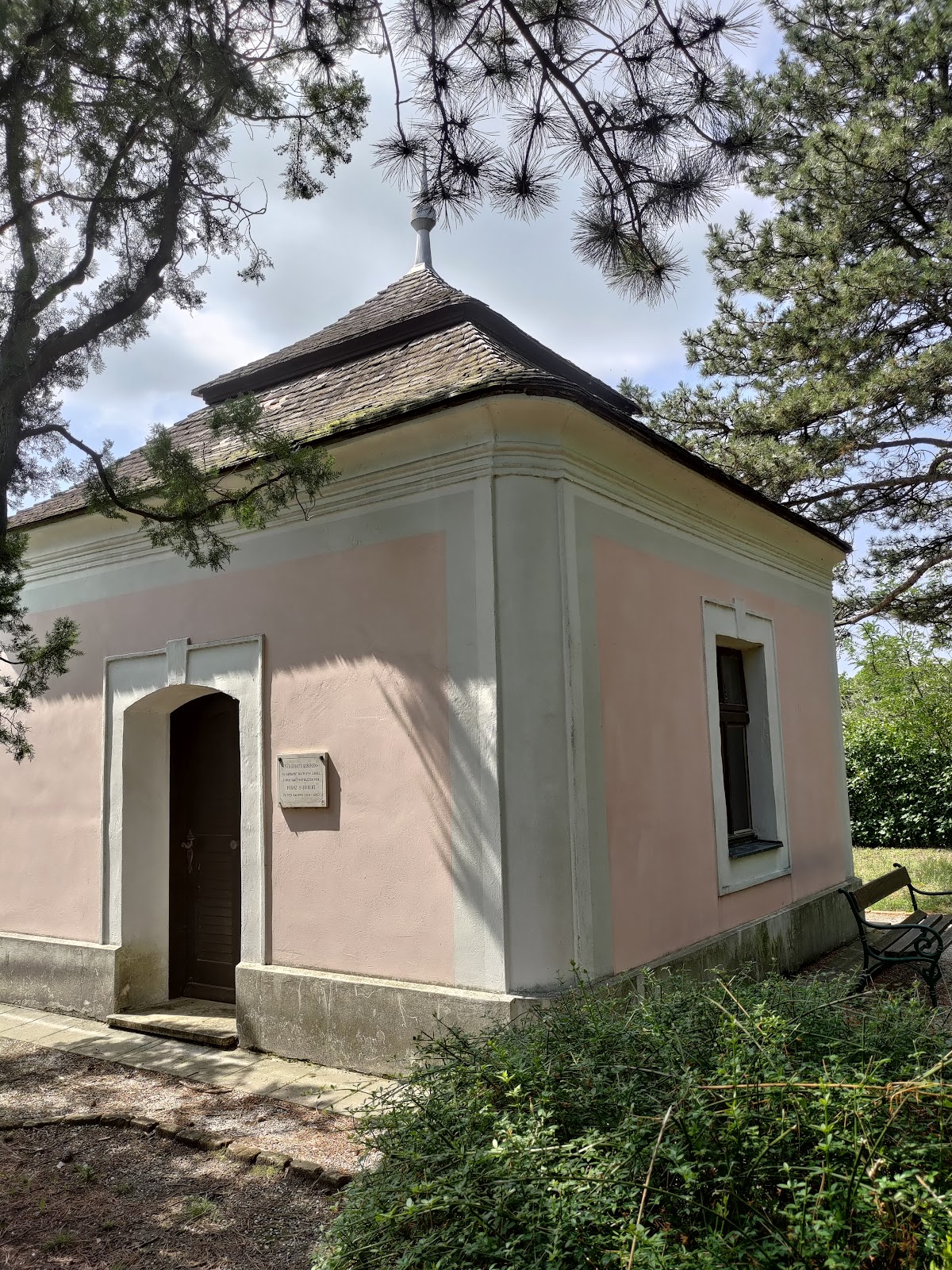
Klosterneuburg Abbey, a historic Augustinian religious foundation near Vienna, acquired the estate in 1379. An existing chapel was enlarged in 1398 and dedicated to Saint Catherine, adding a religious function to the medieval complex.
Damage and reconstruction
The castle suffered severe damage during the Second Ottoman siege between 1683 and 1686. Repairs followed in 1691 under Domenico Piazzol, an Italian stucco artist, and further restoration took place around 1746. These interventions shaped the building that later became connected with nineteenth-century musical gatherings.
Schubert and the Atzenbrugg gatherings
In the early nineteenth century, Joseph Derffel, a legal official born around 1766 and deceased after 1849, administered the estate. Through his nephew Franz von Schober, Franz Schubert and many friends repeatedly stayed at Atzenbrugg and the nearby Aumühle for several days. Their activities included music-making, ball games, and other social occasions.
Musical gatherings devoted to Schubert’s works, known as Schubertiades, took place at the castle and the Aumühle from 1820 to 1822. A further gathering in 1823 is uncertain. The circle included the von Spaun family, Leopold Kupelwieser, Moritz von Schwind, Joseph von Gahy, Anton von Doblhoff-Dier, and Ludwig Mohn. Eduard von Bauernfeld visited in mid-September 1825 and spent a weekend with Schwind and Schober, particularly at the Aumühle.
Municipal ownership and museum use
From the late twentieth century, the work of Schubert enthusiasts, including Rosa Schwab (1921–2009), helped create concert cycles with internationally renowned performers such as Robert Holl and Kurt Equiluz. Proceeds from these events supported renovation of the castle and the establishment of a Schubert museum.
The municipality of Atzenbrugg has owned Schloss Atzenbrugg since 1977. The building is protected as an Austrian monument, and the Schubert Museum received the recognition prize of the Austrian Museum Award in 1996.
Remains
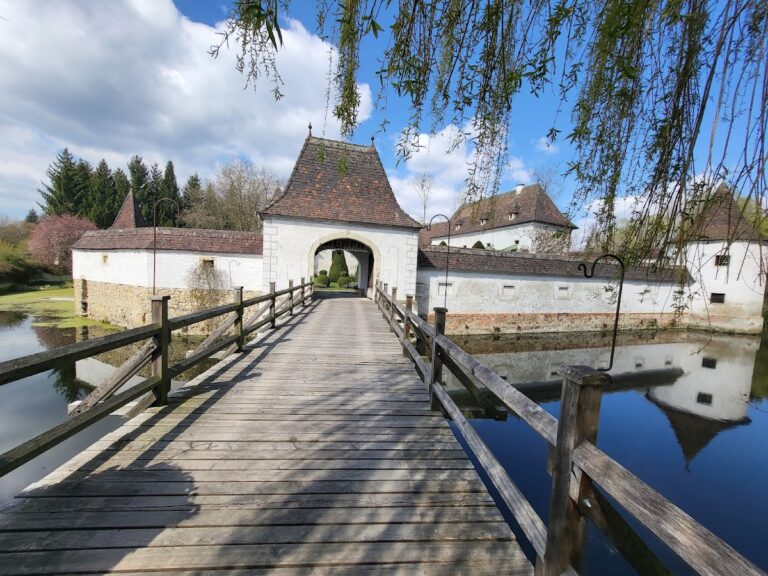
Schloss Atzenbrugg stands in Atzenbrugg at approximately 197 metres above sea level. The medieval complex developed in a fortified form and was once enclosed by a ring moat. Its surviving historical character combines the castle fabric, the chapel connected with the 1398 enlargement, and museum displays that preserve the site’s association with Schubert and his circle.
Fortified castle and chapel
The castle’s construction history extends into the Middle Ages. In its earlier defensive form, a ring moat surrounded the building. A chapel already stood within the complex before it was enlarged and dedicated to Saint Catherine in 1398. Repairs after the damage of 1683–1686 and later work around 1746 contributed to the present form of the historic building.
Schubert-related displays
The museum presents works connected with the social world of Schubert’s circle, including Leopold Kupelwieser’s depictions of a ball game before the castle, a charade by the group at Schloss Atzenbrugg, and an excursion from the castle to the Aumühle.
A lock of Franz Schubert’s hair is displayed on loan from Ernst Hilmar. It came from the estate of the Schubert researcher Ignaz Weinmann, held by the Vienna Library, after passing into Vienna’s second-hand trade. Insect damage has been cited as evidence that the lock originated at Schubert’s exhumation in 1863, while another attribution holds that it was stolen and later assigned retrospectively to the year of Schubert’s death.