Château Montalembert: A Sixteenth-Century Castle in Maîche, France
Site at a Glance
- Rating
- 4.7
- Popularity
- Very Low
- Country
- France
- Primary era
- Early Modern
- External website
- Open
- Eras represented
- Early Modern
- Civilizations
- French, Habsburg, Holy Roman Empire
- Site type
- Domestic
- Remains
- Castle
On this page8 sections
History
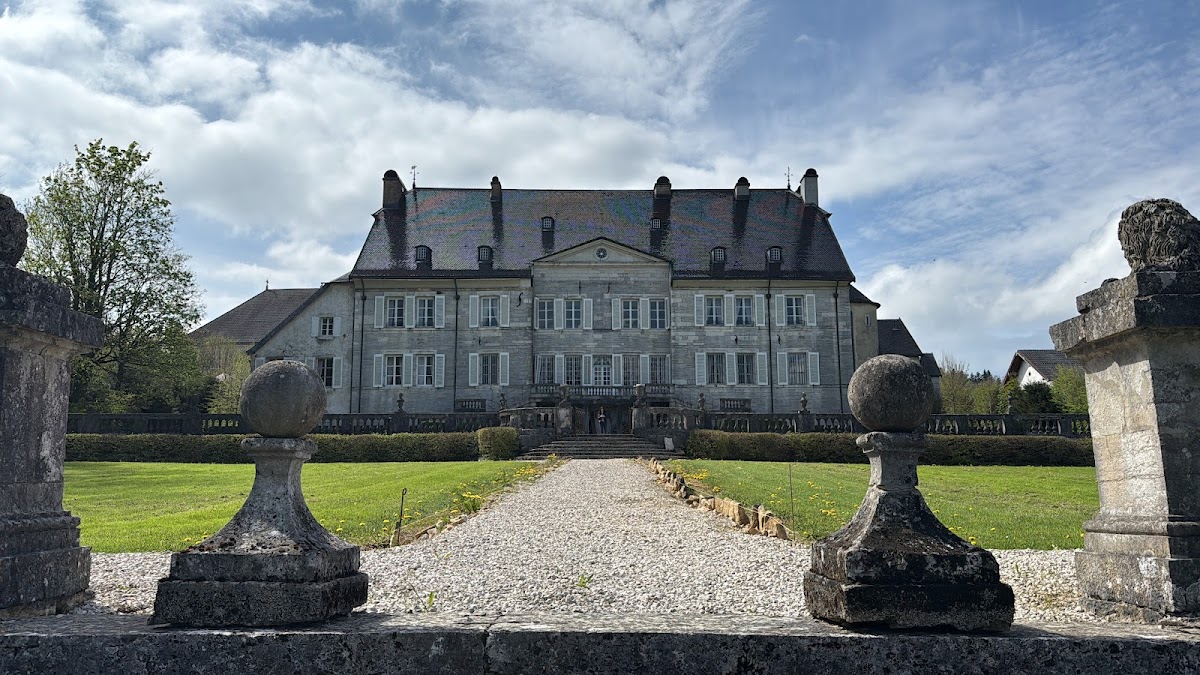
Château Montalembert is a sixteenth-century castle in Maîche, France, built in 1524 and later remodeled in the neoclassical style. Standing in the center of the town, it replaced a medieval fortress on a nearby hill and has been protected as a historic monument since 13 March 1950.
From the medieval fortress to the 1524 castle
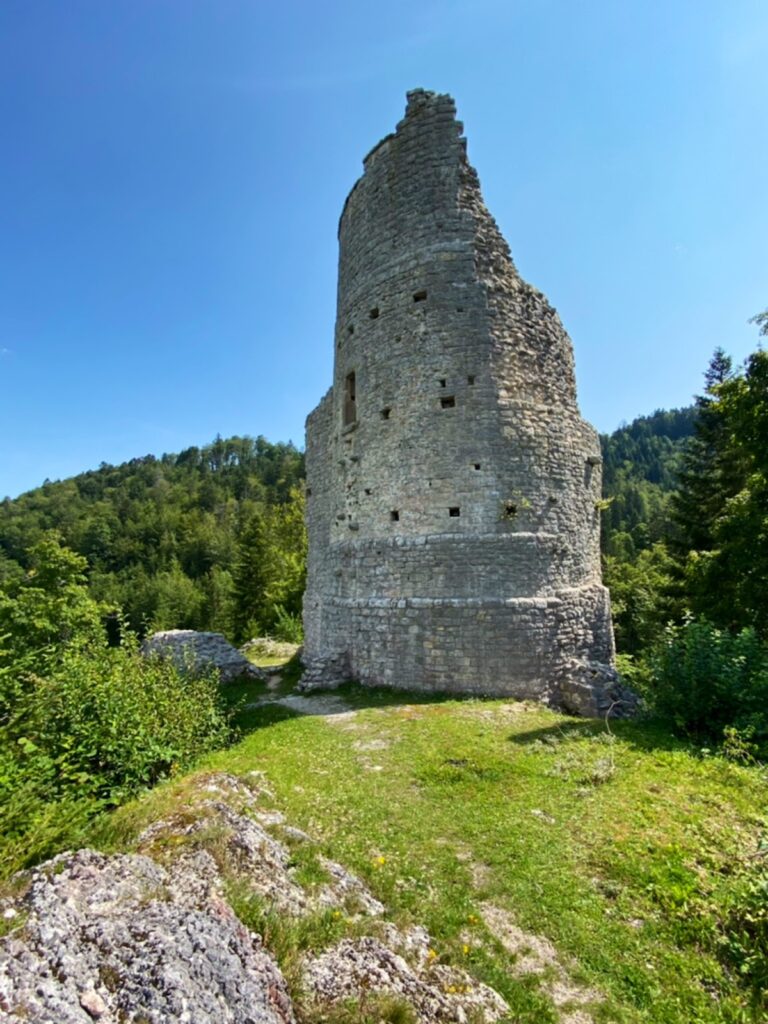
The earlier medieval castle occupied a hill near Maîche. During the War of the Two Burgundies, a late-fifteenth-century conflict involving the Burgundian territories, the Bishopric of Basel, and neighboring powers, troops of the Bishop of Basel stormed the fortress between 1474 and 1477. The old castle was later replaced by the present building in 1524, while ruins remained on the former hilltop site.
The Guyot and Montalembert families
The Guyot family initiated the construction of the present castle and held it through successive generations. Ownership passed through Jean II de Guyot, Jean III de Guyot, Jean IV de Guyot, Jean-François Guyot, Jean-Baptiste Guyot de Maîche-Bermont, Baron Béat-Joseph Guyot de Maîche-Bermont, and Marquis Alexandre-Nicolas-Joseph Guyot de Maîche. The property was substantially remodeled in the eighteenth century under Alexandre-Nicolas-Joseph Guyot and his successor, Marquis François-Xavier-Joseph Guyot.
François-Xavier-Joseph Guyot retained the castle until his death in 1824. Through a series of donations, it then passed to his great-niece Anne de Mérode, who married Count Charles de Montalembert in 1836. Charles gave the castle its current name. His wife, Marquise Marie-Louise-Alexendrine-Théoduline Grammont, and her niece Philippine-Albertine de Grammont were also part of the succession, followed by Count Werner de Mérode and Anne de Mérode. Their daughter, Thérèse-Généreuse de Montalembert, later inherited the property.
Count Charles de Montalembert was a liberal royalist deputy and stayed regularly at the castle until his death in 1870. Later owners included Count Guillaume d’Hemricourt de Grünne, who inherited the property in 1923, his eldest daughter Colette d’Hemricourt de Grünne, Countess Cornet d’Elzius, and Prince Nicolas Guedroïtz. The prince received the castle from his aunt, the Countess Cornet d’Elzius, in 2009.
Wartime meetings in 1944
Château Montalembert acquired a further historical association during the Second World War. Charles de Gaulle, a French military leader and later head of state, visited on 24 September 1944 after arriving directly from London to meet the army of General Jean de Lattre de Tassigny. Winston Churchill, the British statesman and wartime prime minister, and de Gaulle later met at Maîche because Churchill wanted to see again a French army he had encountered during the First World War.
On 13 November 1944, shortly before the Alsace offensive, Churchill, de Gaulle, de Lattre de Tassigny, and the American, British, and French staffs met at the castle. They planned the conclusion of the Second World War and the final attack, which began on 19 November.
Remains
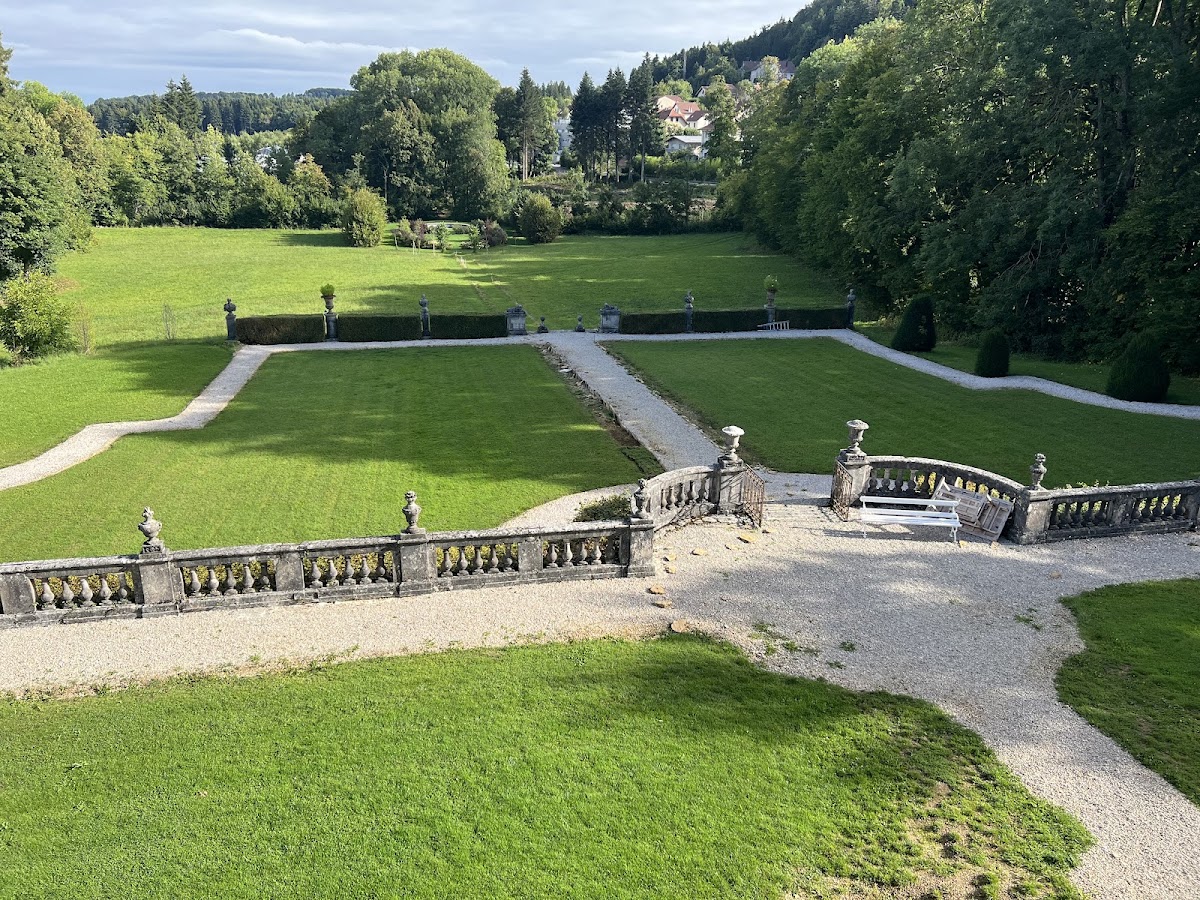
The surviving estate combines a neoclassical castle in the center of Maîche with a formal French garden. The garden follows the ordered, symmetrical principles of the French formal tradition, while the earlier medieval site survives separately as ruins on a nearby hill.
Castle building
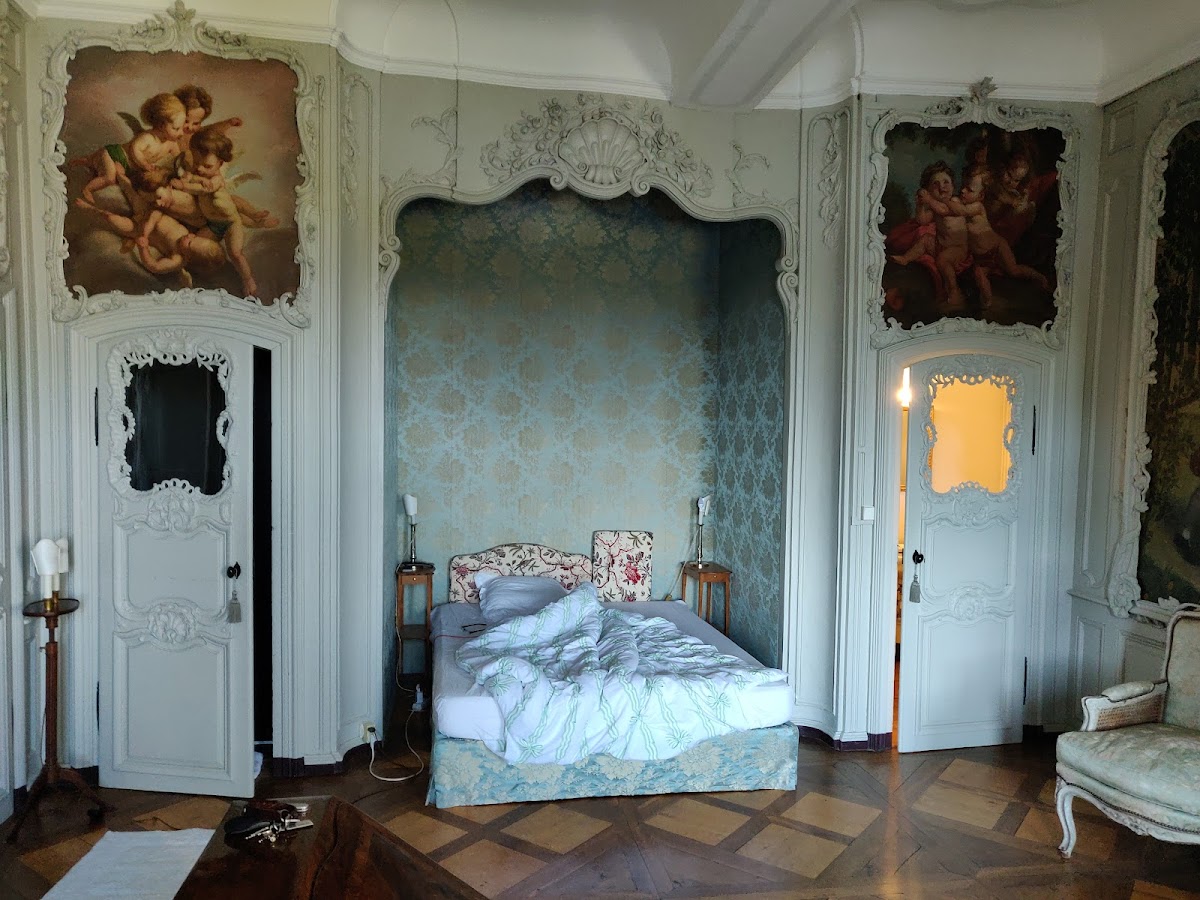
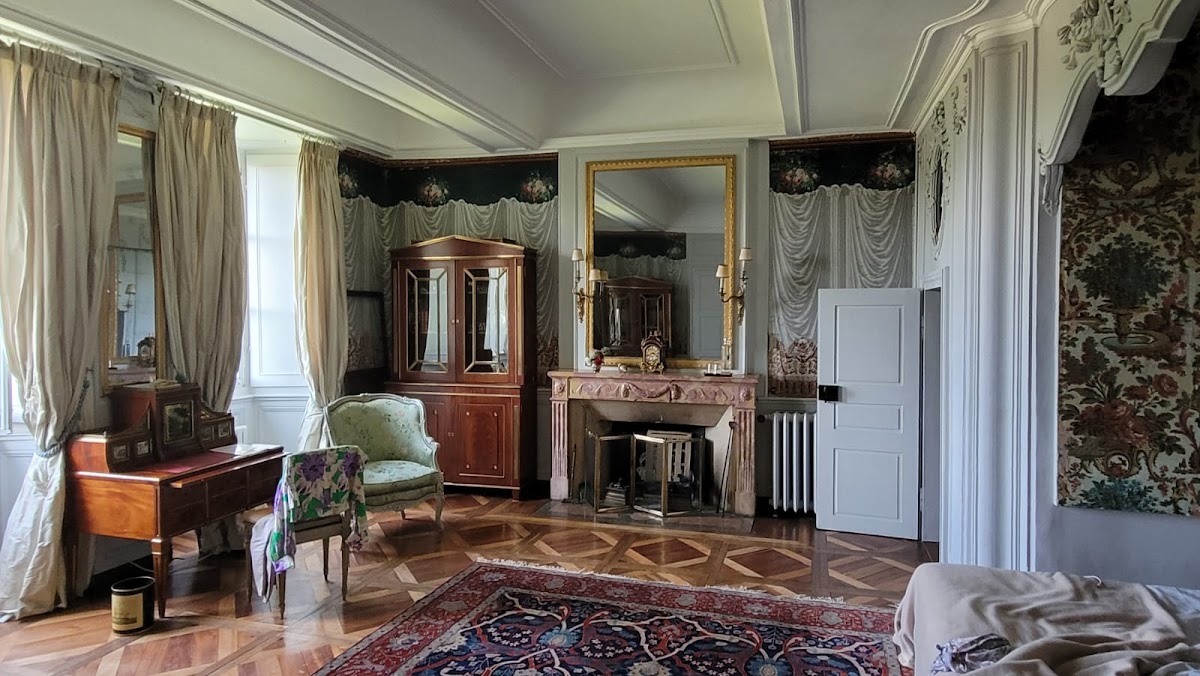
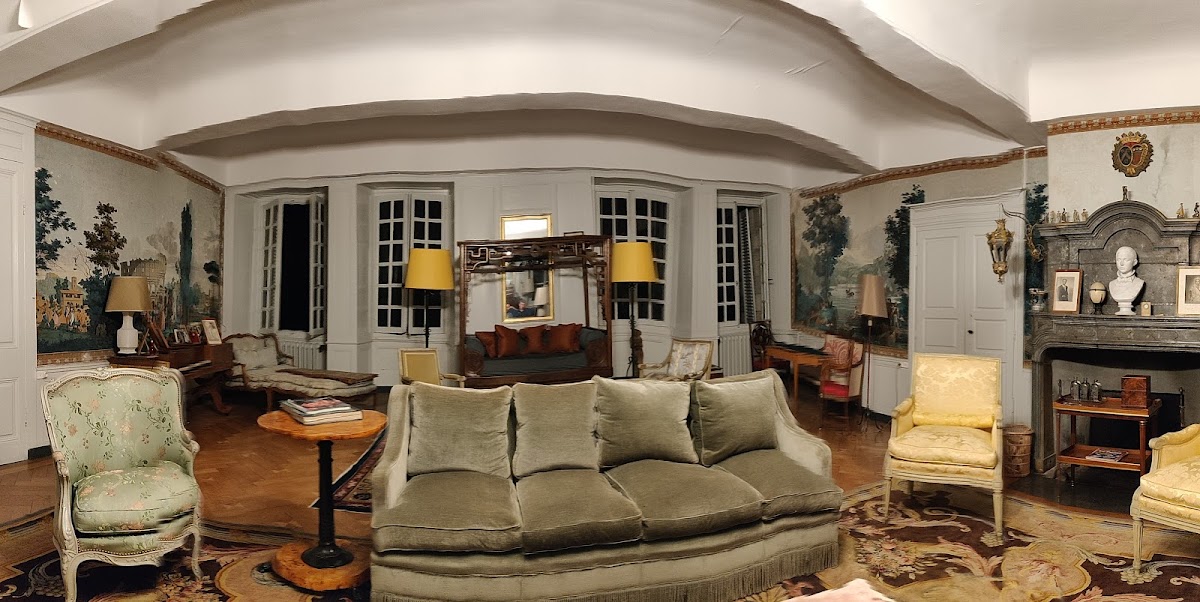
The present castle is a neoclassical building whose design reflects the eighteenth- and nineteenth-century interest in the forms and proportions of ancient Greek and Roman architecture. The date 1524 remains visible on the lintel above the entrance door, linking the current structure to its sixteenth-century replacement of the medieval fortress. Inside, the grand salon retains panoramic wallpaper from the beginning of the nineteenth century.
Formal garden
The formal French garden forms part of the castle estate and includes a basin constructed by Count Guillaume d’Hemricourt de Grünne. Its geometric planning, symmetry, ordered paths, and controlled vegetation belong to the tradition known in French as a jardin à la française.
Earlier castle site
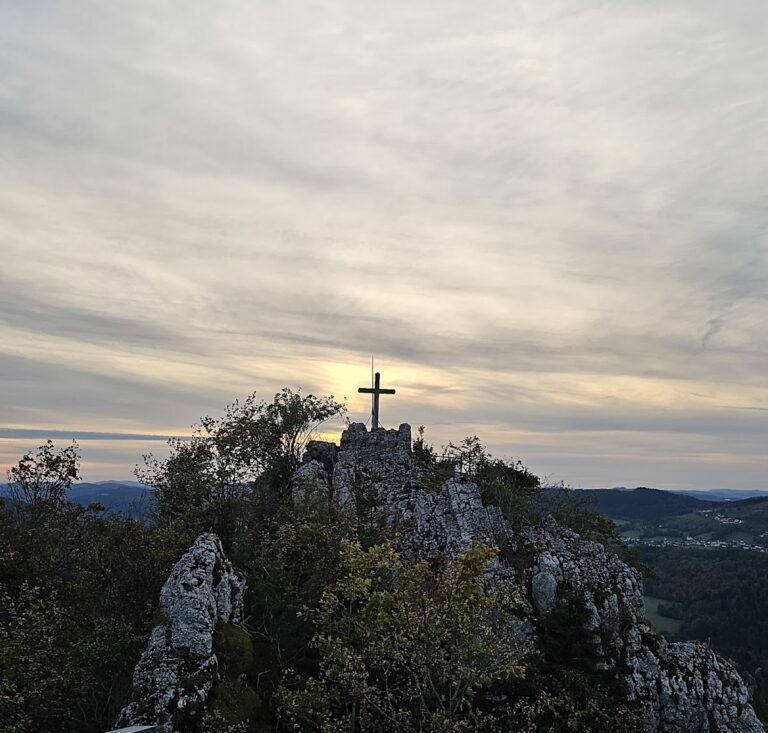
The medieval predecessor stood on a nearby hill rather than at the location of Château Montalembert. Its surviving remains are ruins, preserving the physical evidence of the fortress that was stormed during the War of the Two Burgundies before the castle in the town center was built.