Kindlestown Castle: A Medieval Hall House in County Wicklow

Site at a Glance
- Rating
- 4
- Popularity
- Very Low
- Country
- Ireland
- Primary era
- Medieval
- Eras represented
- Medieval
- Civilizations
- English, Norman
- Site type
- Military
- Remains
- Castle
On this page6 sections
History
Kindlestown Castle is a medieval castle and hall house in Ireland, near Greystones in County Wicklow. Built during the late thirteenth century, it formed part of the English colony known as the Pale, the area of English settlement and administration around Dublin, and was intended to protect surrounding lands from attacks by the Gaelic Irish O’Byrne clan.
Origins and the de Kenley connection
The castle is generally dated to the late thirteenth century, although some historians place its construction as early as 1225 and associate it with the Norman knight Walter de Bendeville. Another proposed connection links the building with Albert de Kenley, Sheriff of Kildare in 1301. De Kenley may have built or rebuilt Kindlestown around that time while safeguarding lands connected with his stepson, John Fitzdermot. A deed from 1304 records that de Kenley retained part of those lands.
De Kenley had married Joan, the widow of Ralph Mac Giolla Mocholmág, also known as Sir Ralph Fitzdermot, in 1292. He subsequently held custody of Ralph’s lands for Joan’s son, John Fitzdermot. These family and land arrangements placed Kindlestown within the political and military tensions affecting the English-controlled settlements of Wicklow.
Conflict with the O’Byrnes
In 1301, the O’Byrnes burned Rathdown Castle and recovered the lands around it. Some of Rathdown’s inhabitants may have sought refuge at Kindlestown. Around 1305, John Fitzdermot transferred the manor of Rathdown to Nigel le Brun, an escheator of Ireland, an official who took control of lands that reverted to the Crown.
The O’Byrnes captured Kindlestown Castle in 1377. Robert Wikeford, Lord Chancellor of Ireland, later recovered it, after which it passed to the Archbold family. Around 1402, the O’Byrne leader Donnacha O’Byrne made another attempt to seize the castle, but the Archbolds defeated him.
The Archbold estate
Kindlestown and its estate prospered for an extended period. An inquiry held during the reign of James I of England recorded that the estate covered about 400 acres, or 160 hectares, in 1621 and included a water mill. The Archbold family later fell into debt, and Edward Archbold sold the castle and estate to William Brabazon, 1st Earl of Meath, in 1630.
Kindlestown Castle is now a ruin and is recognized as a National Monument of Ireland, a site regarded by the state as having national historical or archaeological importance. Its official heritage reference is 323.
Remains
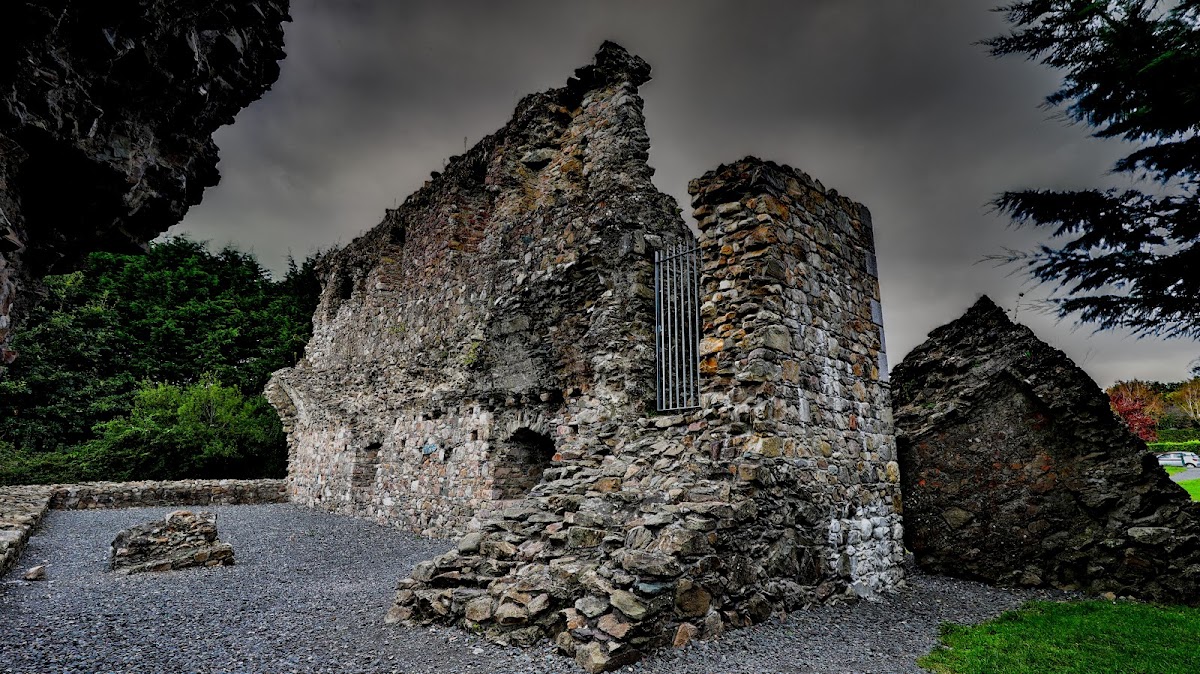
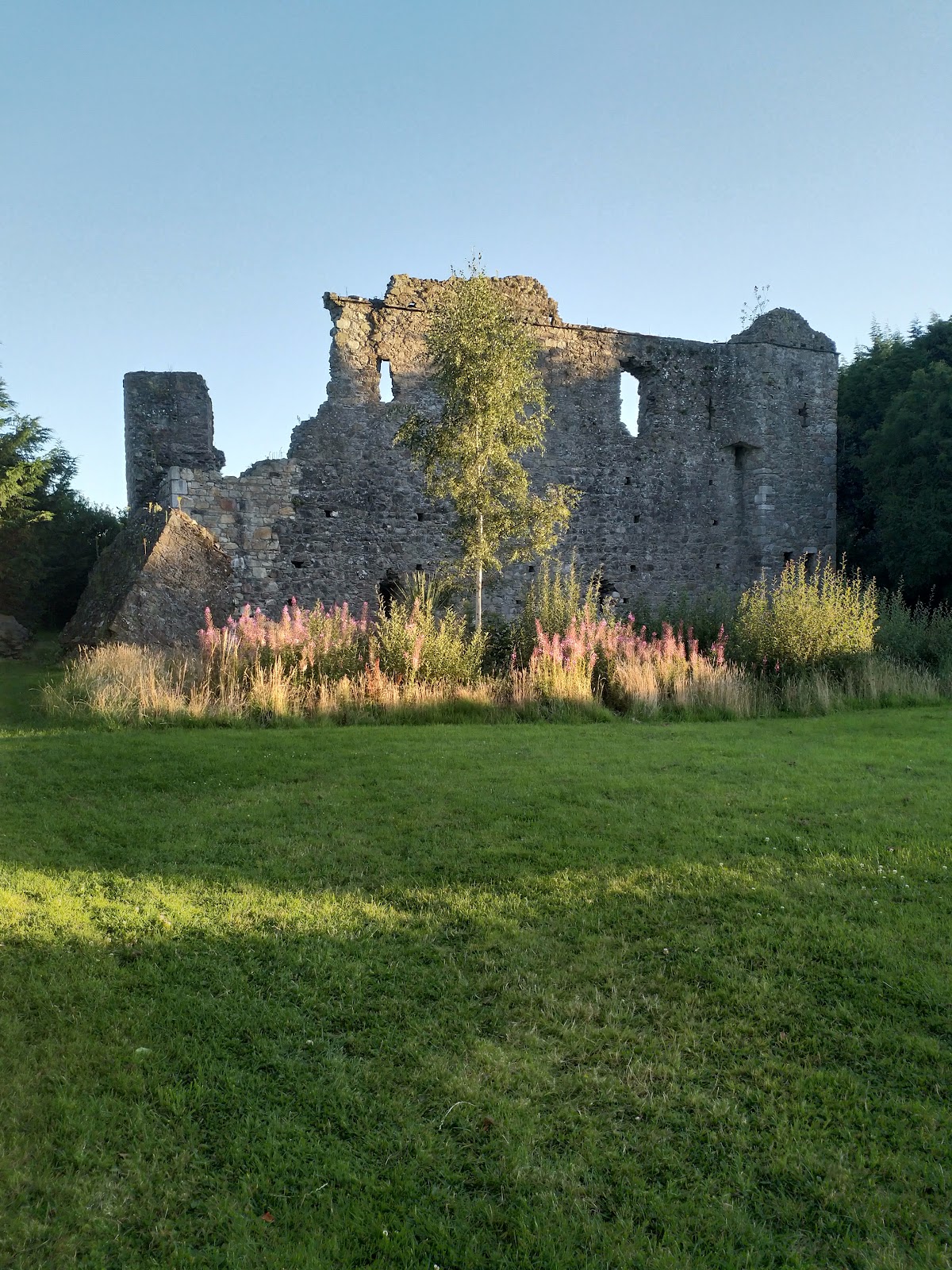
Kindlestown Castle stands on the slopes of Kindlestown Hill north of Delgany, near Dromont and about 1.9 kilometres west of Greystones railway station. Its elevated position allowed views across the surrounding countryside and toward the Irish Sea. The surviving hall house is a two-storey structure built from rough limestone rubble. It measures approximately 21 metres by 9.8 metres externally, rises about 8 metres high, and has walls around 1.5 metres thick.
Surviving structure and defenses
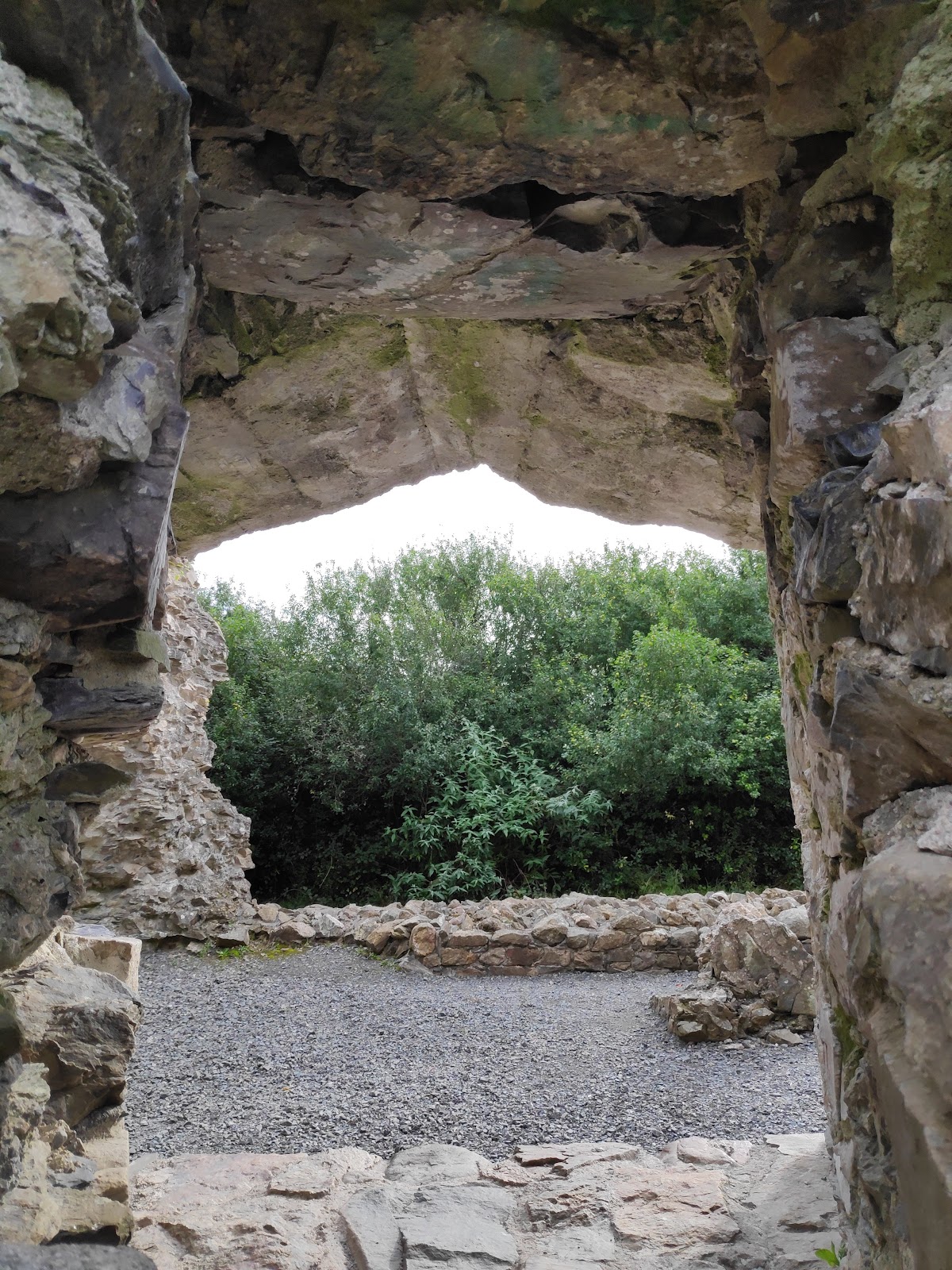
The northern wall and part of the eastern wall remain to parapet level, while the southern and western walls were demolished during the post-medieval period. A small projecting tower occupies the north-west corner. At ground-floor level, an original barrel vault survives, forming a continuous tunnel-like stone ceiling. The entrance and a mural staircase, built within the thickness of the wall, are positioned in the eastern wall. Small exterior window openings served as defensive arrowslits and widen inward into segmental-arched embrasures. Window seats remain at first-floor level, while the front facade preserves parts of a slated parapet and a horizontal stone string-course.