Rashkan Castle: A Parthian Fortress in Iran
Site at a Glance
- Rating
- 4.1
- Popularity
- Very Low
- Country
- Iran
- Primary era
- Classical
- Eras represented
- Classical, Medieval
- Civilizations
- Abbasid, Parthian
- Site type
- Military
- Remains
- Fort
On this page11 sections
History
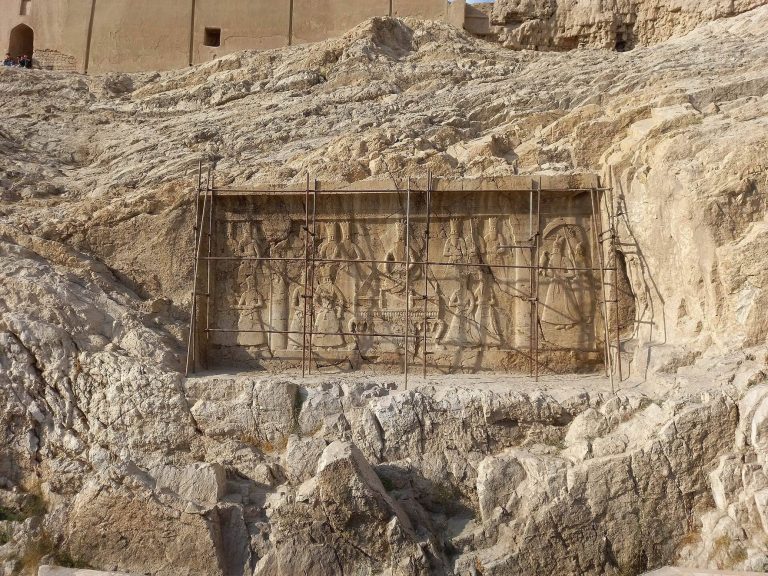
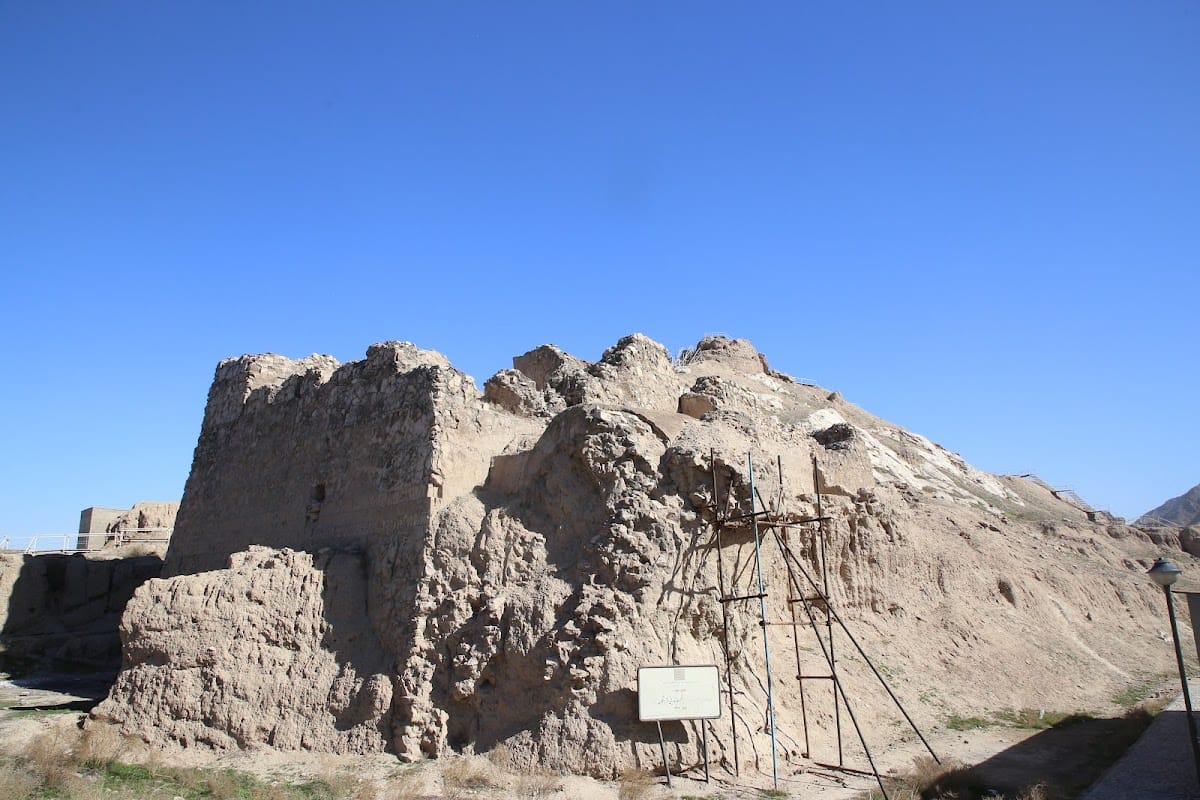
Rashkan Castle is a Parthian-period fortress in Iran, located near the historic city of Ray in Tehran Province. It dates from the 3rd century BC to the 3rd century AD, when the Parthians, or Arsacid dynasty, ruled a large Iranian empire. The castle’s name derives from Arsaces, the founder and namesake of the dynasty. Built on a mountain above Ray, it formed part of the ancient defensive landscape around the city.
Early Evidence and Parthian Origins
The first extensive investigations at Rashkan were conducted by the German archaeologist E. F. Schmidt during the 1930s. His work identified Later Iron Age objects dating to around 1000 BC, with similarities to finds from Tape-Hesar near Damghan. These discoveries place activity on the mountain before the fortress’s Parthian period, while the principal historical identity of Rashkan remains connected with the Parthian age.
Later Iranian and Medieval Phases
Specialists have proposed that Rashkan continued to be used during the Sasanian period, from the 3rd to the 7th century AD. This interpretation relates to Ray’s strategic importance, the fortress’s use in the early Islamic period, and Sasanian traces at nearby Cheshme-Ali and Tape-Mil.
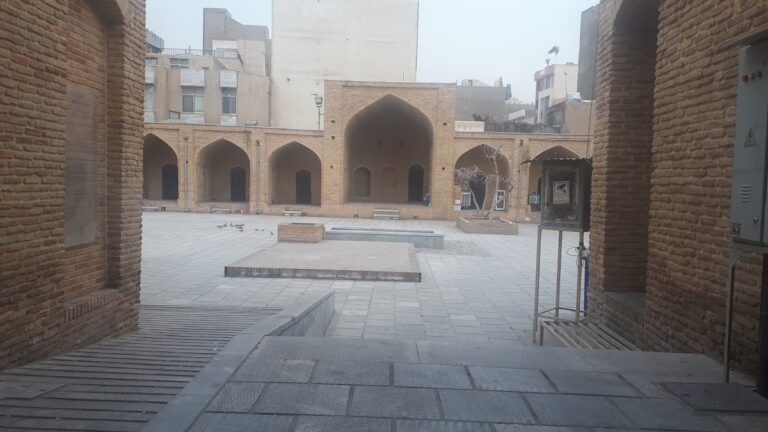
Medieval evidence reveals several later phases. During the Abbasid period, a major Islamic caliphate ruled by the Abbasid dynasty from the 8th to the 13th century, stone construction was added over ancient brickwork. A western madrasa, an Islamic educational institution, included an iwan, a large vaulted space open on one side. Glazed pottery points to use during the Buyid period, when a Shiite Iranian dynasty controlled parts of Iran and Iraq in the 10th and 11th centuries. A coin bearing the image of Shah Rukh Mirza, the Timurid ruler who reigned over much of the Timurid realm in the 15th century, indicates Timurid activity at the site.
Destruction and Decline
Rashkan suffered severe damage during the Mongol invasion in the early 13th century. In the early modern period, the castle lost its importance as Ray declined and nearby Tehran became the more influential center. Most archaeological artifacts recovered from Rashkan, Cheshme-Ali, and the surrounding area of Ray are now held in the National Museum in Tehran.
Remains
Mountain Setting and Layout
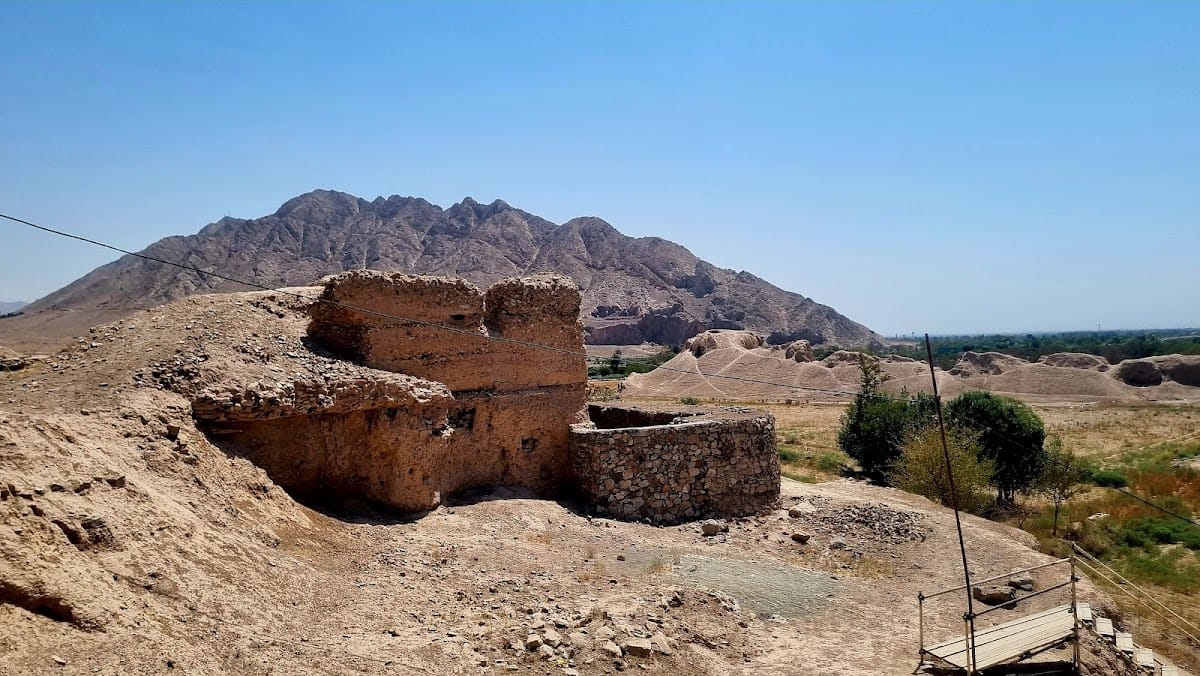
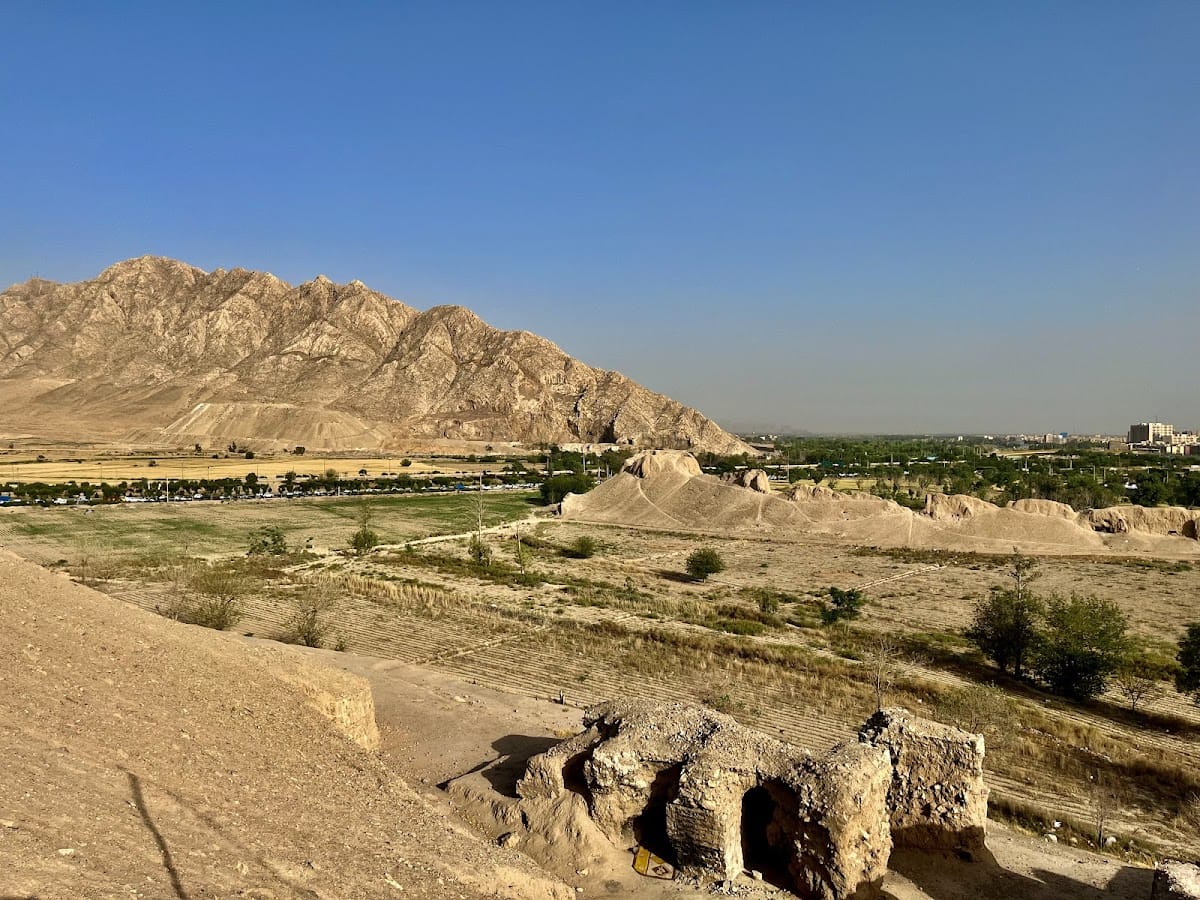
Rashkan Castle occupies the 1,122-meter-high Kuh-e Safaije, northeast of the historic core of Ray and about 300 meters southeast of Cheshme-Ali hill. The two elevations and their surroundings form an archaeological area with prehistoric, ancient, and medieval remains. The fortress walls follow the mountain’s contours and were built above its steepest cliffs, creating a triangular plan. Its principal structures stood on a southern plateau.
Walls and Defensive Features
Summit Lookout
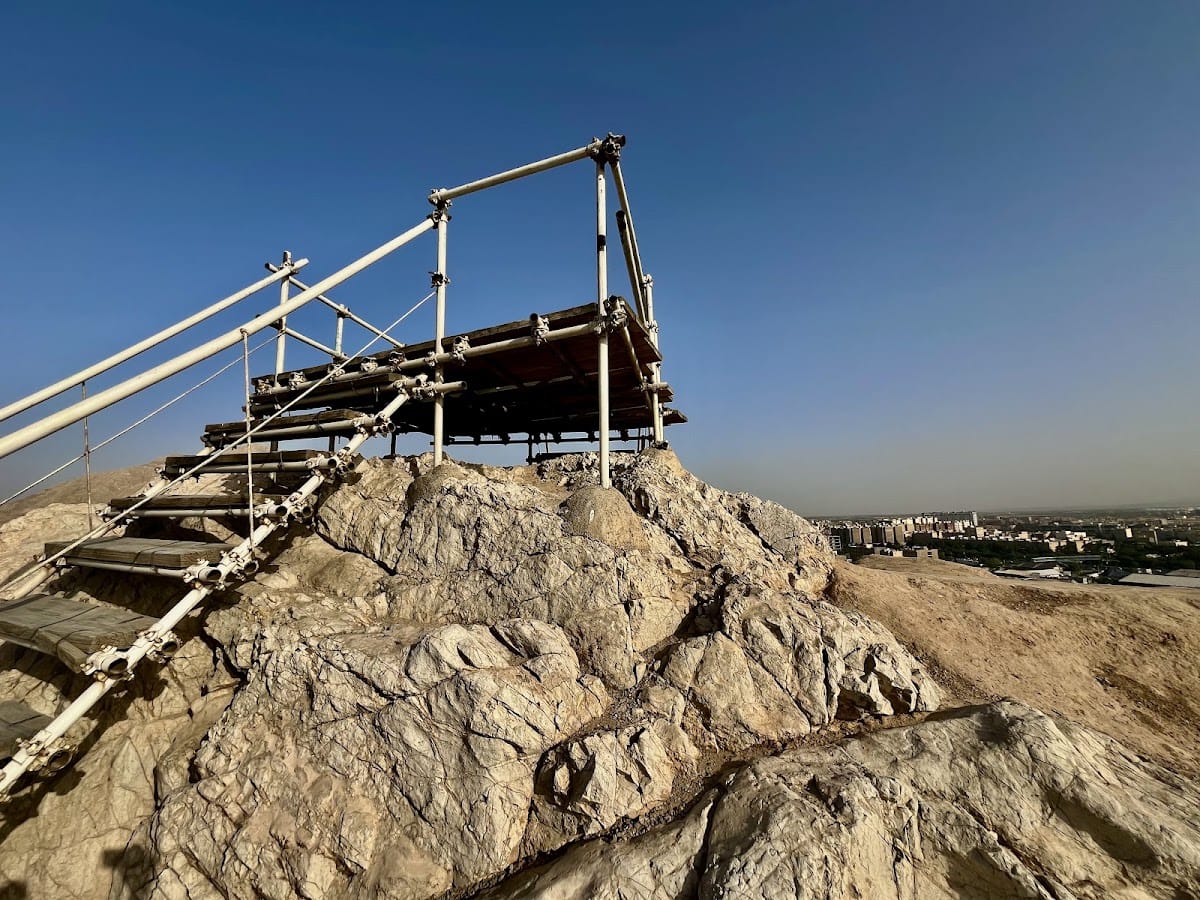
A lookout post stood at the summit of the fortress. Double ladders now lead to this elevated position, which formed the highest point within the defensive complex.
Southern Parapets
Three parapets protected the southern side of Rashkan. They belong to different historical periods, reflecting the castle’s continued alteration and use over time.
Fortress Walls
Stone and mortar were the principal building materials. The western walls were constructed from bricks measuring 45 by 45 by 15 centimeters. These relatively standardized dimensions also occur in ancient Iranian architecture, including the Gorgan Wall, a major ancient defensive wall in northern Iran.
Archaeological Finds
Parthian bronze coins are among the important finds from Rashkan. Glazed pottery connects the site with Buyid-period use, while the coin depicting Shah Rukh Mirza provides physical evidence of Timurid presence. Together with the earlier Iron Age objects, these finds reflect activity at the fortress and in the surrounding archaeological area across several historical periods.