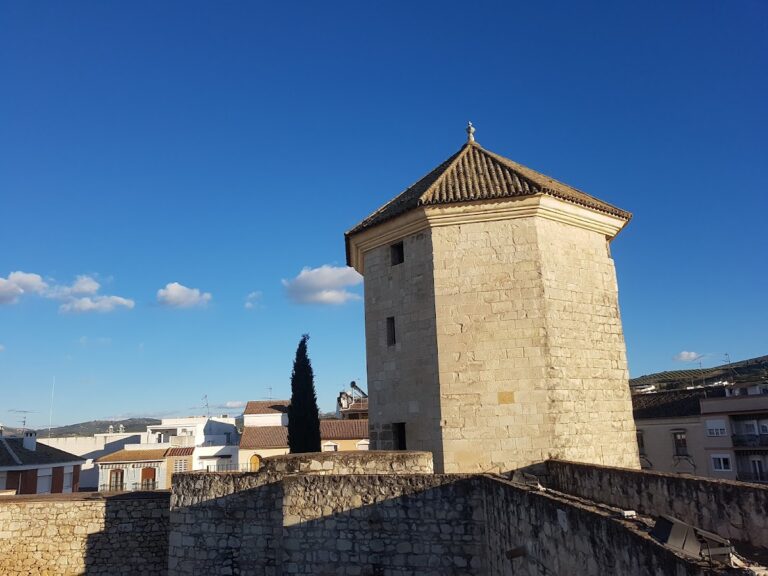
Castillo Anzur: A Hispano-Muslim Fortress in Spain


Site at a Glance
- Rating
- 4.1
- Popularity
- Low
- Country
- Spain
- Primary era
- Medieval
- External website
- Open
- Eras represented
- Medieval
- Civilizations
- Almoravid, Umayyad
- Site type
- Military
- Remains
- Castle
On this page7 sections
History
Castillo Anzur is an ancient Hispano-Muslim fortress in Spain, near Puente Genil, whose principal defensive phase began in the tenth century. The Almoravids, a Berber Muslim dynasty that ruled much of the western Maghreb and al-Andalus, added its surviving rammed-earth tower in the twelfth century. The fortress took its name from the nearby Anzur River and was also known as ar-Ranisul or Arninsul. Its position near important routes gave it a lasting military role in the history of the region.
Early occupation and Almoravid rule
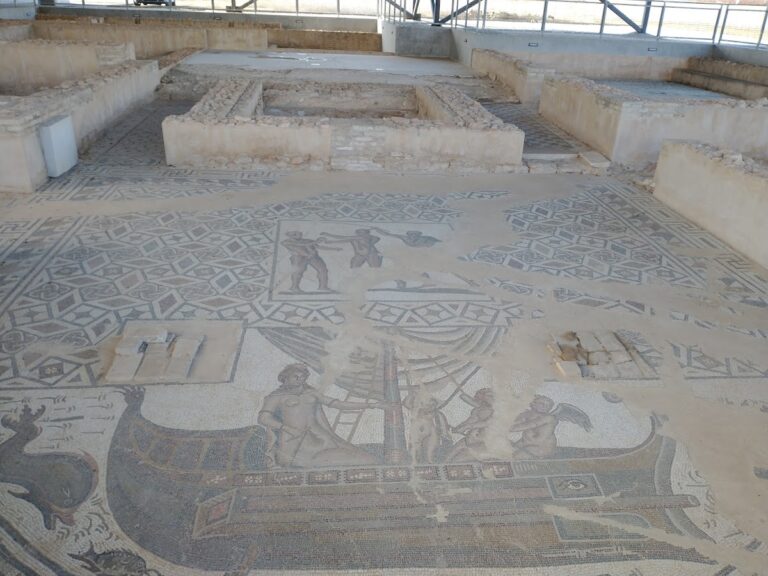
Archaeological surveys identified Late Bronze Age, Iberian, and Roman pottery connected with the site. These finds are preserved at the Local Historical Museum of Puente Genil. The main settlement around the fortress belonged to the tenth century and covered approximately 2,000 square metres. In the twelfth century, the Almoravids built the tower and maintained the castle near communication routes linking Aguilar de la Frontera, formerly called Poley, with Estepa, formerly called Istabba.
In 1126, the Battle of Arnizol took place near Castillo Anzur. Alfonso I of Aragon, a Christian king whose reign included campaigns against Muslim-ruled territories in Iberia, led a military expedition into Andalusia. The Almoravids opposed his advance as an intrusion into their territory. Alfonso’s forces won the battle but returned to the Kingdom of Aragon without conquering new territory, leaving Anzur under Islamic control.
Castilian conquest and the lordship
Fernando III of Castile, later known as Saint Ferdinand, conquered the castle by agreement between 1240 and 1241 and organized its repopulation. After entering Castilian territory, Castillo Anzur belonged to the council of Córdoba. The council transferred it to the Bishopric of Córdoba in 1258, and the bishop remained the sole owner of the Lordship of Castillo Anzur, a territorial domain governed by its authorized lord, until the first third of the fourteenth century, when the lordship passed to the Crown.
The lordship covered an approximately triangular territory. Its boundaries ran southeast along the Genil River from Badolatosa to Alhonoz Castle, then northward past the Fuente Álamo Roman Villa to a point about two kilometres from Moriles, before turning south toward Badolatosa.
In 1356, Pedro I of Castile granted Castillo Anzur to Vasco Alfonso de Sousa. Sousa exchanged it in 1372 with Gonzalo Fernández de Córdoba y Biedma for the castle-tower of Almenara at Peñaflor. This exchange permanently linked Castillo Anzur with the House of Aguilar.
Frontier warfare and later protection
Castillo Anzur occupied a strategically important position on the long-standing frontier between the Crown of Castile and the Nasrid Kingdom of Granada, the last Muslim-ruled kingdom in medieval Iberia. During the Granada War, the conflict that ended Nasrid rule in 1492, Ferdinand the Catholic established his camp near the castle in 1482 and again in 1485. The surrounding area subsequently became known as Campo Real.
The castle began to lose inhabitants after La Puente de Don Gonzalo was established. That settlement later became Puente Genil. Castillo Anzur and its surroundings received registration in 1985 as an Asset of Cultural Interest, a formal Spanish heritage designation that provides legal protection for important historic sites, in the Monument category under reference RI-51-0007704. The protection was connected with the general legal protection afforded to Spanish castles.
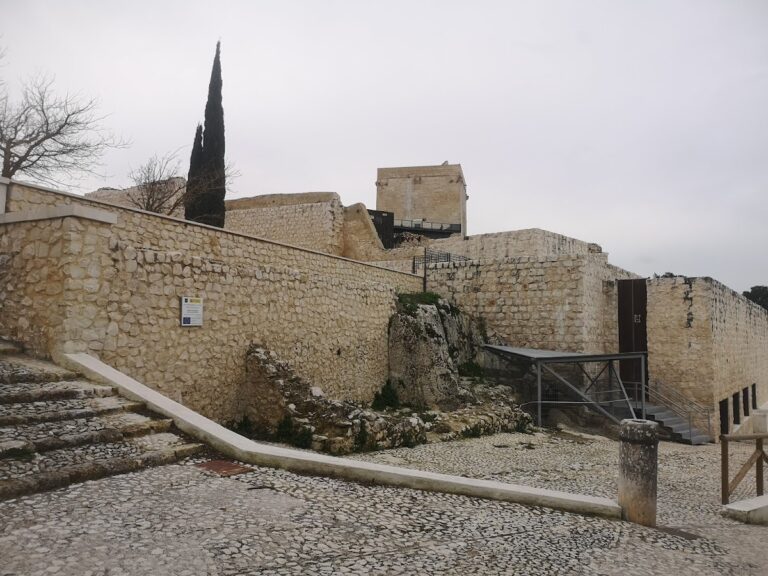
Before restoration, the fortress was in very poor condition. Graffiti covered parts of its walls, rubbish had accumulated around it, and the structure faced a risk of collapse. The Municipality of Puente Genil restored the tower between the summer of 2008 and 2011 under the direction of architect Juan José Pérez Borbujo. A planned second phase for the surroundings, signage, access, and a museum-display project did not take place after the Andalusian regional government declined to intervene.
Remains
Hilltop fortress and tower
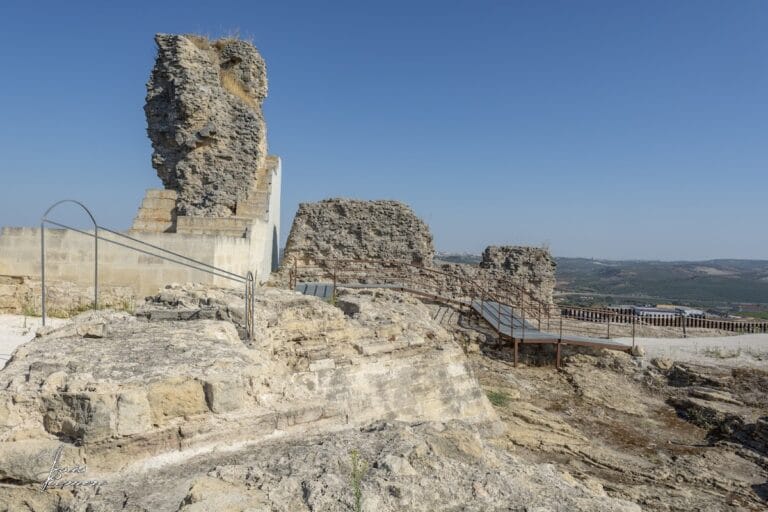
Castillo Anzur forms part of the Cerro y Castillo Anzur complex at an elevation of approximately 456 metres, among the highest points in the surrounding district. The principal surviving structure is a nearly square tower measuring about 10.33 by 8.72 metres. Although the defensive castle was established in the tenth century, the tower belongs to the Almoravid rebuilding of the twelfth century.
The tower is made of rammed earth, a technique in which layers of compacted earth are formed into structural walls. Its restoration between 2008 and 2011 addressed the endangered condition of the surviving structure. Remains of the wall that once protected the castle can still be seen in some areas, preserving part of the fortress’s defensive enclosure.
Associated settlement and archaeological finds
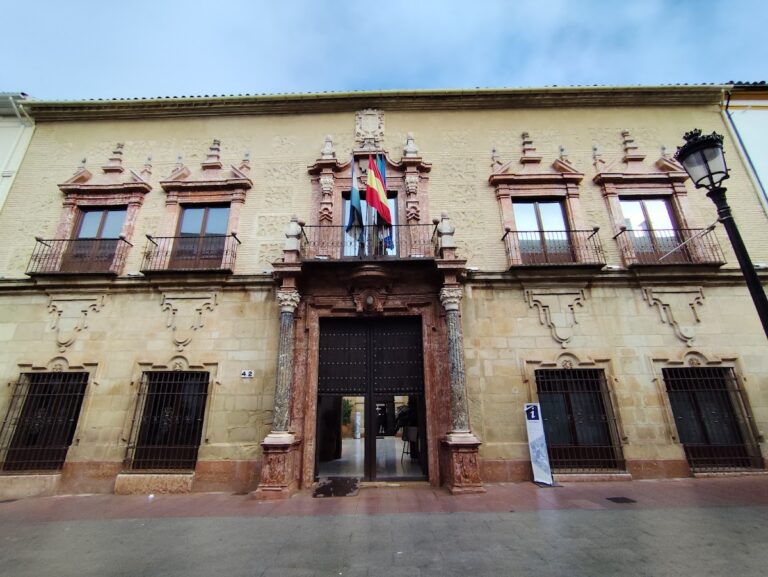
A settlement of the same period surrounded the fortress across approximately 2,000 square metres. Its relationship with the castle reflects the inhabited character of the site during its tenth-century defensive phase. Pottery from the Late Bronze Age, Iberian, and Roman periods provides evidence for earlier activity at the location. The recovered pieces are held at the Local Historical Museum of Puente Genil rather than at the castle.
Castillo Anzur also appears on the coat of arms of Puente Genil, linking the surviving fortress with the civic identity of the town.