Varambon Castle: A Historic Château and Former Lordship Center in France



Site at a Glance
- Rating
- 4.7
- Popularity
- Low
- Country
- France
- Primary era
- Early Modern
- External website
- Open
- Eras represented
- Medieval, Early Modern, Modern
- Civilizations
- Duchy of Savoy, French
- Site type
- Domestic
- Remains
- Castle
On this page7 sections
History
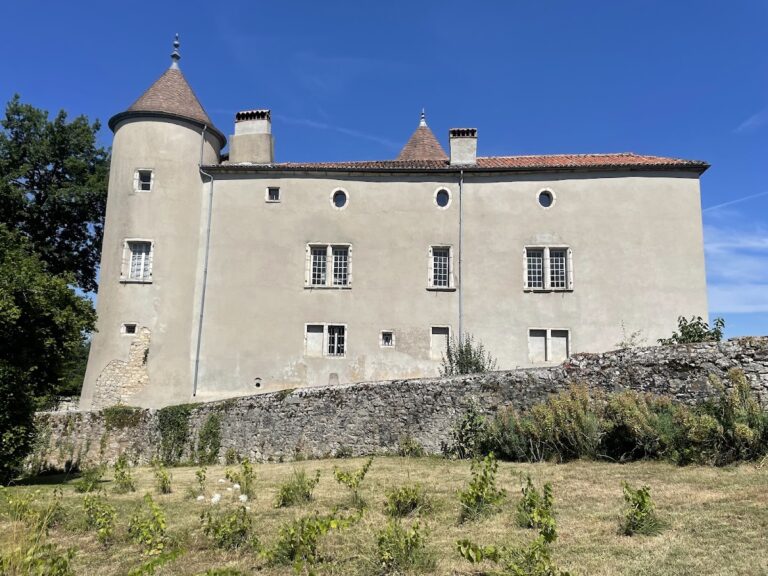
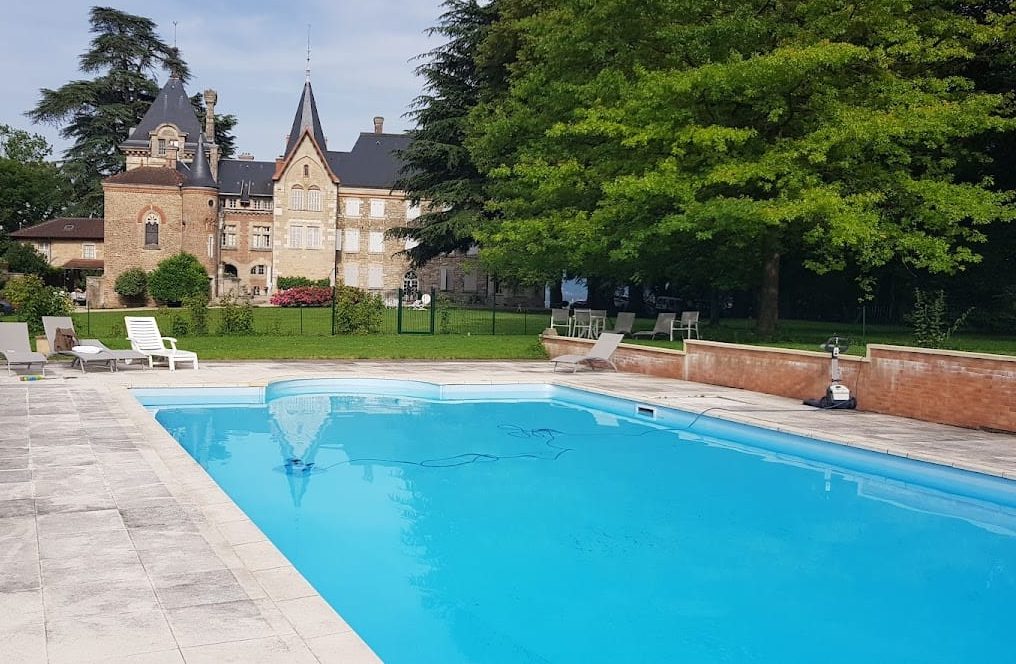
Varambon Castle is a historic château in Varambon, France, whose origins lie in a fortified castle built around the year 1000 by Varembon de La Palud. The medieval fortress became the center of the lordship of Varambon, a territory governed by the La Palud family for more than five centuries. The present château is an eighteenth-century building remodeled in the nineteenth century in the Neo-Gothic style, and may be the fourth structure erected on the site.
The La Palud lordship
Varembon de La Palud may have been the father of Pierre de La Palud, who was lord of Varambon around 1150. Pierre’s sons included Étienne, Gui, and Guillaume de La Palud. In 1243, Guillaume, then provost of Fourvière, left his possessions in the family’s ancestral lands to his nephew Guy, a canon of Lyon.
The family’s authority also involved rights connected with the Ain River. In 1300 and 1302, Aymé de La Palud secured recognition of the rights of Varambon’s inhabitants to pasture along the riverbanks. These confirmations came from the abbot of Ambronay, Humbert de Luyrieux, lord of Morestel in Revermont, and Bérard Robert, preceptor of the Templar house of Molissole.
Destruction and reconstruction
The original fortress was demolished in 1451 on the orders of Louis of Savoy, a member of the Savoyard ruling dynasty. Louis then provided 12,000 écus for its reconstruction. The castle church, whose foundations had been laid toward the end of the fourteenth century by Aymé de La Palud, was built by his successor Guigues. François de La Palud and Louis de La Palud, Bishop of Maurienne and Cardinal of Varambon, later completed its furnishings and ornamentation.
Louis de La Palud consecrated the church to Saint Anne on 12 July 1444. It became a collegiate church in 1450, meaning that it was served by a college of clergy rather than by monks. Pope Nicholas confirmed this elevation in 1451, and Pope Pius II confirmed it again in 1462.
A 1603 inventory described the rebuilt fifteenth-century castle as a residential building with two small towers. It had neither a moat nor a drawbridge. The town below was enclosed by walls and entered through two gates, also without drawbridges.
During the wars that preceded Biron’s conquest of Bresse, a historic region of eastern France, the castle and town were sacked in 1595. Most of the town’s houses and buildings were ruined or burned, and only fourteen impoverished inhabitants were said to remain. The castle was destroyed again in the same year, rebuilt in 1756, and restored in 1855. These successive changes account for the complex’s layered architectural history.
Changes in ownership
Jean de La Palud de Jarnosse, Count of Varax, died on 9 January 1544 and transmitted the lordship to his daughters, Marie and Françoise de La Palud. Both died childless, after which their mother, Claudine de Rye, inherited the succession. On 9 March 1576, Duke Emmanuel-Philibert of Savoy elevated Varambon and its dependencies to a marquisate, a territorial lordship governed by a marquis. Claudine later bequeathed it to her nephew Marc de Rye on 23 June 1593.
After the death of François de Rye-La Palud, probably around 1638, the king granted the marquisate to Gaspard de la Croix, Count of Castres. Gaspard transferred it on 24 May 1641 to François’s widow, Christine-Claire de Haraucourt. Their son, Ferdinand-Juste de Rye, Count of Varax and Marquis of Varambon, sold it to Pierre Perrachon, secretary and councillor to the king, on 3 June 1655.
Louis-Guichard Perrachon, heir of his uncle Jean-Baptiste-Marie Perrachon de Nanteuil, sold Varambon on 20 March 1756 to Jean-François Balland d’Augustebourg, an écuyer, or noble rank holder, and lord of Courbonnet in Normandy. The property remained with the Balland d’Augustebourg family in 1789. Varambon Castle was entered on the French register of historic monuments by order of 5 November 2007, while its park was included in a preliminary inventory of remarkable gardens. The property is privately owned.
Remains
Varambon Castle occupies the commune of Varambon in the Ain department of the Auvergne-Rhône-Alpes region. Its surviving form belongs chiefly to the eighteenth-century rebuilding and the nineteenth-century remodeling that gave the château its Neo-Gothic character. Earlier phases are represented through the documented layout of the fifteenth-century residence and the remains and history of the church within the castle enclosure.
The château
The fifteenth-century residence consisted of one principal residential building accompanied by two small towers. The castle had no moat or drawbridge. Below it, the settlement was protected by enclosing walls and two gates, forming a distinct relationship between the seigneurial residence and the town. The building was reconstructed after its destruction in 1595, rebuilt again in 1756, and restored in 1855, leaving the present château as a remodeled structure rather than a simple survival of the medieval fortress.
The collegiate church
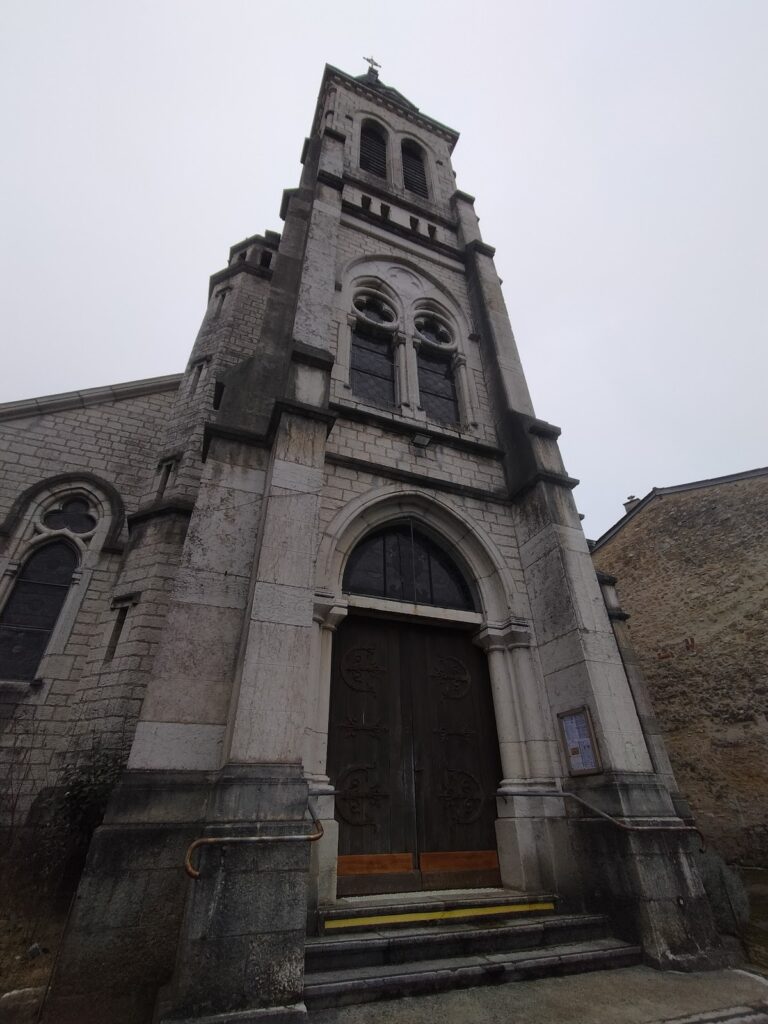
The church stood within the castle enclosure and was dedicated to Saint Anne. Its construction began with foundations laid by Aymé de La Palud toward the end of the fourteenth century, followed by the erection of the building under Guigues de La Palud. François de La Palud and Louis de La Palud completed its furnishings and ornamentation. The church contained the tomb of Guigues and his wife, Aynarde de La Balme. Its inscription identified Guigues as a noble knight and lord of Varambon, stated that the couple had entirely built the chapel, and gave his date of death as 2 February 1422.