Château de Duingt: A Medieval Fortified Castle in France

Site at a Glance
- Rating
- 4.3
- Popularity
- Low
- Country
- France
- Primary era
- Medieval
- External website
- Open
- Eras represented
- Medieval
- Civilizations
- Duchy of Savoy
- Site type
- Military
- Remains
- Castle
On this page9 sections
History
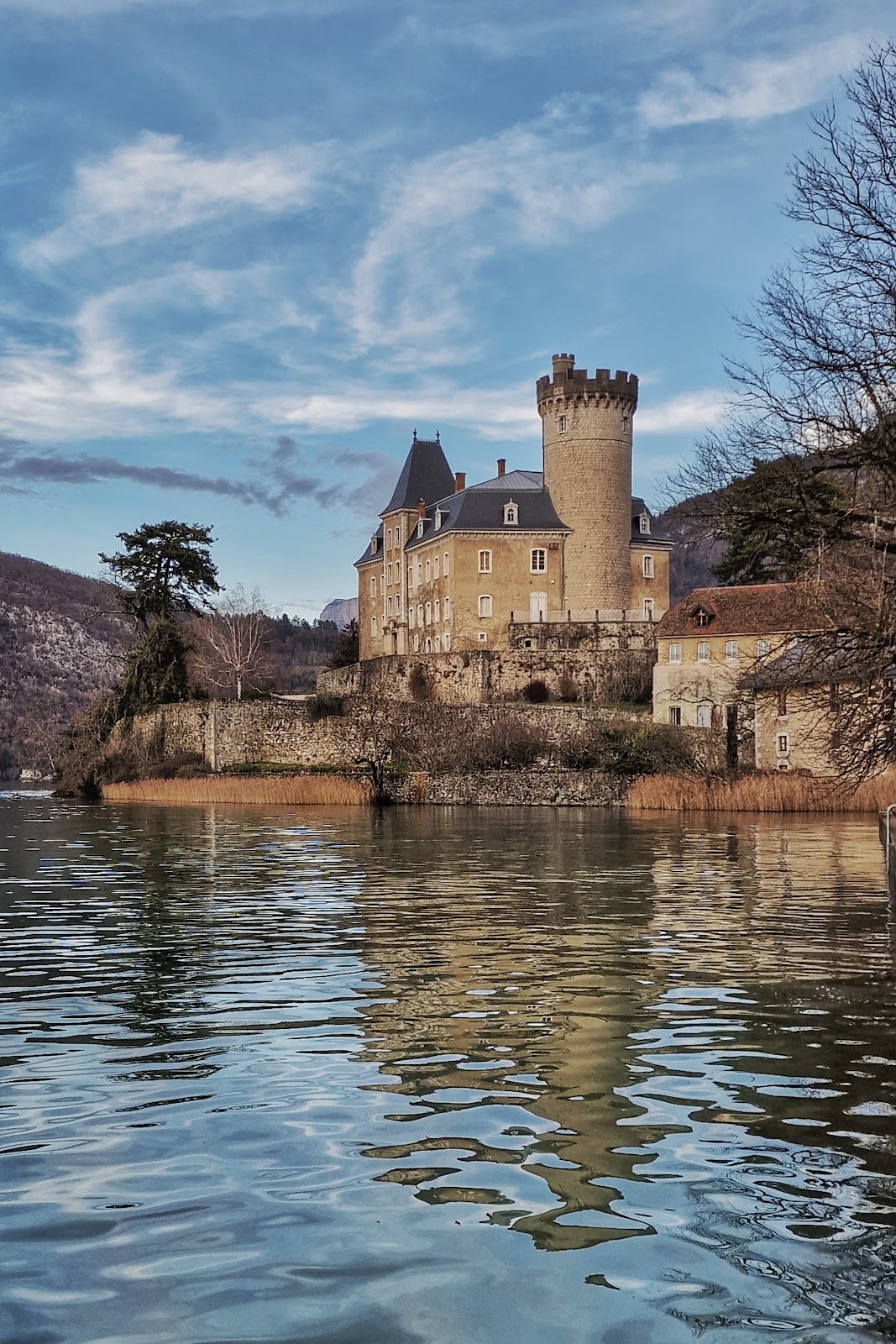
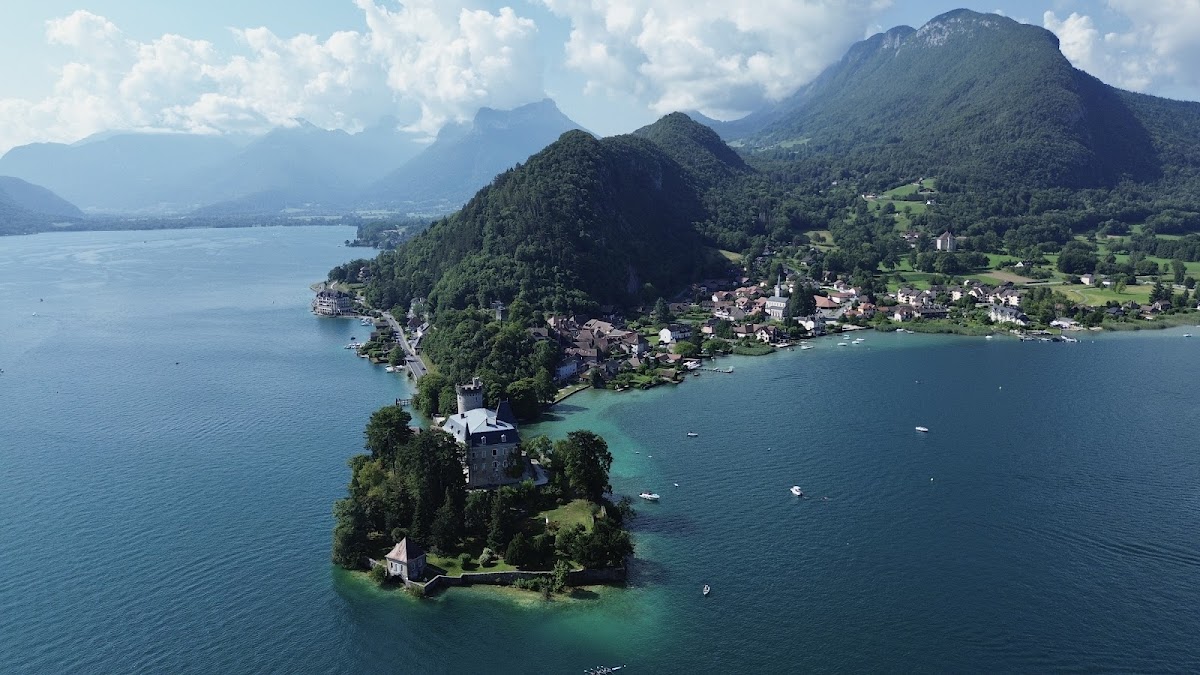
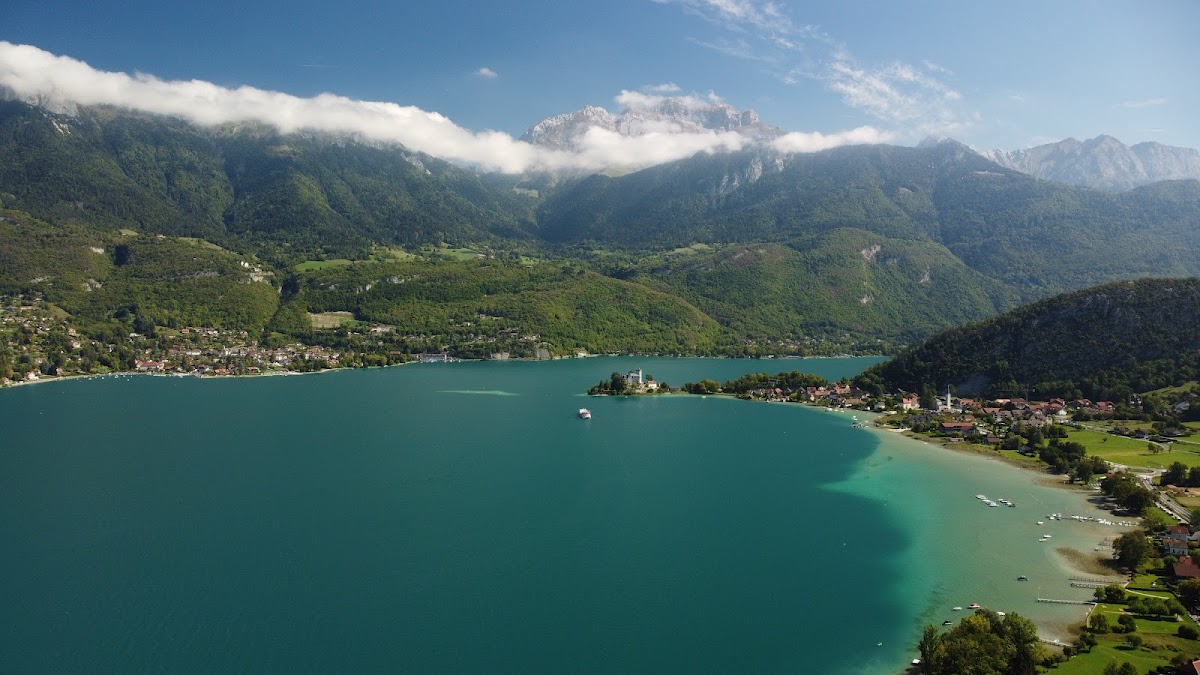
Château de Duingt is a medieval fortified castle in France, located above the village of Duingt on the western shore of Lake Annecy. Also known as Château de La Salle, Châteauneuf, Château de l’Esplanade, and Château du Roc, it was associated from an early period with the Duin or Duyn family, vassals who held land from the counts of Geneva. Its origin is unknown, but the castle is first mentioned between 1103 and 1148 under the Latin term castra, used in medieval documents for fortified sites or camps.
The Duin family and the counts of Geneva
The castle stood above the route linking Geneva and Moûtiers along Lake Annecy’s western shore. This route followed a secondary ancient Roman road, and Châteauvieux formed part of the wider defensive system. Château de Duingt also served as the seat of the châtellenie, or mandement, of Duingt. This was a territorial district centered on a castle, whose châtelain administered local affairs, collected revenues, and maintained the fortification for the superior lord.
The district was a comital châtellenie, meaning that it depended directly on the count of Geneva, but the Duin family retained part of the authority. It was therefore a mixed mandement, administered jointly by the count and the local lord. Its territory included Beauvivier, Chapelle-Blanche, Chevaline, Dhéré, Duingt, Doussard, Entrevernes, Giez, Macherine, Marsaux, Saint-Eustache, Saint-Jorioz, La Thuile, and Vesone.
Members of the Duin family appear in the political affairs of the county during the thirteenth century. In 1219, Raymondus Doint acted as surety for 1,100 sols for Count William II of Geneva in an agreement with Aymon de Grandson, bishop of Geneva. In 1288, Raoul, also called Rodolphe, de Duin or de Conflans, paid homage to the count and promised to place his fief at the count’s disposal if conflict arose with neighboring Savoy. In 1296, he sold Château de Duingt to Count Amadeus II of Geneva for 2,500 livres while retaining Châteauvieux.
Transfer to Savoy and later noble owners
The castle remained with the counts of Geneva until 5 August 1401, when it passed to the dukes of Savoy along with the County of Geneva. Perrin d’Antioche acquired it in 1451 and received the title of lord of the place from the duke in 1455. He transferred the castle in 1462 to Janus of Savoy, the younger son of Duke Louis of Savoy and apanage count of Genevois. An apanage was a territorial grant assigned to a junior member of a ruling dynasty.
Janus of Savoy later bequeathed the castle to Hélène of Luxembourg. Through her second marriage, it passed to François des Martigues, viscount. It subsequently came to Louise of Savoy, Marquise of Baugé and lady of Évian, who was the daughter of Janus and Hélène and the granddaughter of Duke Louis I of Savoy. Ownership then passed to her descendants François, Sébastien, and Marie of Luxembourg.
Jeanne-Baptiste of Genevois-Nemours brought the castle as her dowry in 1665 when she married Duke Charles-Emmanuel II. The Monthoux family acquired Château de Duingt and Châteauvieux in 1681, then sold both castles in 1696 to François-Nicolas de Montpiton, lord of Noiret and Saint-Jorioz. The Sales family bought the two properties in 1698 and retained them until the French Revolution.
The châtelains and the castle’s decline
Under the counts of Geneva and, after 1401, the counts of Savoy, the châtelain was an appointed officer serving for a defined period and subject to removal. He managed the mandement, collected its fiscal revenues, and oversaw the castle’s upkeep. A receiver of accounts sometimes assisted him. Among the recorded châtelains and associated officials were Pierre de Châtillon and Henry Foillet, Thibault de Châtillon, Mermet de Menthon of Dingy, Claude and Georges de Châtillon, Jean Bombat of Divonne, Martin Brosier, Jacques d’Alby, Lancelot de Poitiers, Antoine Draghi, Hugonnet d’Ossens, Jacques and Philibert d’Ossens, Hyérome Fornier, Pierre de Duingt, Henry Goytre, and François Migard.
The office continued under later holders, including Philippe II Ducrest, Antoine Floccard, Jean-Michel Feige, Claude Chappaz, Louis Floccard, Jean-François Comte, Guillaume Dunant, Pierre Villet, and Urbain Michot, whose tenure ended in 1659. After the Revolution, the castles were declared national property and auctioned in 1796 to Jean Berthet. He sold them in 1833 to Baron Scipion Ruphy. Isaure Ruphy later brought the properties as her dowry to her husband, Count Henri de la Barge de Certeau.
Remains
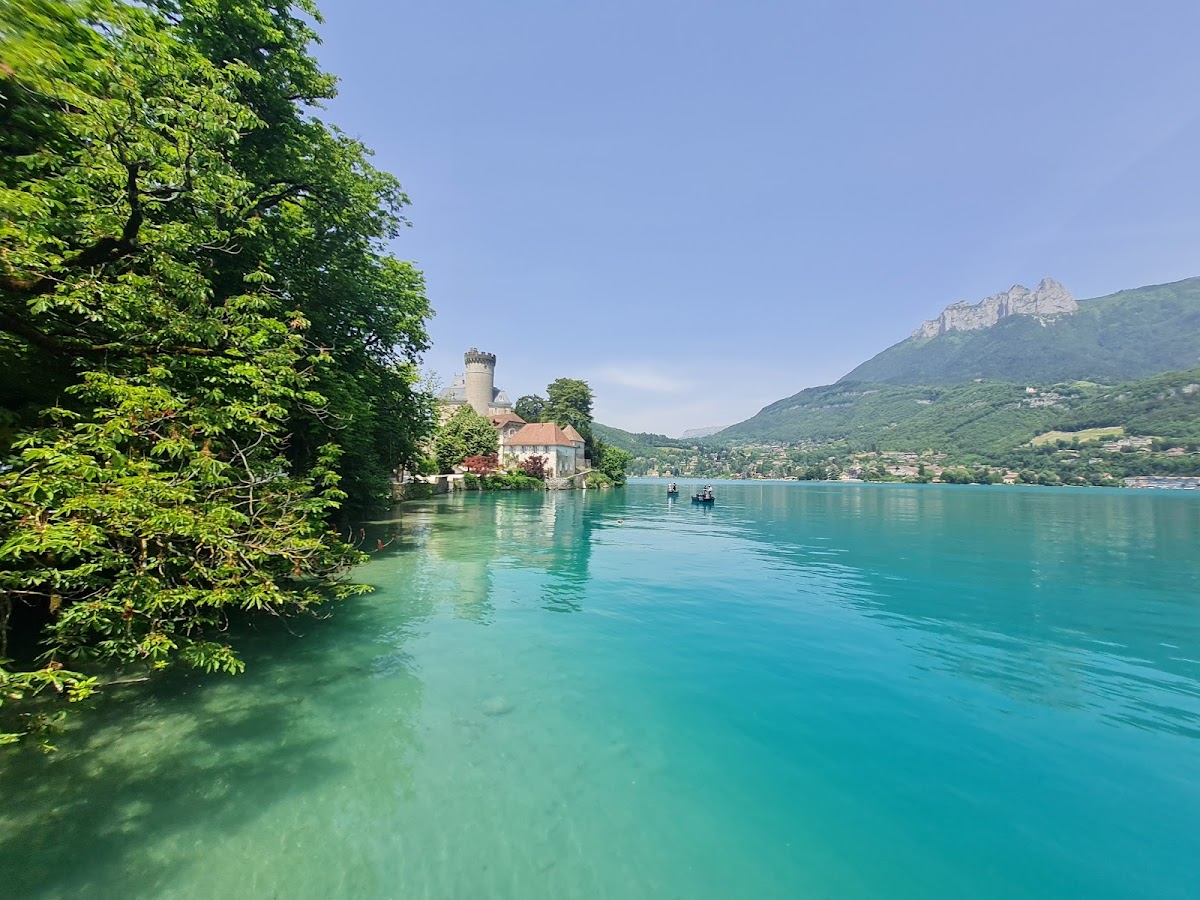
The ruins occupy a rocky promontory above Duingt, overlooking the western shore of Lake Annecy and the route between Geneva and Moûtiers. The surviving complex consists of a ruined fortified tower and portions of the enclosing defensive walls. The castle’s defenses were connected with those of the separate Châteauvieux.
Fortifications and surviving buildings
The donjon
The principal surviving tower is described in one account as octagonal. More specifically, the donjon, the castle’s main fortified tower, is described as hexagonal on the exterior and circular within. Its exact date is uncertain. According to Louis Blondel, its circular interior resembles the tower at Châtillon, while the exterior was remodeled during the fourteenth or fifteenth century. The levels are linked by a spiral staircase, and the tower now survives in a ruinous condition.
The defensive enclosure
A surrounding enceinte, meaning the enclosing defensive wall or circuit, formed part of the castle complex. Only remains of these walls survive above the village, where they belong to the same ruinous structure as the tower. Châteauvieux supplemented this defensive arrangement as a separate fortified site.
The castle chapel
On the side of the gatehouse facing Talloires stood the castle chapel. It later became the primitive parish church of Duingt. In 1344, the parish church was transferred to the site of the present cemetery, leaving the chapel’s earlier religious role as part of the castle’s history.