Al Hayl Castle: A Fortified Residence and Lookout in the United Arab Emirates
Site at a Glance
- Rating
- 4.4
- Popularity
- Low
- Country
- United Arab Emirates
- Primary era
- Modern
- Eras represented
- Bronze Age, Iron Age, Modern
- Civilizations
- Umm an-Nar
- Site type
- Military
- Remains
- Castle
On this page11 sections
History
Early settlement and the Al Hayl village
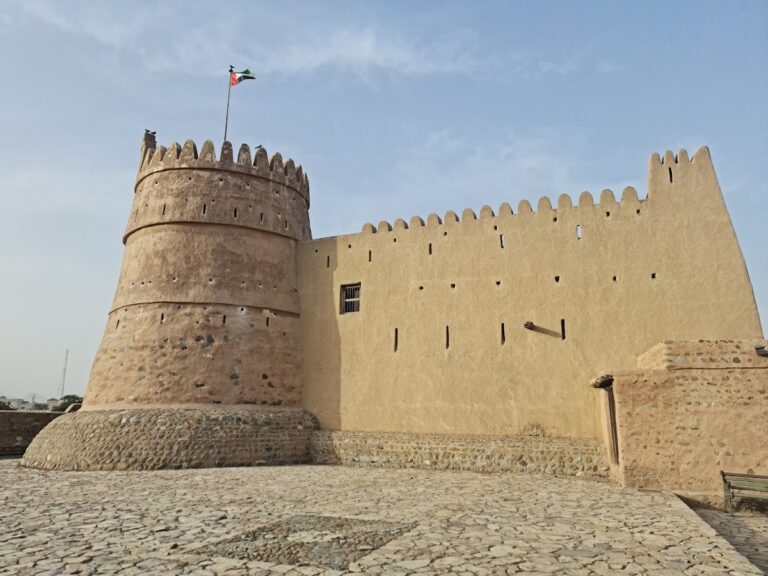
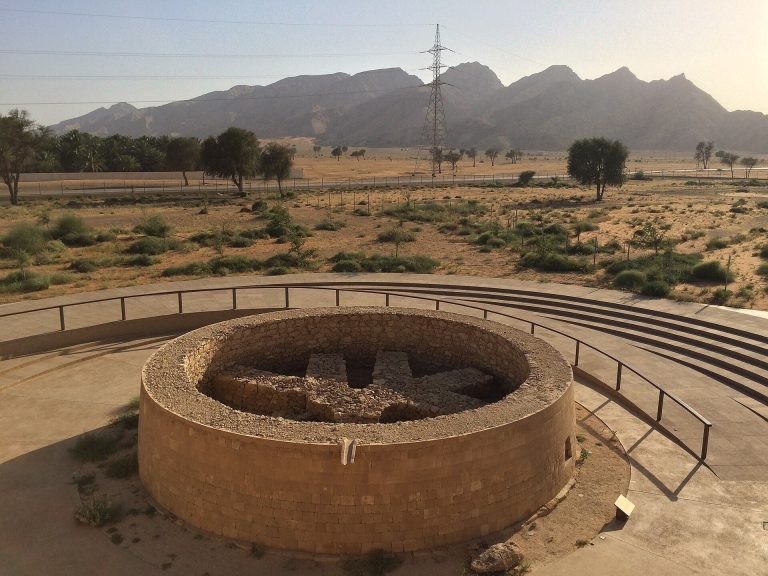
Al Hayl Castle is a fortified residence and lookout in the United Arab Emirates, overlooking Wadi Hayl and the old village of Al Hayl west of Fujairah. The area had been settled since the Umm Al Nar period, a Bronze Age period of southeastern Arabia associated in part with collective stone-built tombs and settlements. Umm Al Nar tombs and Iron Age petroglyphs, images or marks carved into rock surfaces, have been found nearby.
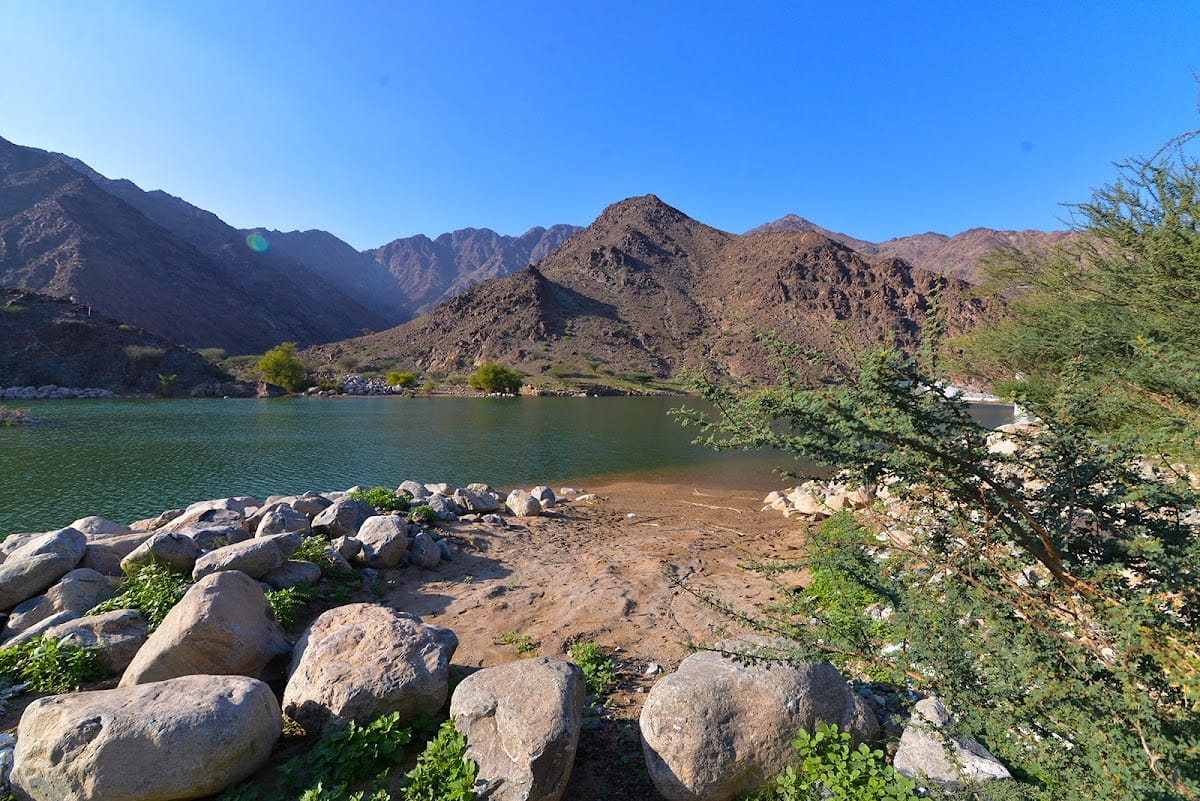
The old village was traditionally inhabited by members of the Kunud tribe. Its position below the fort connected the settlement with the defensive landscape of Wadi Hayl. The village was abandoned in the late 1970s, when its inhabitants moved to a new settlement farther down the wadi. The later village is protected by the Al Hayl Dam, built in relation to the seasonal watercourse.
Construction and use in the twentieth century
Sheikh Abdullah bin Hamdan Al Sharqi constructed Al Hayl Castle in 1932. As a member of the Al Sharqi family, the ruling family of Fujairah, he built the fort to protect the area from attack and to provide a lookout base. The fort became his principal residence for approximately two decades.
The buildings were constructed by the Bin Shamal family, builders active in Kalba and Fujairah, together with a builder identified as Bin Shambi. The associated watchtower was first built as a residence for Sheikh Abdullah’s younger brother, Suhail. Suhail later moved to a house in Wadi Furfar, while Sheikh Abdullah continued to use the fort as his main residence until he moved to a house in Mirbah in 1958.
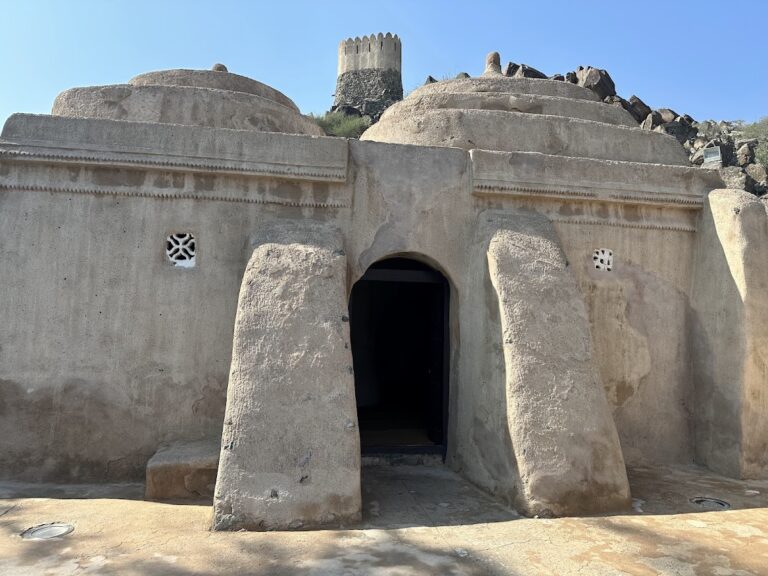
Sheikh Abdullah also built a private residence near the fort. The two-storey house contained rooms, a kitchen, indoor and outdoor reception areas, storerooms, and a private mosque. The reception spaces included areas used for receiving visitors and conducting meetings, functions traditionally associated with a majlis.
Restoration and commemoration
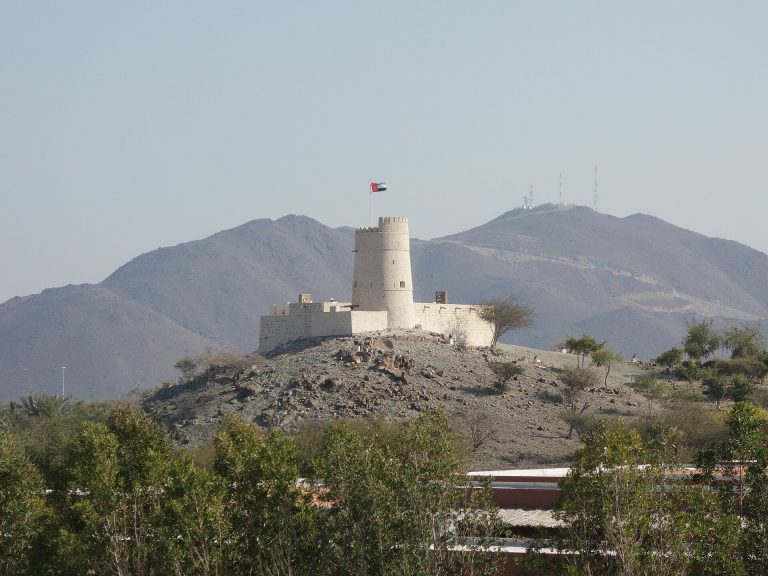
After the fort had fallen into ruin, the Fujairah Tourism and Antiquities Authority carried out maintenance and restoration in 2009. The work included rehabilitation of the watchtower. During the rule of Muhammad bin Hamad Al Sharqi, another member of Fujairah’s ruling Al Sharqi family, Al Hayl Murabba was built on a high mound. A murabba is a square or compact fortified tower-house traditionally found in the Arabian Peninsula. The building now serves as a memorial to Al Hayl Fort and its history within the heritage of Fujairah and the United Arab Emirates.
The surrounding archaeological evidence remains vulnerable in places because ongoing construction threatens some of the ancient remains in the area. The castle, village remains, and later memorial together preserve successive aspects of Al Hayl’s settlement history.
Remains
Fortified buildings and elevated lookout
Courtyard house
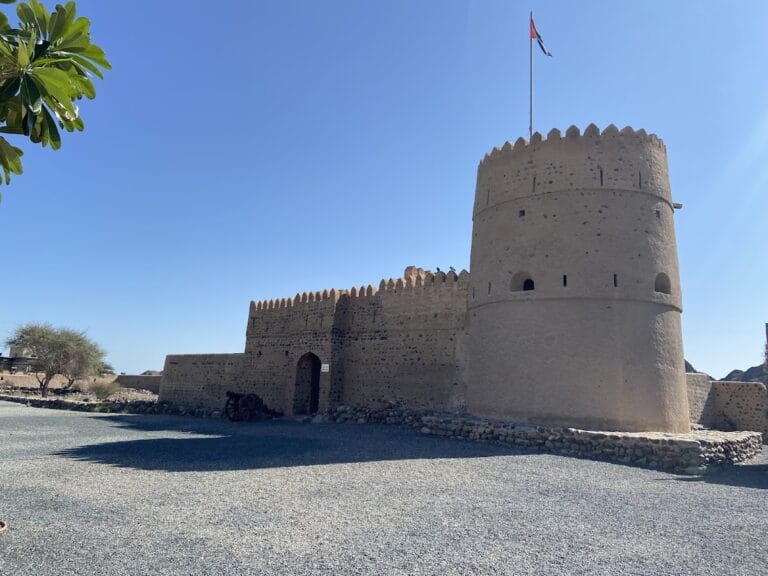
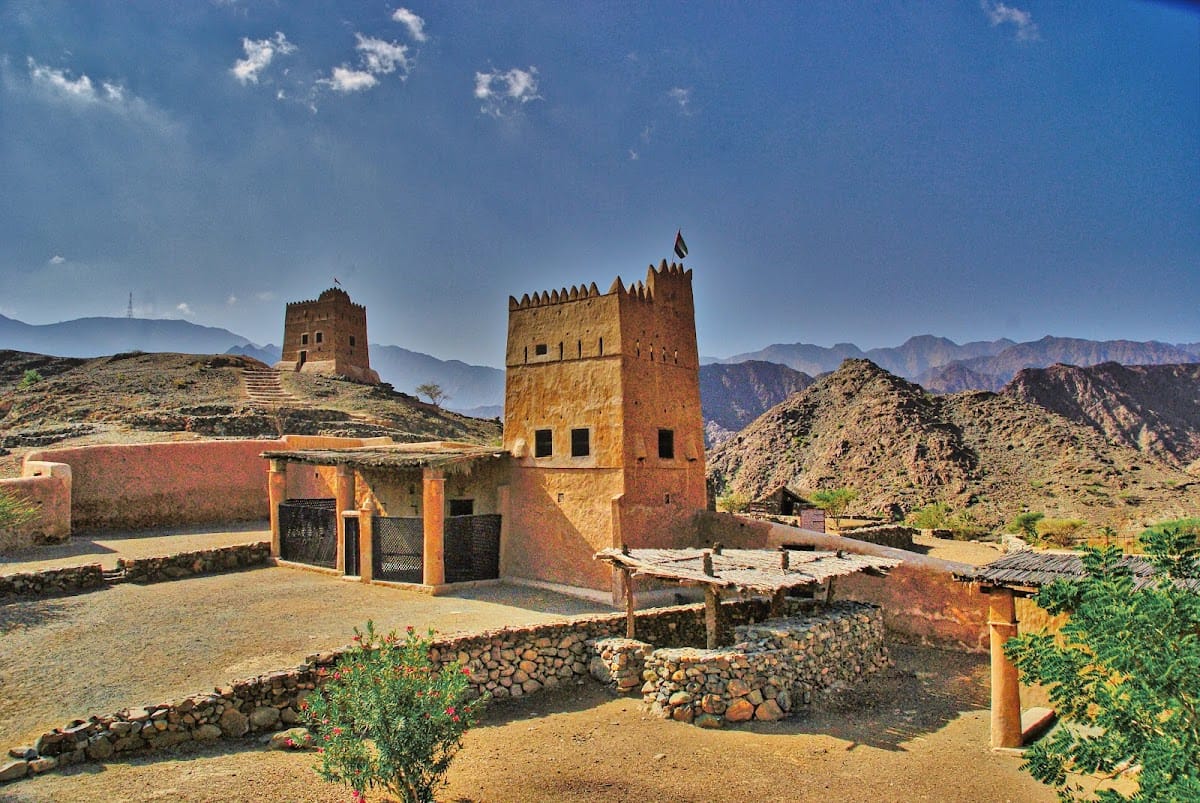
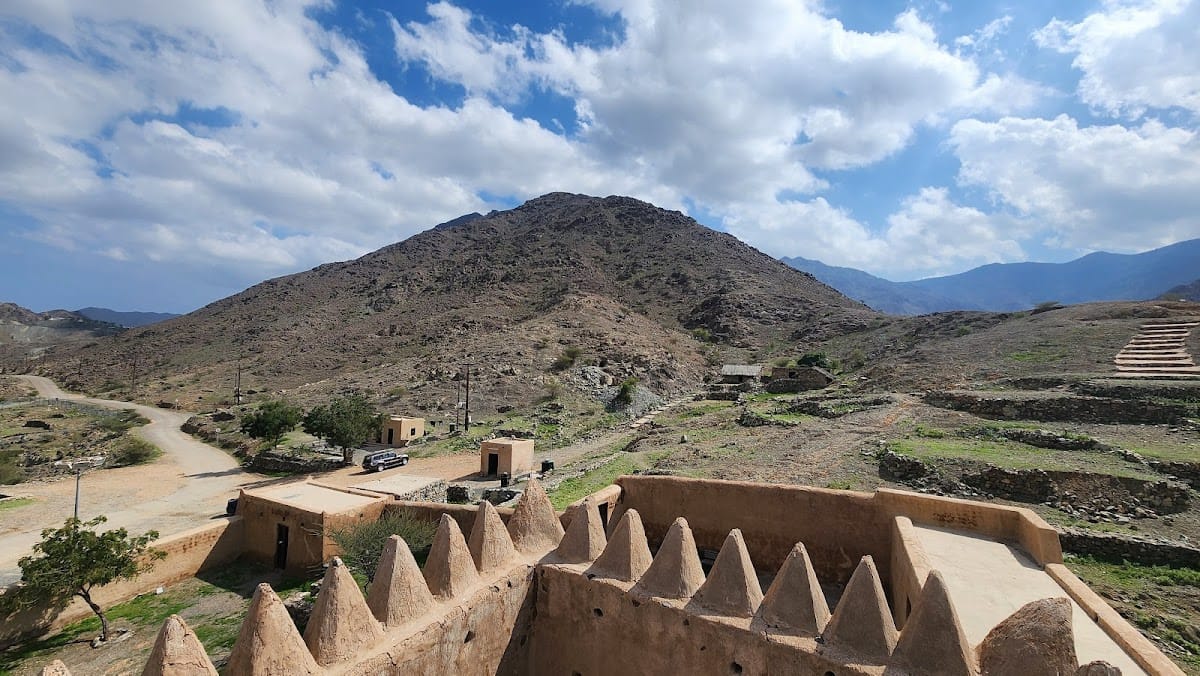
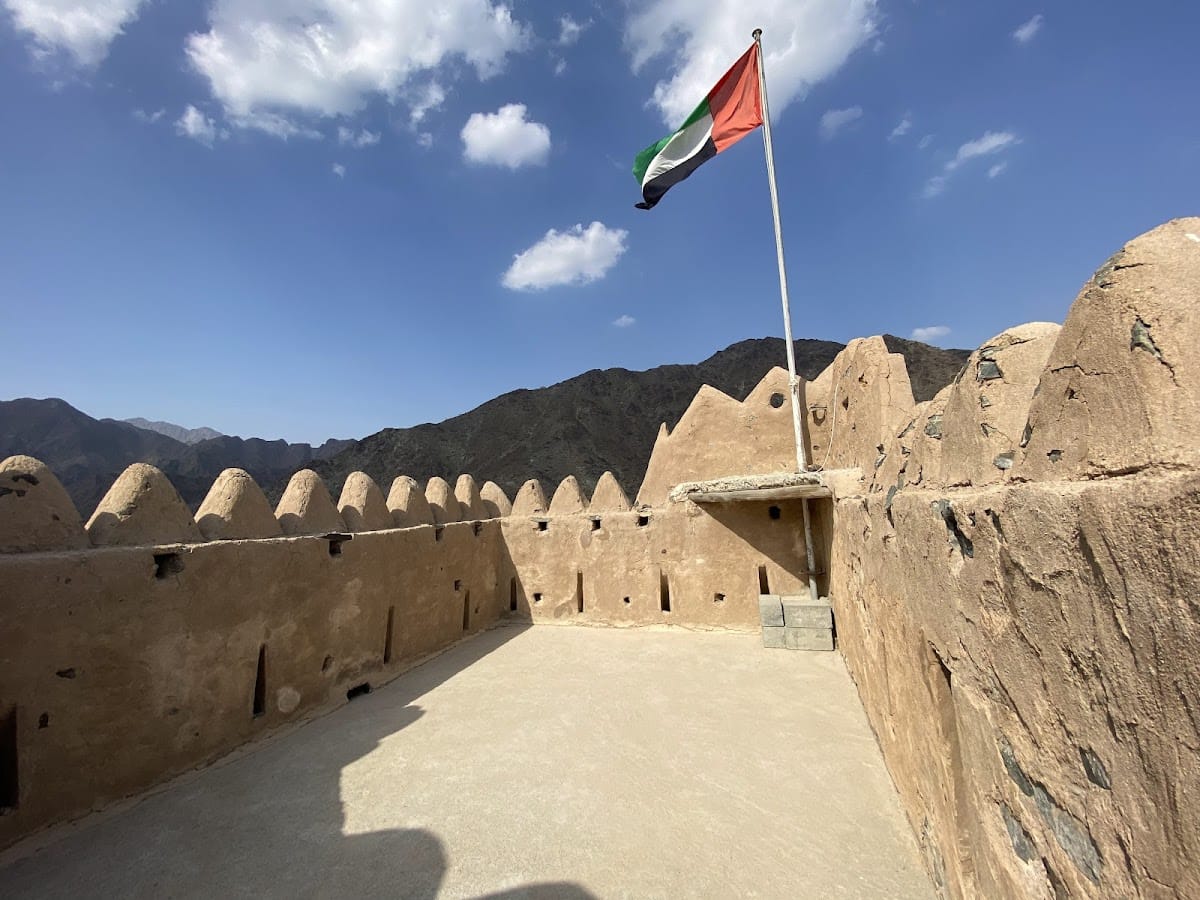
The main fort is a large fortified courtyard house enclosed by a strong defensive wall. Its residential unit contained large halls for receiving visitors, meeting rooms, bedrooms, storerooms, and a kitchen. Openings in the surrounding wall served for firing large and small weapons, combining domestic accommodation with defensive use.
The walls were built from gabbro or dolerite, dark and durable igneous rocks, bound with soft mud mortar and faced with plaster. Interiors were finished with gypsum plaster. Mangrove wood and hardwood planking formed the woodwork. Eight columns stand in the courtyard, each approximately 3 metres high and 20 centimetres in diameter; their surfaces are coated with fired clay.
Watchtower
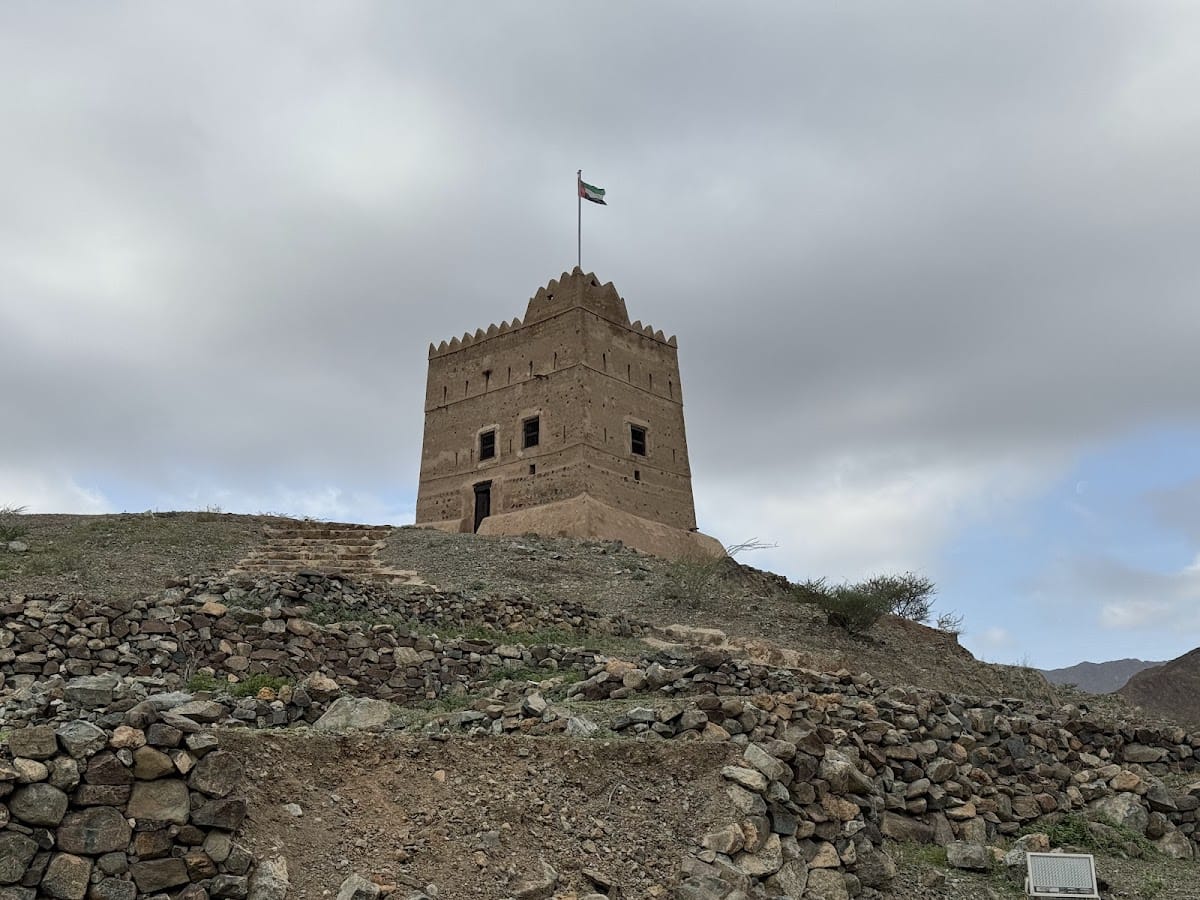
The associated watchtower stands on the summit of a mountain above the fort. From this elevated position it overlooks Al Hayl Castle, Wadi Hayl, and the village, with views extending east and west along the wadi. Its location gave the fort a lookout position as well as a separate residential function during the early history of the complex.
Memorial and village landscape
Al Hayl Murabba
Al Hayl Murabba stands on a high mound as a memorial to the fort and its history. Its construction used gravel, fired mud, wooden beams, palm fronds, and mangrove wood. The compact fortified tower-house belongs to the later historical landscape associated with Al Hayl and preserves the memory of the earlier fort.
Old village remains
The associated settlement contains old village buildings, many of which have been restored. Together with the fort, these structures occupy the landscape of Wadi Hayl, a seasonal watercourse. The castle stands at approximately 231 metres above sea level, while the later village lies farther down the wadi near the Al Hayl Dam.