Schloss Moritzburg (Zeitz): A Fortified Baroque Residence and Museum
Site at a Glance
- Rating
- 4.5
- Popularity
- Low
- Country
- Germany
- Primary era
- Early Modern
- External website
- Open
- Eras represented
- Medieval, Early Modern
- Civilizations
- Holy Roman Empire
- Site type
- Military
- Remains
- Castle
On this page12 sections
History
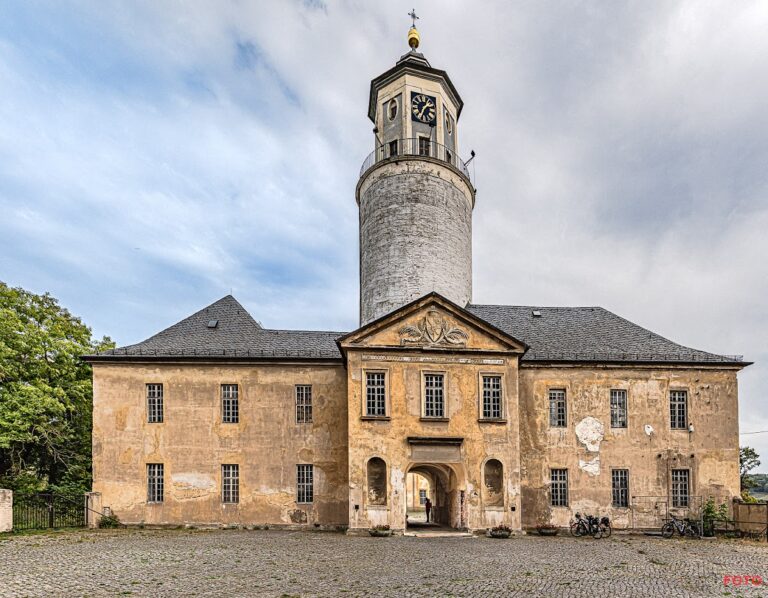
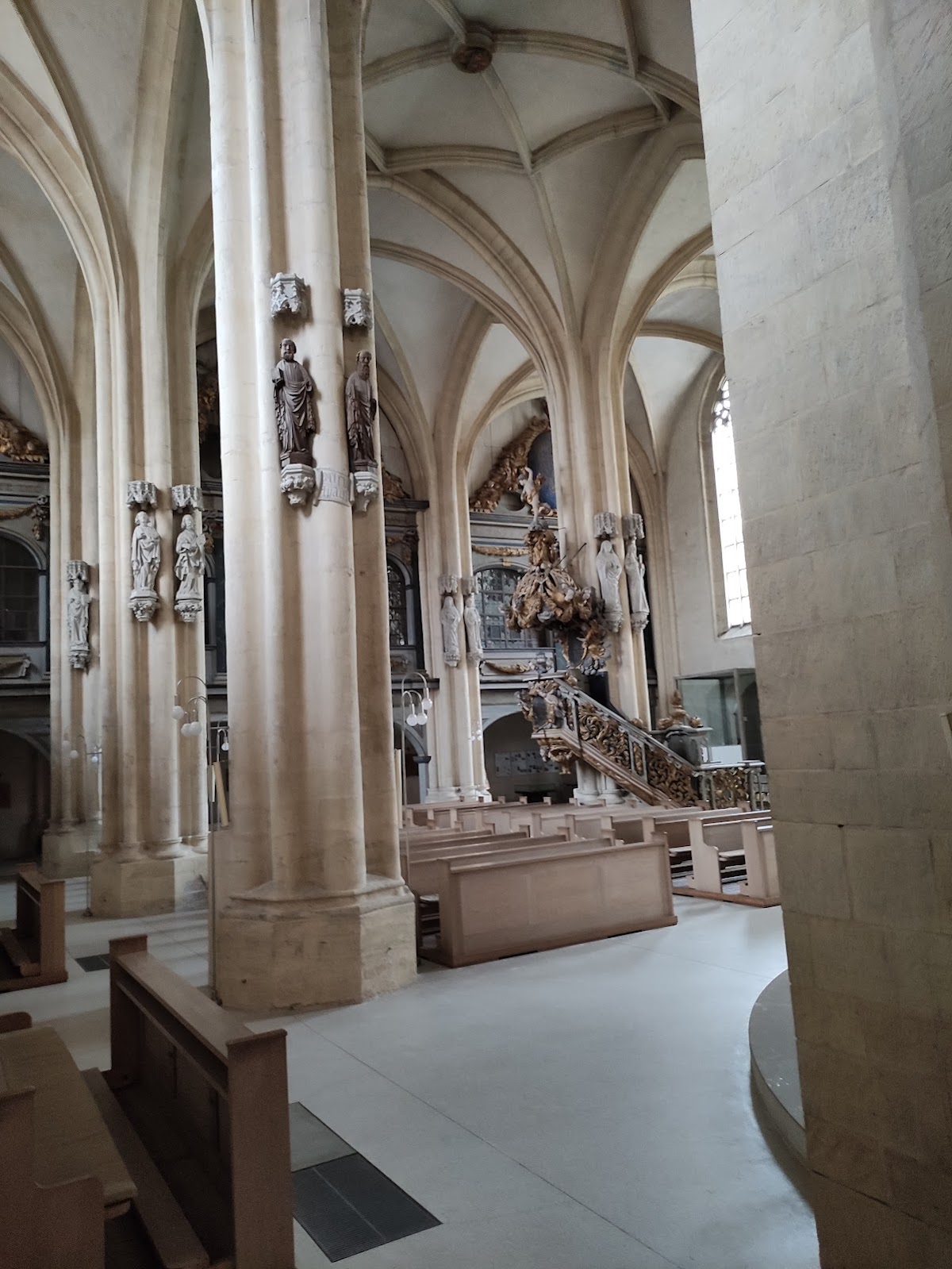
Schloss Moritzburg (Zeitz) is a fortified Baroque castle in Zeitz, Germany, developed from a royal palace and fortified residence of the bishops of Zeitz. Its present form was created mainly in the seventeenth century, when a damaged medieval castle was rebuilt as a residence for the dukes of Saxe-Zeitz. The complex also includes Zeitz Cathedral and preserves the record of the town’s changing ecclesiastical, dynastic, military, and civic roles.
Royal stronghold and episcopal residence
The Diocese of Zeitz was founded in 968 as a bishopric subordinate to the Archdiocese of Magdeburg. In 976, Otto II, a tenth-century Holy Roman Emperor of the Ottonian dynasty, granted the existing royal stronghold to Bishop Hugo I of Zeitz. The early fortress suffered repeated attacks during Slavic uprisings in 983, 1002, and 1028.
Zeitz was regarded as strategically vulnerable, and in 1028 the bishop’s seat and cathedral were transferred to Naumburg. The collegiate foundation, an institution of secular clergy serving a collegiate church, remained at Zeitz, while the castle continued as a secondary residence for the bishops. During the thirteenth century, the bishops disputed control of the fortified residence with the margraves of Meissen. Bishop Dietrich II agreed in 1259 to the destruction of the outer bailey and fortifications, but rebuilding began in 1271 and received formal authorization from Margrave Dietrich of Landsberg in 1278.
Medieval destruction and Gothic rebuilding
A Hussite attack in 1429 severely damaged the castle complex. Bishop Johann II von Schleinitz then commissioned major Gothic fortifications, and the defenses were strengthened again between 1470 and 1492. These works established much of the defensive framework that later survived alongside the Baroque residence.
Reformation and the Saxe-Zeitz residence
During the Reformation, control of the Naumburg-Zeitz bishopric was contested. Emperor Charles V installed Julius von Pflug as bishop in 1547. After Pflug’s death in 1564, the Wettins, a German princely dynasty that ruled Saxony and related territories, became secular administrators of the former ecclesiastical territory. Moritzburg consequently became one of their secondary residences.
Swedish and Imperial troops heavily damaged the castle during fighting in 1644, in the Thirty Years’ War, the major European conflict that devastated much of central Europe between 1618 and 1648. From 1657 to 1667, the ruined bishop’s castle was rebuilt for the dukes of Saxe-Zeitz, a junior Wettin branch. The resulting residence, together with Friedenstein Castle in Gotha, was among the earliest fortified early-Baroque residences of the Wettins. The castle took its name from Duke Moritz of Saxe-Zeitz, under whose rule it acquired its principal present appearance.
When the Saxe-Zeitz line became extinct in 1718, Moritzburg returned to Electoral Saxony. Following the decisions of the Congress of Vienna, the European settlement made after the Napoleonic Wars, it passed to Prussia in 1815.
Institutional and museum uses
From 1820 to 1920, the complex housed institutions for the poor and a correctional prison, including a state educational institution in its later phase. A municipal prison occupied the buildings from 1921 to 1928. After the city of Zeitz acquired the property in 1928 and 1929, the complex accommodated an employment service and municipal kitchen.
In 1931, the Zeitz Historical and Antiquarian Association received rooms in the south wing for exhibitions and the storage of its collections. During the Second World War, the castle housed a labour camp for displaced Polish and French workers. After the war, it served until 1947 as a camp for expellees from the former eastern territories. The local historical museum resumed operation in 1946.
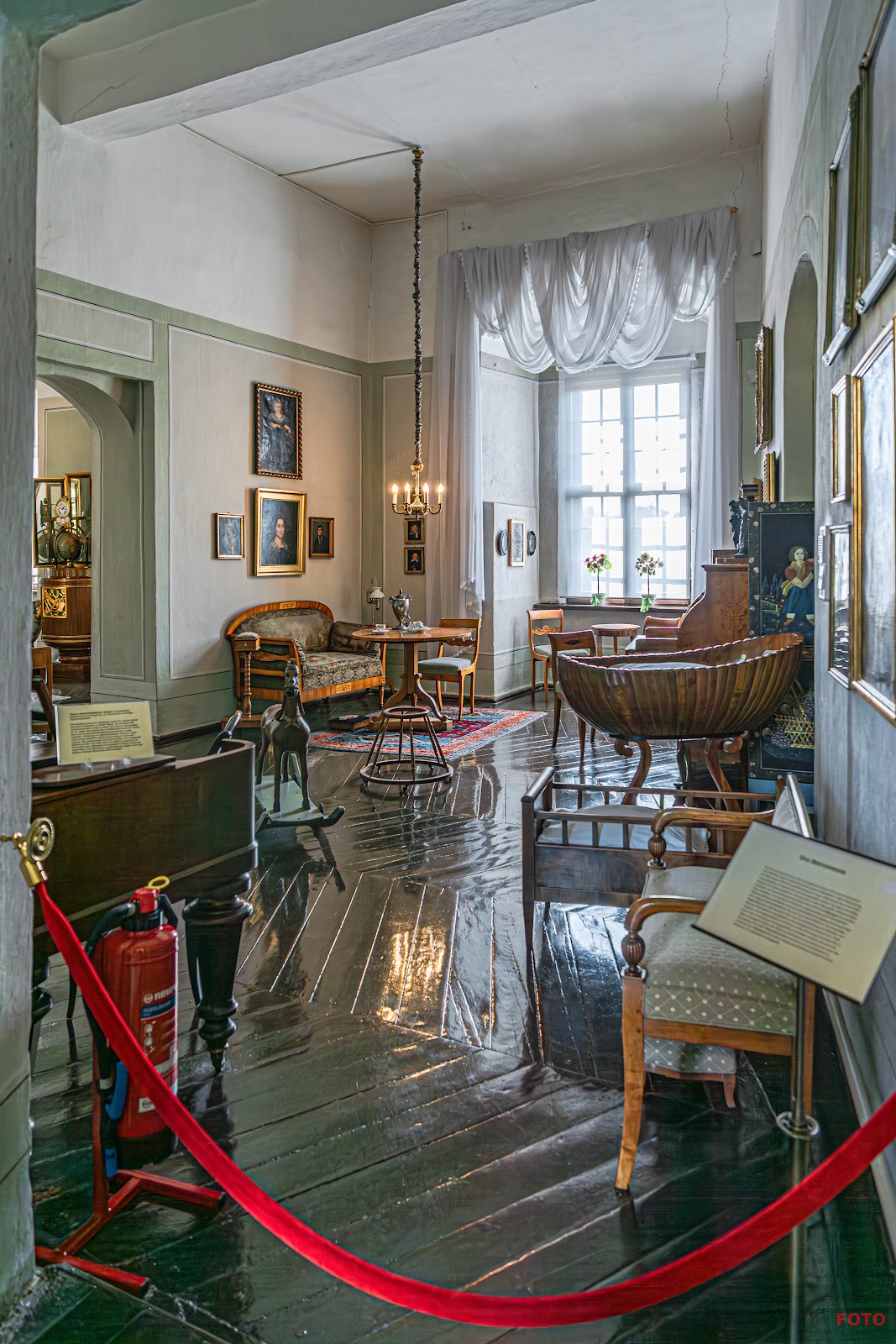
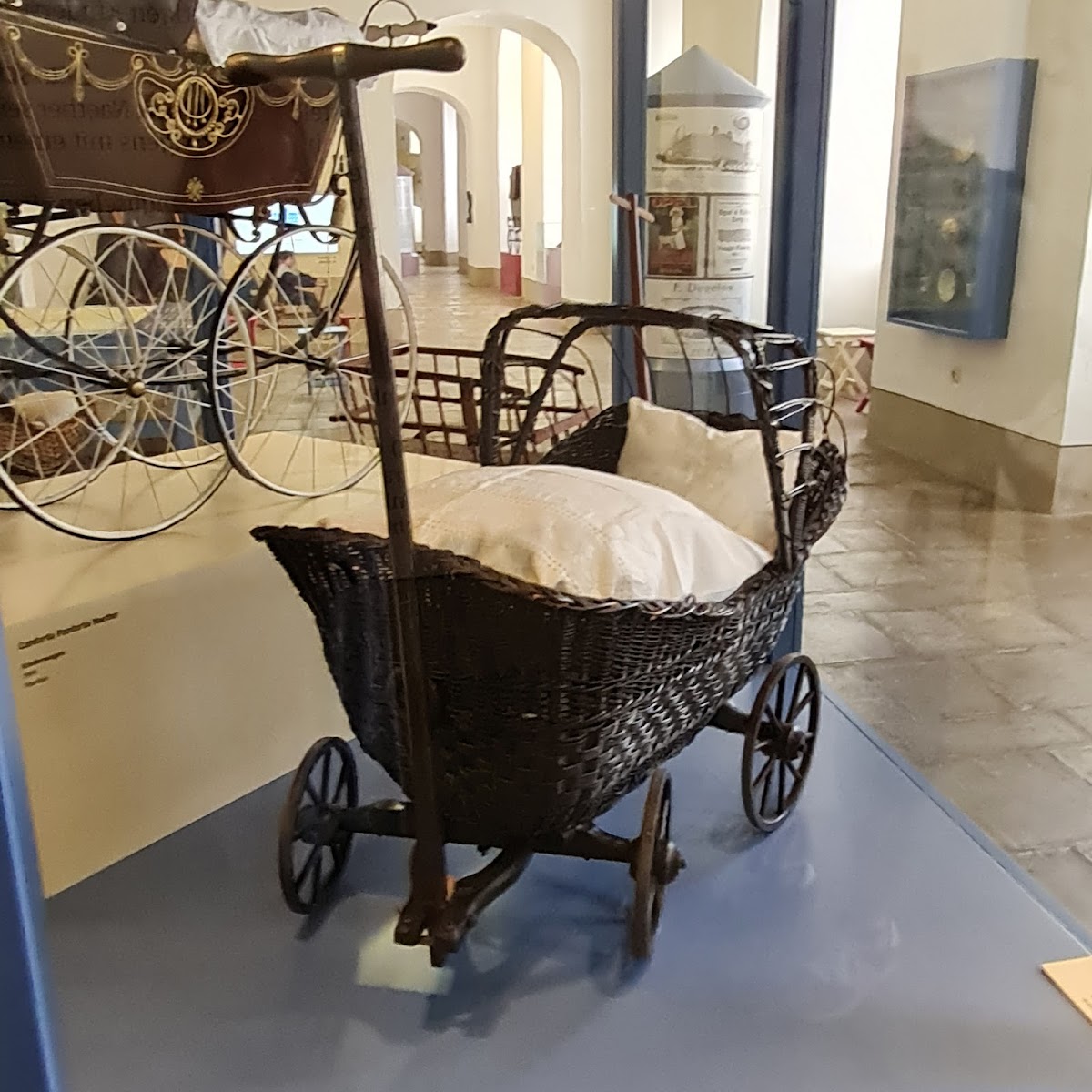
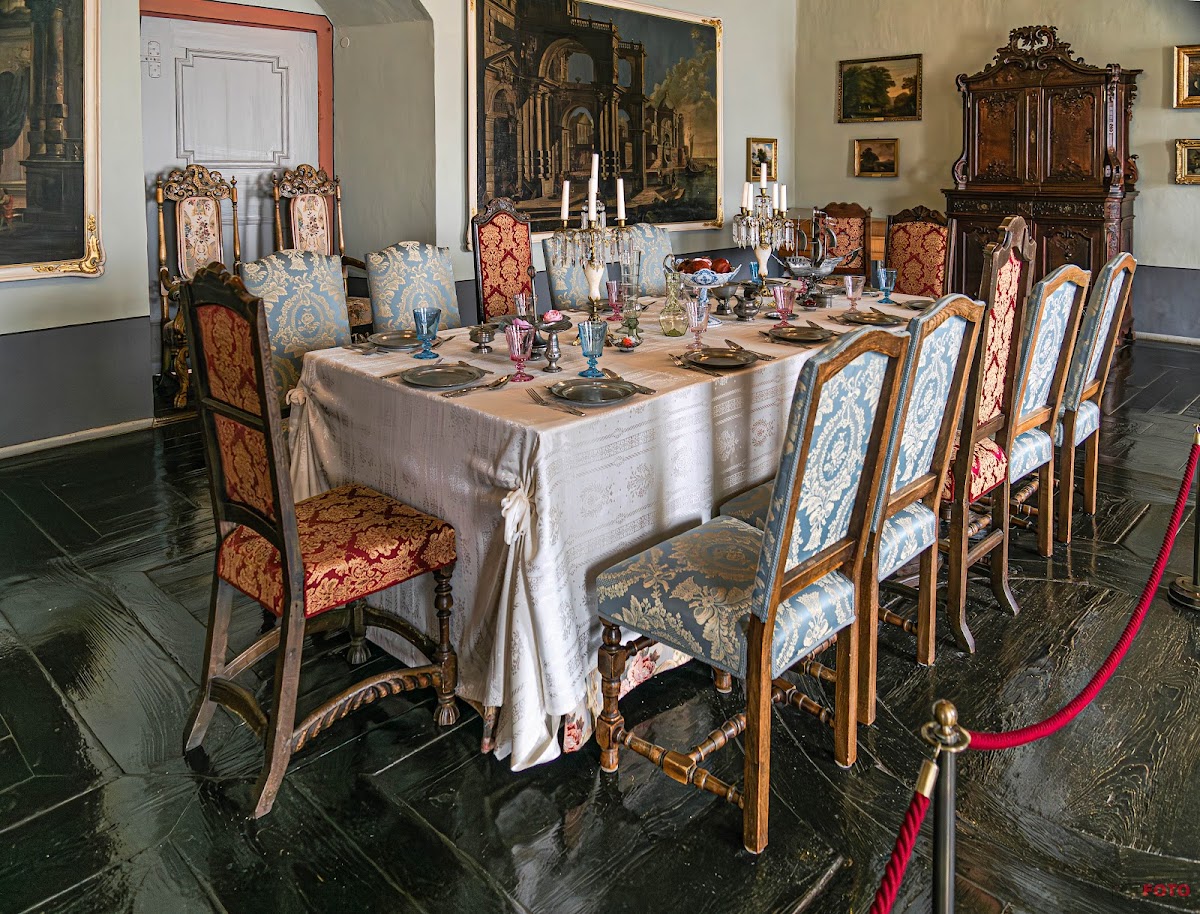
Comprehensive restoration and rehabilitation of the castle and fortress complex took place between 1990 and 2004. In 2004, the site hosted Saxony-Anhalt’s state garden exhibition, after which the castle and park became part of the state’s Garden Dreams heritage project. The city of Zeitz owns the complex, which functions as a museum. Its permanent historical exhibition examines Zeitz under the Naumburg bishops and the Saxon dukes. Other collections include the German Pram Museum, historical furniture from the Renaissance to the nineteenth century, changing exhibitions, and the printing collection of the Johannes Lebek Art and Museum Education Centre.
The castle also houses parts of Zeitz’s library initiative. The Zeitz Collegiate Library contains more than 40,000 historical works, while the Ernst Ortlepp Library holds approximately 38,000 works on cultural and local history. The complex additionally includes the library and archive of the Lutheriden Association and the library of the Zeitz municipal archive. The Zeitz Collegiate Library includes the Zeitz Easter Table, dated to 447, and the Ernst Ortlepp Library holds Petrus Albinus’s 1589 Meissen Territorial and Mining Chronicle. Since 2004, the gatehouse has housed the Lutheriden Library.
Remains
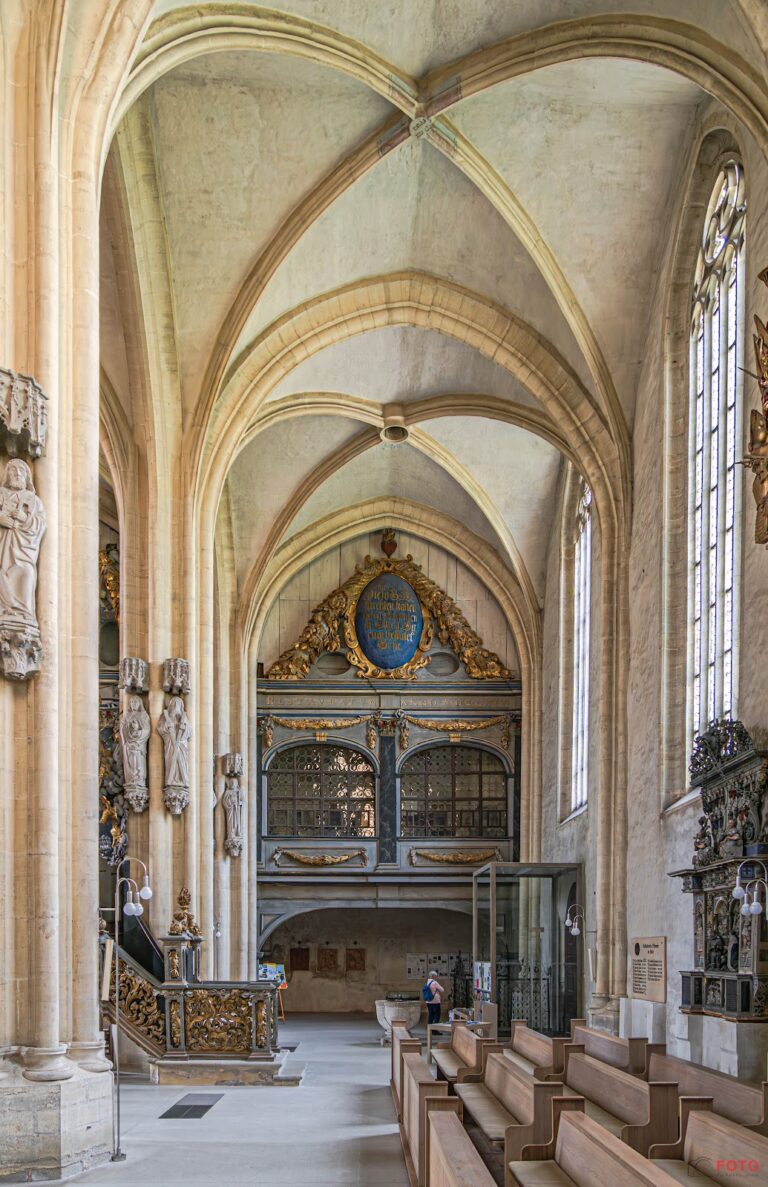
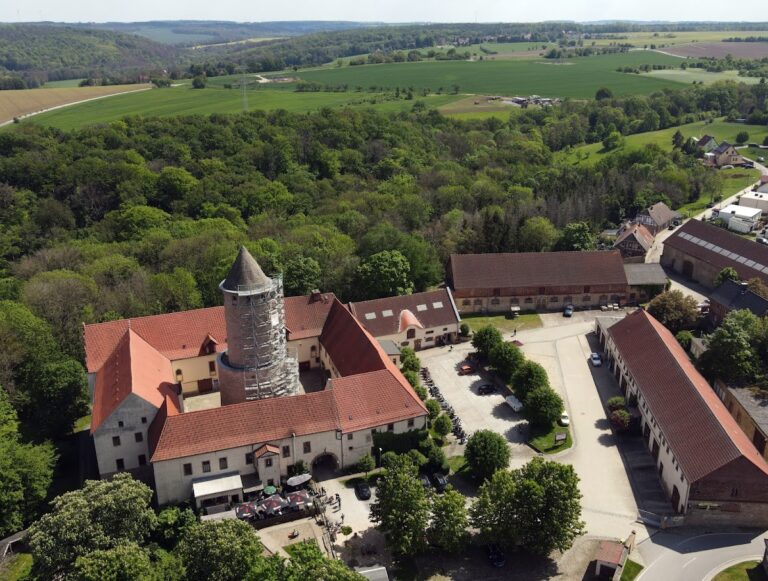
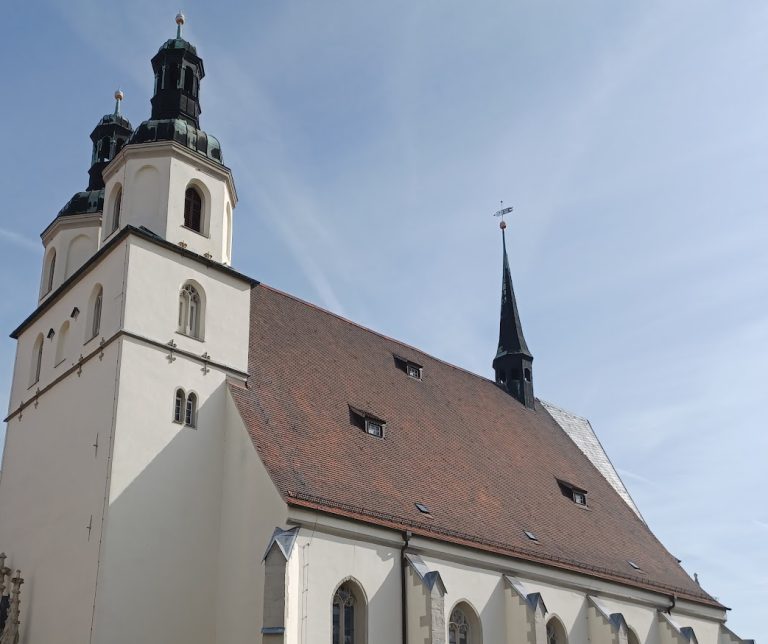
Schloss Moritzburg is organized as a three-wing fortified residence beside the Weiße Elster, with Zeitz Cathedral within the castle grounds. The seventeenth-century building complex stands on the foundations of the former episcopal residence. A tower occupies the centre of the main wing, while the former episcopal church was converted into the ducal castle church. The medieval defensive ring wall was repaired and renewed during the Baroque rebuilding, and additional defenses were added using bastions, projecting artillery structures designed for flanking fire, and fieldworks, which are defensive earthworks.
Fortifications and entrances
Gothic defensive ring
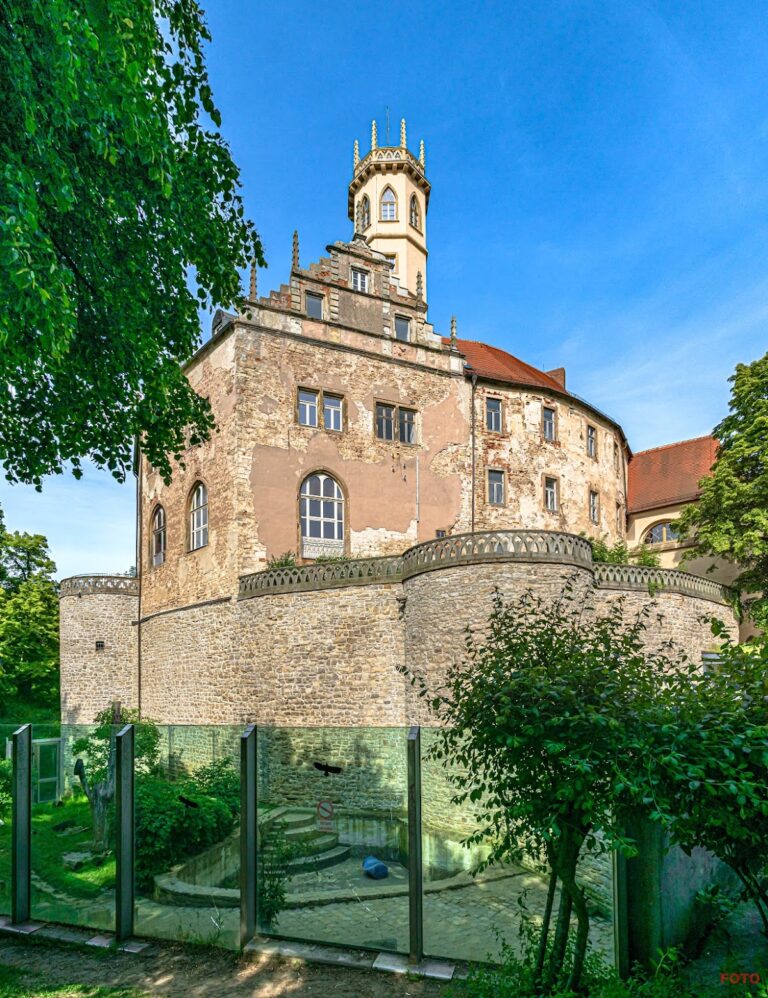
The surviving Gothic defenses form an irregular ring wall with eight towers and rounded or semicircular artillery fortifications known as rondels. A broad moat surrounds the defensive circuit. The fortifications were reinforced in the late fifteenth century and extensively repaired after the damage caused by the fighting of the seventeenth century.
Gatehouse and city-facing defenses
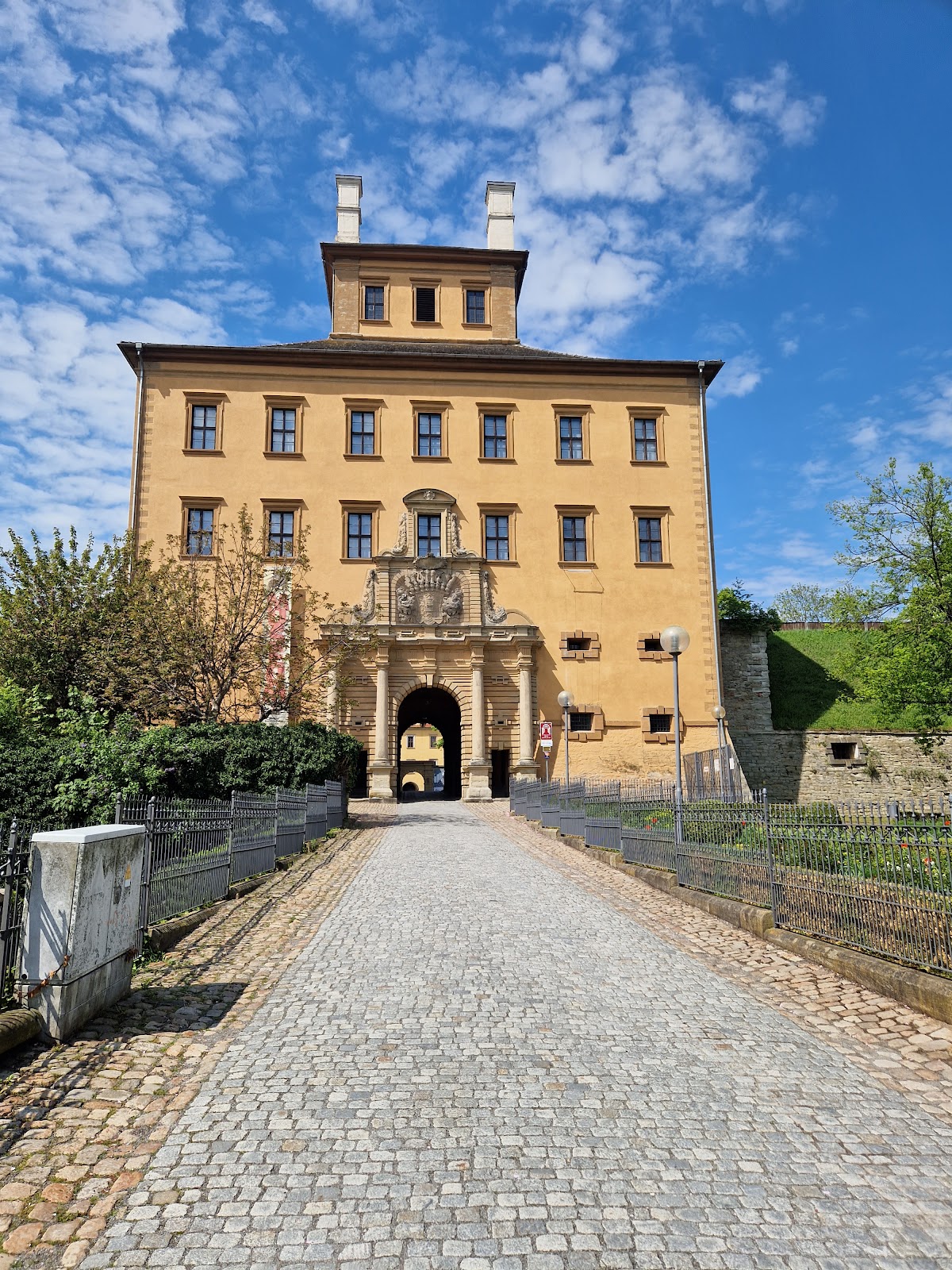
Prominent elements include the monumental gatehouse and the casemated redoubts facing the city. Casemates are vaulted, protected spaces built into fortifications. Bastions and fieldworks extend between the redoubts, forming part of the later artillery defenses. The gatehouse contains the Lutheriden Library and the printing collection of the Johannes Lebek Centre.
Castle park
Gardens and water features
The original castle garden occupied areas around the ramparts. During preparations for the 2004 garden exhibition, it was combined with Rossner Park on the opposite side of the Floßgraben and redesigned as Zeitz Castle Park. The park includes an orangery, the new Johannis Pond, bridges, and a Japanese garden.
Park structures and public spaces
Additional features of the park include an event stage, integrated playgrounds, a reconstructed bathhouse near the northern entrance from Albrechtstrasse, and a multipurpose hall. These elements form part of the landscaped grounds associated with the restored castle and fortress complex.