Mardin Castle: A Strategic Medieval Fortress in Türkiye


Site at a Glance
- Rating
- 4.5
- Popularity
- Medium
- Country
- Turkey
- Primary era
- Medieval
- Eras represented
- Medieval
- Civilizations
- Unclassified
- Site type
- Military
- Remains
- Castle
On this page6 sections
History
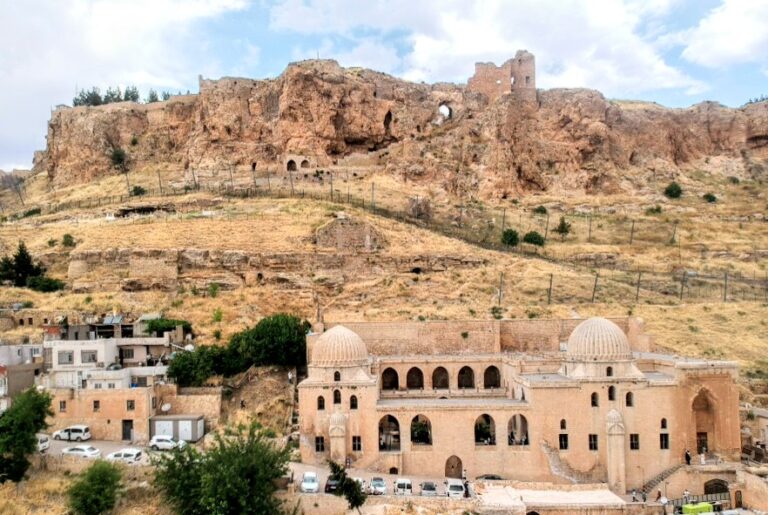
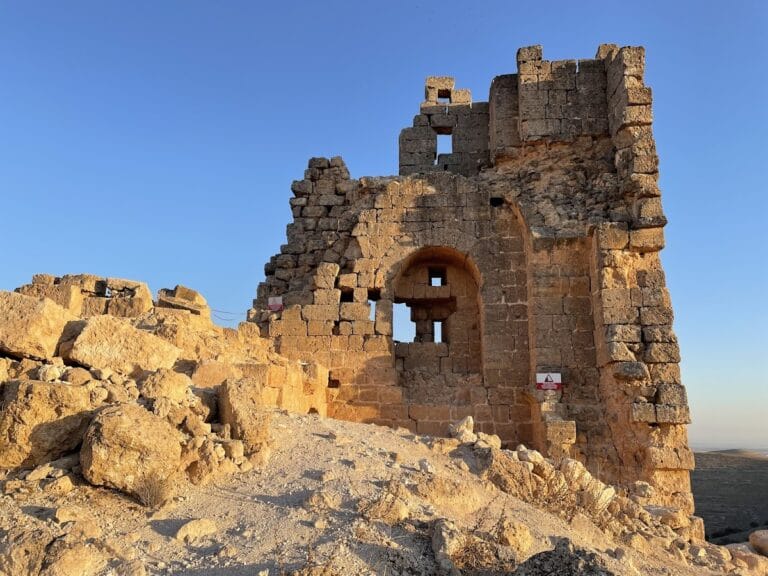
Mardin Castle is a fortified archaeological monument in Türkiye, rising above the city of Mardin on a hill roughly 1,000 meters above the Mesopotamian plain. Known also as the Eagle’s Nest, it has a history described as approximately 3,000 years old and occupies a position of major strategic importance.
Legendary Origins
A local legend attributes the castle’s construction in the 4th century BC to Shad Buhari, described as a Babylonian follower of Zoroastrianism, an ancient Iranian religion centered on the teachings of Zarathustra and reverence for Ahura Mazda. According to the story, he recovered from a serious illness while staying on the hill and then decided to build a palace there.
Hamdanid and Artuqid Development
The historically identified construction phase began during the 10th-century rule of the Hamdanid dynasty, a medieval Muslim dynasty that governed parts of northern Mesopotamia and Syria. The castle was completed between the 11th and 13th centuries under the Artuqid dynasty, a later Turkmen ruling house whose principalities extended across Upper Mesopotamia and southeastern Anatolia.
Ottoman and Modern Military History
The fortress was partly restored during the reign of Ottoman Sultan Selim III, who ruled from 1789 to 1807. By the end of the Ottoman Empire, it had fallen into disrepair. During the Armenian genocide, the mass deportation, persecution, and killing of Armenians in the Ottoman Empire during World War I, the castle was used as a prison and as a holding place for Orthodox and Catholic Armenians before their execution.
Under an agreement involving NATO, the transatlantic military alliance whose members coordinate collective defense and military operations, the castle became a military base and continued to serve a military function into the 21st century. Structural work was undertaken to strengthen the fortification and reduce the danger of loose rocks falling toward the city. Efforts to open the site to tourism repeatedly met bureaucratic obstacles, while the civilian administration had sought since 2008 to have the military unit leave the castle. In 2015, former Mardin co-mayor Ahmet Türk of the People’s Democratic Party and local nongovernmental organizations began a campaign for public access. In 2017, Justice and Development Party deputy Orhan Miroğlu also proposed opening it to tourism. As of 2021, the castle remained a military base.
Remains
Fortified Hilltop
Mardin Castle occupies the hilltop above Mardin as a fortified archaeological monument, its elevated position overlooking the Mesopotamian plain providing the physical basis for its strategic role. The surviving military compound includes a radar station within the base. Structural strengthening has addressed the condition of the fortress and the risk posed by loose rock on the slopes above the city.