Saki Ishizukayama Kofun: A Fourth-Century Burial Mound in Nara
Site at a Glance
- Rating
- 4.3
- Popularity
- Medium
- Country
- Japan
- Primary era
- Classical
- Eras represented
- Classical
- Civilizations
- Yamato
- Site type
- Burial
- Remains
- Burial Mound
On this page7 sections
History
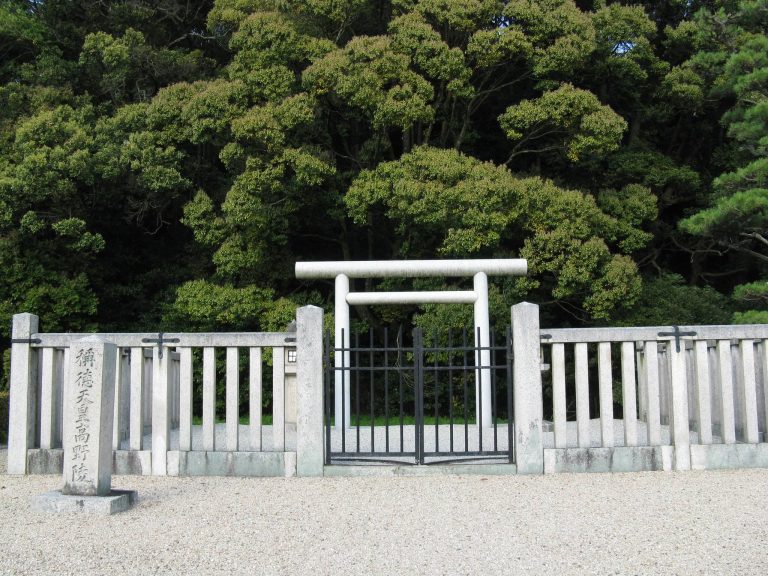
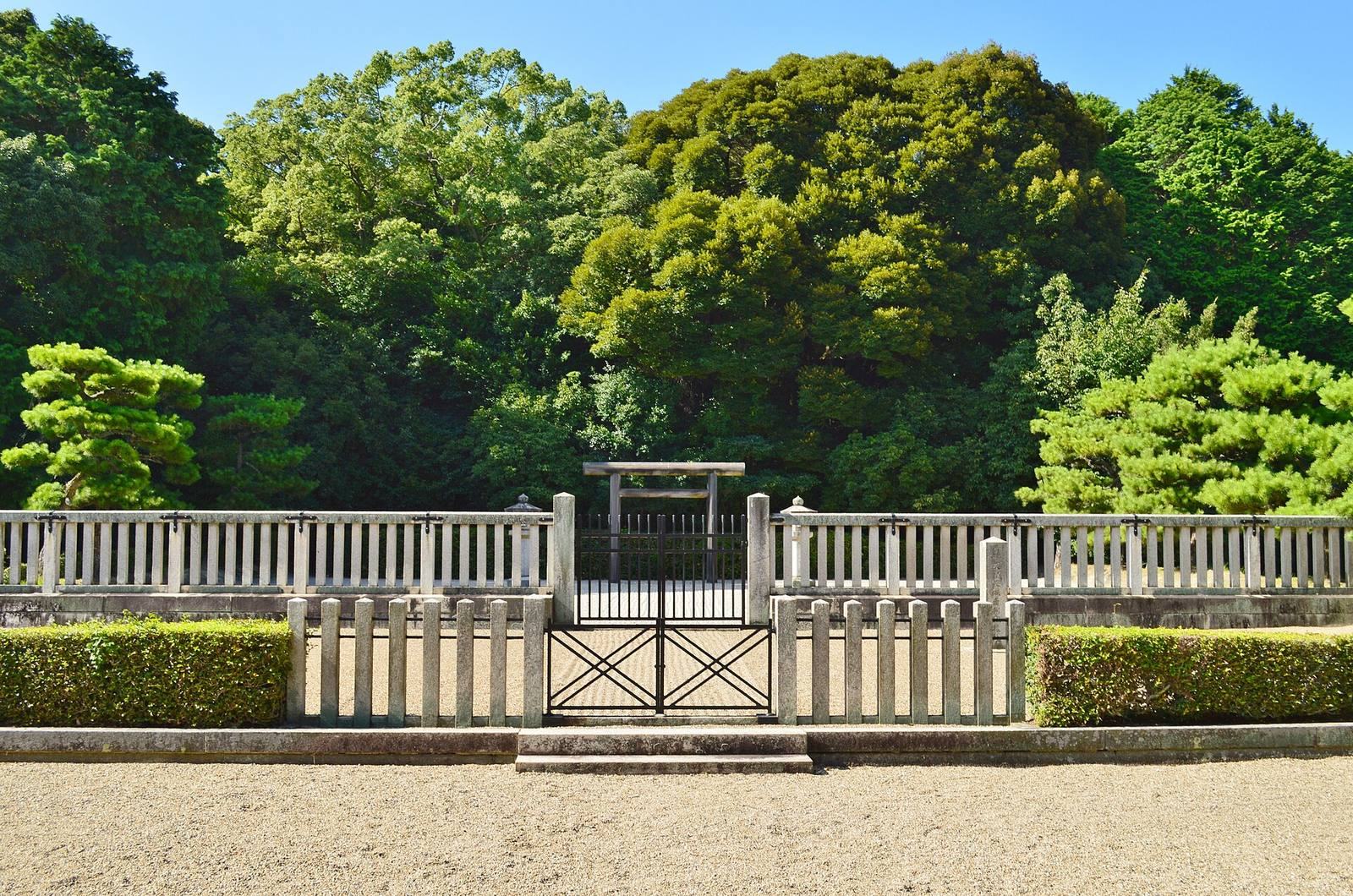
Saki Ishizukayama Kofun is a Japanese burial mound in Nara City, Japan, built in the latter half of the fourth century toward the end of the early Kofun period, an era named for these burial mounds. It forms part of the Saki Shield-Row Kofun Group. The identity of the person buried there is unknown. The Imperial Household Agency designates the mound as the mausoleum of Emperor Seimu, traditionally counted as Japan’s thirteenth emperor, though early imperial chronology is not securely historical.
Burial and traditional identities
The neighboring mound appears to have been built first, with the two structures probably constructed within several decades of one another. The reason for their close placement is unknown. A family connection or another special relationship between the people buried in them has been proposed, but remains unconfirmed.
The Later Chronicle of Japan says Saki Ishizukayama was once mistaken for the mausoleum of Empress Jingū, a legendary figure in early Japanese imperial tradition. After an unusual occurrence in 843, the northern mound was assigned to Jingū and the southern mound, Saki Ishizukayama, to Seimu.
Medieval and Tokugawa-period history
In 1063, a monk from Kofuku-ji, a historic Buddhist temple in Nara, and others stole burial goods from the mound. After the theft came to light, 16 people implicated in it were exiled.
Further robberies occurred in 1844 and 1848. The Nara magistrate’s office, the local administrative and judicial authority under the Tokugawa shogunate, investigated the thefts. Two other nearby burial mounds were robbed at the same time, and 12 local residents were arrested for crimes at the three sites. Four men identified as ringleaders died in prison; their bodies were salted, paraded through Nara, and crucified. The harsh punishment appears to have been intended as a public warning. The shogunate was promoting the upkeep of imperial mausoleums as part of efforts to strengthen cooperation between the imperial court and the shogunate.
Remains
Mound and burial features
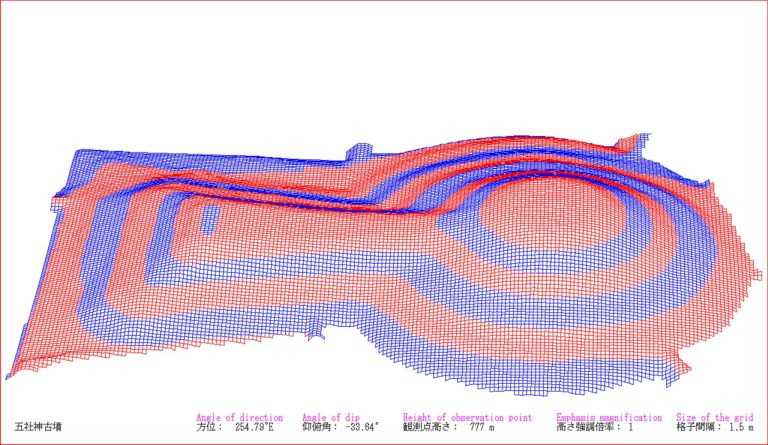
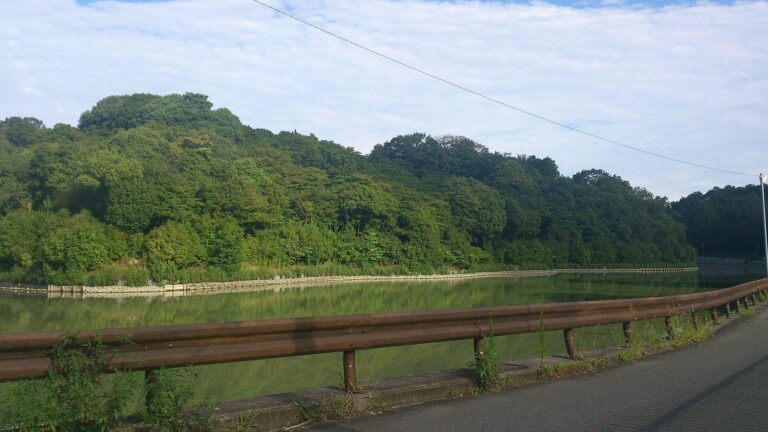
The south-facing mound has a keyhole plan, with a circular rear section joined to a projecting front section. At about 218.5 metres long, it ranks as the 26th largest kofun in Japan by size. It rises in three tiers and is extensively covered with stones. The circular rear section measures 132 metres across and 19 metres high; the front section is 121 metres wide and 16 metres high.
Moat and subsidiary mounds
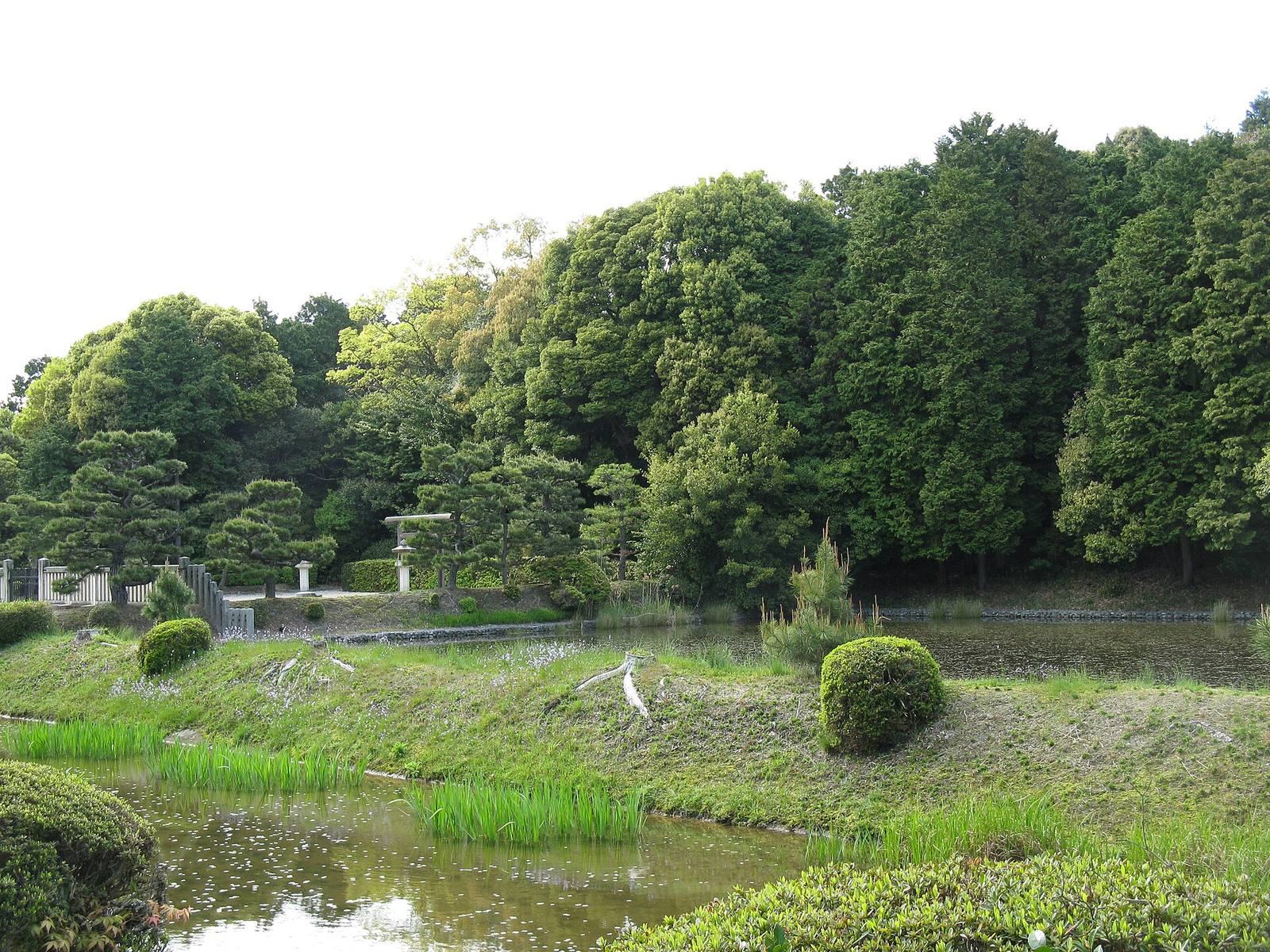
A moat encircles the mound. It is generally narrow, widening in front of the projecting section and becoming especially constricted along the east side. The moat around the rear of the neighboring mound reaches into the waist of Saki Ishizukayama. Three subsidiary burial mounds lie outside the moat, extending from the north toward the northeast.
Burial chamber and grave goods
Edo-period records describe a presumed burial chamber built in a pit and entered from above, within the mound’s rear section. It contained a stone coffin shaped like a long storage chest. Mirrors, beads, and swords were apparently taken from the burial, and numerous magatama, curved beads used as ornaments and ritual objects, were removed from the coffin.