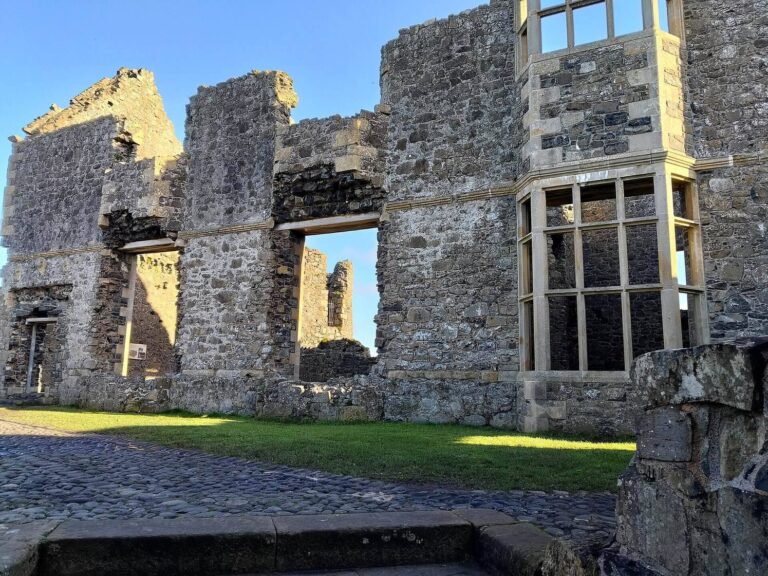
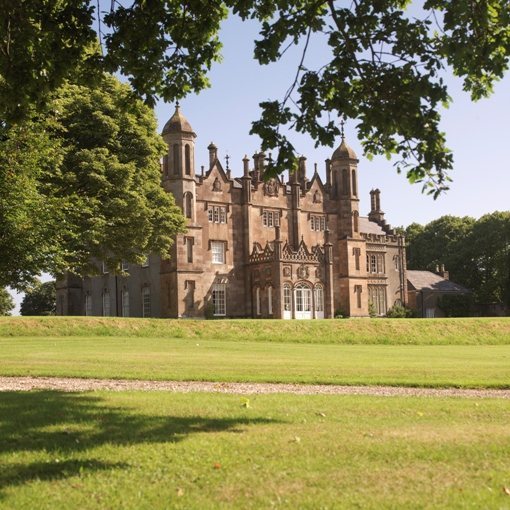
Bonamargy Abbey: A Franciscan Friary in Northern Ireland
Site at a Glance
- Rating
- 4.6
- Popularity
- Medium
- Country
- United Kingdom
- Primary era
- Medieval
- Eras represented
- Medieval
- Civilizations
- Unclassified
- Site type
- Religious
- Remains
- Monastery
On this page13 sections
History
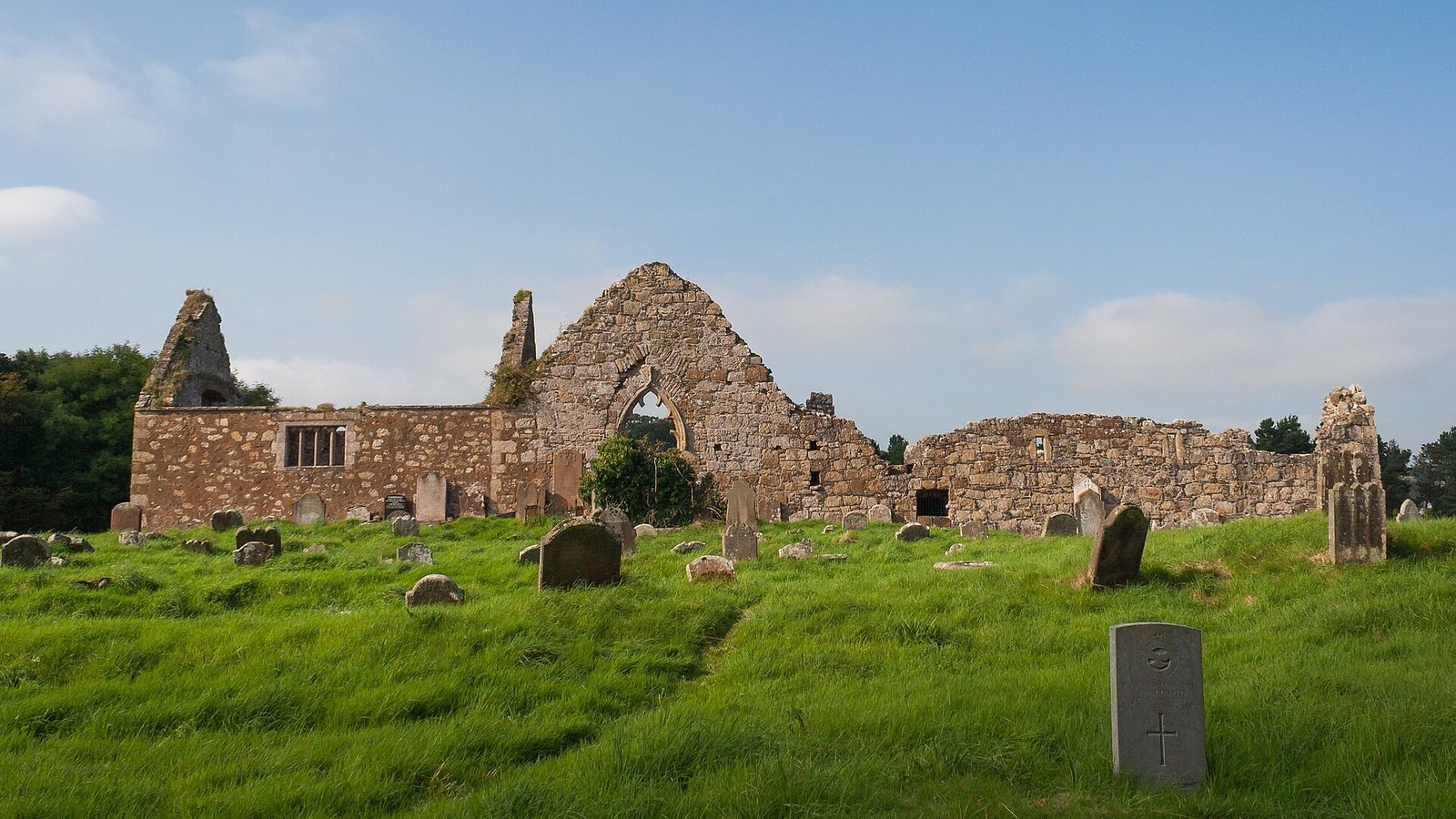
Bonamargy Abbey is a Franciscan friary, a community house for friars, near Ballycastle in County Antrim, Northern Ireland, United Kingdom. Rory MacQuillan established it in 1485 as a late Franciscan foundation. Its name means “foot of the Margy River,” formed where the Cary and Shesk rivers meet. The friary was among 43 convents founded in Ireland between 1420 and 1536, the year associated with the dissolution of the monasteries.
Foundation and conflict
Tradition places the first battle between the MacDonnell and MacQuillan clans on land near the friary in 1558. Clans were kin-based groups that could also act as political and military communities; the MacDonnells of Antrim won the encounter.
In 1584, Scottish members of the MacDonnell clan set fire to the thatched-roof church while attacking English troops quartered at the friary. The community abandoned the site for several years.
Repair and religious use
The friary was repaired in the 1620s, probably with support from Randal MacDonnell, 1st Earl of Antrim. Franciscans then used it as a base for missionary work promoting Catholicism, a Christian tradition, in Scotland. It probably also served as a local parish church during this period.
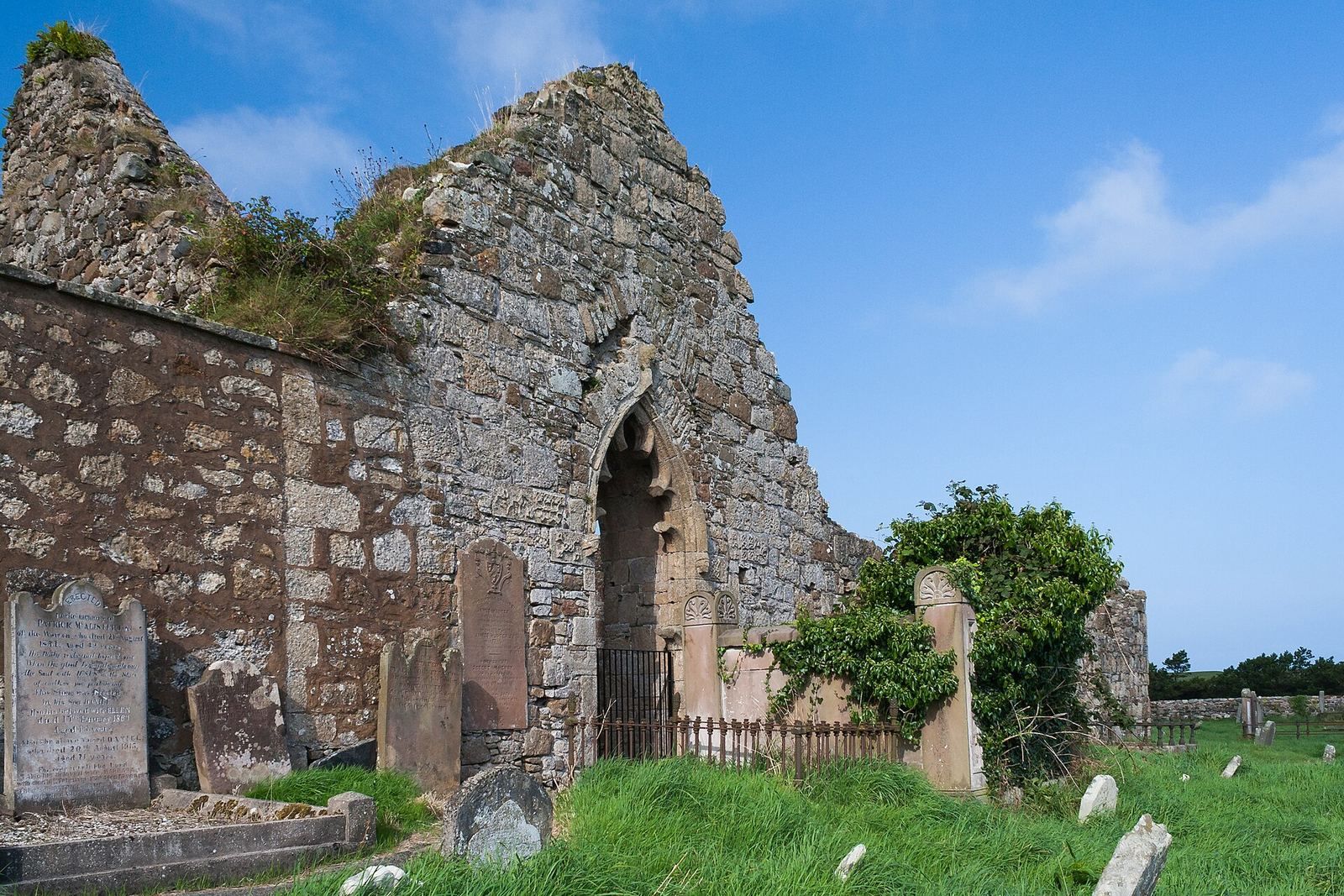
Worship continued at least into the 1720s and possibly until the 1770s, when a storm brought down the church’s west gable. Julia MacQuillen, a 17th-century prophet and recluse known as the Black Nun, wished to be buried at the chapel entrance so that people entering would tread on her grave, an expression of humility. She also reportedly asked to be buried without a coffin, leaving it available for someone poor. Local legend says her ghost haunts the site and that anyone who sees her will die that day.
Abandonment and later history
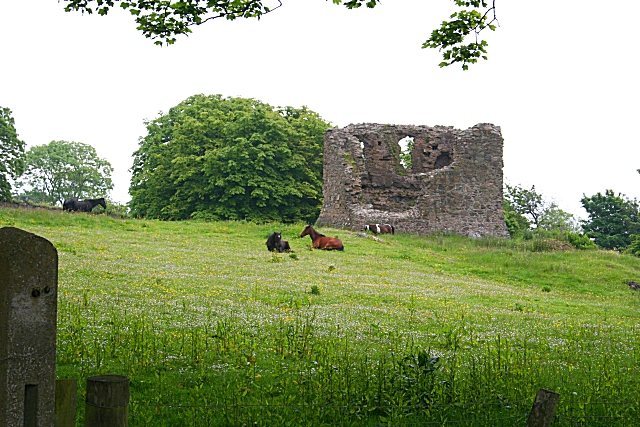
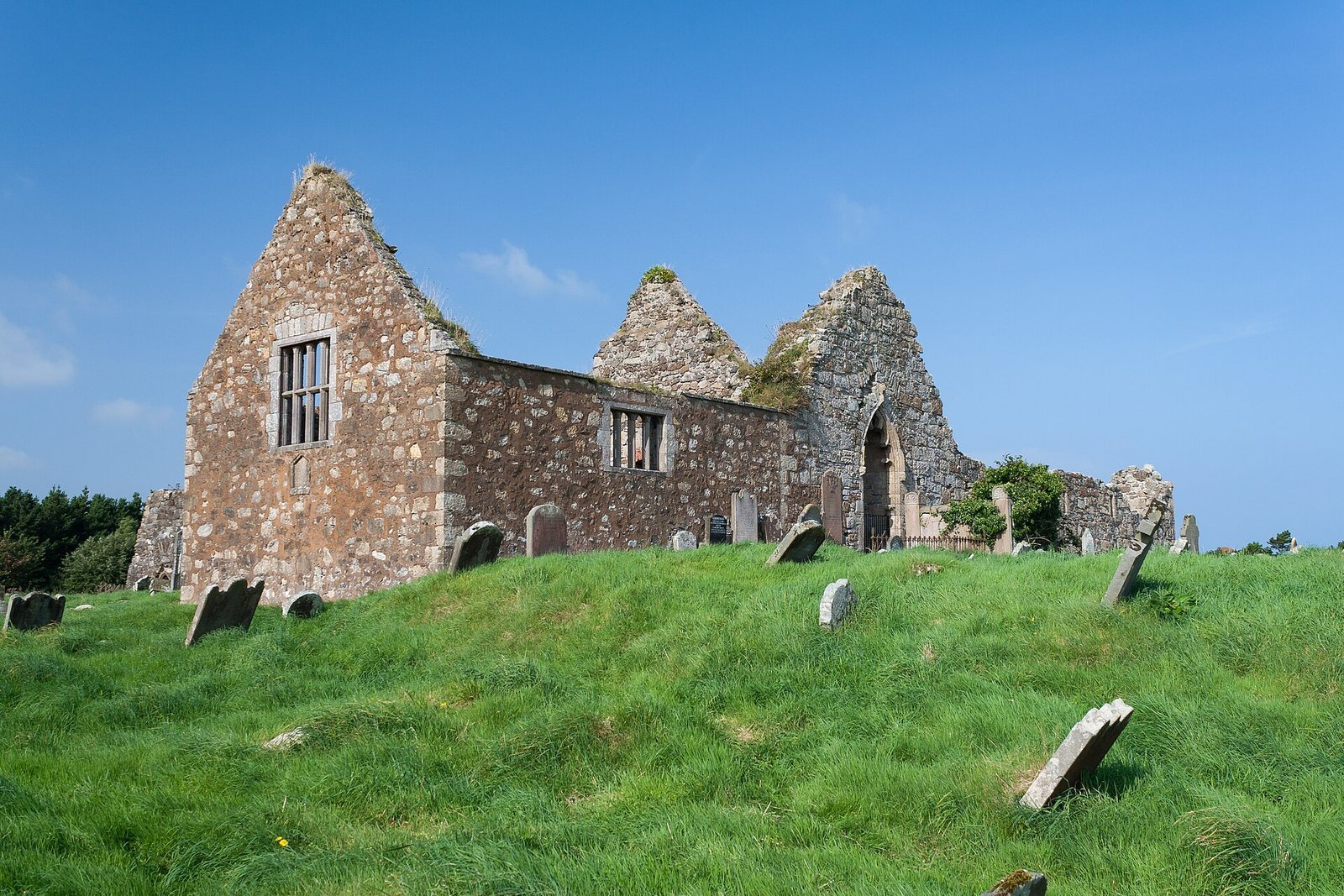
The complex was abandoned in the late 18th century and thereafter used as a cemetery. The friary is held in state care as a Historic Monument, while the surrounding area is protected as a Scheduled Historic Monument.
Remains
Buildings and layout
Gatehouse
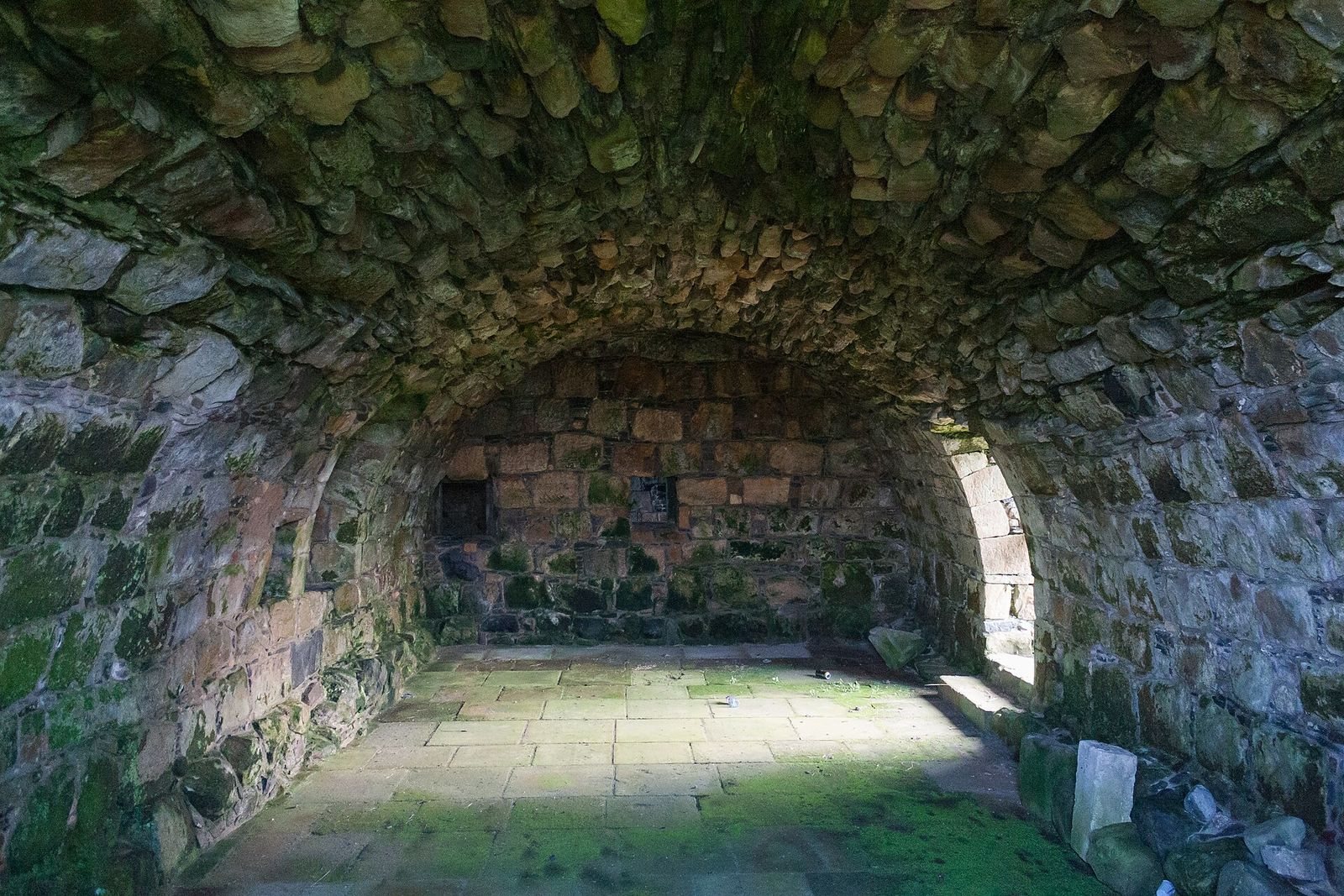
The ruined complex has a small, two-storey gatehouse at its main entrance. It opens into a store and workroom, and worn steps lead directly to the dormitory above.
Church
The church adjoins the gatehouse. Traces of an altar survive inside.
Burials and manuscripts
Cemetery
The cemetery includes numerous graves of soldiers who died in the First and Second World Wars. Many were sailors who died aboard the Royal Navy ships HMS Viknor and HMS Racoon.
MacDonnell burials
Locked vaults hold the remains of Sorley Boy MacDonnell, a Gaelic chieftain, and several Earls of Antrim. Sorley Boy’s grandson, Randall, 1st Marquess of Antrim, is also buried at the site. He was noted for his role in the War of the Three Kingdoms, conflicts involving England, Scotland, and Ireland in the mid-17th century.
Julia MacQuillen’s grave
A worn Celtic cross, rounded and pierced by a central hole, marks Julia MacQuillen’s grave at the west end of the main church.
Manuscripts
Four manuscripts were found in an old oak chest among the ruins around 1822. One was described as either The Life of Christ by Saint Bonaventure or A History of the Blessed Scriptures. Another contains a substantial part of a major theological work by Saint Thomas Aquinas. Written on vellum, prepared animal skin used for writing, in highly abbreviated Latin, it extends to about 600 quarto pages. Quarto is a book format made by folding sheets to form four leaves. The earliest and latest dates recorded in the manuscript are 1338 and 1380. It originally belonged to the Monastery of Saint Anthony in Amiens, France.