Schloss Proschwitz: A Neo-Baroque Castle and Wine Estate in Germany
Site at a Glance
- Rating
- 4.6
- Popularity
- High
- Country
- Germany
- Primary era
- Early Modern
- Eras represented
- Medieval, Early Modern, Modern
- Civilizations
- Electorate of Saxony, German, Holy Roman Empire, Kingdom of Saxony
- Site type
- Domestic
- Remains
- Castle
On this page15 sections
History
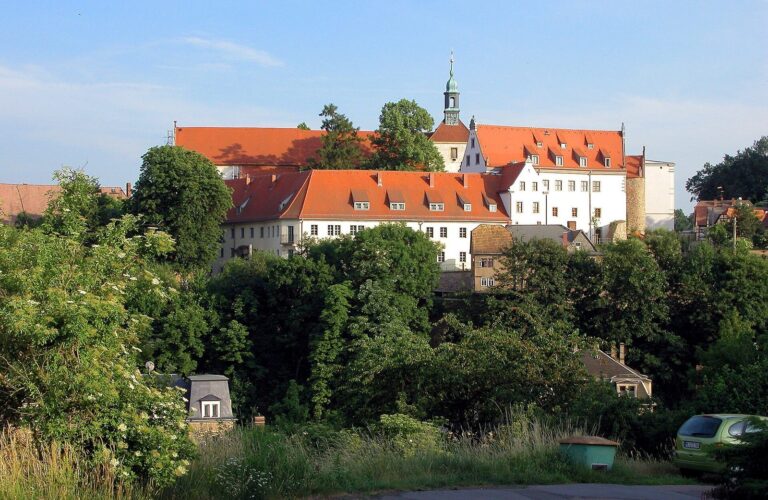
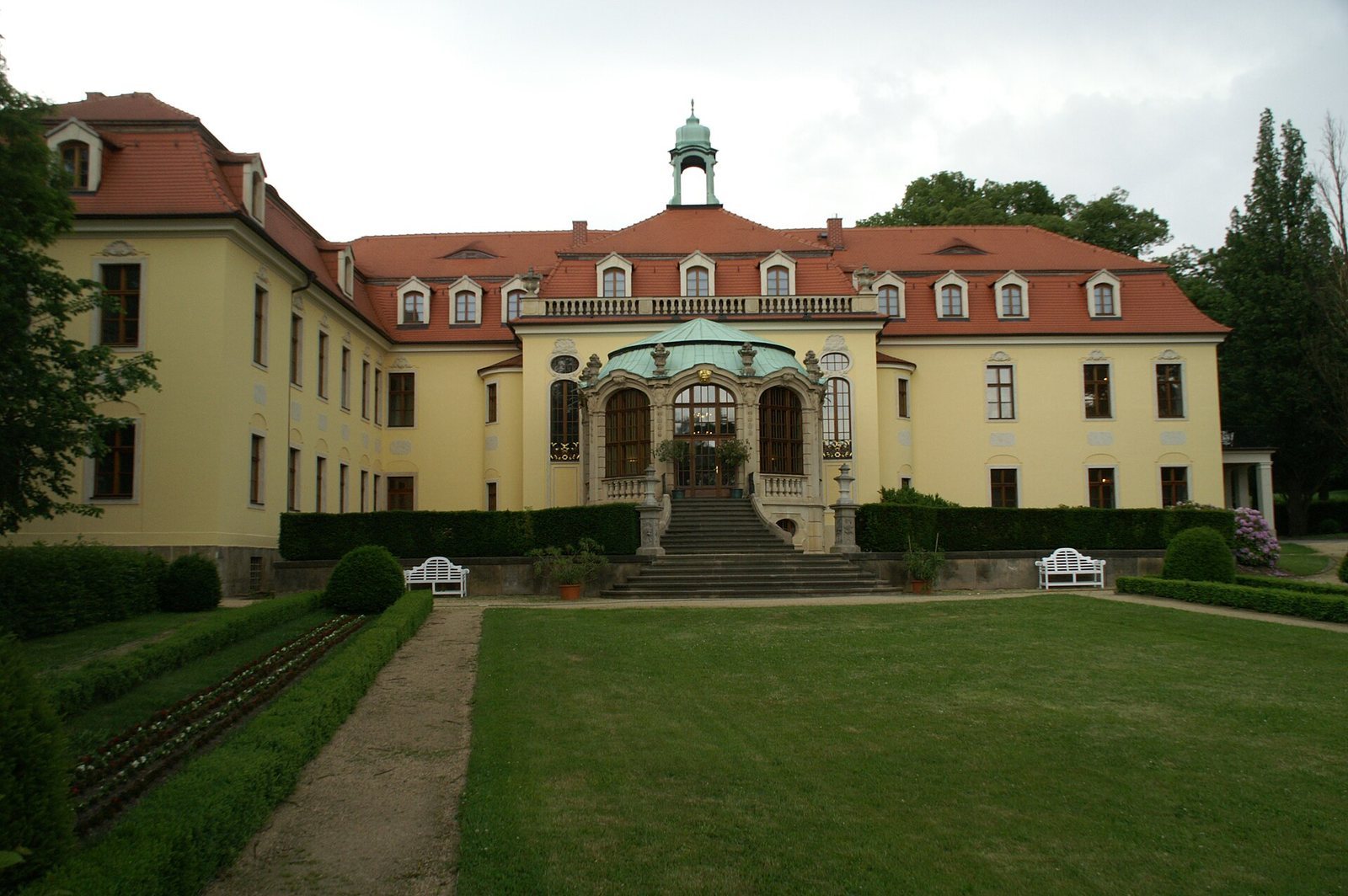
Schloss Proschwitz is a Neo-Baroque castle and wine estate in Germany, closely tied to the vineyards of the Meissen area. Its Baroque residence was built in 1732, and the estate’s vineyards supplied a large share of the sacramental wine needed in Saxony.
Medieval settlement and episcopal estate
The place-name Proschwitz may reflect early Slavic settlement. In 1102, the knight Eckbert von Proschwitz was associated with the place. From the mid-12th century until the Reformation, a 16th-century religious movement that divided Western Christianity and changed church institutions, the vineyards belonged to the bishops of Meissen. Proschwitz served as a table estate within the Prince-Bishopric of Meissen, a territory ruled by a bishop who also held secular authority, and supplied the bishop’s household.
After the Reformation and the secularization of much church property, meaning its transfer to non-religious control, the estate passed into aristocratic ownership. Ernst von Miltitz owned it from 1554, including the Nassau manor.
Destruction and the Baroque residence
The Thirty Years’ War, a major European conflict fought from 1618 to 1648, destroyed the castle. Peter Werdemann acquired the estate in 1657. The von Schilling family became its owners in 1704 and began building a Baroque castle. In 1732, Countess Magdalena von Beichlingen, born von Miltitz, acquired the estate and built a residence. After her death, it passed first to her second daughter, Countess von Gersdorff.
In 1790, Carl Friedrich von Berlepsch, a baron and court official to the Elector of Saxony, bought the castle. It later passed by inheritance to the von Carlowitz family.
Ownership, war, and the return of the estate
The 1901 marriage at the castle of Count Clemens zur Lippe-Biesterfeld-Weißenfeld and Baroness Friederike von Carlowitz brought it into the Lippe family. Beginning in 1914, Clemens arranged a restoration of the castle.
After Friederike died in 1942, the Nazi Party confiscated the castle in 1943. It was later used to house children from areas threatened by bombing. Shortly after the Second World War, their son Christian was dispossessed without compensation during land reform. He and his family were imprisoned and expelled to the western occupation zones. The castle was looted, then used as a pulmonary sanatorium. In 1979, it became a district rehabilitation center for children and adults with intellectual disabilities.
From 1990, Prince Georg zur Lippe bought back the family’s vineyards in stages and re-established the Schloss Proschwitz winery at Kammergut Zadel. He reacquired the castle in 1996, though it continued to operate as a care facility until September 2000. Extensive structural damage led to repairs over several years. The winery’s buildings were renovated between 1990 and 2008. The winery is Saxony’s oldest surviving privately owned wine estate and joined the Association of German Prädikat Wine Estates, a German association of quality-focused wine estates, in 1996.
Remains
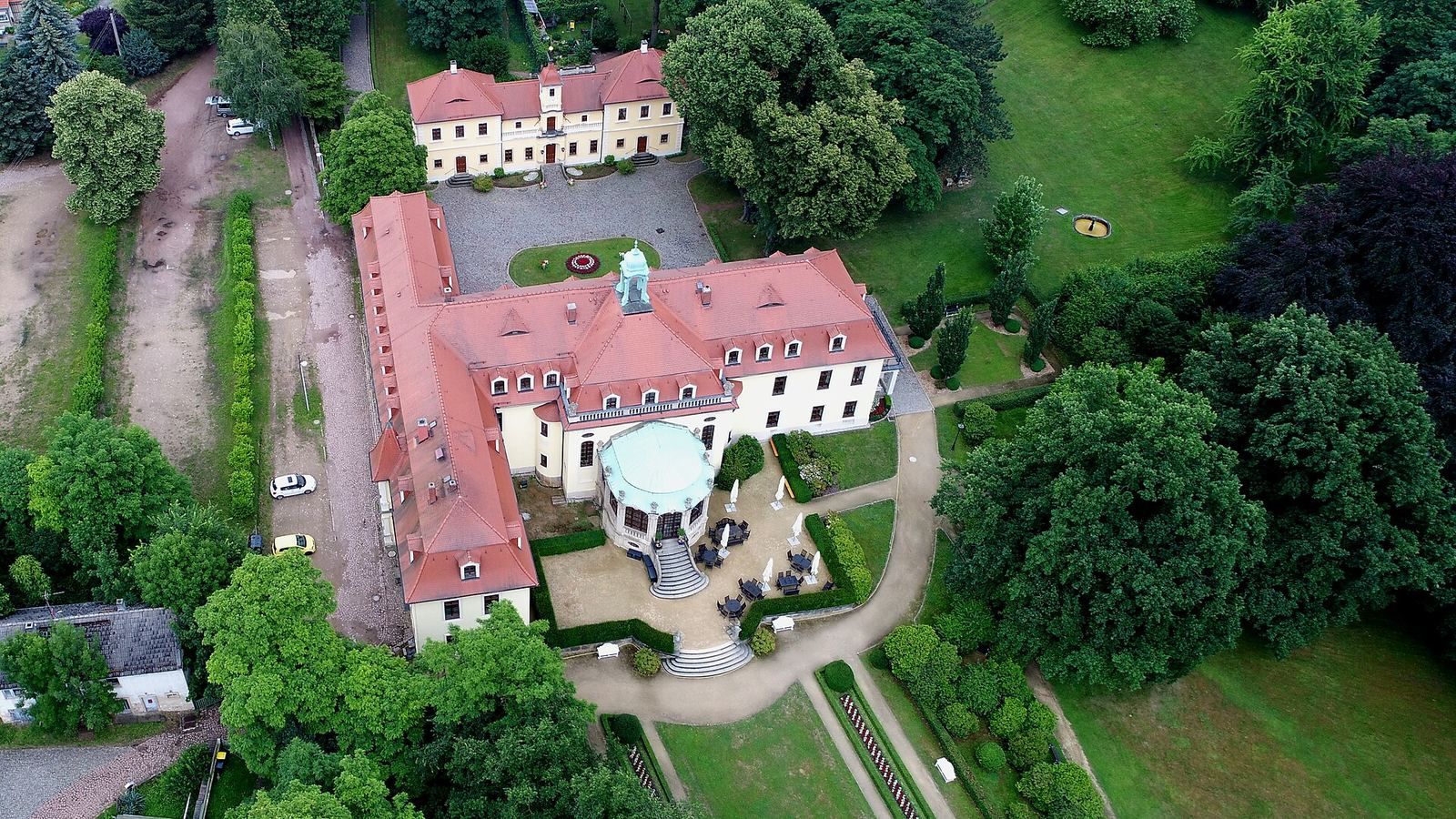
The estate brings together a Neo-Baroque castle with a Baroque core, buildings around its courtyard, gardens to the west and south, and the winery’s agricultural complex. The vineyard landscape forms another part of the surviving estate, with south-facing slopes and soils over granitic bedrock.
Castle and courtyard buildings
The castle
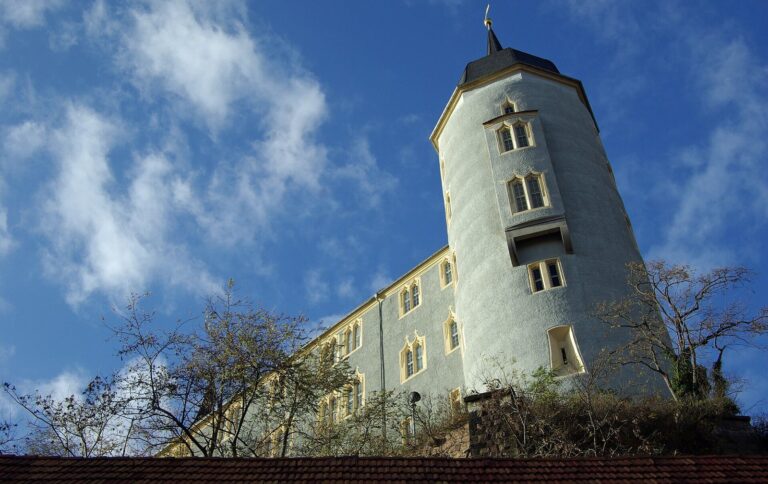
The castle’s early Baroque construction included a small building with a mansard roof, which has a steep lower slope and a shallower upper slope on each side. The residence built in 1732 had a simple L-shaped plan. A western residential wing was added between 1882 and 1888, and the castle’s current style is Neo-Baroque.
The servants’ house
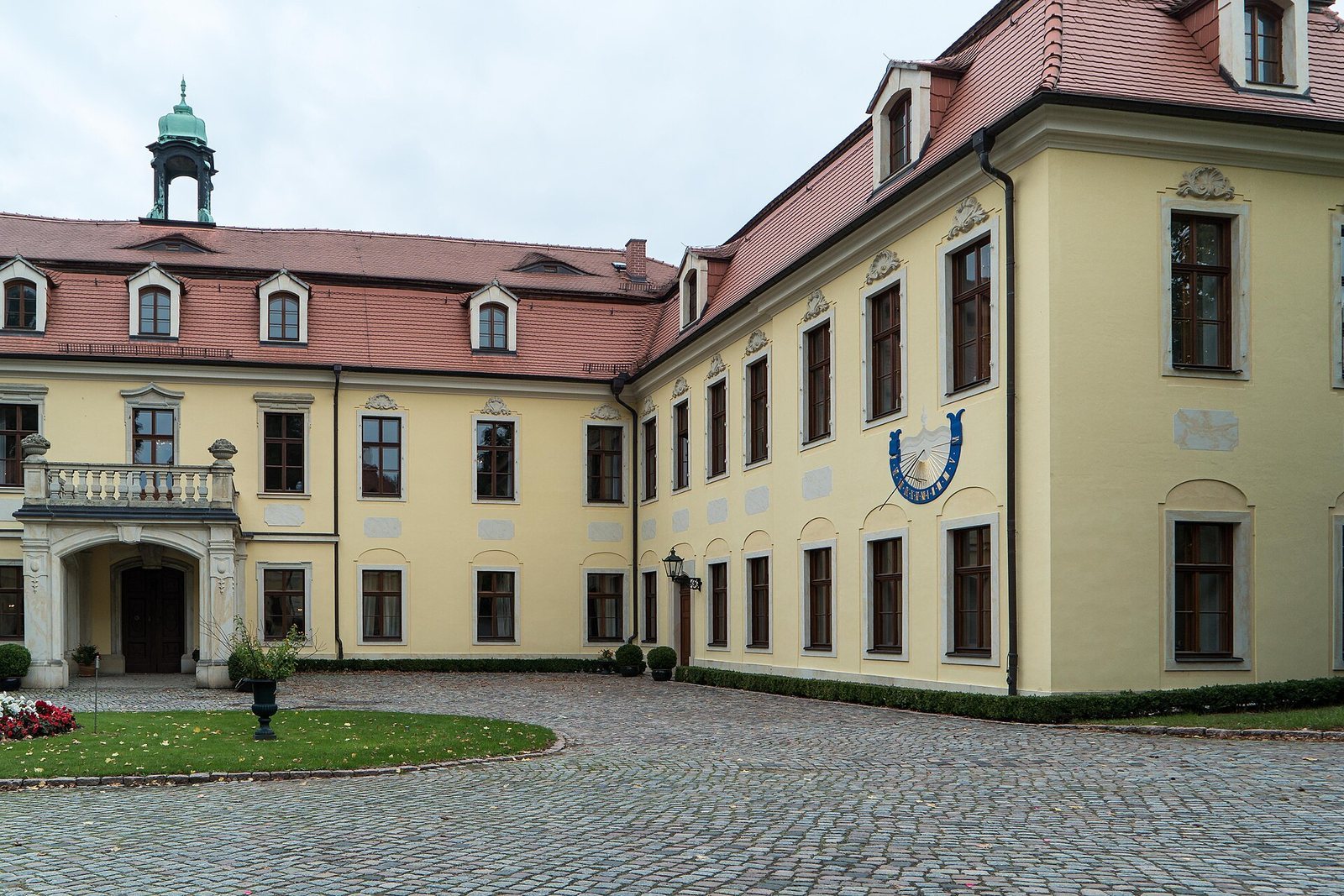
On the east side of the castle courtyard stands a servants’ house built in 1776 around an older structural core. Two two-storey Baroque buildings with roofs sloping on all sides are joined by an intermediate structure. A low balustrade runs in front of its upper storey, and a clock tower rises above it with a small dome. Since 2021, the building has housed the winery’s wine shop.
Gardens and park features
English landscape garden
A five-hectare English landscape garden was laid out in the undulating terrain of the Knorrgrund, west and south of the castle, in the early 19th century.
Formal garden
Beginning in 1913, a geometrically arranged French-style garden, modeled on designs from the early 18th century, was created in front of the castle’s western façade.
Park features
The park contains an over-life-size sandstone statue of an armored warrior from the 17th century, possibly a gift from Fontainebleau, and an old medieval wine cellar.
Winery and vineyards
Winery farmstead
The winery’s base of operations is an 18th-century four-sided farmstead. Its buildings were renovated between 1990 and 2008.
Vineyards
The vineyards face south and lie north of the 50th parallel. The Elbe Valley’s favorable microclimate supports their cultivation, while the soils combine loess loam, a fine wind-deposited soil, with granitic bedrock. The Schloss Proschwitz vineyard site forms part of the Spaargebirge collective vineyard area in the Meissen area of Saxony’s wine region. In 2023, the vineyards covered about 70 hectares, with just under 10 percent planted with young vines.