Hawarden Castle: A Country House and Medieval Stronghold
Site at a Glance
- Popularity
- High
- Country
- United Kingdom
- Primary era
- Early Modern
- Eras represented
- Medieval, Early Modern, Modern
- Civilizations
- British, Norman
- Site type
- Domestic
- Remains
- Castle
On this page10 sections
History
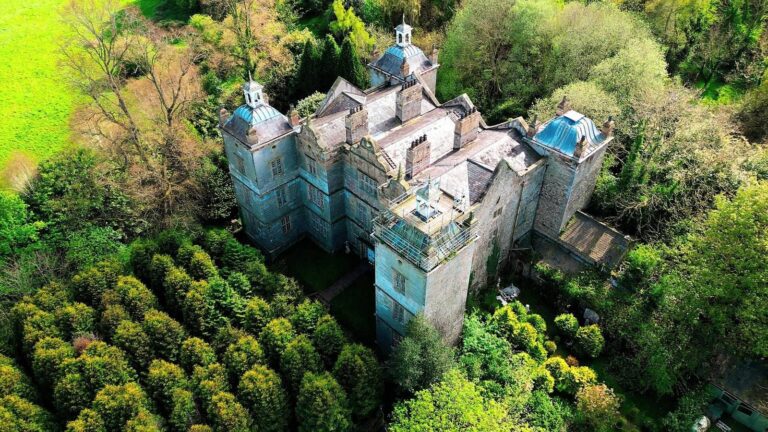
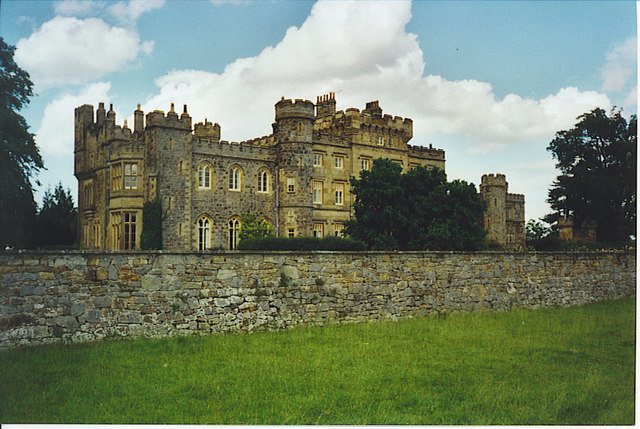
Hawarden Castle, also known as New Hawarden Castle, is an eighteenth-century country house in the United Kingdom, built in 1752–57 and later given a Gothic Revival exterior. It became the country residence of William Ewart Gladstone from 1854, linking the estate to the prominent British Liberal statesman and prime minister.
The Medieval Stronghold
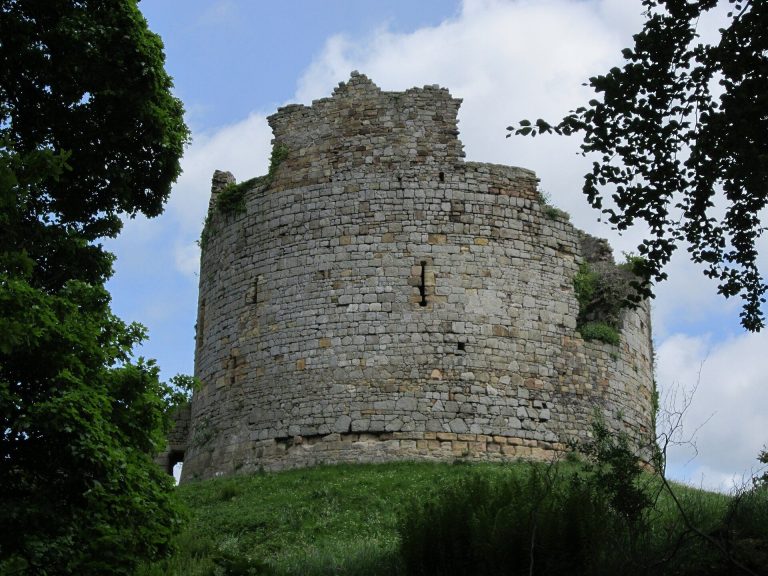
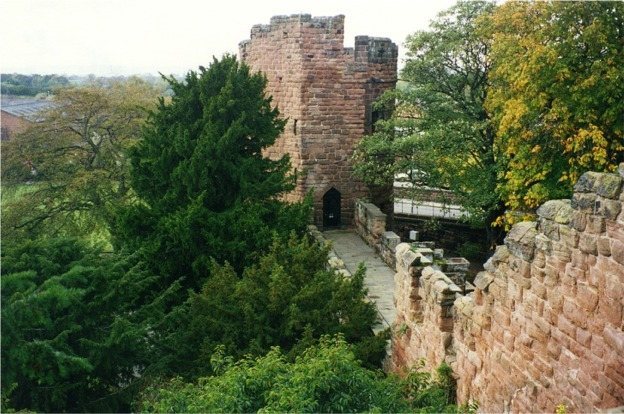
The Normans built Hawarden Old Castle on the site of an Iron Age fort. In 1265, Llywelyn ap Gruffudd, a Welsh prince who resisted English rule, captured it after defeating Robert de Montalt and destroyed the castle. De Montalt later broke a promise not to rebuild his stronghold, and a massive keep was constructed. Llywelyn’s brother Dafydd besieged the castle in 1281. After the Welsh defeat in the war of 1282–83, English forces occupied it.
During the seventeenth-century English Civil War, a conflict between Parliament and supporters of the monarchy, Hawarden Old Castle changed hands several times. It was left in ruins while held by Parliament’s forces.
From Broadlane Hall to the New House
The Ravenscroft family made Broadlane Hall its seat in the sixteenth century. Sir John Glynne acquired the estate through his marriage to Honora Conwy, the Ravenscroft heiress, and replaced the hall with the present mansion.
In 1809–10, Sir Stephen Richard Glynne enlarged the house and commissioned a redesign of its exterior, while retaining the Georgian interiors. After his early death, Sir Stephen Glynne continued improvements to the house.
Gladstone’s Residence
Catherine Glynne, Gladstone’s wife, came from the family that had owned the estate. Gladstone used Hawarden as his country residence from 1854. When Sir Stephen Glynne died in June 1874, the estate passed to Gladstone, his brother-in-law. His occupancy brought a further phase of alteration to the house.
In 1896, Edward White Benson, Archbishop of Canterbury and the Church of England’s leading bishop, died at Hawarden. His body was taken by train from nearby Sandycroft station to London. That year, Li Hongzhang, a statesman and reformer of China’s Qing dynasty, its last imperial dynasty, visited during his diplomatic mission to Britain. Gladstone died at the house in May 1898.
Later Ownership and Use
Gladstone’s grandson, William Glynne Charles Gladstone, inherited the estate and was killed in the First World War. His uncle, the 1st Baron Gladstone of Hawarden, subsequently bought it. The house remains a private residence owned by the Gladstone family.
The Knutsford Ordination Test School, which prepared candidates for ordination, the formal admission of clergy to ministry, moved to Hawarden in 1927 and first occupied the Old Rectory. It transferred to the new castle in 1939 and closed the following year.
Hawarden Castle is Grade I listed by Cadw, the Welsh Government’s historic environment service. Grade I is the highest listed-building grade in Wales. The gardens and landscape park also hold Grade I status on the Cadw/ICOMOS Register of Parks and Gardens of Special Historic Interest in Wales.
Remains
The present mansion stands in a landscape park that also contains the ruins of Hawarden Old Castle. A formal garden lies south of the house. The mansion’s brick main block and its later wings make up the principal building.
The Mansion
Exterior
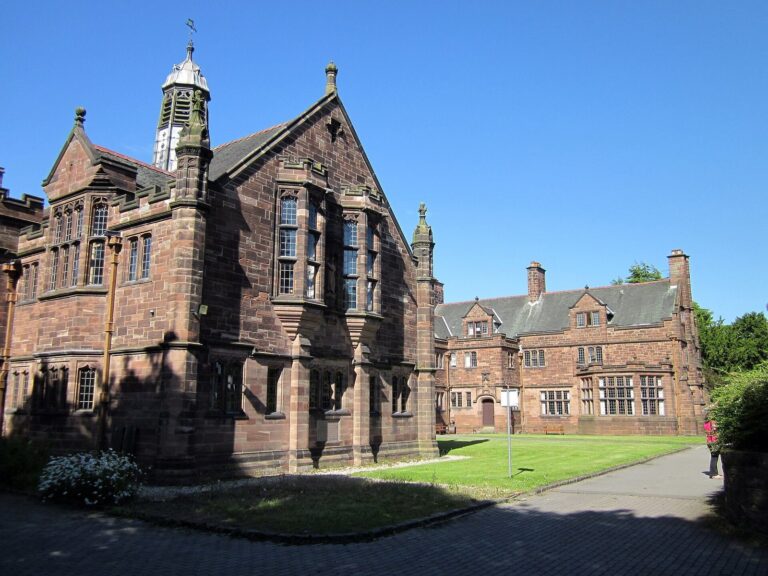
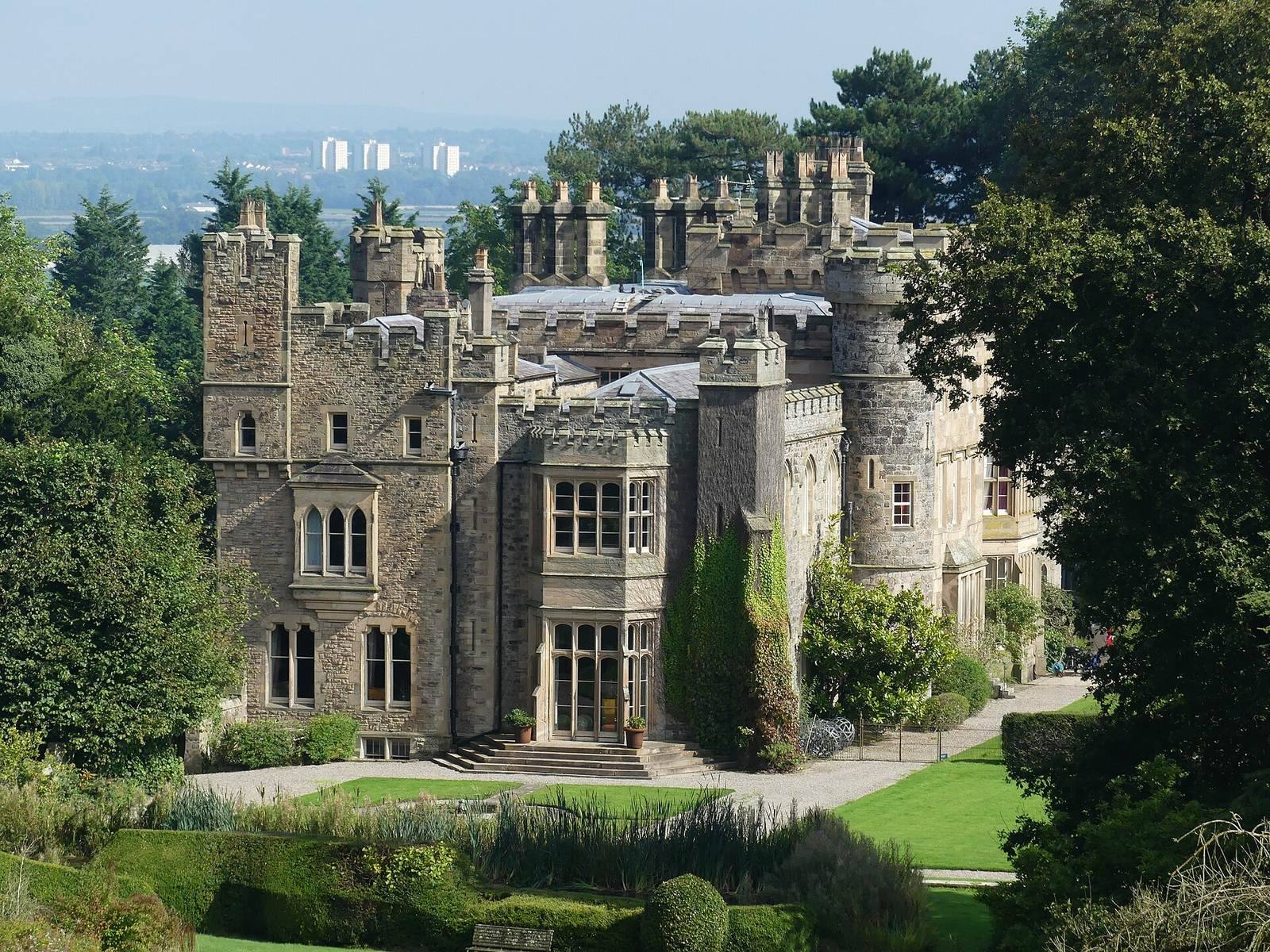
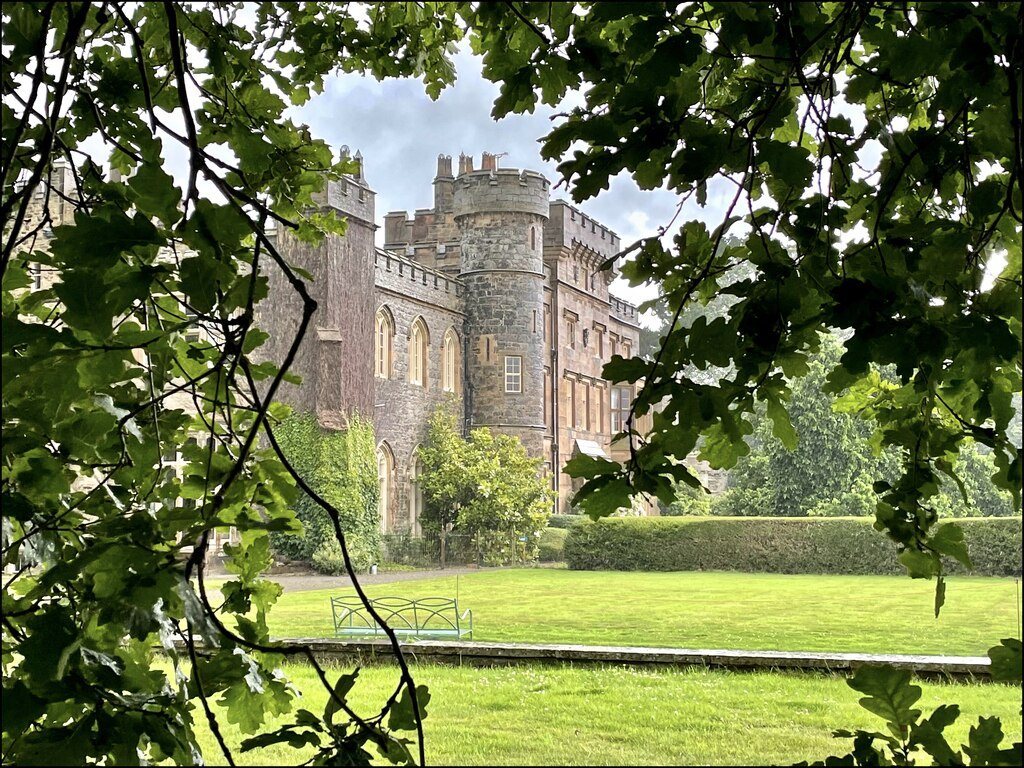
The three-storey main block is seven bays, or facade divisions, wide, with stone dressings and a projecting central pediment, a gabled feature, spanning three bays. Its exterior is faced in sandstone, and two round towers are set diagonally at the corners. A two-storey window bay projects from the south side. The parapet conceals the low roofs and has alternating raised and lowered sections. The entrance is on the north side, with a vaulted porch added around 1830 and enlarged in 1889. A two-storey west wing contains the library, while a low east wing houses service rooms.
Interiors
The house retains elaborate eighteenth-century wood panelling and plaster ceilings decorated in Rococo, an ornate style, and chinoiserie, European decoration inspired by Chinese art and design. The library and other rooms preserve the appearance they had during Gladstone’s occupancy. The mansion has not been substantially altered since the additions made during that period.
Hawarden Old Castle
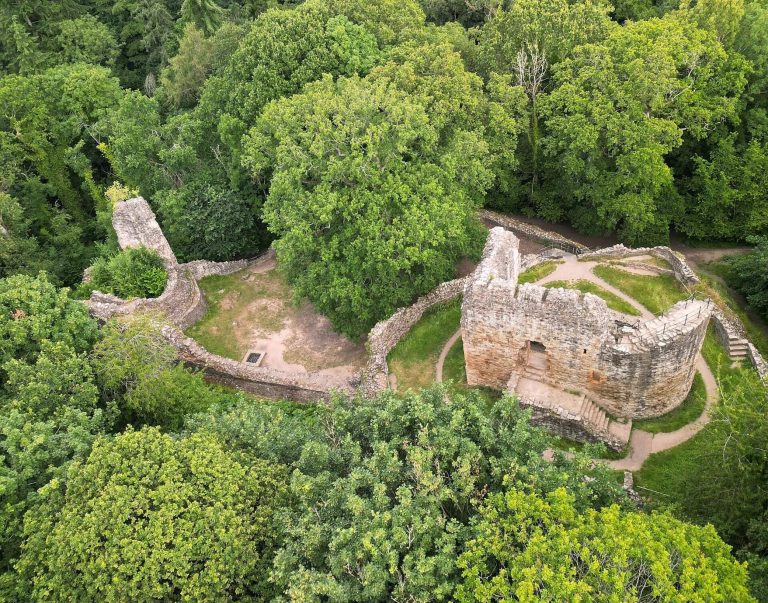
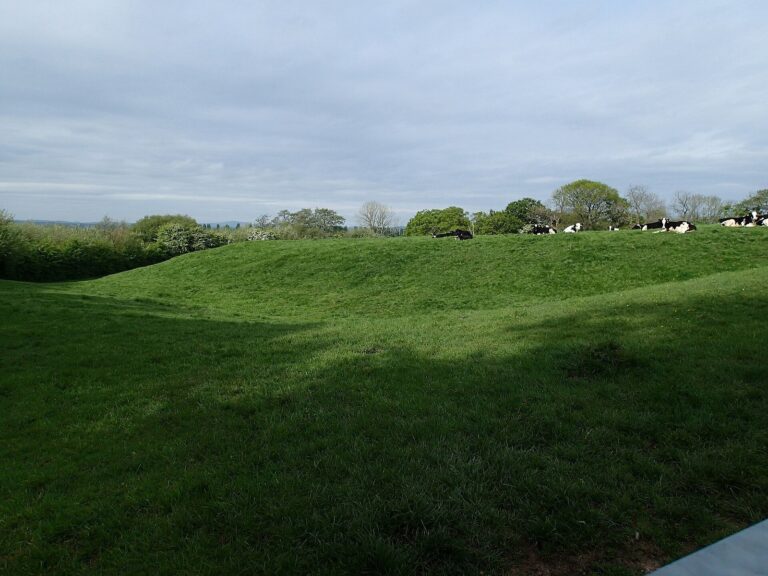
The medieval castle survives as a ruin. Its round keep, the castle’s principal fortified tower, stands on a motte, a raised earthen mound.