Church of Sacramento: Cathedral of the Armed Forces of Spain
Site at a Glance
- Rating
- 4.7
- Popularity
- High
- Country
- Spain
- Primary era
- Early Modern
- Eras represented
- Early Modern
- Civilizations
- Habsburg, Habsburg Spain, Spanish
- Site type
- Religious
- Remains
- Cathedral
On this page10 sections
History
Monastery and construction
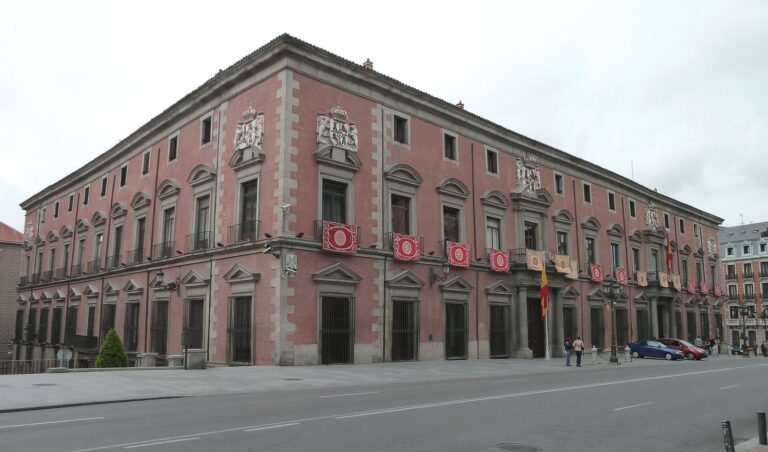
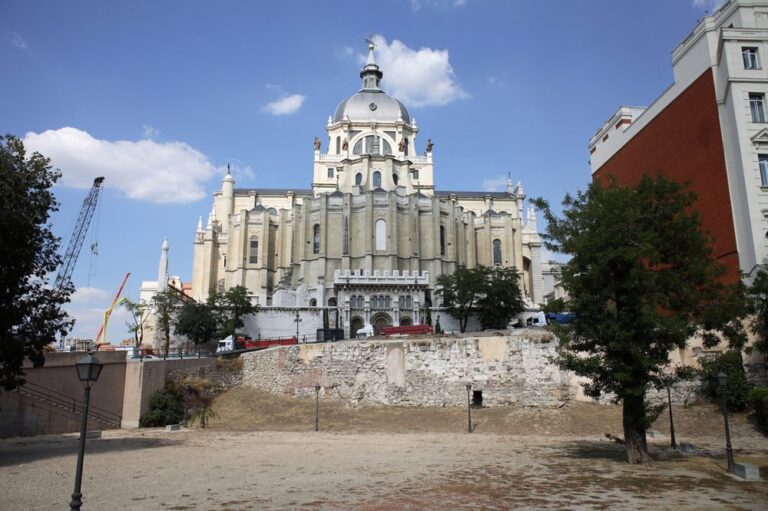
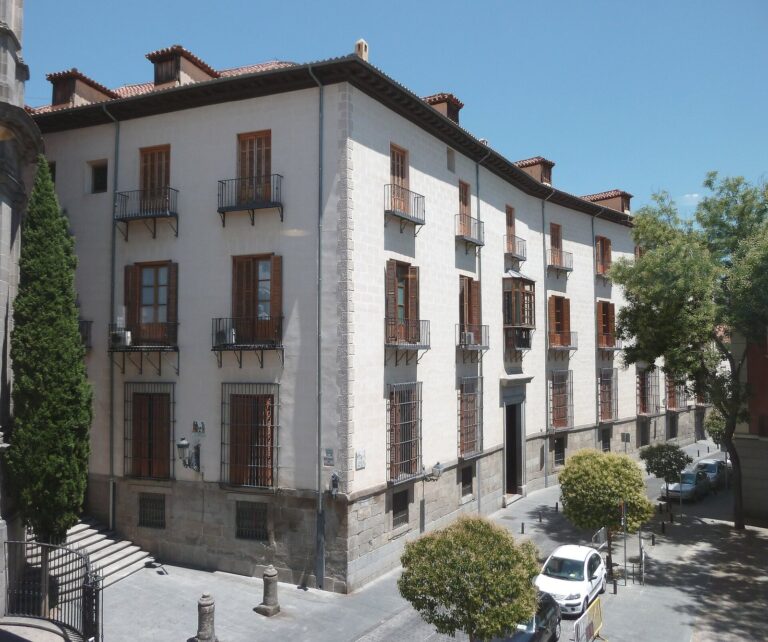
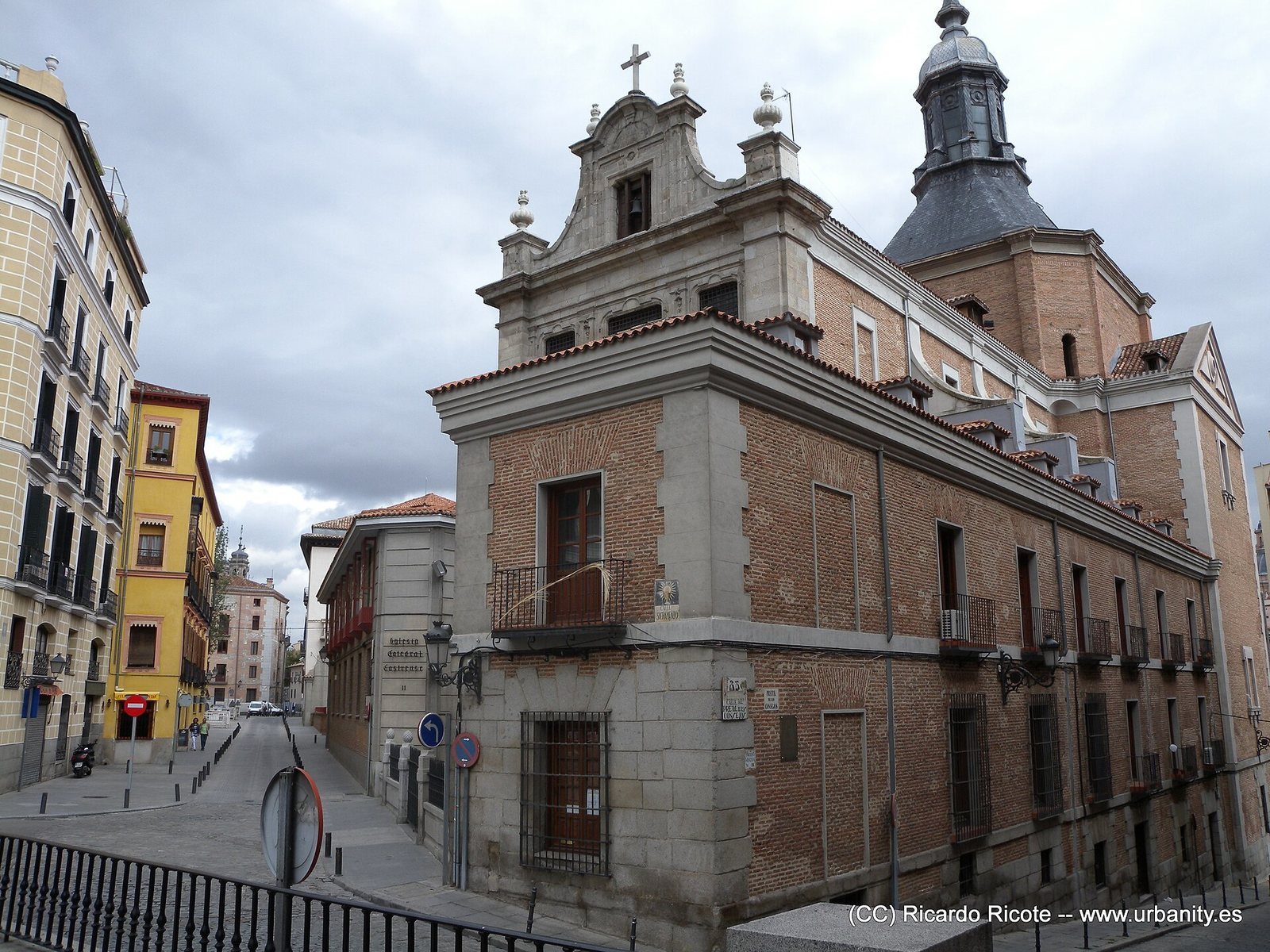
The Church of Sacramento is a Baroque Catholic cathedral in Madrid, Spain, originally built for a monastery of Bernardine nuns. The monastery was founded in 1615 by Cristóbal de Sandoval y Rojas, Duke of Uceda, the son of the powerful Duke of Lerma and a royal favorite of Philip III, king of Spain from 1598 to 1621.
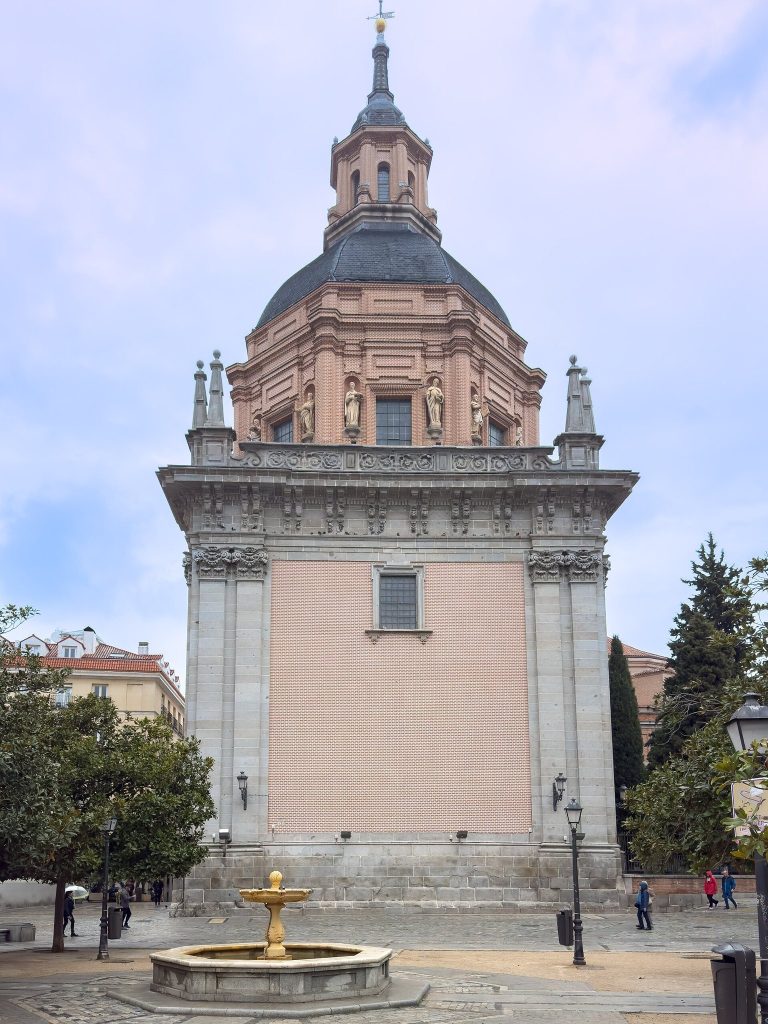
Juan Gómez de Mora designed the church in 1615, but construction began only in 1671, after the Duke of Uceda had lost favor. Francisco Bautista and Manuel del Olmo also worked on the building, under the principal direction of Bartolomé Hurtado García. Work was completed in 1744.
Damage, restoration, and military cathedral
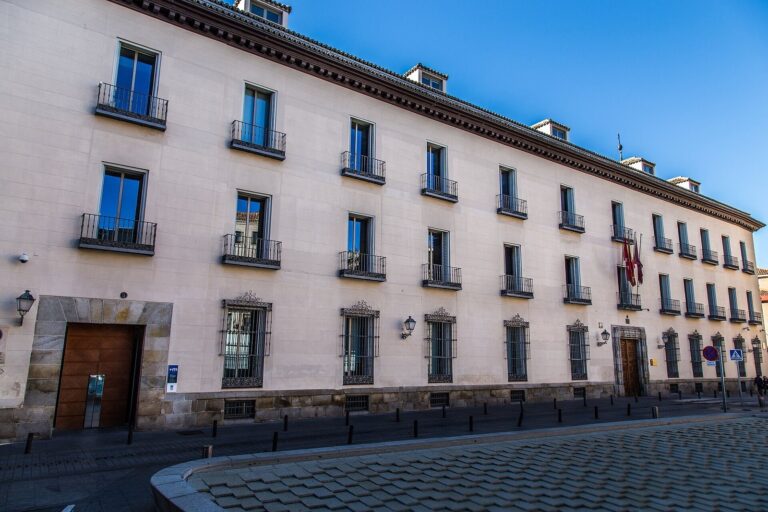
The church suffered damage during the Spanish Civil War and was later restored by architect Fernando Chueca Goitia. The monastery’s other buildings were demolished in 1972, leaving the church as its surviving part. Spain’s Ministry of Defense acquired it around 1980 for use as the seat of the Military Archbishopric, the Catholic jurisdiction responsible for pastoral care of the armed forces. In 1982 it received two heritage designations: National Artistic Monument, an earlier Spanish category, and Property of Cultural Interest, a designation for protected cultural heritage.
On 25 June 1985, military archbishop José Manuel Estepa Llaurens blessed the church at a ceremony attended by the king and queen of Spain, representatives of the Spanish Episcopal Conference, and senior military officials. In 1986 the church became the Cathedral of the Armed Forces of Spain. It serves as the cathedral of the Military Archbishopric and is administered by a rector who is a military chaplain with the rank of colonel, assisted by another member of the military.
Remains
The church retains virtually intact its structure and decoration. Its Baroque design follows a Latin-cross plan, with a long central axis crossed by a shorter one. The surviving church is the remaining part of the former monastery complex.
Architecture and decoration
Plan and façade
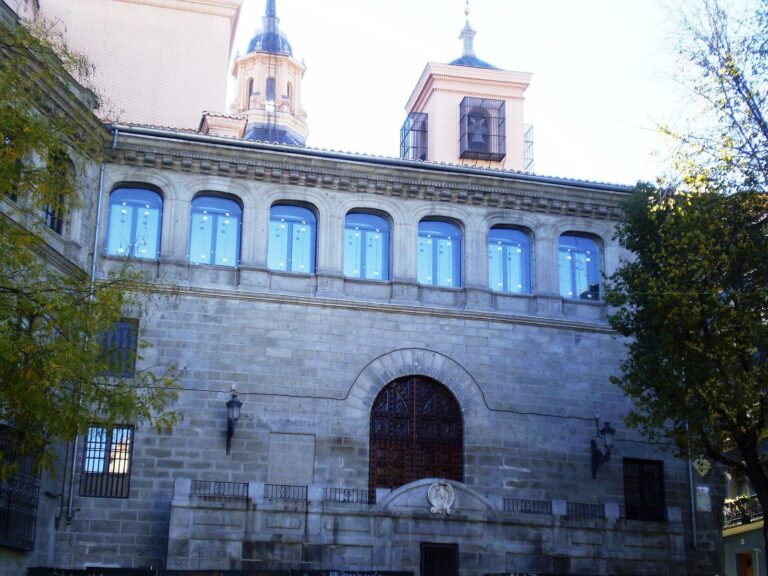
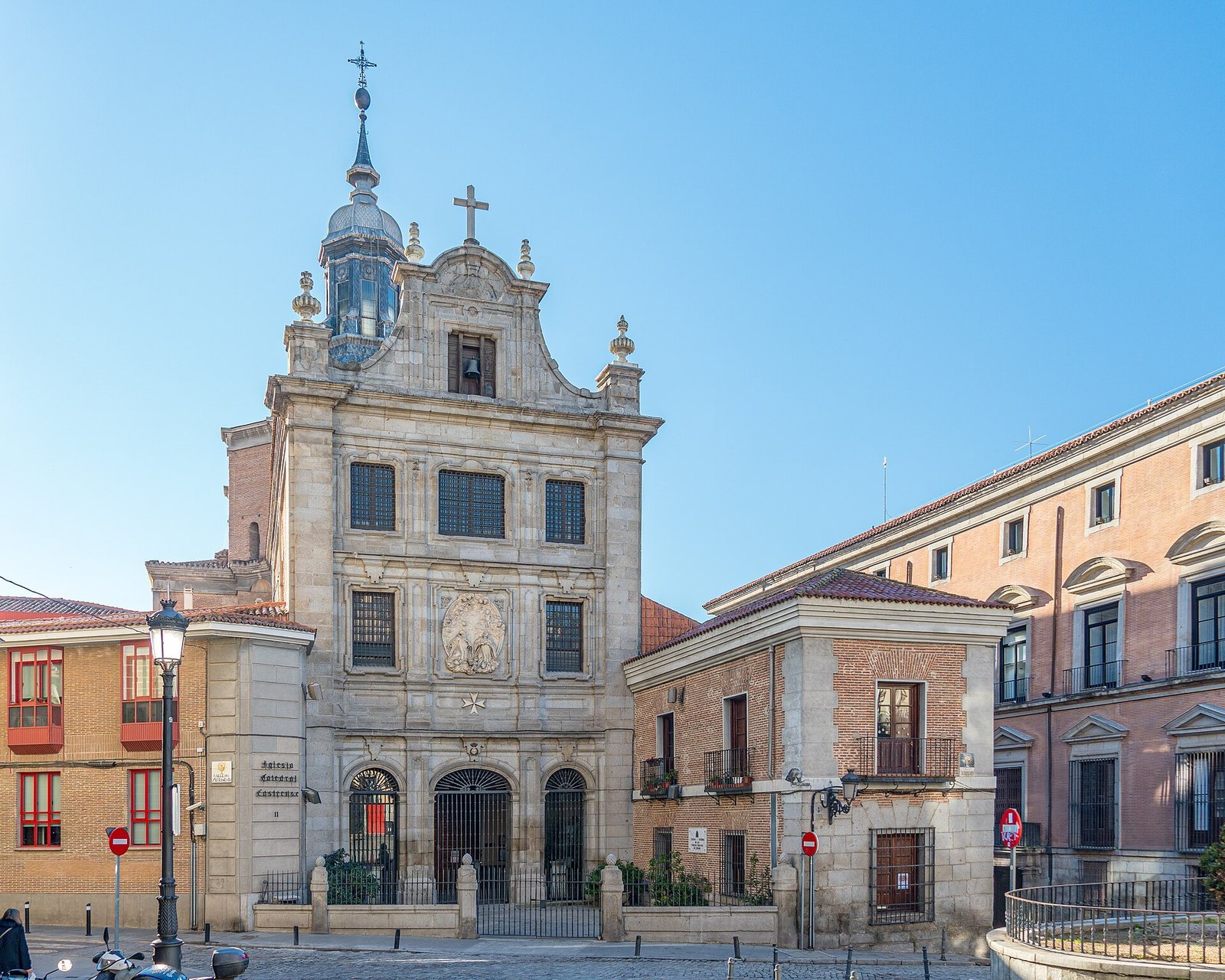
The granite façade is attributed to Pedro de Ribera and dates to around 1744. The church’s Latin-cross plan shapes its main interior layout.
Frescoes
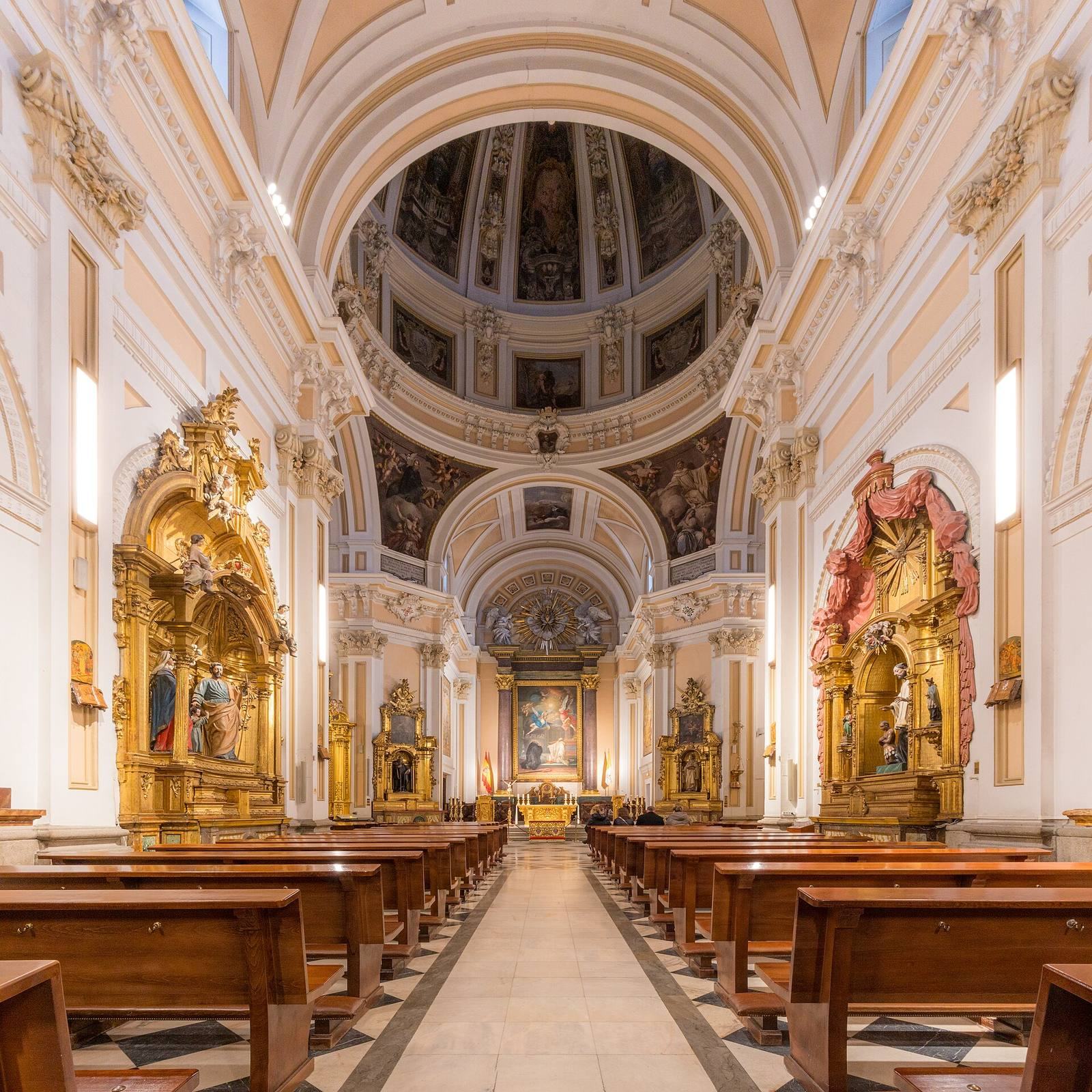
Frescoes by the brothers Luis, Antonio, and Alejandro González Velázquez cover the naves, the main lengthwise spaces of the church. They include portraits of the founders’ sisters and saints of the Benedictine order, whose monastic tradition follows the Rule of Saint Benedict. Paintings in the pendentives, the curved surfaces supporting a dome above a square space, form part of this decoration. On the portico ceiling, angels hold long scrolls referring to the Eucharist, the Catholic sacrament commemorating Christ’s Last Supper.
Altarpieces
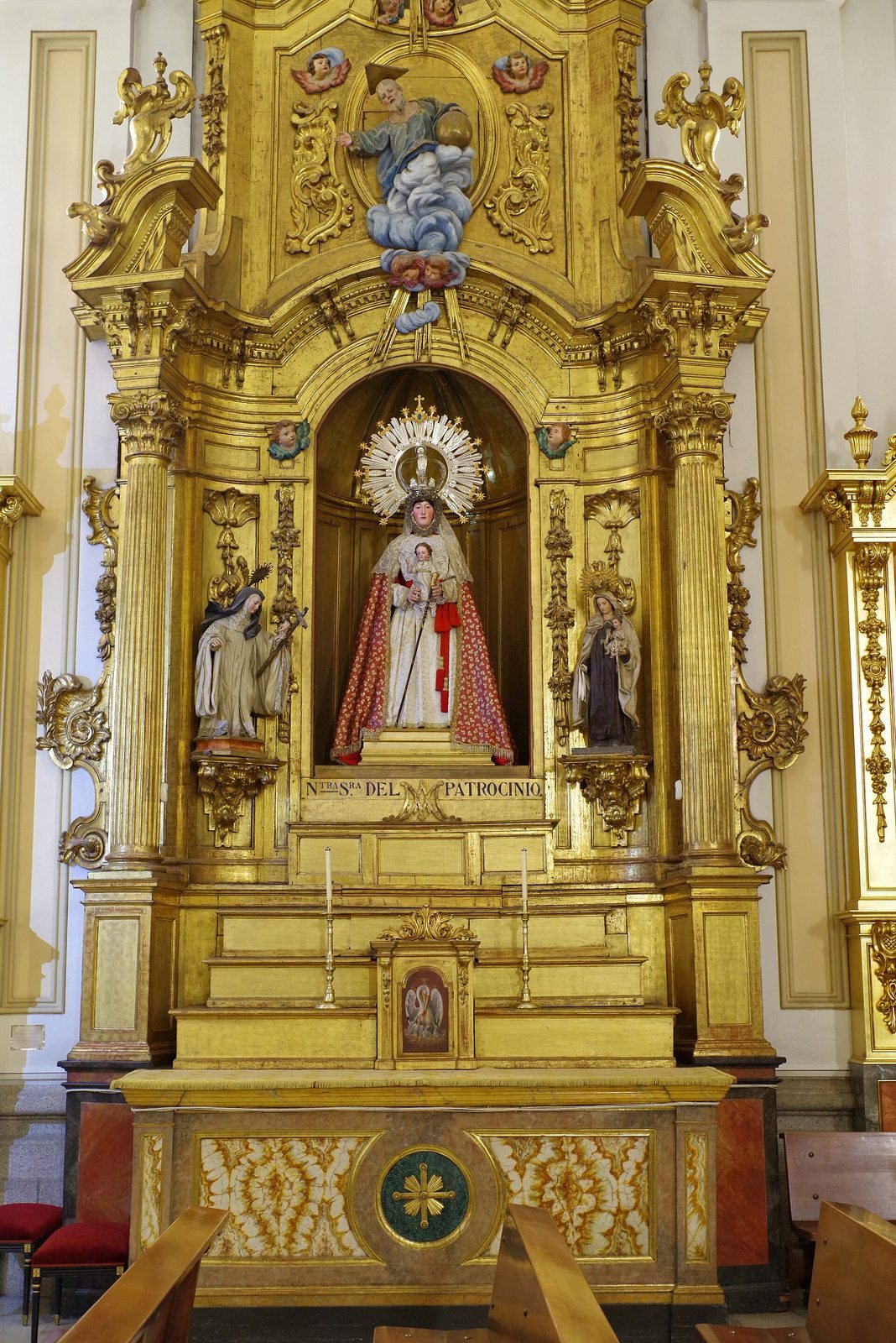
Two paintings by Luca Giordano crown the founders’ altarpieces, decorated structures behind altars. One shows Joachim and Anne, Mary’s parents; the other depicts the Holy Family. The main altarpiece is Neoclassical, drawing on ancient Greek and Roman forms. Its two stucco Corinthian columns frame Gregorio Ferro’s painting of Saints Benedict and Bernard adoring the Eucharist.
Interior spaces, furnishings, and burials
The interior includes an atrium, the Chapel of the Blessed Sacrament, a sacristy, halls, and offices used by the Military Archbishopric. An organ is also present, and Spanish and Vatican flags stand at the main altar. Burials in the church include former military vicars general Luis Alonso Muñoyerro and José Ángel López Ortiz, and military archbishops José Manuel Estepa Llaurens and Juan del Río Martín. Del Río Martín’s parents and sister, as well as some Spanish military personnel killed in the 2003 Yak-42 aircraft crash in Turkey, are buried there too.
Relic
A spear kept in the church is attributed to Marco Emilio Régilo, a Roman priest of Mars who died in 204 BC.