Trinity Green Almshouses: Charitable Housing for Seafarers in London
Site at a Glance
- Rating
- 4.9
- Popularity
- Very Low
- Country
- United Kingdom
- Primary era
- Early Modern
- Eras represented
- Early Modern, Modern
- Civilizations
- British, English
- Site type
- Domestic
- Remains
- House
On this page8 sections
History
Foundation and residents
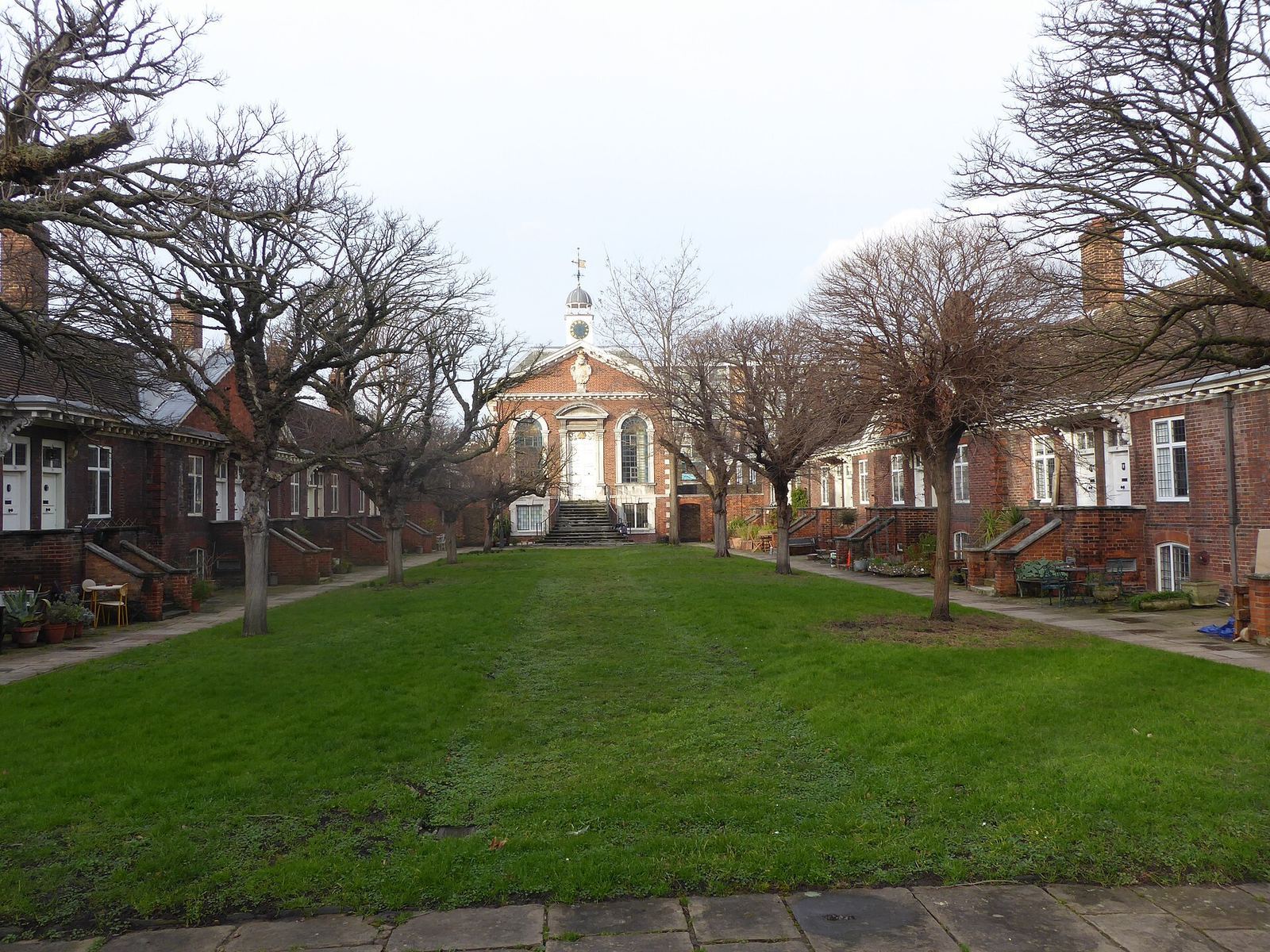
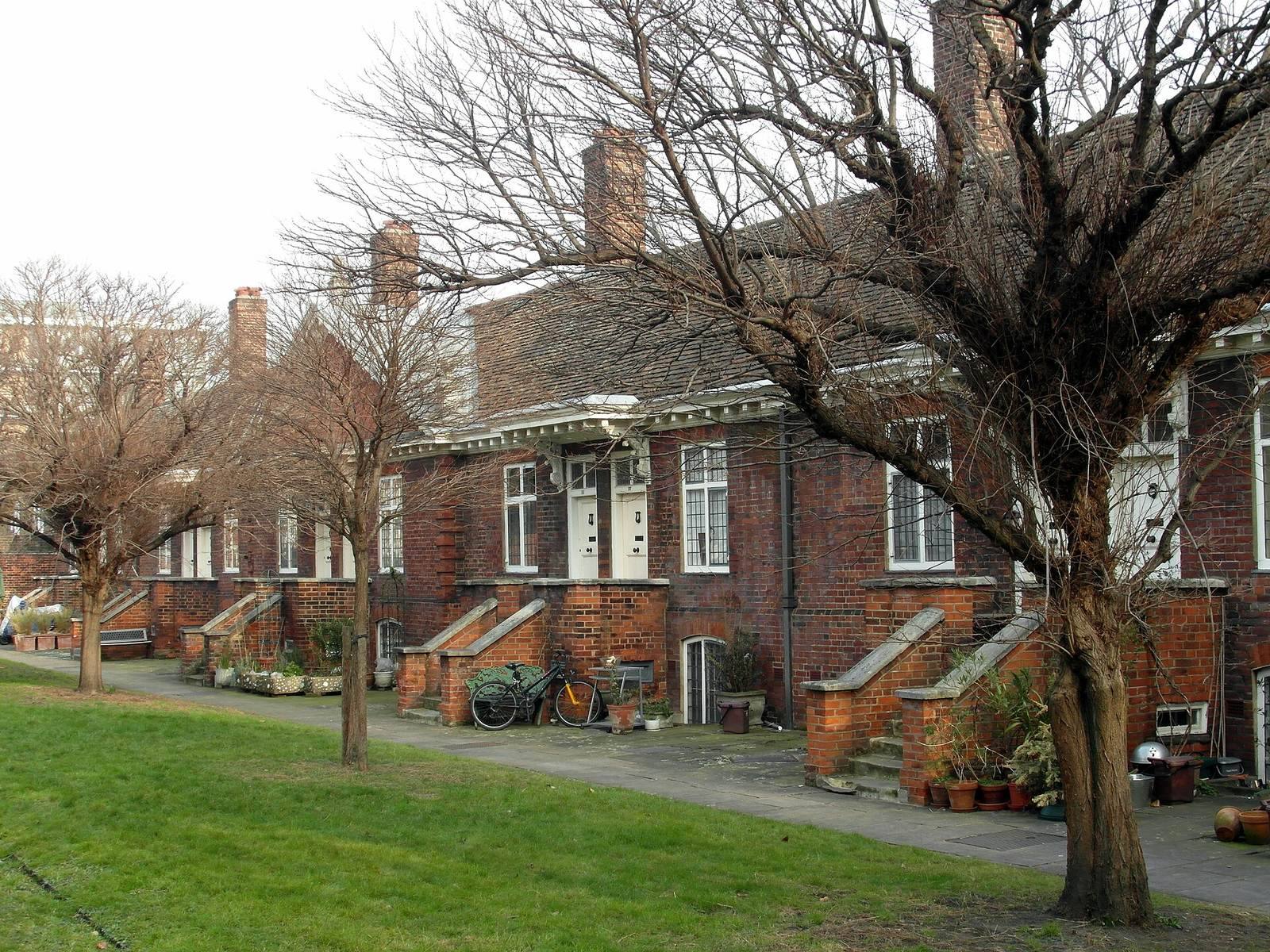
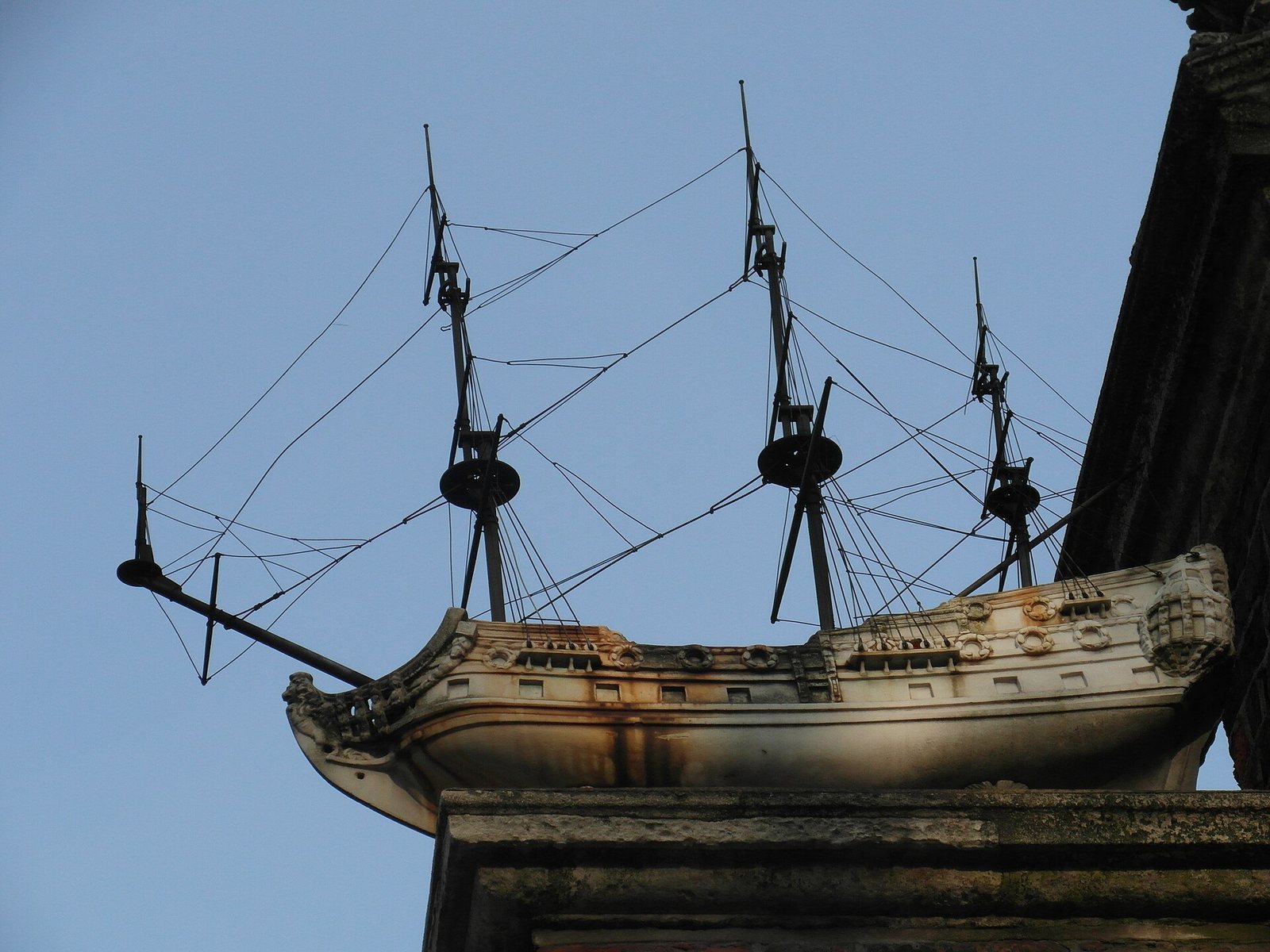
Trinity Green Almshouses are charitable residences on Mile End Road in Whitechapel, London, United Kingdom. The Corporation of Trinity House, a British maritime institution associated with navigation and the welfare of seafarers, built them in 1695 to house 28 shipmasters and commanders in need, or their widows. Captain Henry Mudd of Ratcliffe gave the land, and the design is attributed to Sir William Ogbourne.
The almshouses may be the second-oldest in central London, after the Charterhouse, a charitable foundation established by Thomas Sutton in 1611. In 1735, 28 residents lived at Trinity Green, at a cost of 12 shillings per person each month.
Preservation and change
In 1895–96, a proposal by Sir Frederic Leighton to demolish the almshouses prompted a public campaign led by Charles Robert Ashbee. Ashbee founded the Committee for the Survey of the Memorials of Greater London, and Trinity Green was the first site entered on its preservation register. That register later developed into the listed-building system.
During the nineteenth century, Methodist preacher William Booth preached at the Vine Tavern in front of the almshouses. This preaching led to the founding of the Salvation Army, a Christian organization combining religious work with social service. The complex was damaged during the Second World War. In 1950, it received Grade I listing, England’s highest listed-building category, reserved for buildings of exceptional interest. London County Council bought and restored the surviving complex in 1954. The construction of Mile End Road also transformed the setting from rural quiet to a busy urban environment.
Remains
Layout and buildings
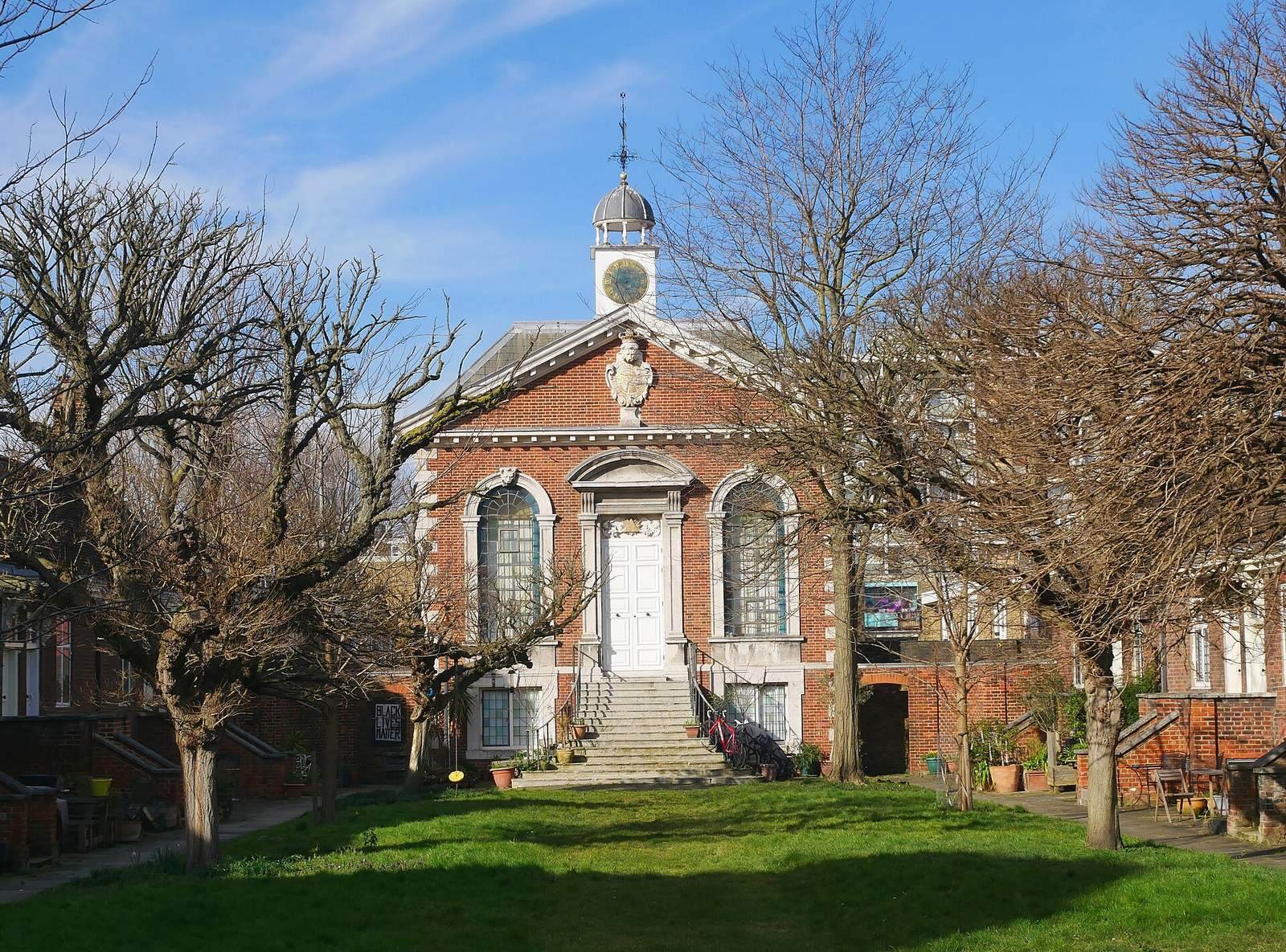
The almshouses were arranged in two rows around a central green, with a chapel forming part of the site. Gates, railings, and walls complete the group.
Almshouse rows
The houses north of the chapel were destroyed during the Second World War. The surviving houses were restored in 1954.
Chapel
The chapel stands within the parish of St Dunstan’s, Stepney. Its restoration incorporated eighteenth-century panelling from Bradmore House in Hammersmith.
William Booth memorial
A bronze bust commemorating William Booth was installed at the almshouses in 1927.