Museum of the Home: A Museum of Domestic Life in Hoxton
Site at a Glance
- Popularity
- High
- Country
- United Kingdom
- Primary era
- Early Modern
- Eras represented
- Early Modern, Modern
- Civilizations
- British
- Site type
- Domestic
- Remains
- House
On this page11 sections
History
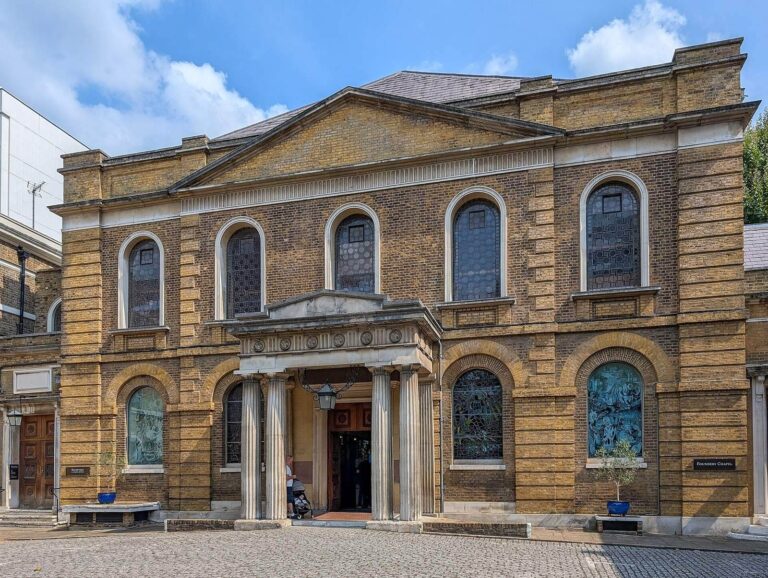
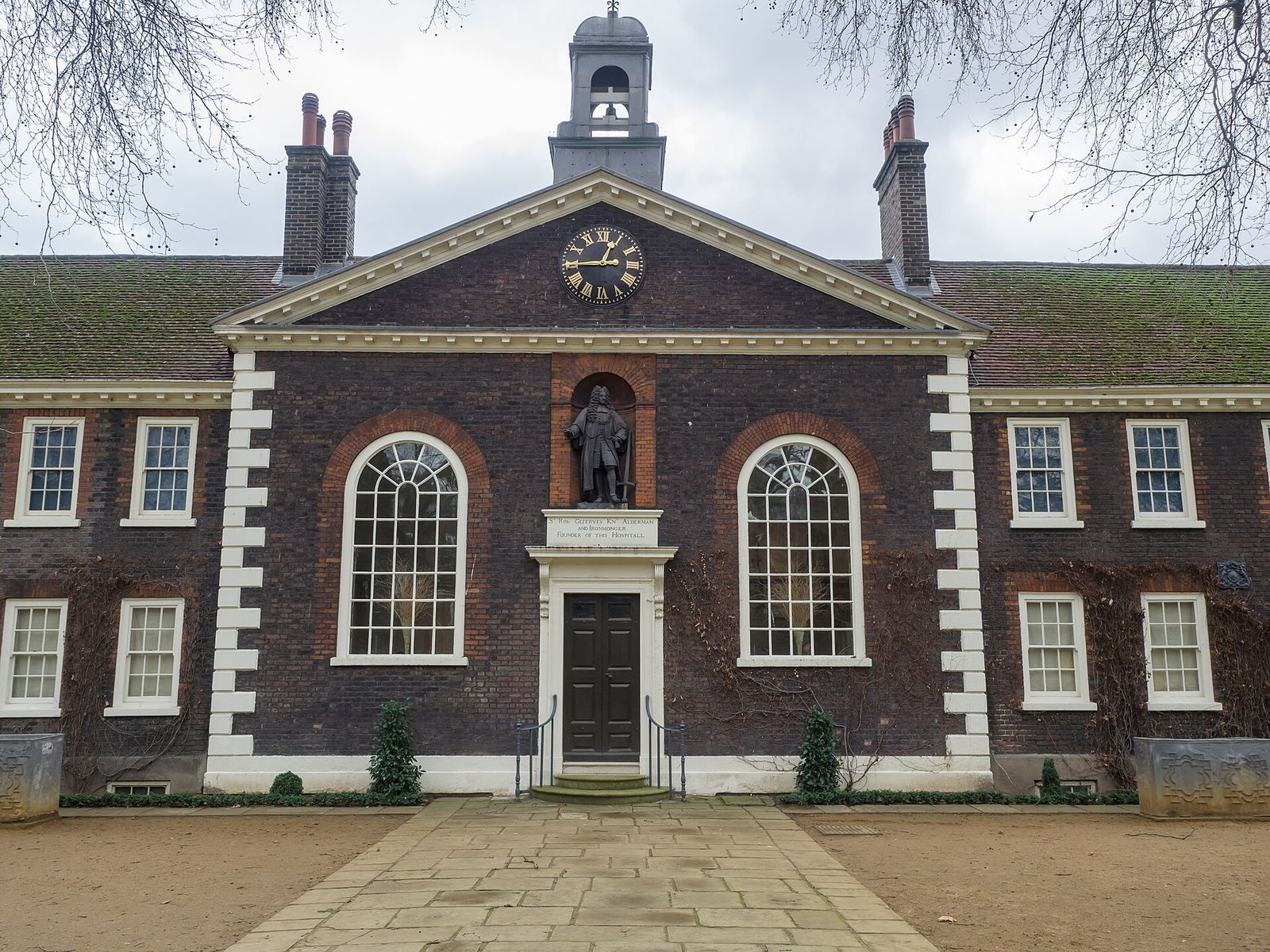
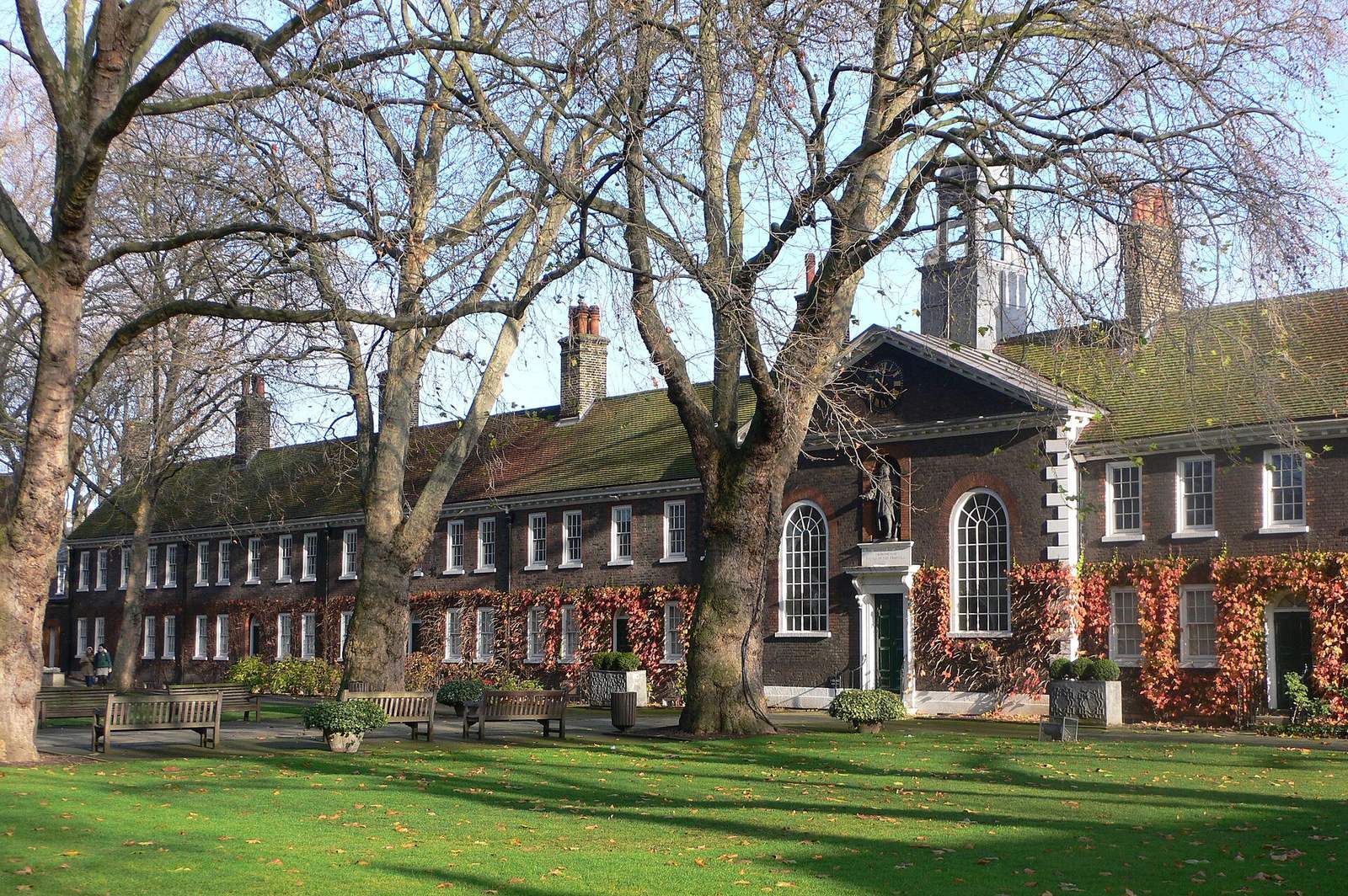
The Museum of the Home is a museum in Hoxton, London, United Kingdom, housed in almshouses, charitable housing for people in need, built in 1714 for widows of ironmongers. Their construction was funded by a bequest from Sir Robert Geffrye, a merchant who served as Lord Mayor of London, the City’s chief civic officer, and Master, a senior office in the Ironmongers’ Company, a historic metalworking association. Geffrye worked with the East India Company, a chartered English trading company active in Asia, and the Royal African Company, which traded with Africa and participated in the Atlantic slave trade. He was also involved in the transatlantic slave trade.
From Almshouses to Museum
The Metropolitan Public Gardens Association, which promoted public gardens, helped Shoreditch Metropolitan Council acquire the former almshouses and their garden. The Association’s landscape gardener, Fanny Wilkinson, laid out the garden in 1900–01. In 1911, the Ironmongers’ Company judged the area too dangerous for the pensioners, moved them to the country, and sold the buildings to the London County Council, a local government body.
The council converted the site into a museum, intended to provide furniture and interior reference material for manufacturers in an area known for its furniture trade. The Geffrye Museum opened on 2 April 1914. As furniture production moved away from the area, the museum turned increasingly toward younger audiences, especially schoolchildren.
Changing Museum and Collections
During her curatorship from 1935 to 1940, Marjorie Quennell introduced furnished rooms arranged to represent different historical periods. The Inner London Education Authority administered the museum during the later twentieth century. After the authority was abolished, the museum became a charitable trust in 1991.
The main building received Grade I listing in 1950, England’s category for buildings of exceptional interest. The forecourt niche, wall, gates, and railings have Grade II* status, for particularly important buildings of more than special interest.
Renewal and Reinterpretation
The museum closed in January 2018 for redevelopment. Its 2019 name change to Museum of the Home came amid renewed attention to Britain’s history of slavery, including Geffrye’s connections, following Black Lives Matter protests, a movement against anti-Black racism and racial injustice. During the 2020 closure, the museum’s Stay Home project invited people to submit photographs and describe how the COVID-19 pandemic had changed their experience of home. It received more than 400 submissions.
A 2020 consultation found that 79.4 per cent of participating local people favoured removing Geffrye’s statue. After Culture Secretary Oliver Dowden, the UK cabinet minister responsible for culture, threatened to withdraw the museum’s funding, the trustees chose to reinterpret the statue in place. In 2021, the museum said it saw potential to move it to a less prominent part of the site, where Geffrye’s role in the transatlantic slave trade could be explained more fully. Such a move would require listed-building consent.
From 2023, exhibitions explored the meaning of home for diverse communities. Disability-rights activist Paul Darke curated a show of toys representing disability, including characters from Ironside and The Simpsons, as well as items from the Barbie collection. No Place Like Home (A Vietnamese Exhibition), Part II, co-curated by KV Duong and Hoa Dung Clerget, featured Vietnamese diasporic artists.
Remains
The site brings together the former almshouse block and forecourt, garden areas, and later museum additions. The gardens lie north of the building, while newer exhibition spaces include basement galleries. The main entrance now faces Hoxton station.
The Former Almshouse
The eighteenth-century building comprises 14 houses, each with four rooms, designed to accommodate up to 56 pensioners. It originally stood with a large garden. The building’s fabric and the garden’s layout changed as the site was adapted for museum use.
Forecourt and Statue
The forecourt includes a niche at its northwest corner, along with a wall, gates, and railings. A replica of a statue of Robert Geffrye, made in 1723, stands above the building’s former entrance, with a sign at the foot of the building. Since the main entrance was reoriented toward Hoxton station, the side bearing the statue is now at the back of the museum.
Gardens
A herb garden occupies land north of the building where derelict ground once lay. It opened in 1992 with partial support from the Metropolitan Public Gardens Association and received the Association’s London Spade Award that year. The gardens were replanted during the museum’s redevelopment.
The 1998 Extension
Designed by Branson Coates Architecture, the 1998 extension is horseshoe-shaped. It provided room for a twentieth-century exhibition, a shop, and education spaces.
Redeveloped Galleries
The redevelopment added basement galleries known as the Home Galleries, a café, a learning pavilion, collections and reference libraries, and event spaces. Exhibition space increased by 80 per cent and public space by 50 per cent.
Domestic Displays
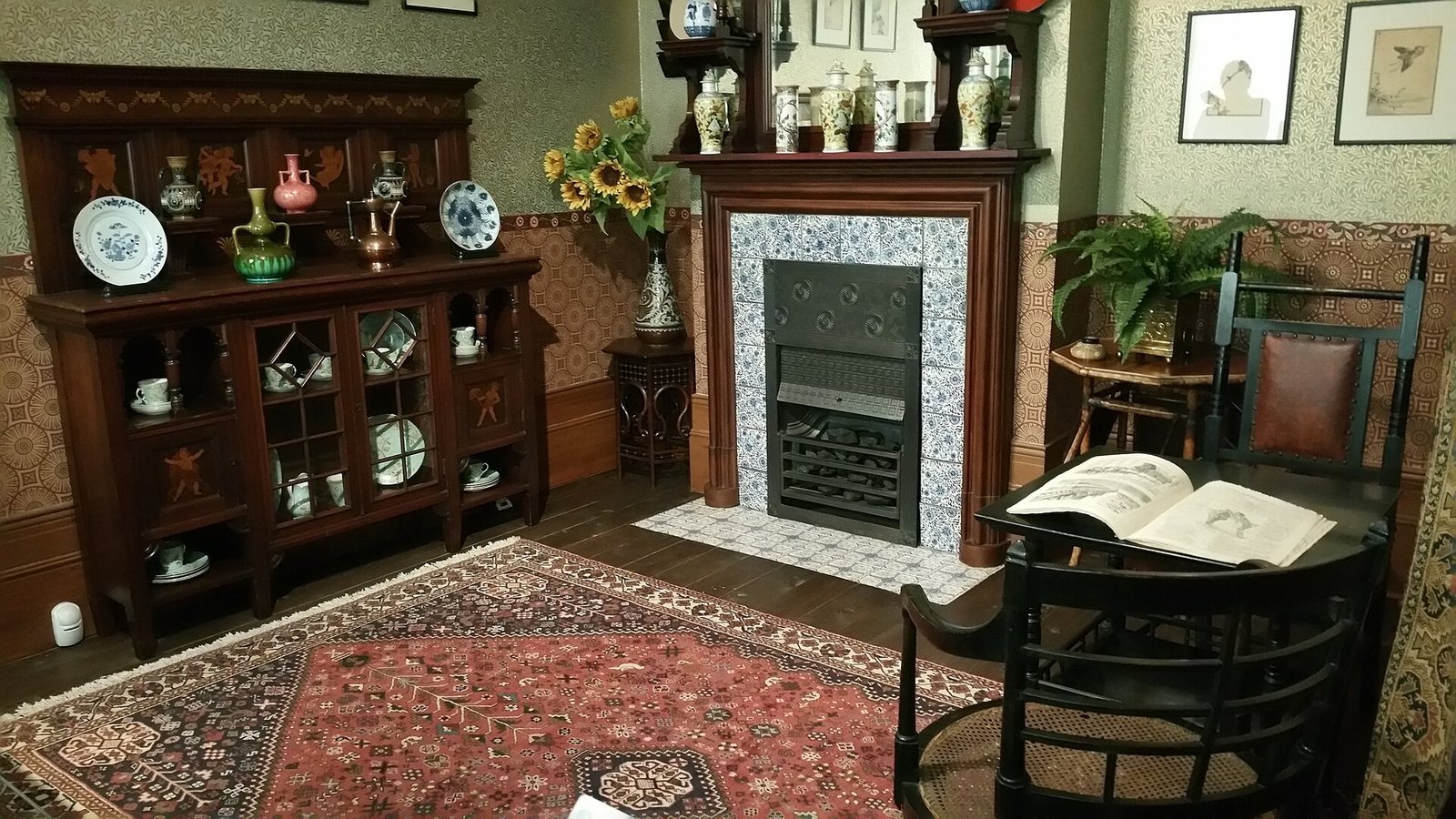
The museum’s galleries explore home life from 1600 to the present, including everyday experiences of making, maintaining, and inhabiting a home. Its historic displays used period rooms, staged interiors furnished and decorated to represent particular eras. A West Indian front-room display depicts a home around 1976, with glittery cushions, a pineapple-shaped ice bucket, and souvenirs from St Vincent.