Itasuke Kofun: A Fifth-Century Burial Mound in Japan
Site at a Glance
- Rating
- 3.9
- Popularity
- Medium
- Country
- Japan
- Primary era
- Classical
- Eras represented
- Classical
- Civilizations
- Yamato
- Site type
- Burial
- Remains
- Burial Mound
On this page8 sections
History
Itasuke Kofun is an ancient burial mound in Japan’s Mozu Kofun Group, a cluster of such mounds, built during the first half of the fifth century.
Preservation and recognition
In September 1955, the privately owned mound was slated for removal to obtain soil and make way for housing. Sakai’s financial difficulties made it hard for the municipality to buy the land, but a citizens’ campaign helped save the site.
Itasuke Kofun became a National Historic Site on May 15, 1956. In the 1980s, complaints about foul odors from deteriorating water quality led to the moat being drained and its sludge removed. The mound’s helmet-shaped clay object was designated a Sakai City tangible cultural property on December 20, 2001, and became a symbol of the city’s efforts to protect cultural property. On March 18, 2014, Itasuke joined the Mozu Kofun Group Historic Site, which brought together seven previously designated mounds, including Itasuke, and ten newly designated mounds.
Remains
Physical remains
Keyhole-shaped mound
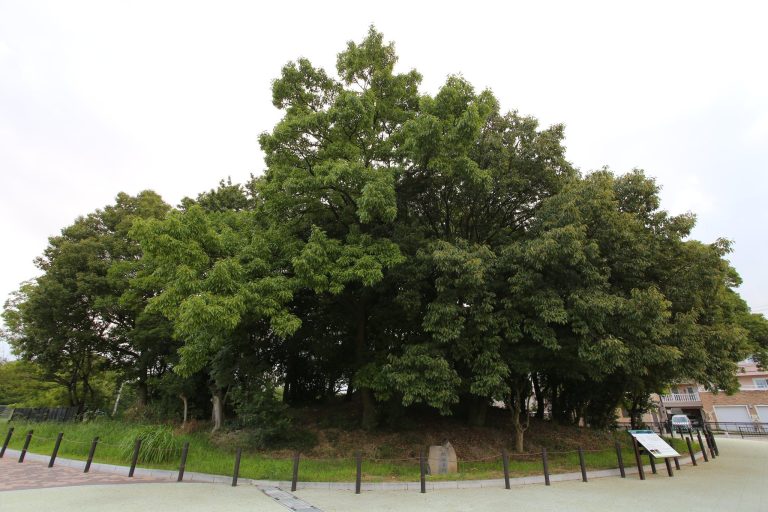
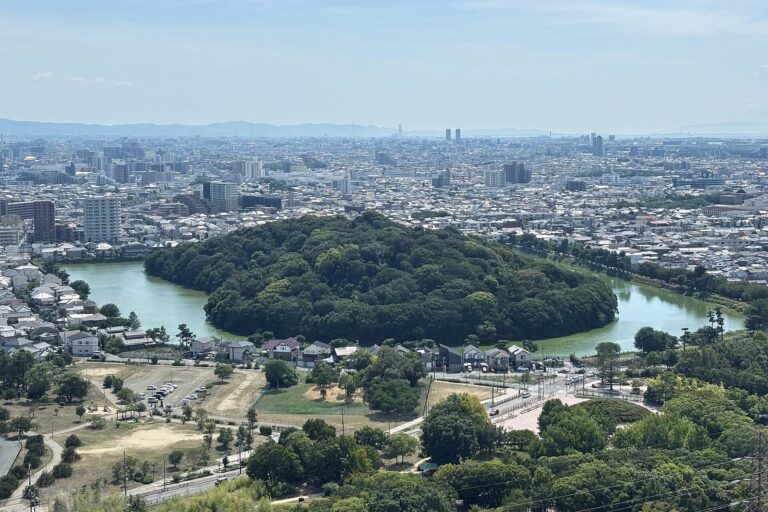
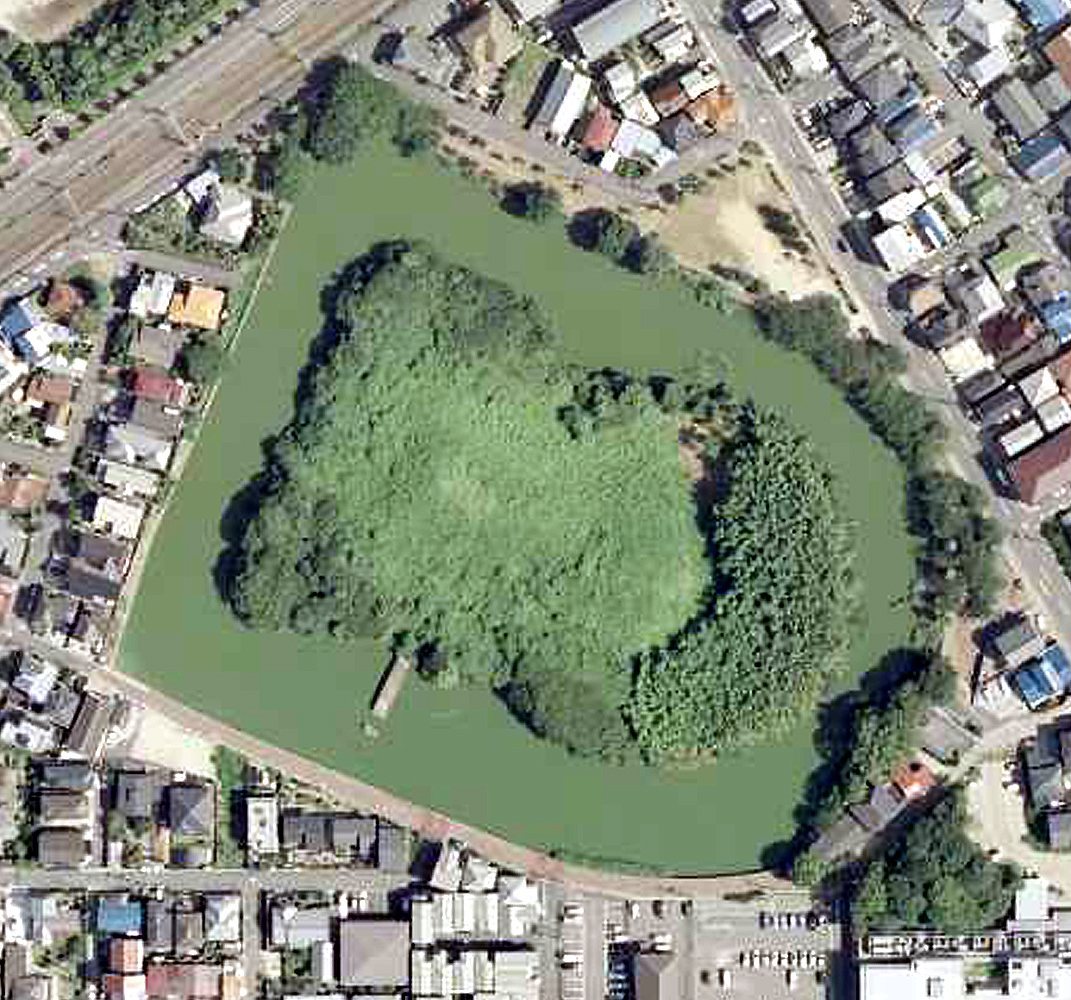
The mound stands at the southern edge of a plateau, near the center of the Mozu group. It lies south of Daisenryo Kofun and east of Kamiishiizu Misanzai Kofun. About 146 m long, it is the group’s eighth-largest mound. Its three tiers form a keyhole shape: the circular rear section is about 90 m across and 12.2 m high, while the front section is about 99 m wide and 11.4 m high. A projection extends from the south side.
Moat and wooden boat
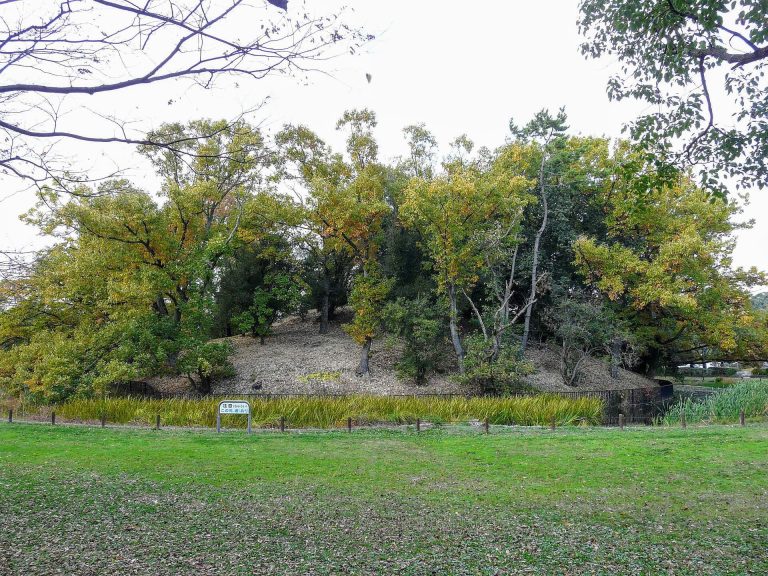
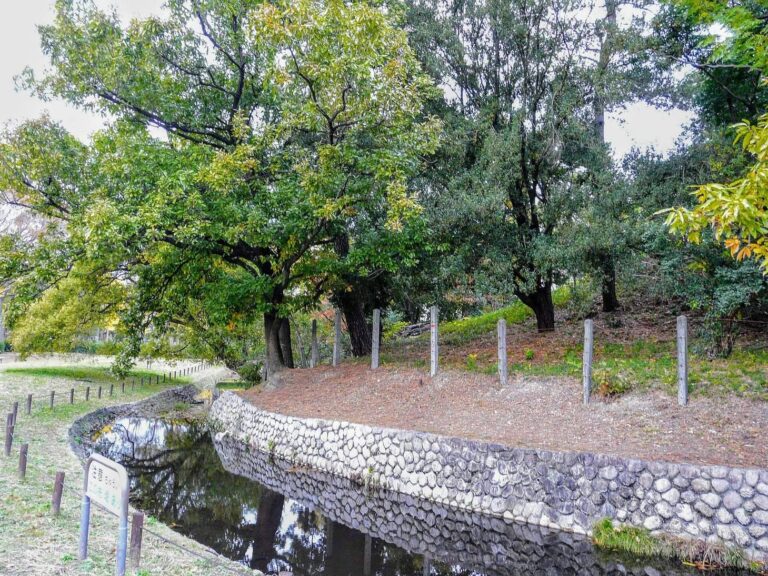
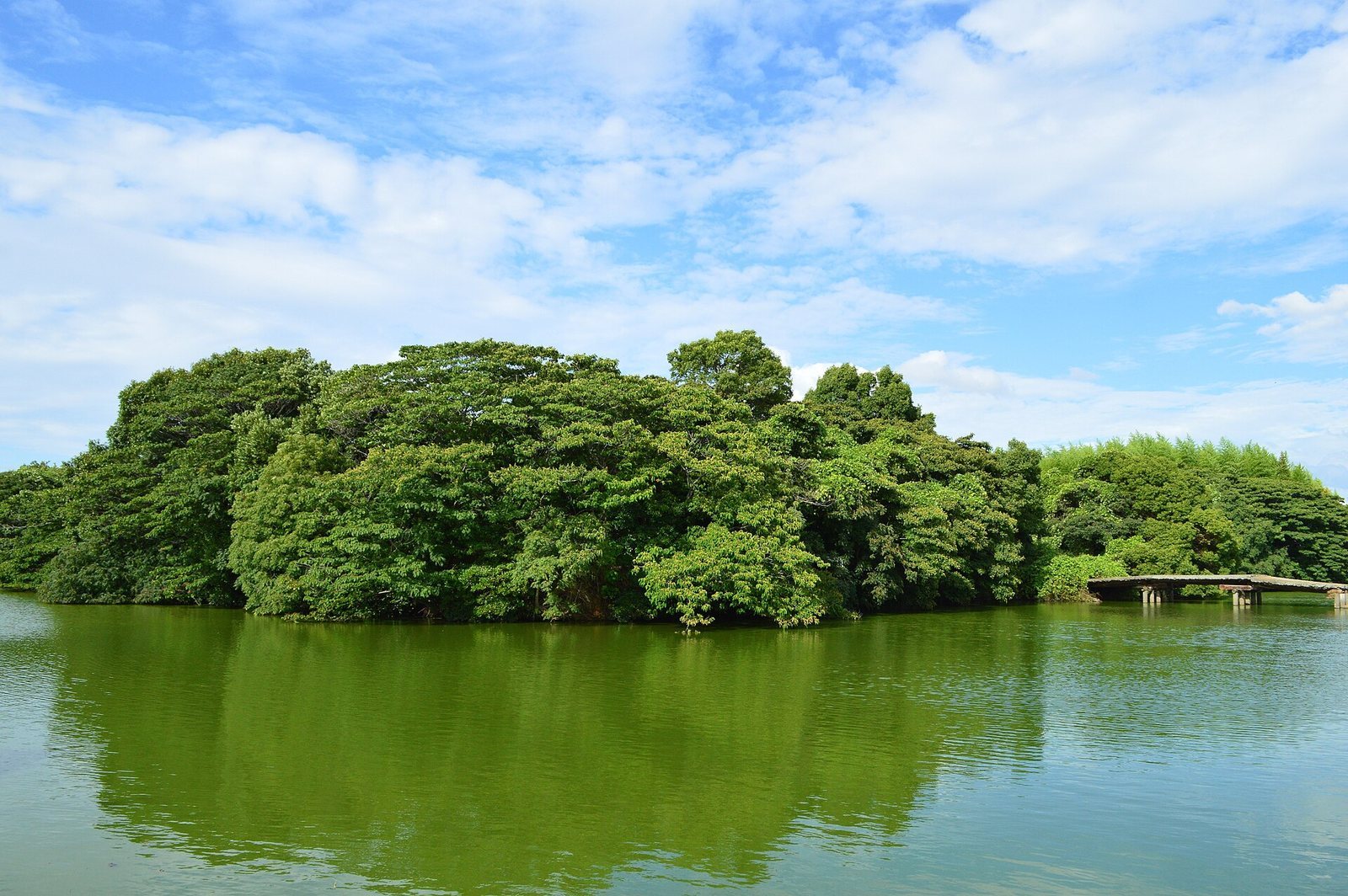
A moat surrounds the mound, with a large embankment along its southern side. A small wooden boat was submerged in the moat’s southwest section and examined during the moat work. It was identified as a traditional Japanese boat made before the early Shōwa period, the era named for Emperor Shōwa (1926–1989).
Burial-mound remains
One subsidiary burial mound survives. A helmet-shaped haniwa, a clay object associated with ancient Japanese burial mounds, was excavated from the main mound’s rear section. It has a projecting neck guard.
Vegetation and clearance works
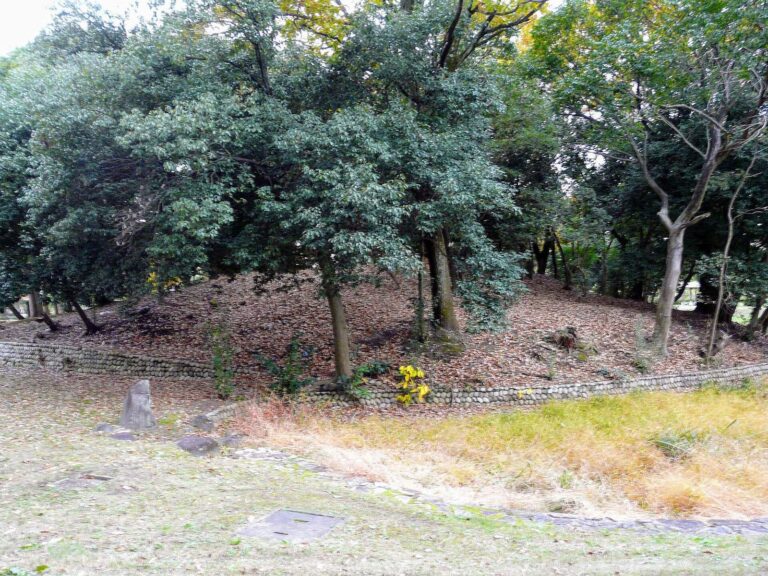
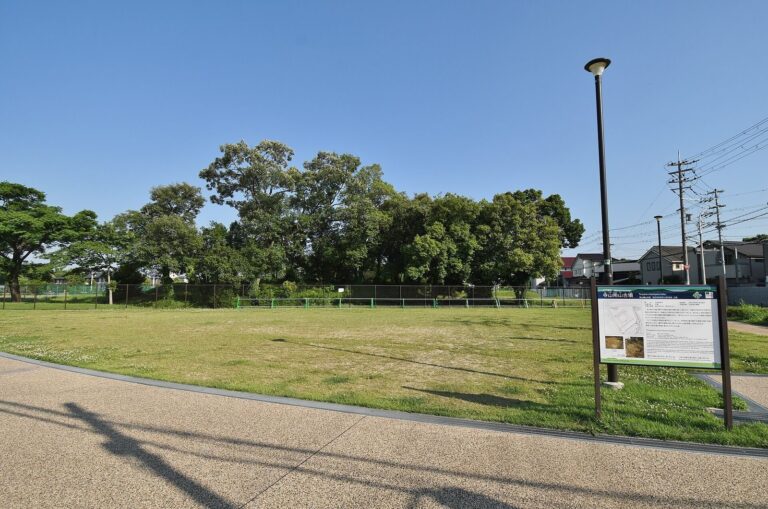
The mound lies in a residential neighborhood, with woodland and water areas still present; raccoon dogs live there. Preparations for the planned removal in 1955 included building a bridge across the moat for heavy machinery and cutting trees. The felling stopped partway, leaving about half the mound without trees. Grass now covers that area, and the mixture of grass and remaining trees gives aerial views a mottled appearance. About half of the bridge remained in 2019. Dense bamboo growth poses a risk of soil collapse.