Church of the Archangel Gabriel: Serbian Orthodox Church in Aranđelovac
Site at a Glance
- Rating
- 4.9
- Popularity
- Medium
- Country
- Serbia
- Primary era
- Modern
- Eras represented
- Modern
- Civilizations
- Ottoman, Serbian
- Site type
- Religious
- Remains
- Church
On this page6 sections
History
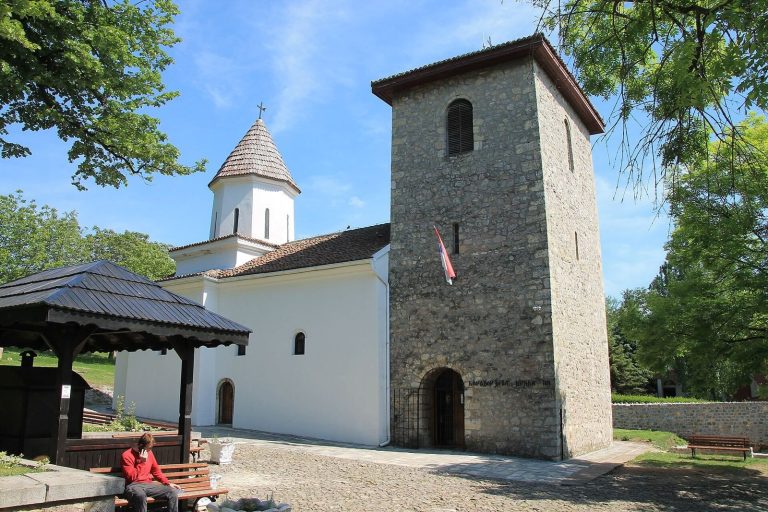
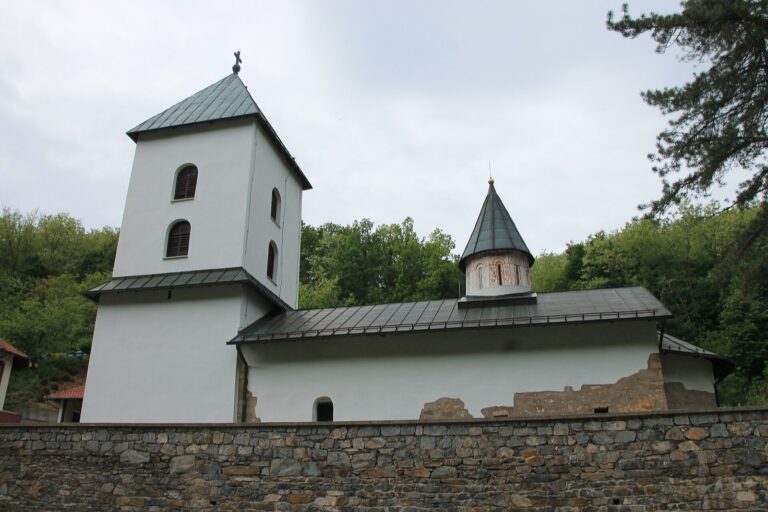
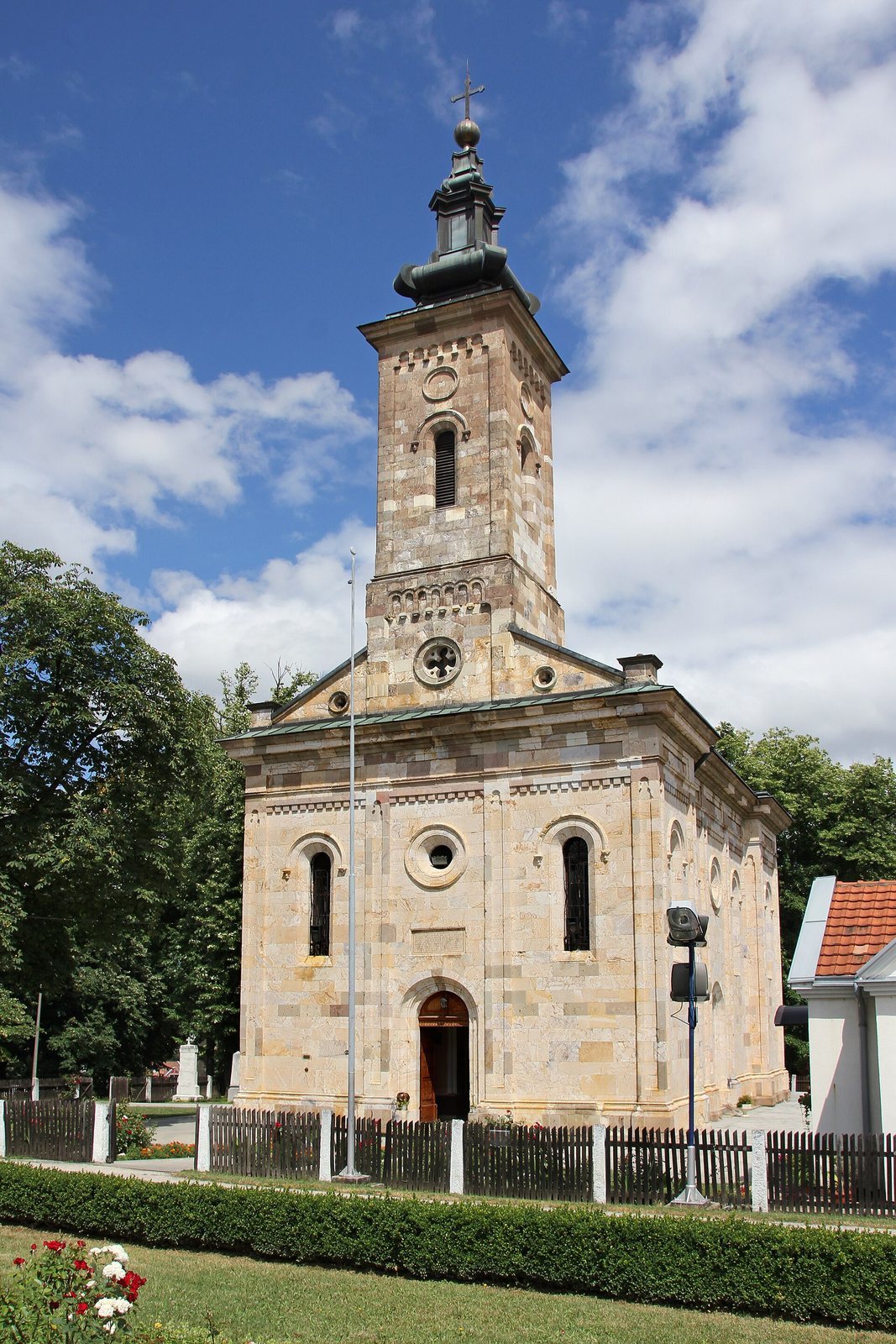
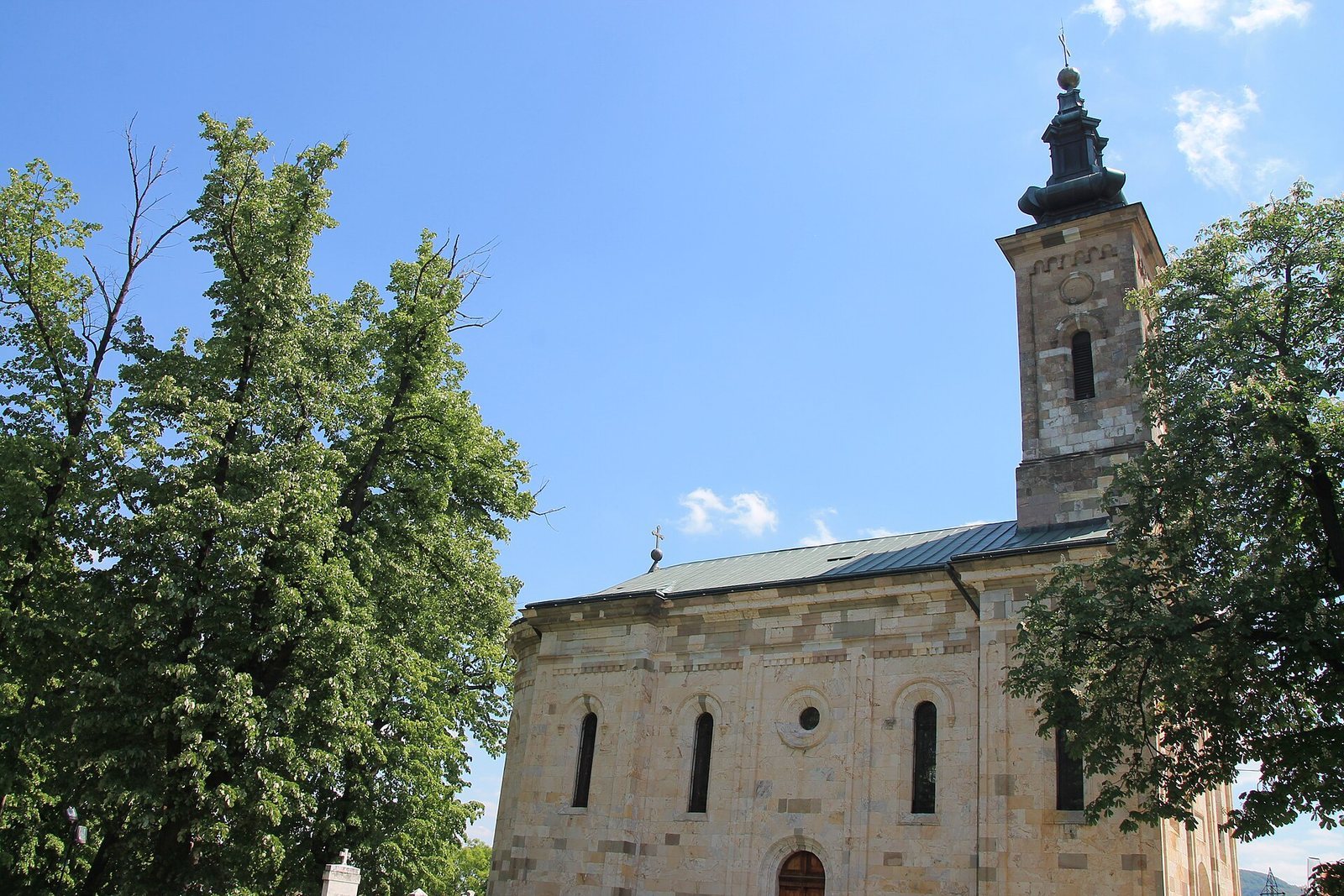
The Church of the Archangel Gabriel, also known as the Vrbička Church, is a Serbian Orthodox church in Aranđelovac, Serbia, completed by 1863 in Neo-Romanesque and Neo-Baroque styles. Founded by Prince Miloš Obrenović, it is regarded as one of his most beautiful church foundations.
Town and church foundation
In 1837, Miloš ordered the Šumadija village of Vrbica to be laid out according to a regular plan. It became a small town in 1840. In 1859, he decided to build a church there and dedicate it to the Archangel Gabriel, whom Christian tradition regards as a divine messenger. On August 1 that year, Vrbica was renamed Aranđelovac after the archangel.
The choice of Gabriel as patron has been interpreted as an act of repentance for the murder of Karađorđe, a Serbian revolutionary leader. He was killed on July 12-13 in the Julian calendar, on the feast of the Synaxis of Gabriel, a celebration honoring the angel. Construction began in May 1860 and was finished by 1863. Nastas Đorđević of Ohrid probably supervised the work, following a plan prepared at the Ministry of Internal Affairs. After Miloš died in September 1860, his son, Prince Mihailo, assumed responsibility for the construction.
Wartime damage and status
During the First World War, Austro-Hungarian troops took all three church bells and many liturgical objects after the Serbian army withdrew. In 1944, during the Second World War, the church’s administrative office was wrecked and burned. The fire destroyed the church chronicle and many archival documents.
The church belongs to the Eparchy of Šumadija, an Orthodox diocese, and is protected as a Serbian cultural monument under listing SK 601.
Remains
Exterior form and materials
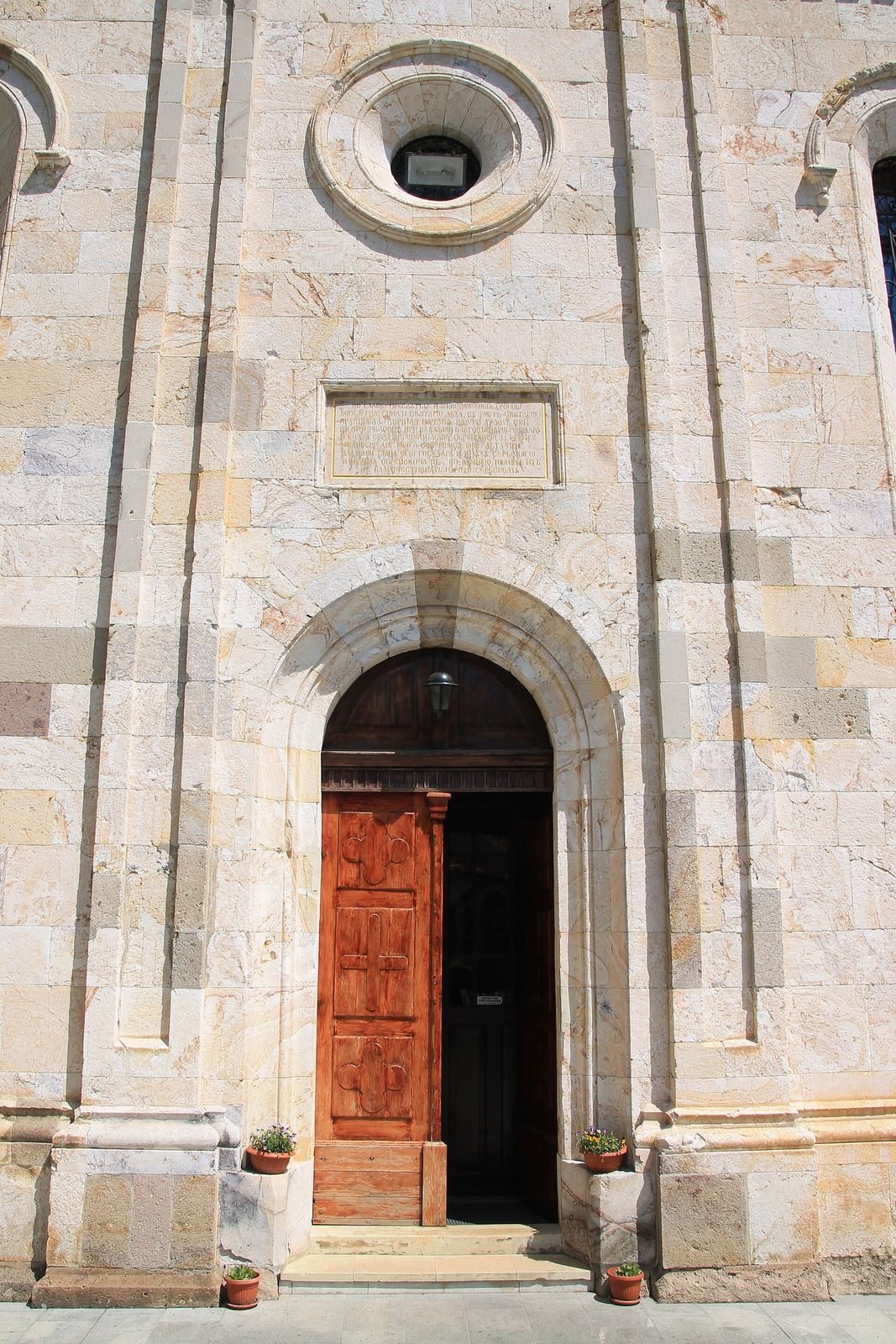
The church has a single nave, or main hall, ending in three apses, curved projections at the ends of a church, and a bell tower on its western side. The nave follows Neo-Romanesque forms, while the tower uses Neo-Baroque forms. Brick walls are faced on the exterior with rectangular stone blocks brought from nearby Klještevice Hill; the stone varies naturally in color.
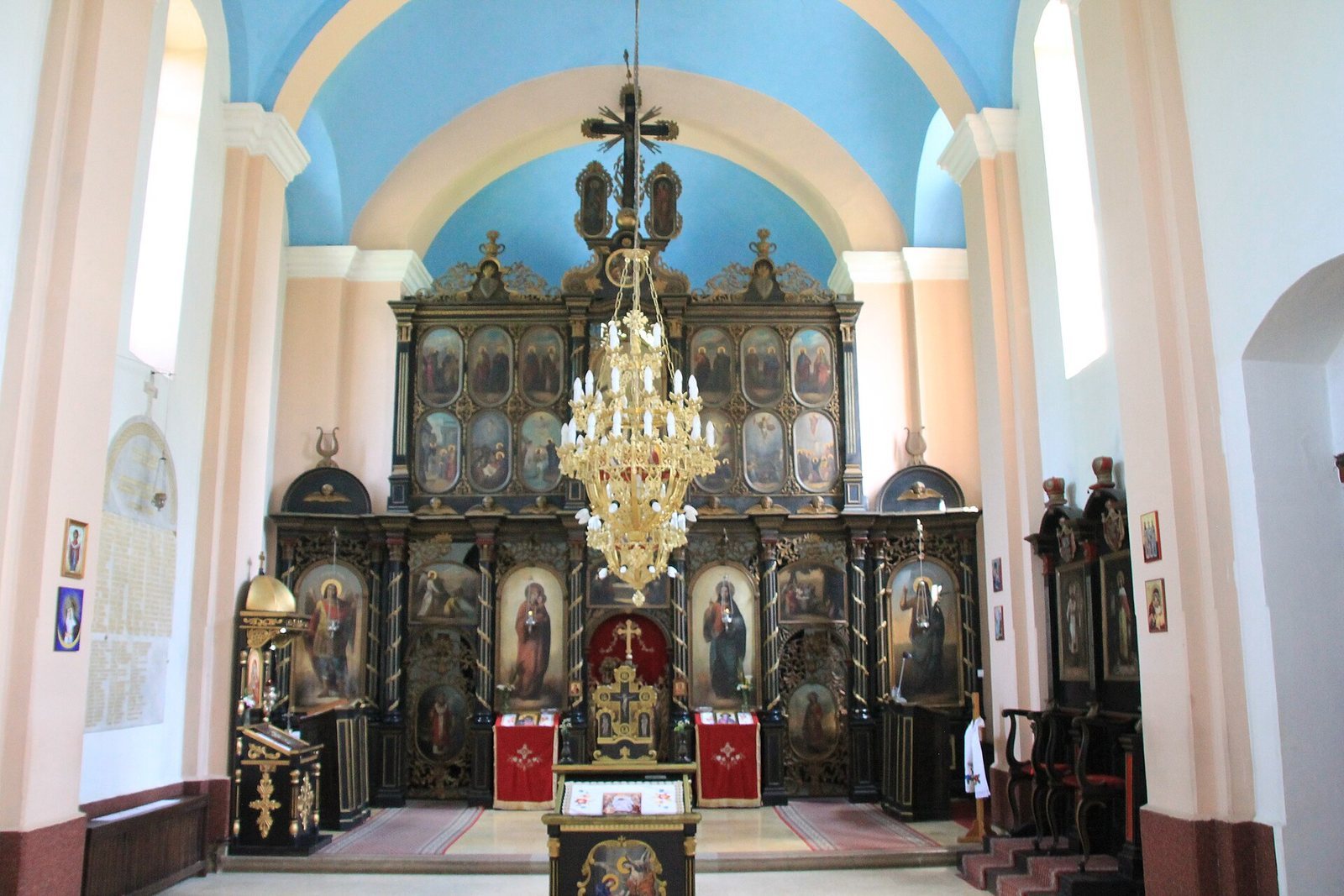
Interior and iconostasis
The interior is plastered. Its Classicist iconostasis, a screen of icons separating the sanctuary from the main worship area, was inspired by the one in Belgrade Cathedral. Classicist design revives forms associated with ancient Greek and Roman art. Serbian painter Nikola Marković painted the iconostasis in 1863, and it was installed that year among his first independent works.