San Lorenzo in Fonte: A Baroque Catholic Church in Rome
Site at a Glance
- Rating
- 4.4
- Popularity
- Medium
- Country
- Italy
- Primary era
- Early Modern
- Eras represented
- Classical, Early Modern
- Civilizations
- Papal States, Roman
- Site type
- Religious
- Remains
- Church
On this page9 sections
History
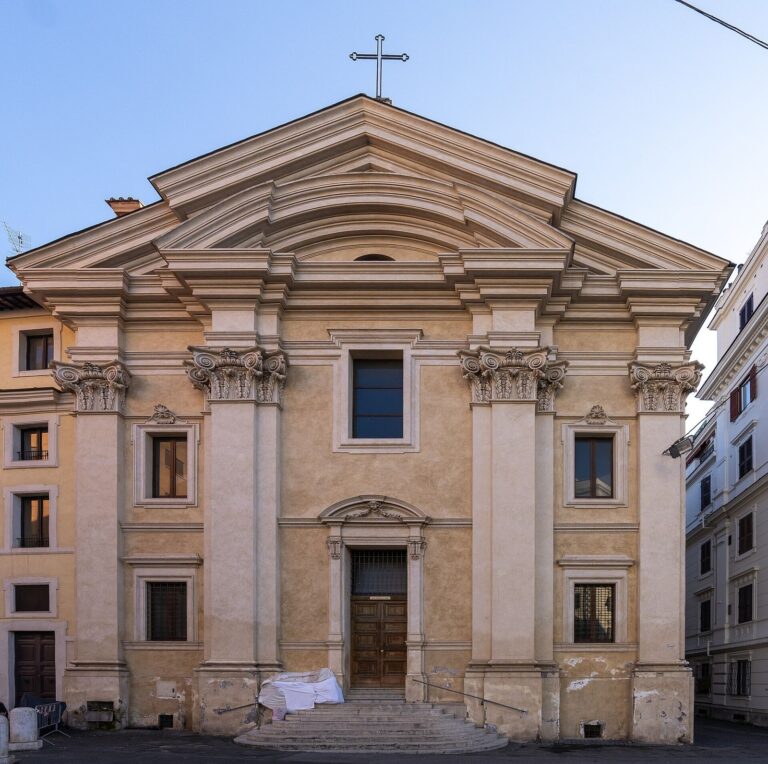
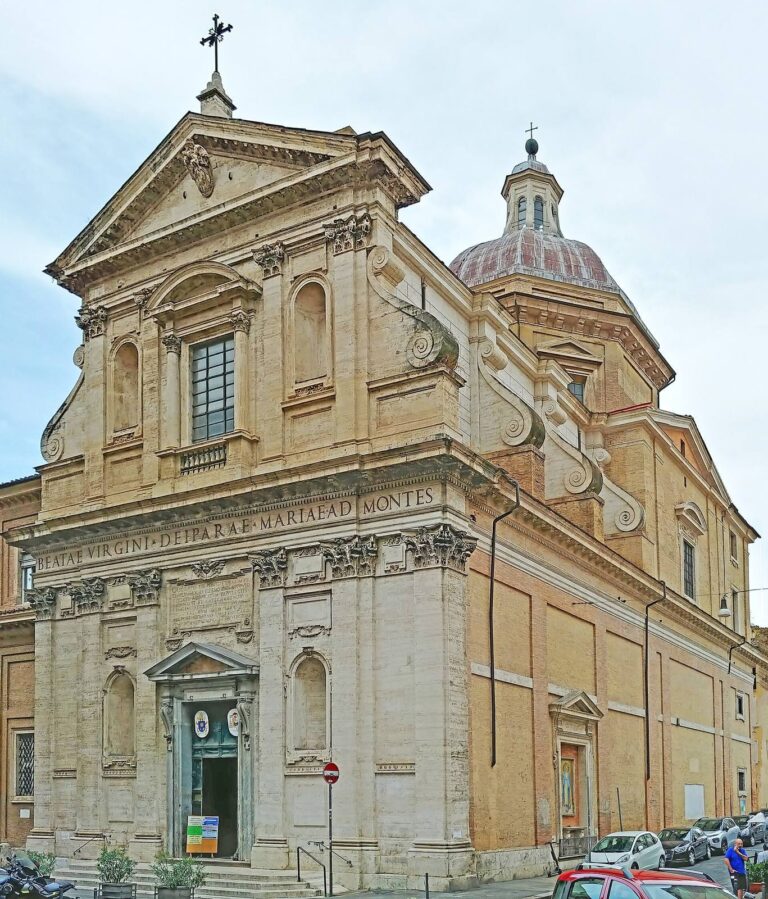
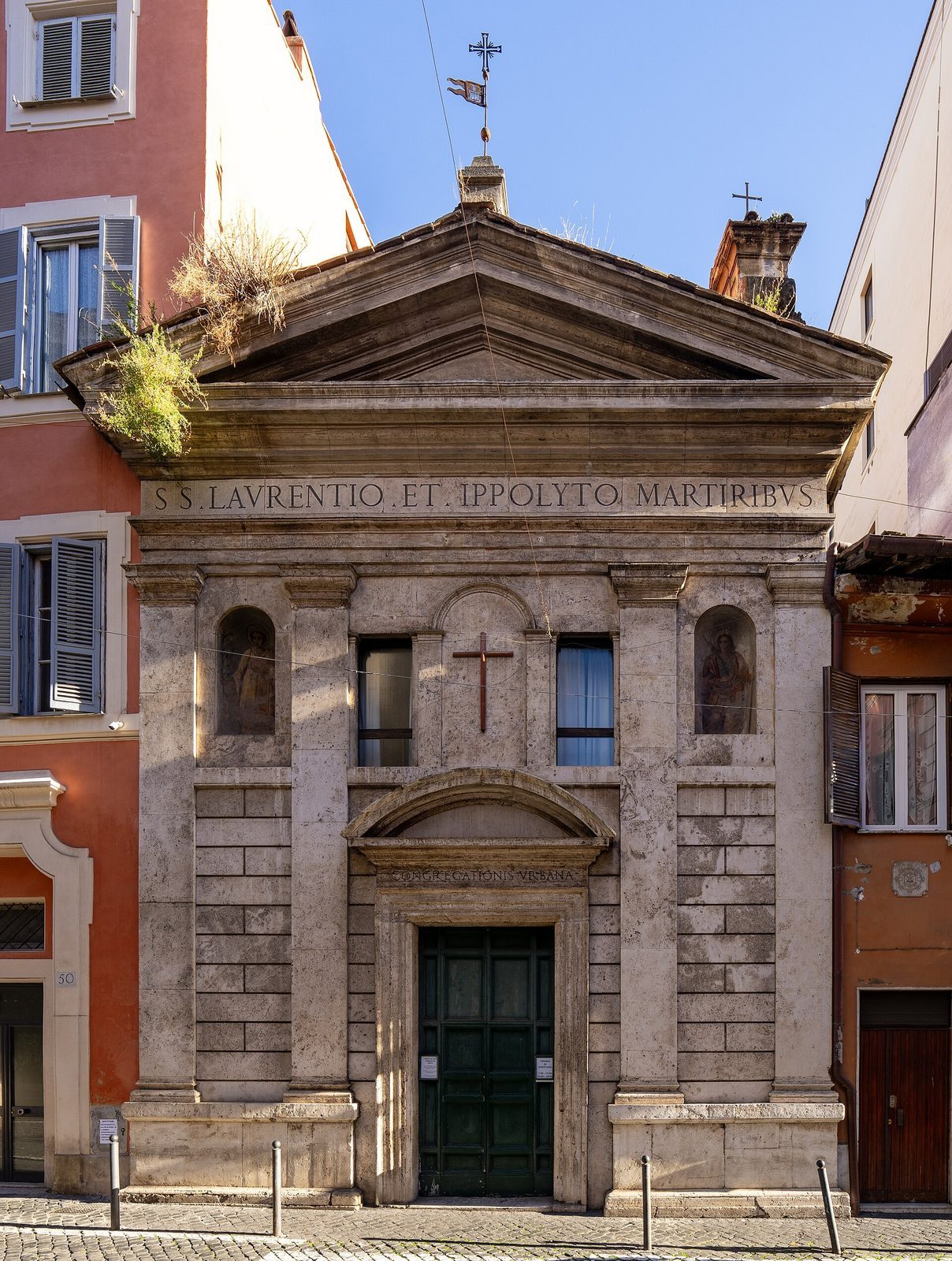
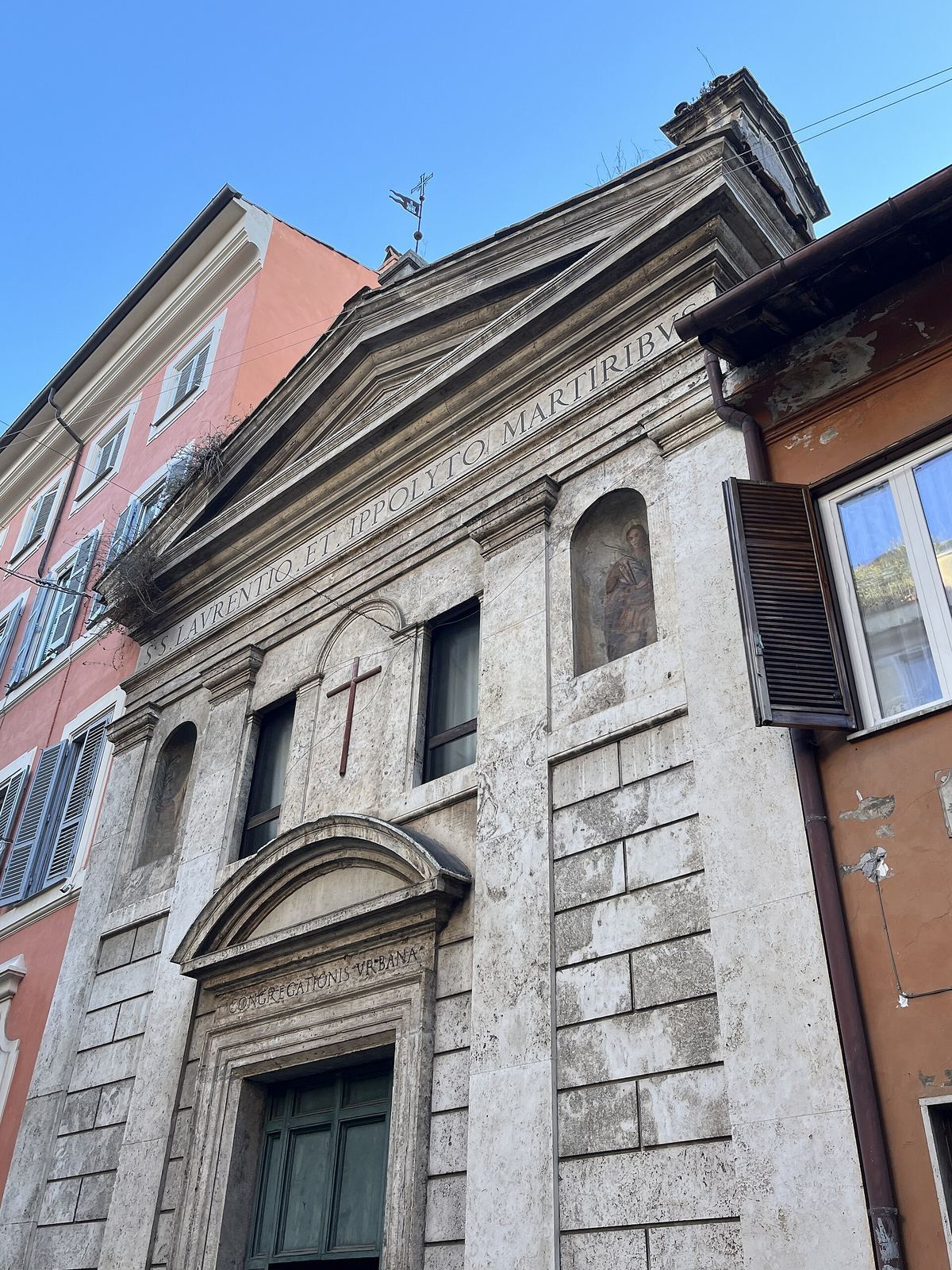
San Lorenzo in Fonte is a Catholic church on Via Urbana in Rome, Italy, dedicated to Saints Hippolytus and Lawrence, both venerated as Christian martyrs. Its present building was commissioned in 1543 and belongs to the Baroque, a European artistic and architectural style known for dramatic forms and rich ornament.
Foundation tradition and medieval history
Church tradition places the building on the site of Hippolytus’s home. Hippolytus was a Roman centurion, or army officer, and Lawrence, a Christian deacon, was said to have been imprisoned there. In the story, Lawrence caused a spring to flow and used its water to baptize Lucillus, a fellow prisoner, restoring his sight. Hippolytus then converted to Christianity and received baptism.
The church’s beginnings are unknown. It is sometimes confused with the separate Memoria Sancti Hippoliti, a church mentioned in the fourth century that no longer exists; its title was later joined to that of San Lorenzo in Fonte. The present church first appears in a record dated May 28, 1348, preserved in the archive of Santa Maria Maggiore. Benedictine monks and nuns, members of a monastic order following the Rule of Saint Benedict, lived there during the thirteenth and fourteenth centuries.
Rebuilding and later changes
Spanish Cardinal Juan Álvarez de Toledo commissioned the present church in 1543. In 1624, Pope Urban VIII ordered its enlargement under the architect Domenico Castelli. The church was completed in 1656. Much later, construction of the metro made the underground location of the spring inaccessible.
Remains
Church interior
Central space and chapels
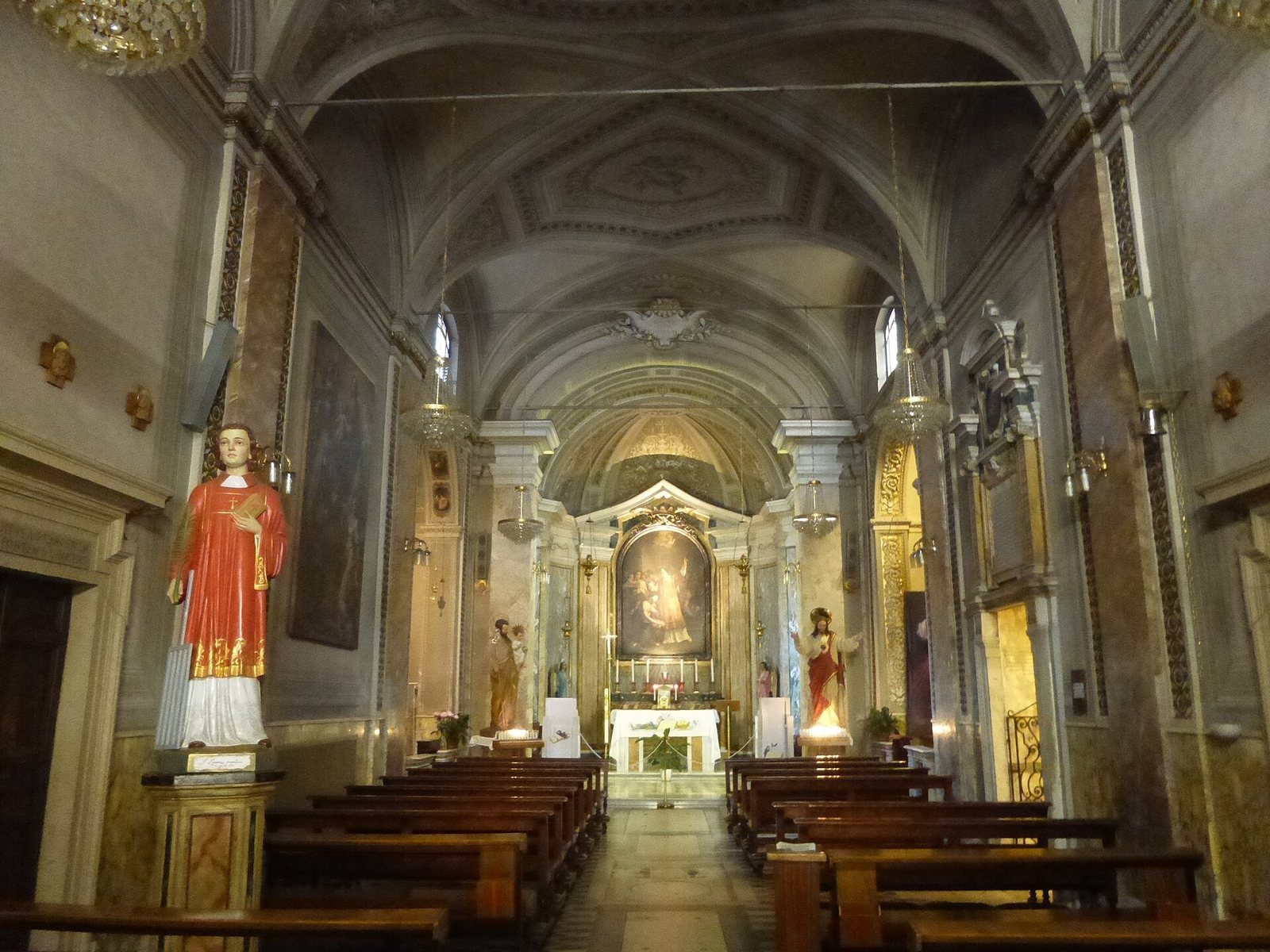
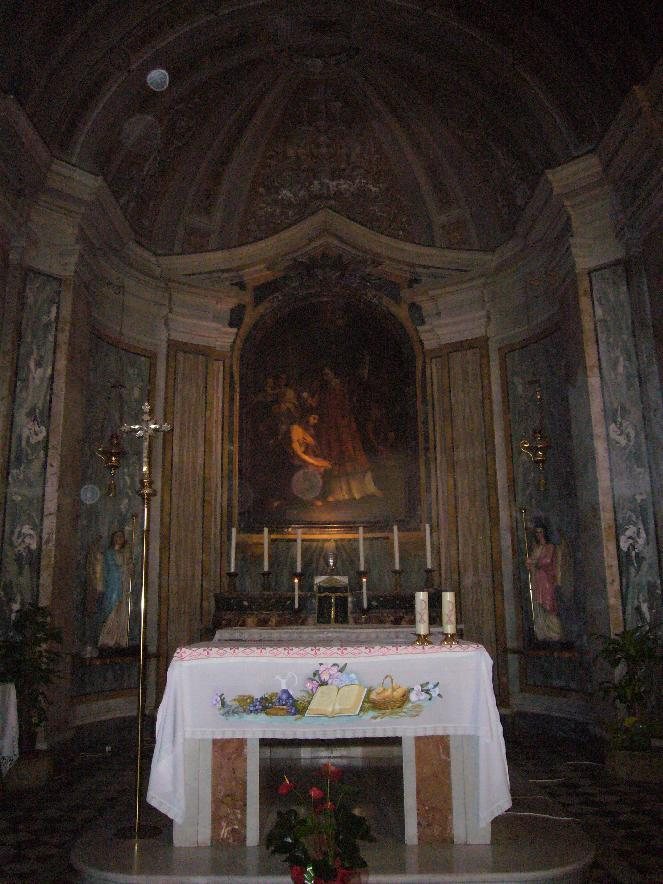
The Baroque church has a single nave, its principal central space, with three chapels on each side.
Altar paintings
The main altar holds The Baptism of Saint Hippolytus, attributed to Giovan Battista Speranza. He is also credited with the side canvases The Martyrdom of Saint Lawrence and Saint Lawrence Distributing Bread to the Poor.
Other works and tomb
The church also contains The Martyrdom of Saints John and Paul, painted by an anonymous seventeenth-century artist, and a bust of Pope Urban VIII attributed either to Gian Lorenzo Bernini or to his workshop. The tomb of architect Carlo Fontana is also inside the church.
Underground spaces
A long, narrow staircase leads down to underground spaces associated with the traditional prison of Saint Lawrence and the spring linked to Lucillus’s baptism. An arch separates the first stretch of corridor from the Roman section. Set into the arch is a sixteenth-century shallow relief of Christ rising from the tomb; a seventeenth-century relief at the water well depicts Lawrence baptizing Lucillus.