Orchard Wyndham: A Historic Manor Estate in Somerset
Site at a Glance
- Popularity
- Medium
- Country
- United Kingdom
- Primary era
- Medieval
- Eras represented
- Medieval, Early Modern
- Civilizations
- British
- Site type
- Domestic
- Remains
- Manor House
On this page9 sections
History
Early occupation and family ownership
Orchard Wyndham is a historic manor estate near Williton in Somerset, United Kingdom. The site was occupied during Roman rule in Britain and in the early medieval Saxon period. The estate was first called Orchard, a name that may derive from the Saxon family name De Horcherd.
In 1448, the estate passed to the Sydenham family of Combe Sydenham and became known as Orchard Sydenham. Elizabeth Sydenham inherited the house and, when she married Sir John Wyndham in 1528, brought it into the Wyndham family. During the tenure of Sir William Wyndham, 1st Baronet, the estate acquired the name Orchard Wyndham. He received the hereditary rank of baronet, below that of baron, in 1661.
The arrest attempt of 1715
In 1715, an officer arrived to arrest Sir William Wyndham, 3rd Baronet, on suspicion of high treason. Wyndham escaped from his bedroom on a horse that was waiting for him. A royal proclamation offered £1,000 for his capture. He later surrendered and was imprisoned in the Tower of London.
Inheritance and changing use
When the 3rd Baronet died in 1740, Orchard Wyndham passed to his son Charles Wyndham, 2nd Earl of Egremont and 4th Baronet. Charles made Petworth House, rather than Orchard Wyndham, his principal seat. The estate then passed to his son George Wyndham, 3rd Earl of Egremont, and later to his nephew George Wyndham, 4th Earl, who died without male children in 1845.
The 4th Earl’s widow held a life interest in the estate, allowing her to benefit from it during her lifetime, until her death in 1876. Under the Earl’s will, Orchard Wyndham then passed to William Wyndham (1834–1914), the male-line heir of his grandfather William Wyndham of Dinton. William’s elder son, William (1868–1951), sold Dinton in 1916 and made Orchard Wyndham his principal seat. He died unmarried and without children, and his younger brother, Captain John Wyndham (1879–1966), inherited the estate. John’s son George Colville Wyndham (1916–1982) was followed by his eldest son, William Wadham Wyndham, born in 1940.
As of 2015, William Wadham Wyndham owned Orchard Wyndham but did not live there; his sister Sylvana Margery Glazebrook Chandler and her husband made it their home. Katherine Stafford Heathcote Wyndham (1947–2004), an art historian and former estate manager, oversaw refurbishment and renovation of the house from 1996 to 2000. The manor house received Grade I listed-building status in 1969. The wider estate includes substantial local landholdings, among them land at Ilton formerly belonging to the Merryfield estate, which the Wyndham family inherited from Nicholas Wadham, an English landowner and co-founder of Wadham College, Oxford.
Remains
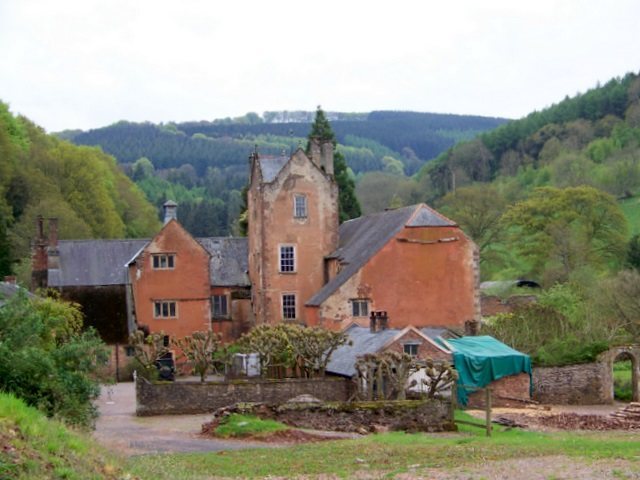
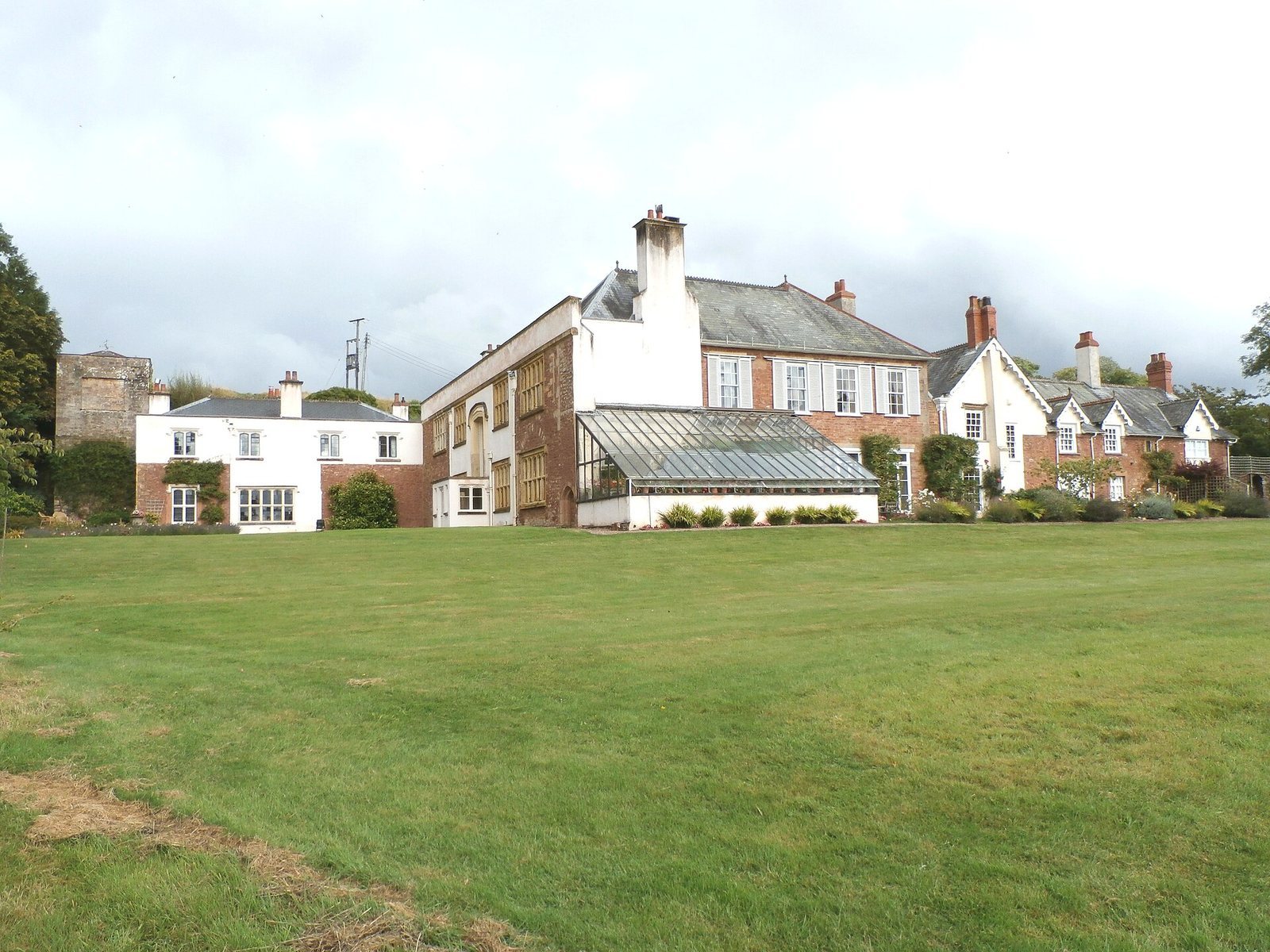
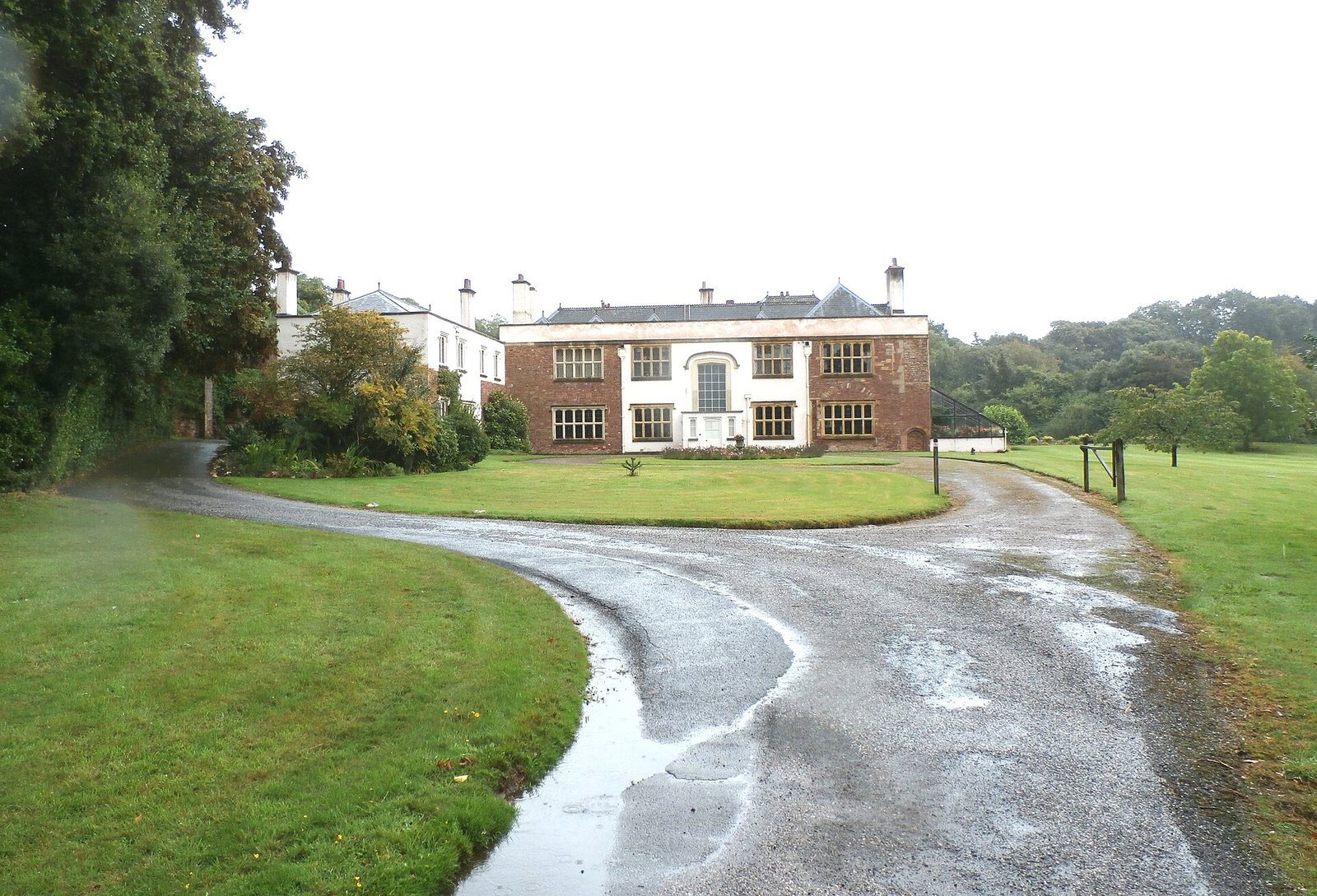
The estate is centred on its manor house and also contains a Bailiff’s House, a lodge, the remains of a walled garden, a gate and the Giant’s Cave landscape feature. The surviving remains span medieval portions of the house and an 18th-century ruin.
Buildings and landscape features
Manor house
The manor house historically stood in Watchet parish, about two miles south of the parish church of St Decuman’s. Parts of the house are medieval.
Other estate features
The estate grounds include a Bailiff’s House and a lodge, as well as the remains of a walled garden and a gate.
Giant’s Cave
Also known as the Blue Grotto, the Giant’s Cave is a mid-18th-century ruin within the grounds. Its walls are formed from large, undressed red-sandstone blocks set irregularly in sections around 2.5 metres high.