Tomb of Panehsy: An Eighteenth-Dynasty Rock-Cut Tomb at Amarna
Site at a Glance
- Popularity
- Medium
- Country
- Egypt
- Primary era
- Bronze Age
- Eras represented
- Bronze Age
- Civilizations
- Egyptian
- Site type
- Burial
- Remains
- Tomb
On this page17 sections
History
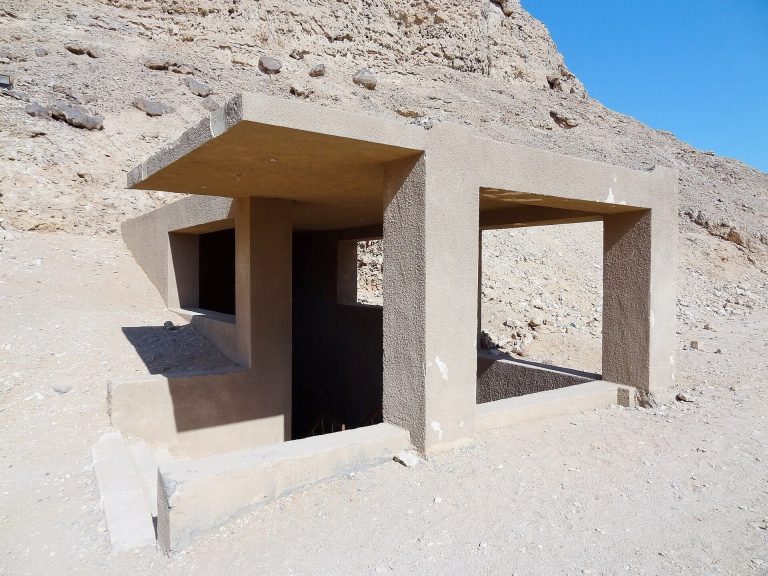
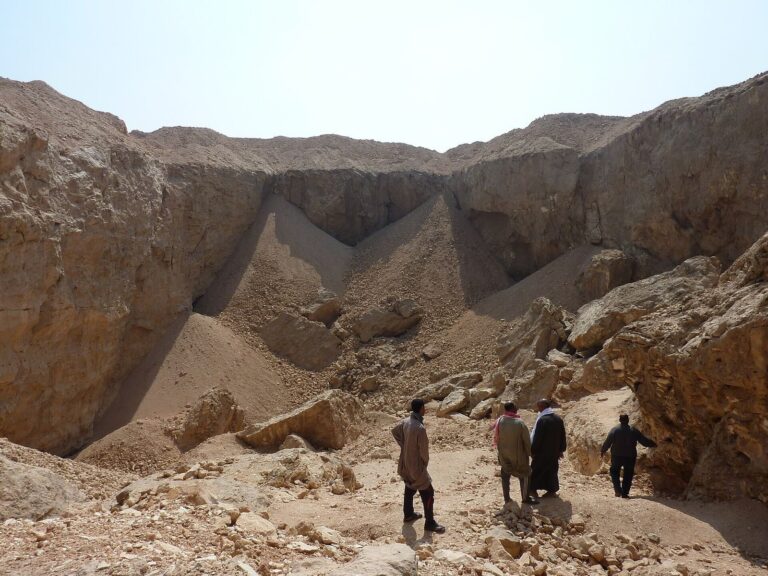
The Tomb of Panehsy is an Egyptian rock-cut tomb at Amarna, Egypt, built around 1350 BC during the Eighteenth Dynasty for a high-ranking priest and official serving Akhenaten. It is one of six tombs in the Northern Tombs group.
Panehsy under Akhenaten
Akhenaten, also known as Amenhotep IV, established Akhetaten as Egypt’s capital and made worship of Aten, the solar deity, central to his religious program. Panehsy served in the Aten priesthood and held the rank of First Servant of Aten in the House of Aten at Akhetaten. His other offices included Second Prophet of the Lord of the Two Lands, a royal title for rule over Upper and Lower Egypt; Sealbearer of the King of Lower Egypt; and overseer of Aten’s storehouse and cattle.
A residence at Amarna designated R.44.2 was probably Panehsy’s property. The tomb’s decoration also associates him with the royal court, including scenes of the king rewarding him and Panehsy performing acts of worship.
Abandonment and later use
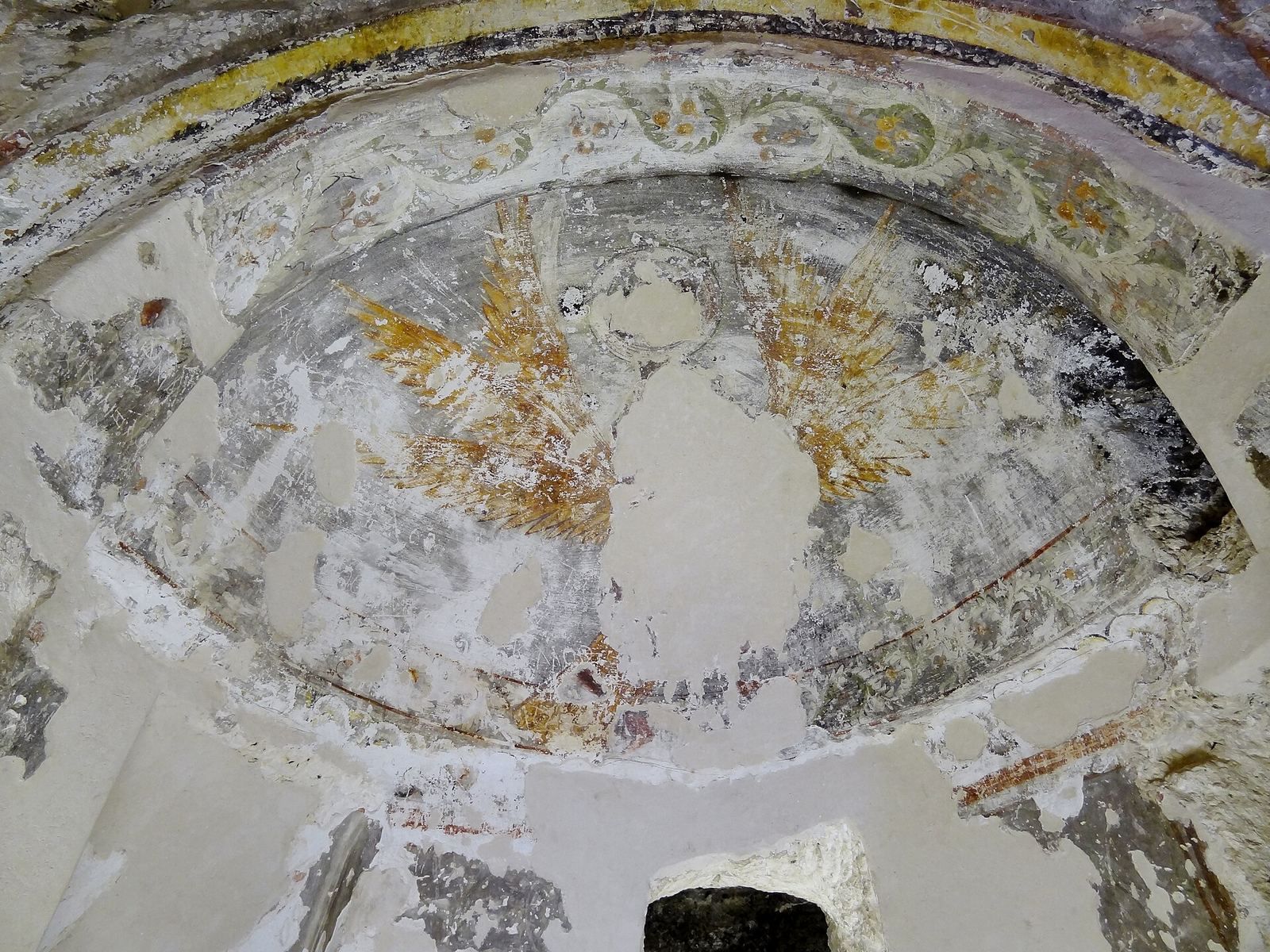
Akhetaten was abandoned about thirty years after its foundation, and its tombs fell out of use. Panehsy’s tomb later served for a time as a place of Christian worship within Egypt’s Coptic tradition. Monks also occupied the surrounding area. Iconoclasts, people who deliberately damage religious images, defaced portrayals of Akhenaten and Nefertiti and erased most names in the tomb.
Remains
Plan and construction
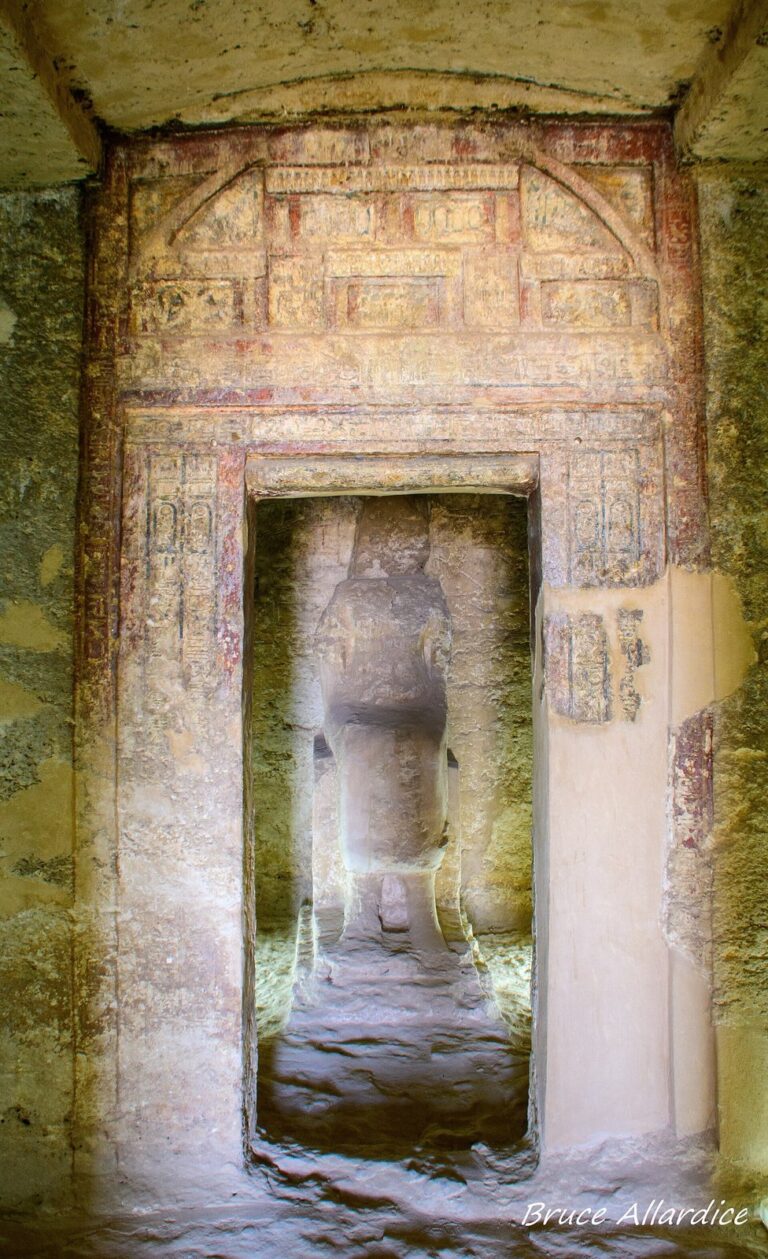
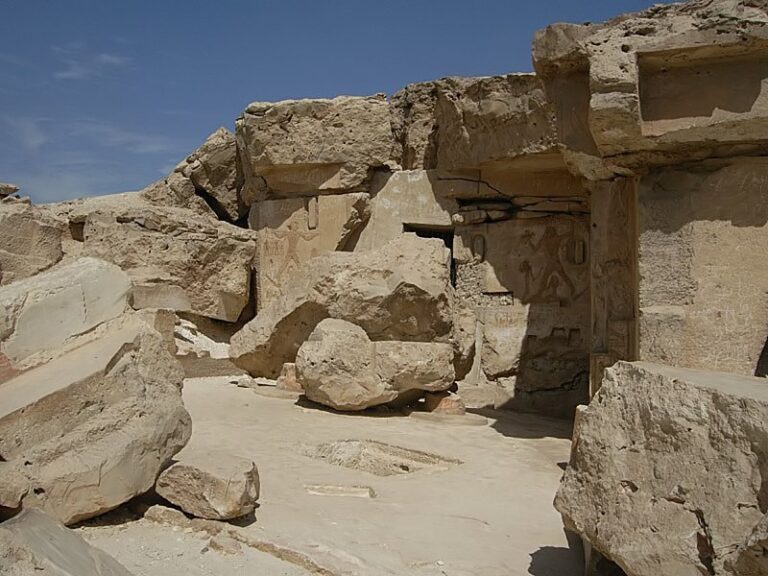
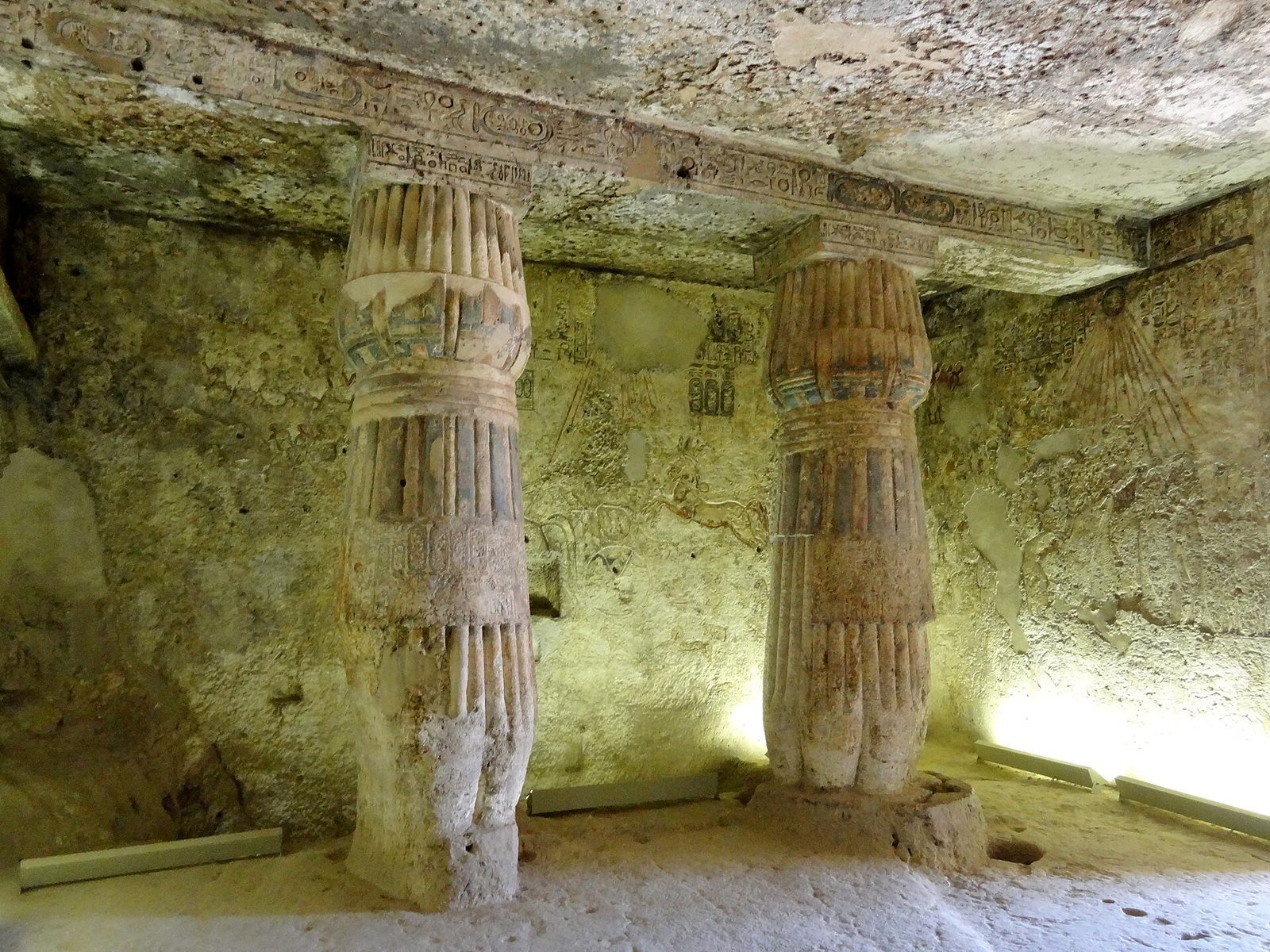
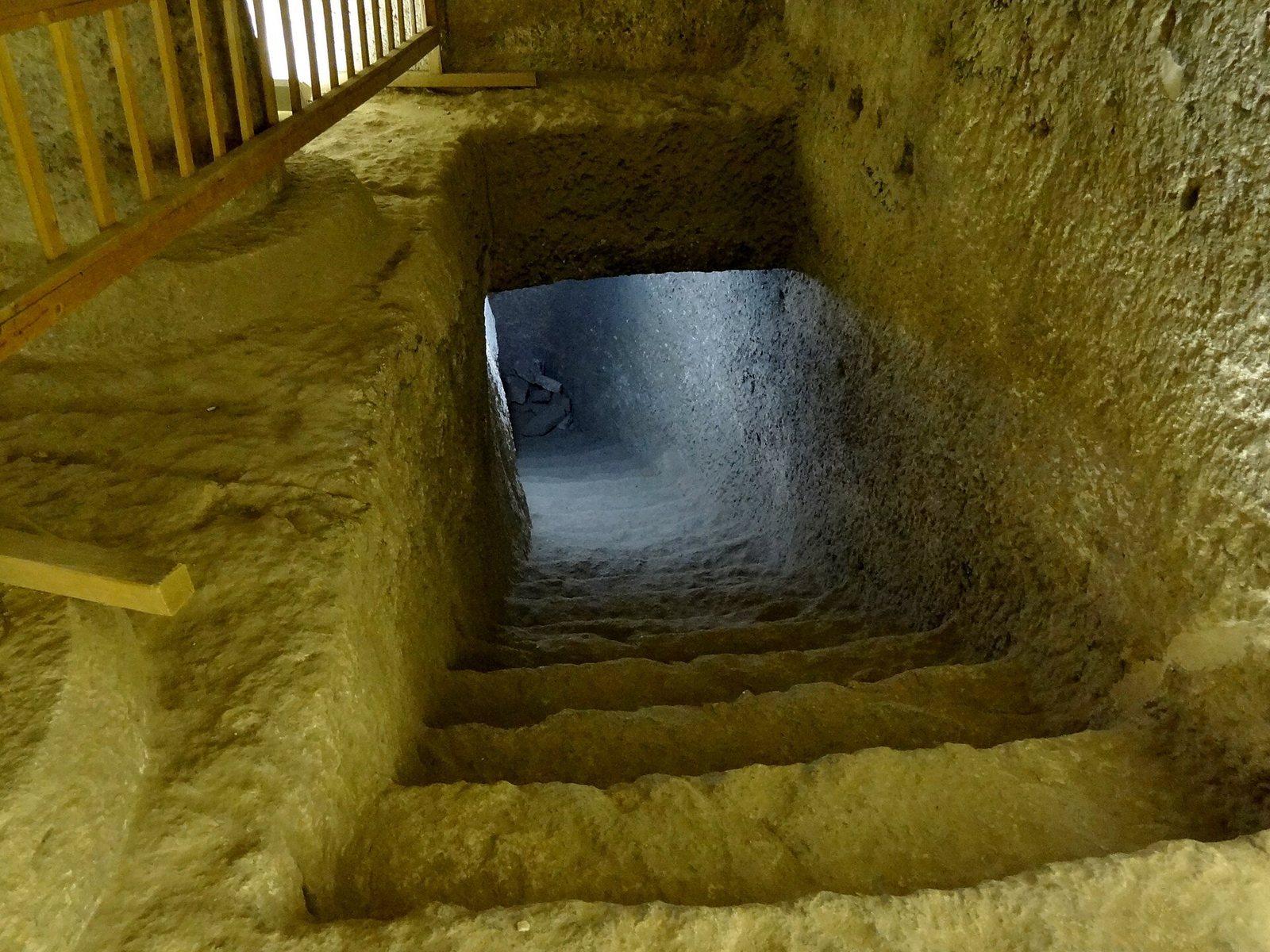
The tomb’s entrance is cut into the lower part of a vertical cliff. A short passage leads to a rectangular hall, originally supported by four columns. A second corridor opens into another rectangular, columned hall, followed by an inner room; a staircase descends to the underground burial apartment. Two columns in the first hall are badly damaged. Monastic construction in the area also damaged the carved entrance jambs and architrave, the horizontal beam above the doorway. During the tomb’s Christian reuse, a deep basin for full-immersion baptism was installed before the recessed apse at the end of the space.
Entrance and outer reliefs
Procession and worship in the entrance passage
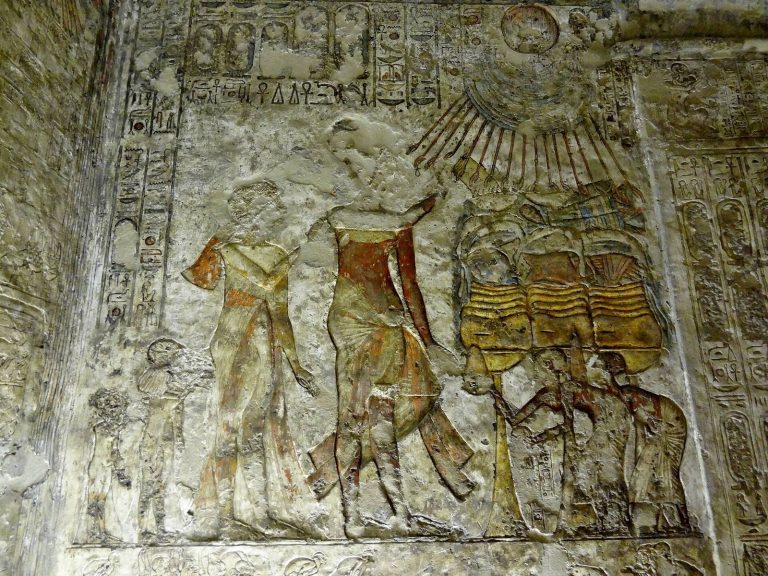
The entrance passage includes a royal procession with Akhenaten, Nefertiti, three princesses, Nefertiti’s sister Mutbenret, two dwarfs, attendants, and a military escort. Another scene shows Akhenaten worshipping Aten with an incense burner as Nefertiti presents flower bouquets and their daughters Meketaten, Meritaten, and Ankhesenpaaten shake ritual rattles called sistra. On the opposite wall, the royal family, Mutbenret, and two dwarfs worship Aten, while Panehsy is shown worshipping beneath them.
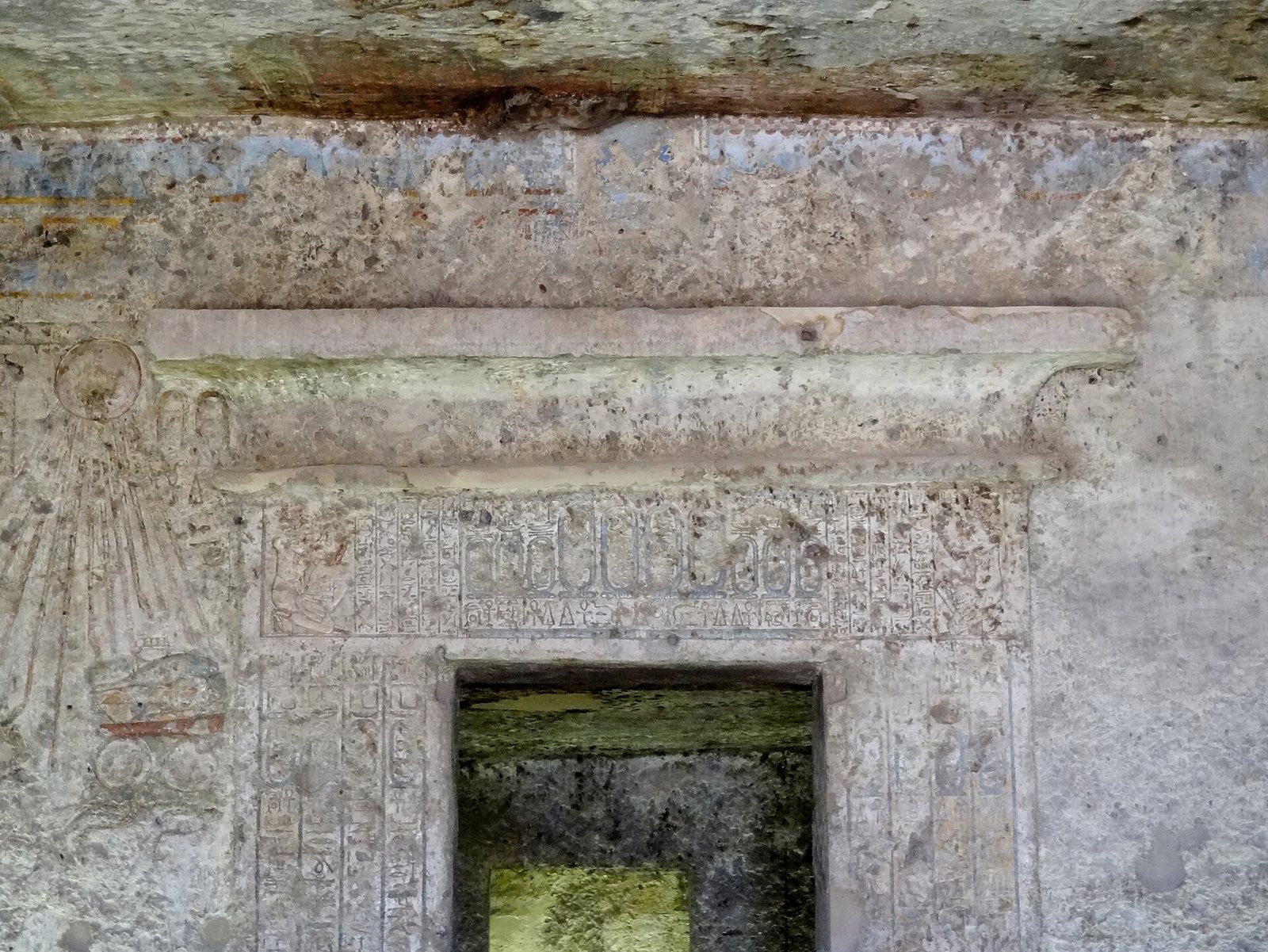
Door jambs and lintel
The outer doorway’s upper jamb panels show the king with the northern crown on one side and the southern crown on the other. In one scene Akhenaten, followed by Nefertiti in a cloth headdress, appears to offer loaves; in another, she wears a flat-topped blue crown. Meritaten is the only daughter shown accompanying her parents in these scenes. Below, Akhenaten wears the khepresh, a royal crown, while Nefertiti wears her blue crown, and the pair appear to offer food at a table.
The lintel carries paired scenes of Akhenaten and Nefertiti with their three eldest daughters before an altar. In one half the king and queen burn incense; in the other they pour an unidentified substance from a vase, while the princesses shake sistra. Nefertiti wears a close-fitting cap in this scene. Two dwarfs suggest Mutbenret’s presence, and she is probably represented in the register above, beside the princesses.
Reliefs on the outer wall
On the right side of the outer entrance, Akhenaten and Nefertiti raise staffs of authority in homage to Aten. Meritaten, Meketaten, and Ankhesenpaaten accompany them, shaking sistra. Akhenaten wears the khepresh crown; damage makes Nefertiti’s headdress difficult to identify. An inscription beside her praises her as heiress, mistress of the South and North, beloved Great Royal Wife, and Lady of the Two Lands.
Another outer-wall scene shows Akhenaten burning spices with a hawk-headed incense spoon while Nefertiti presents a lotus bouquet. Both wear elaborate Atef crowns, a crown type associated with Egyptian gods and kings. The king’s crown has three parts, rearing cobra emblems, and falcons bearing sun disks; the queen’s has two parts and cobra emblems. In the register below, Mutbenret appears with two dwarfs, two male attendants, and four female attendants.
First hall
Panehsy before the royal court
At the first hall’s entrance, reliefs show Panehsy kneeling on either side of the doorway and worshipping Aten’s name within an oval frame. Inside, one wall depicts courtiers and a military escort acclaiming him as the king, queen, and four princesses reward him in the palace. Four fan-bearers stand beside the royal family. Another wall combines worship of Aten by the royal family with scenes of Panehsy and helpers carrying offerings, followed by Panehsy being received by a military escort.
South-wall scenes
On the west side of the south wall, Panehsy appears before the Window of Appearance, the palace opening from which the royal family appeared publicly. Meritaten stands with Akhenaten and Nefertiti, who places an arm around her daughter. In the hall behind the window, Meketaten and Ankhesenpaaten embrace, while Neferneferuaten Tasherit holds Ankhesenpaaten’s arm; two nurses accompany the princesses.
On the east side of the same wall, Akhenaten and Nefertiti offer flowers to Aten. He wears the red northern crown, and she appears in a short wig in a Nubian style. Meritaten, Meketaten, Ankhesenpaaten, and Neferneferuaten Tasherit stand behind them. The older princesses’ offerings are unclear, while Ankhesenpaaten and Neferneferuaten Tasherit carry bouquets like those of their parents.
Chariots and altar scenes
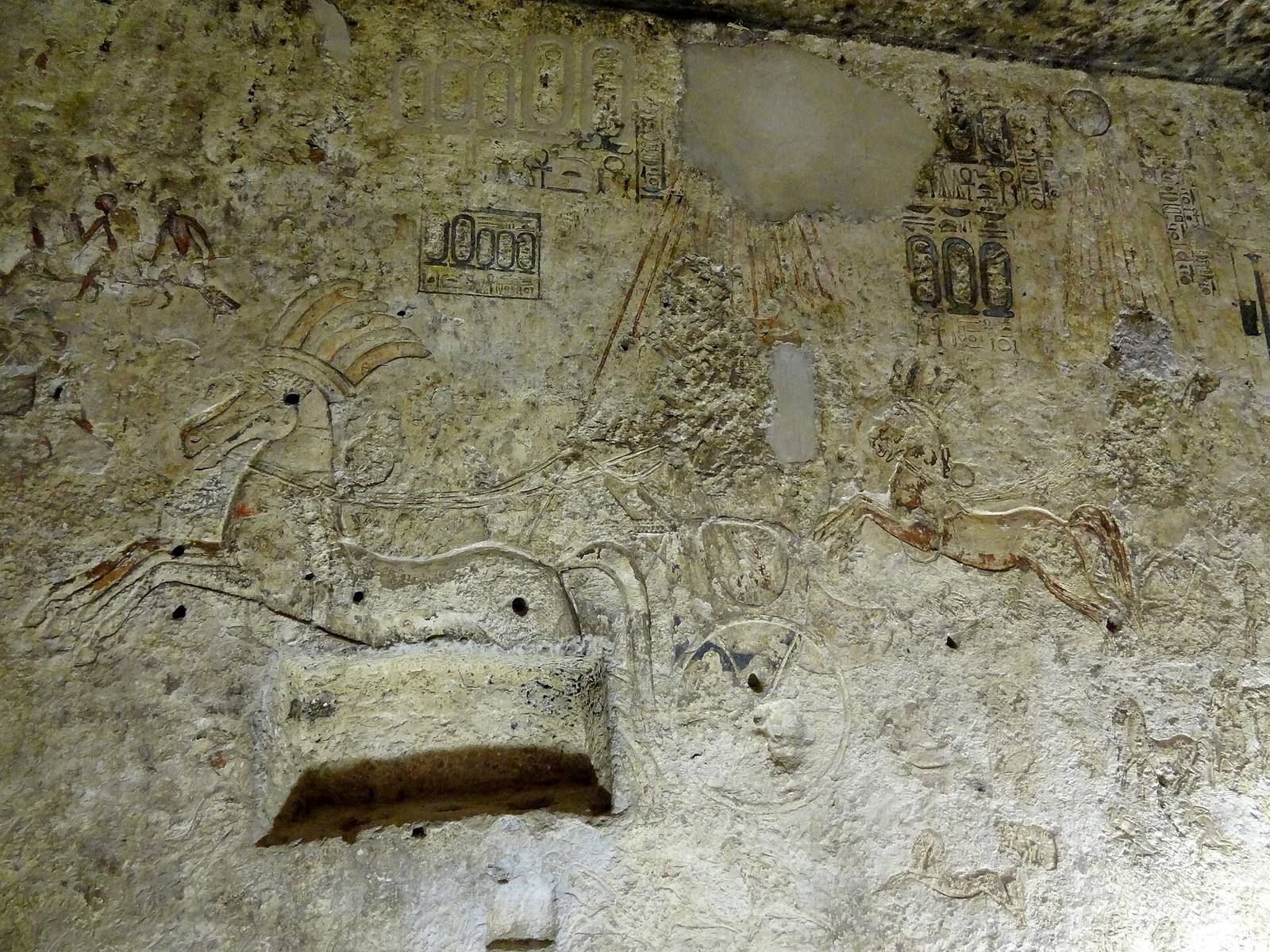
The east wall shows Akhenaten and Nefertiti each driving a chariot, with Nefertiti holding a whip. Two other chariots carry two princesses apiece, probably Meritaten, Meketaten, Ankhesenpaaten, and Neferneferuaten Tasherit; three more chariots carry six female attendants. On the west wall, the king and queen stand together on a raised platform before an altar and appear to pour an offering onto it. Nefertiti is represented only by an outline. Meritaten offers loaves, while Meketaten and Ankhesenpaaten shake a sistrum; two nurses and three attendants are also present.
A scene on the north wall shows Akhenaten holding a plate of food offerings, with Nefertiti behind him. Elsewhere, the royal family and courtiers leave the palace in chariots accompanied by soldiers. The king and queen also appear worshipping Aten, while Panehsy worships the deity’s names within oval frames.
Second hall and inner room
Second-hall entrance and corridor
At the entrance to the second hall, Panehsy is represented on both sides worshipping Aten’s name. In the corridor beyond, he appears with a young daughter whose name is not given.
Inner room
In the inner room, Panehsy and his family receive offerings from servants. A statue of Panehsy once stood at the far end; it was later demolished, while his name remained. The tomb also contains lengthy sacred texts dedicated to Ra-Horakhti, a solar deity combining aspects of Ra and Horus, and to Aten.
Inscription
An inscription on one ceiling records that the king gave Panehsy gold for a great deed performed for the king’s daughter, described in the text as Panehsy’s lady.